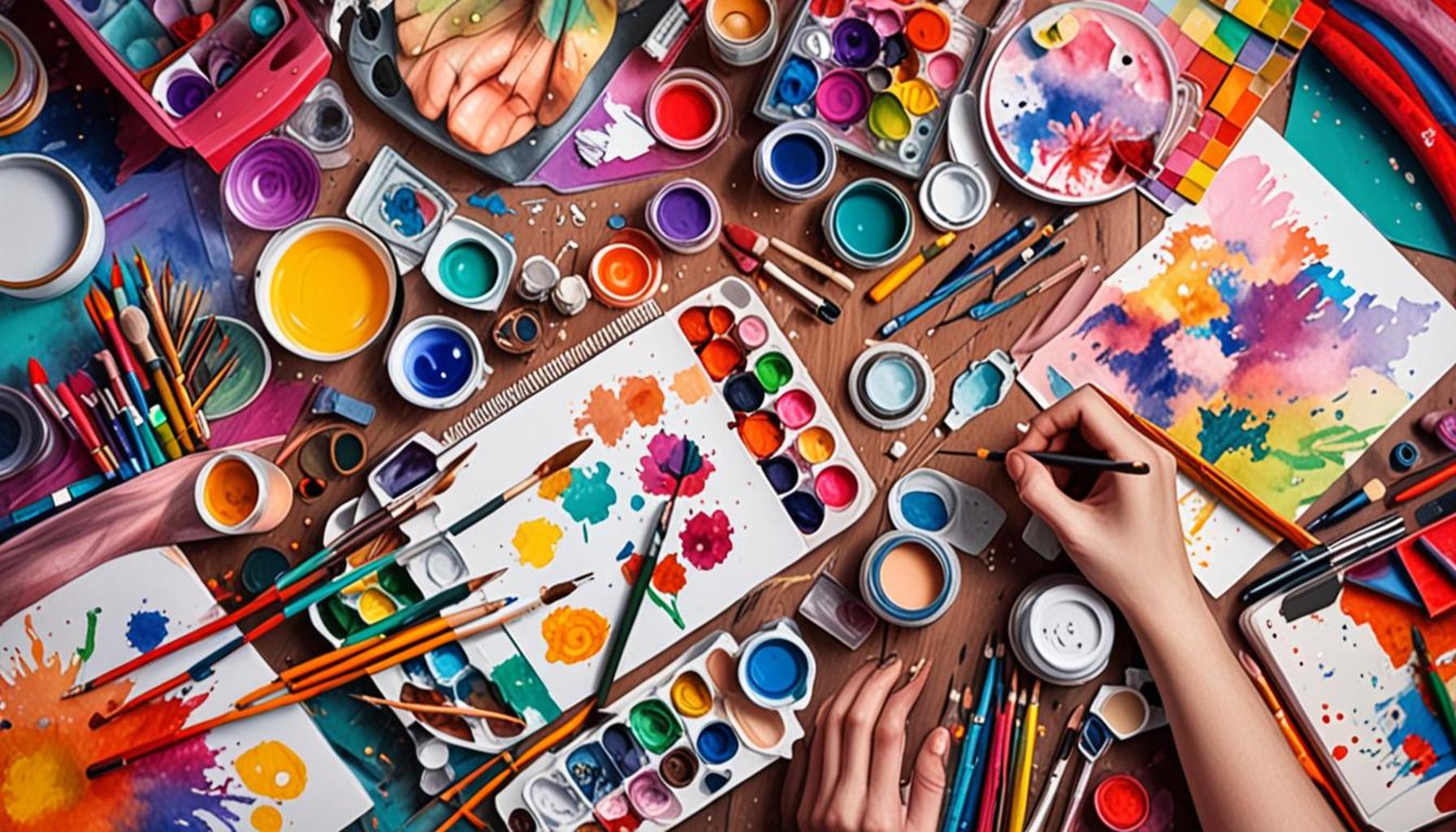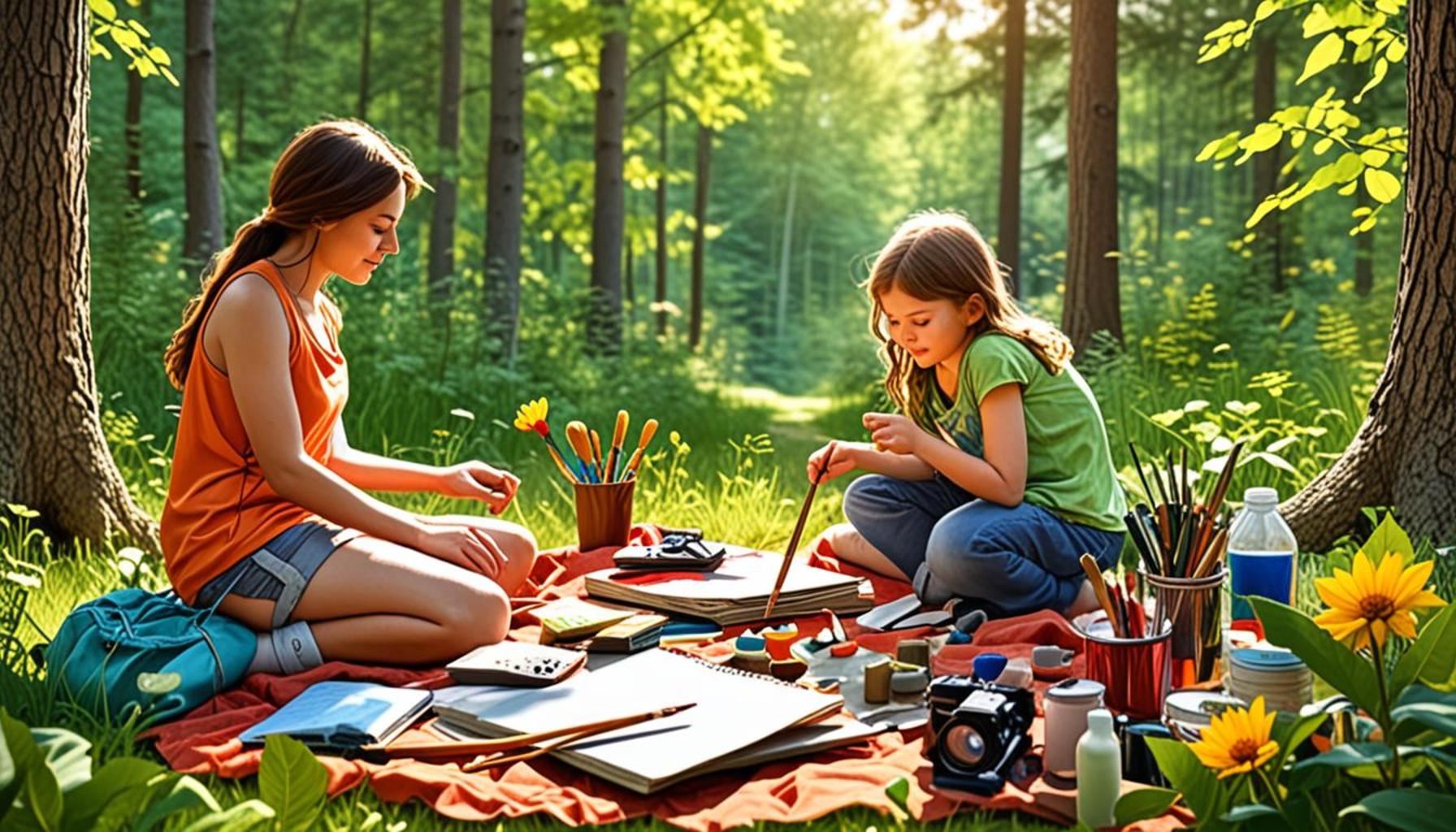
Visual Arts Impact on Mental Health Painting Drawing for Well-Being
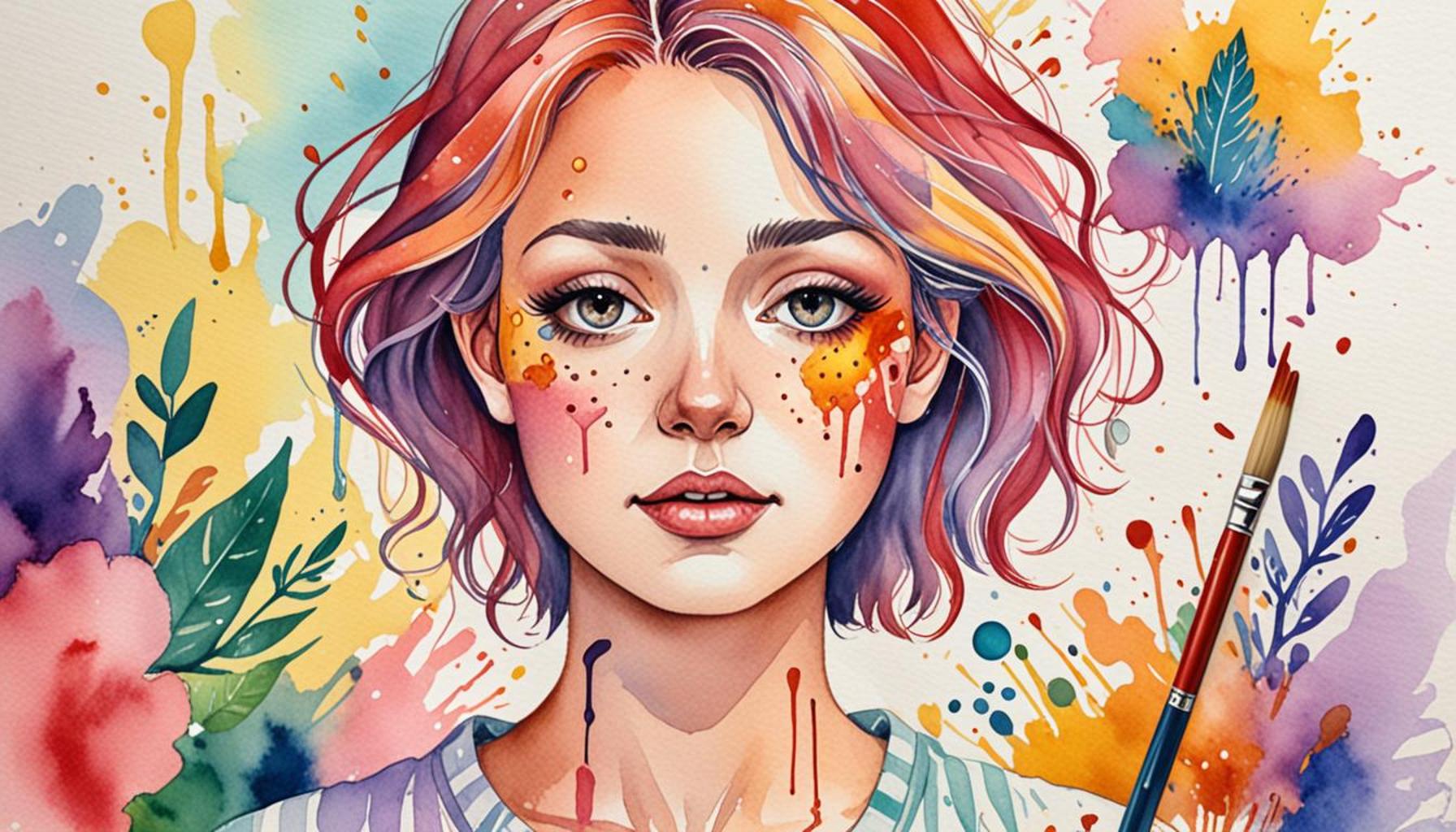
The Connection Between Visual Arts and Mental Health
In recent years, the relationship between visual arts and mental health has garnered increasing attention, showcasing how creative hobbies can aid in improving psychological well-being. Engaging in activities like painting and drawing not only stimulates creativity but also provides a therapeutic outlet for self-expression. This intersection of art and mental health has profound implications for individuals seeking relief from daily stressors and emotional challenges.
The Benefits of Creative Expression
Visual arts serve as a unique medium through which individuals can navigate complex emotions and experiences. Here are some notable benefits associated with these creative practices:
- Stress Relief: Artistic activities help reduce anxiety and tension.
- Self-Discovery: Creating art allows for deep personal reflection.
- Emotional Release: Painting serves as a channel to process feelings.
- Community Connection: Shared artistic experiences foster social bonds.
- Cognitive Engagement: Engaging in art stimulates mental faculties.
As we explore the topic further, we will highlight the Top 5 ways that painting and drawing specifically contribute to well-being, allowing you to discover new avenues for enhancing your mental health through art. Prepare to delve into the transformative power of creativity!
The Influence of Visual Arts on Mental Health: How Painting and Drawing Promote Well-Being
The realm of visual arts, encompassing forms like painting and drawing, holds a unique power to ignite creativity, articulate emotions, and enhance mental health. But what makes these creative outlets such a significant influence on psychological well-being? In this comprehensive exploration, we will uncover five key ways that visual arts contribute to mental well-being, demonstrating the profound impact they have on individuals seeking comfort and joy through artistic expression.
5. Encouraging Self-Expression
A pivotal role of visual arts in mental health is their ability to facilitate self-expression. For many, painting and drawing serve as outlets through which complex emotions find liberation. Although words sometimes fail us, a canvas allows individuals to transform feelings into tangible visual expressions. This therapeutic process acts as an emotional release, assisting individuals in processing negative feelings or significant life events.
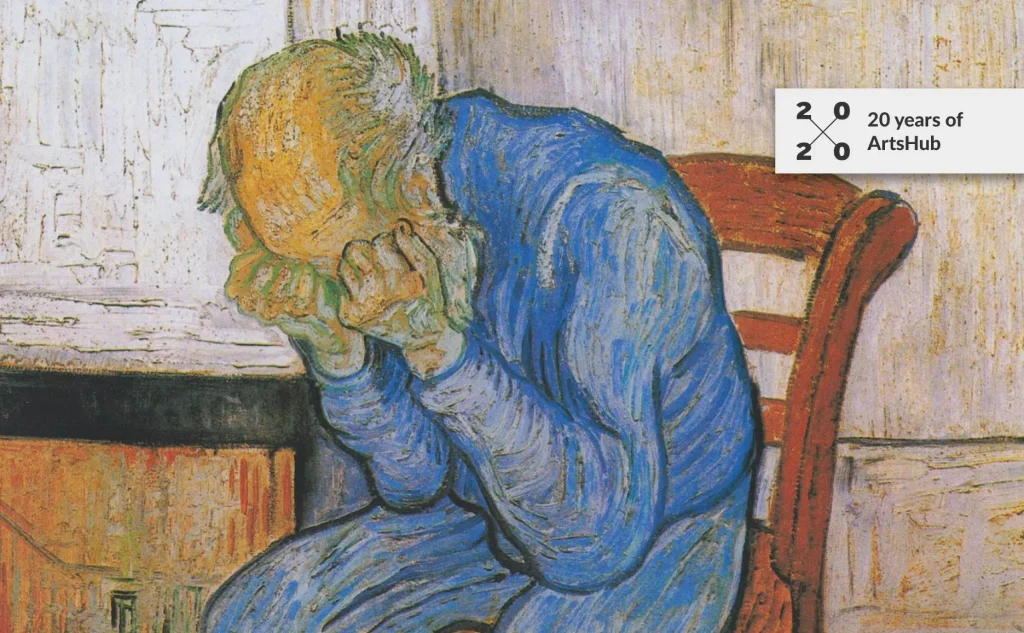
Studies have shown that self-expression through art can lead to significant improvements in emotional regulation and self-awareness. For individuals struggling with depression and anxiety, art therapy offers a non-verbal way to explore and articulate feelings in a safe environment. By translating emotions onto paper, individuals often find clarity and catharsis.
Key Benefits Include:
- Ability to communicate complex emotions: Visual art offers a medium through which deeply personal narratives can be shared without language barriers.
- Improvement in mood through creative engagement: The act of creating art can be invigorating, lifting spirits and alleviating sadness.
- Fostering self-awareness and introspection: Art provides a mirror to the inner self, encouraging deeper understanding and reflection.
4. Enhancing Mindfulness and Focus
Engagement with visual arts frequently requires a level of concentration and presence similar to that found in meditation. Artistic pursuits demand attention to detail and a focused immersion in the moment, often distracting individuals from external stressors and negativity. This mindfulness aspect is linked with reduced stress and greater mental clarity.
Research indicates that when individuals are fully absorbed in the creative process, they enter a flow state, a concept introduced by psychologist Mihaly Csikszentmihalyi. This state is characterized by intense focus, joy, and a deep sense of fulfillment. It is frequently associated with diminished anxiety and an enhanced ability to deal with challenges constructively.
Artistic Mindfulness Offers:
- Increased attention to the present moment: Focusing on the intricate details of art keeps individuals grounded in the present.
- Decrease in overthinking and racing thoughts: The immersive nature of art reduces excessive rumination and mental clutter.
- Enhanced ability to cope with stressful situations: Engaging in art equips individuals with emotional tools to handle stress effectively.
3. Building a Sense of Community
Visual arts serve as a vehicle for social connection, enhancing mental health by embedding individuals within a community. Group art workshops and collaborative projects create platforms for social interaction, mitigating feelings of isolation and loneliness. These shared artistic experiences become the foundation for support networks essential for mental well-being.
Sharing artwork with others often brings constructive feedback and validation, which can significantly boost self-esteem and self-worth. The social nature of communal art projects is not only invigorating but also essential for fostering a supportive environment that encourages holistic well-being.
Benefits of Community Art Include:
- Opportunities for social connection and support: Art communities provide a nurturing space for individuals to interact and form friendships.
- Enhanced self-esteem and self-worth through shared feedback: Positive reinforcement from peers enhances confidence and self-image.
- Greater emotional resilience through collaborative expression: Sharing creative work with others builds resilience and emotional strength.
2. Spiritual and Emotional Healing
Many artists describe the creative act as inherently therapeutic. Visual arts serve as a conduit for exploring and resolving pain, trauma, or anxiety. By depicting these experiences in visual format, artists can process emotions and gain insight into their mental states. Art therapy is frequently employed in mental health contexts to help individuals address trauma and emotional difficulties.
The transformative nature of art empowers many to confront and navigate difficult emotions, leading to mental stability and recovery. Painting and drawing can illuminate pathways to understanding and overcoming adversity, resulting in spiritual and emotional healing.
Healing Aspects of Art Therapy Include:
- Visual expressions of trauma leading to healing: Art facilitates healing by transforming trauma into a tangible form that can be explored and understood.
- Facilitating discussions around difficult emotions: Art serves as a catalyst for conversations about challenging thoughts and feelings.
- Empowering individuals through the creative process: Creating art fosters a sense of mastery and control over one’s emotional experiences.
1. Boosting Overall Happiness and Joy
The pinnacle of visual art’s influence lies in its ability to nurture overall happiness and joy. Engaging in creative pursuits like painting or drawing triggers the release of brain chemicals such as dopamine, which are integral to feelings of pleasure and satisfaction. Creating something unique, irrespective of skill level, imbues individuals with a sense of accomplishment and fulfillment.
Research consistently shows that individuals who regularly immerse themselves in visual arts report increased life satisfaction and emotional well-being. Whether it’s crafting a detailed painting or simply doodling with vibrant colors, the effects on happiness can be profound.
Happiness-Enhancing Benefits Include:
- A surge in brain chemicals associated with joy: Artistic activities trigger the release of dopamine, enhancing mood and satisfaction.
- Sense of achievement regardless of skill level: The completion of an artwork provides a rewarding feeling of success.
- Overall enhancement of life satisfaction: Regular artistic engagement contributes positively to one’s outlook on life and general sense of well-being.
In conclusion, visual arts offer more than an opportunity to create aesthetically pleasing works; they provide profound benefits that enhance mental health, offering necessary tools for self-exploration, mindfulness, social connection, healing, and happiness. As society continues to understand the critical role of mental well-being, incorporating art into daily life becomes an increasingly valuable strategy for enhancing overall health and quality of life.
Art plays a profound role in improving mental health and well-being, particularly through visual arts like painting and drawing. These forms of expression have long been recognized for their therapeutic benefits, promoting emotional release and providing a constructive outlet for feelings. Engaging in creative activities allows individuals to explore their thoughts and emotions visually, leading to increased self-awareness and emotional clarity.One of the most significant advantages of engaging in visual arts is the boost to one’s mood. Various studies suggest that the act of creating art can stimulate the release of dopamine, often referred to as the “feel-good” neurotransmitter. This chemical boost can diminish feelings of anxiety and depression, enhancing overall emotional resilience. Individuals often report feeling a sense of accomplishment and joy after completing an artwork, which reinforces positive outlooks toward life.Furthermore, art serves as a medium for communication, particularly for those who struggle with verbal expression. For individuals experiencing trauma, grief, or mental health disorders, visual arts can provide an alternative method to convey their experiences. This non-verbal form of expression can be especially beneficial in therapy settings, where art therapy encourages clients to depict their feelings and life experiences, facilitating discussions that may otherwise be too painful or challenging to articulate.Participating in artistic endeavors can also foster a sense of community. Local art groups and classes bring people together, which can combat feelings of isolation. Social interaction through art nurtures relationships and networks of support, helping individuals form connections based on shared interests and experiences. Such engagement is pertinent, especially for populations at risk of social loneliness.As people invest time and effort into learning new artistic techniques, they often find themselves in a state of flow—a mental state characterized by full immersion in the activity. This state is associated with several positive outcomes, including increased focus and improved problem-solving abilities. Engaging in art-making provides a distraction from daily stressors, enhances cognitive function, and heightens one’s sense of presence in the moment.The impact of visual arts on mental health extends beyond personal expression; it can also contribute to greater societal awareness of mental health issues. Public art installations and community-based visual art initiatives challenge stigma and raise awareness, facilitating conversations about mental health. By utilizing the visibility of art as a tool, it compels individuals and communities to confront pervasive challenges related to mental health, fostering empathy and understanding.In summary, the influence of visual arts, particularly painting and drawing, on mental health is multifaceted. Engaging with art not only promotes personal well-being through emotional expression and community-building but also serves as a powerful medium for opening dialogue about mental health, ultimately nurturing a more understanding society.
Frequently Asked Questions About Visual Arts and Mental Health
How do visual arts like painting and drawing impact mental health?
Engaging in visual arts such as painting and drawing can have a profound impact on mental health. They serve as creative outlets that allow individuals to express their emotions and thoughts without the constraints of language. This process can lead to increased self-awareness and emotional release. Studies suggest that participating in these activities can reduce stress and anxiety levels, providing a form of therapeutic relaxation. Furthermore, creating art can trigger the brain’s reward system, releasing dopamine, which is often referred to as the “feel-good” neurotransmitter.
Can anyone benefit from visual art practices, even if they do not consider themselves artistic?
Absolutely. The benefits of engaging with visual arts are not limited to those who identify as artists. The act of creating is more important than the final product, which means anyone can experience benefits regardless of their skill level. Art-making is about the process of expression and exploration, which can improve mental clarity and emotional balance. Many therapeutic art programs emphasize this approach, focusing on the positive effects of participation itself.
What specific aspects of visual art contribute to improved mental well-being?
Several aspects of visual art contribute to mental well-being. First, the tactile and sensory involvement in activities like painting and drawing can provide grounding effects, promoting mindfulness. Attention to detail required in art-making can improve focus and concentration, diverting the mind from negative thought patterns. Additionally, completing an art project can instill a sense of achievement and boost self-esteem. The social element of sharing and discussing art with others can also enhance feelings of connection and support.
Are there particular visual art techniques that are more beneficial for mental health?
While the benefits of visual arts are broad, specific techniques can be tailored to achieve different mental health goals. For example, abstract painting allows for free expression and emotional release, while more structured techniques such as mandala coloring are known to enhance concentration and induce calm. Collage-making can be particularly beneficial for those looking to process complex emotions and foster personal insight. Ultimately, the choice of technique can be personal, and individuals are encouraged to explore different forms to see what resonates most with them.
How can one incorporate visual arts into their daily routine for mental health benefits?
Incorporating visual arts into daily life doesn’t require extensive time or resources. Starting a simple sketchbook or journal can be an effective way to include art-making into your routine. Dedicating a short time daily or weekly to art can make a significant difference. Trying new materials such as pastels or watercolors can keep the activity engaging. Importantly, look for art groups or workshops in your community to combine creativity with social interaction, further enriching the mental health benefits. Remember, consistency and enjoyment are key.
Conclusion: The Therapeutic Power of Visual Arts
In exploring the intersection between visual arts and mental health, it’s evident that creative activities such as painting and drawing are more than just pastimes; they are vital components of holistic well-being. Throughout the article, we have delved into various aspects of how engaging with visual arts positively impacts mental health, offering insights that are both intriguing and hopeful.
Firstly, the expressive freedom offered by art empowers individuals to communicate their innermost emotions without the need for words. This non-verbal expression can be particularly beneficial for those struggling with anxiety or depression, as it provides a safe outlet to address their feelings. Additionally, the mindfulness that art cultivates encourages a state of presence and relaxation, reducing stress levels and fostering a sense of calm.
We also considered the role of art in building social connections. Shared art experiences can create communities and promote a sense of belonging, combating isolation. Furthermore, engaging in creative processes stimulates the brain’s reward pathways, offering a natural boost to emotional well-being by increasing the release of dopamine—the ‘feel-good’ neurotransmitter.
Moreover, the accessibility of art makes it an appealing tool for self-care. Unlike other therapeutic methodologies that require trained professionals, art can be practiced in the comfort of one’s home, making it practical for anyone seeking comfort in creativity.
In closing, the therapeutic benefits of visual arts cannot be overstated. By promoting self-expression, mindfulness, social engagement, and neurological well-being, painting and drawing enhance mental health in profound ways. As new studies continue to uncover the depth of these benefits, the integration of visual arts into mental wellness practices becomes increasingly essential. Whether through structured therapy or as personal hobbies, the role of visual arts in promoting well-being remains a vital area for further exploration.