
The Role of Literature in Emotional Education: Stories that Teach Empathy

The Impact of Literature on Emotional Education
Literature possesses a powerful ability to connect us to the emotions and experiences of others. Through vivid storytelling, readers can explore diverse perspectives, fostering empathy and enhancing emotional education. Whether it’s diving into the daily struggles of someone in a different part of the world or understanding the internal battles faced by characters grappling with loss or identity, literature opens a window to a vast array of human experiences.
Stories teach us about:
- Cultural diversity – Literature provides invaluable insights into different backgrounds and lifestyles, allowing readers to walk in someone else’s shoes. Books like Chimamanda Ngozi Adichie’s “Americanah” not only offer a compelling narrative but also present the rich tapestry of Nigerian culture contrasted with American life.
- Complex emotional situations – Characters are often placed in challenging circumstances, illuminating the human capacity for resilience. In Khaled Hosseini’s “The Kite Runner,” readers witness the profound effects of guilt and redemption, encouraging a deeper understanding of human fallibility and the possibility of forgiveness.
- Interpersonal relationships – Exploring the dynamics of friendships, families, and romantic partnerships in literature highlights the significance of empathy. The complications seen in works like “Little Fires Everywhere” by Celeste Ng underscore the necessity of understanding the struggles and perspectives of those around us.
Research indicates that exposure to literature significantly influences emotional intelligence, particularly in young readers. During formative years, engaging with well-crafted narratives cultivates a range of skills that transcend mere academic knowledge. Children who encounter diverse characters and situations can develop a framework for processing their own emotions and those of others, creating a foundation for compassionate decision-making in real life.
Across the United States, literacy programs are increasingly integrating influential texts aimed at developing these rich emotional skills. Renowned authors such as Toni Morrison, Khaled Hosseini, and Jacqueline Woodson have crafted narratives that resonate deeply with themes of empathy, understanding cultural nuances, and navigating complex emotional landscapes. Morrison’s works, for instance, poignantly address the African American experience, merging historical context with personal narratives that foster awareness and compassion.
As we delve into the impact of literature on emotional education, we uncover profound lessons embedded within stories that not only entertain but also teach invaluable life skills. The power of literature lies in its unique ability to shape our connections with one another, providing a space for reflection, growth, and understanding. In a world that often feels divided, the narratives we embrace have the potential to bridge gaps and foster a greater sense of community among diverse populations.
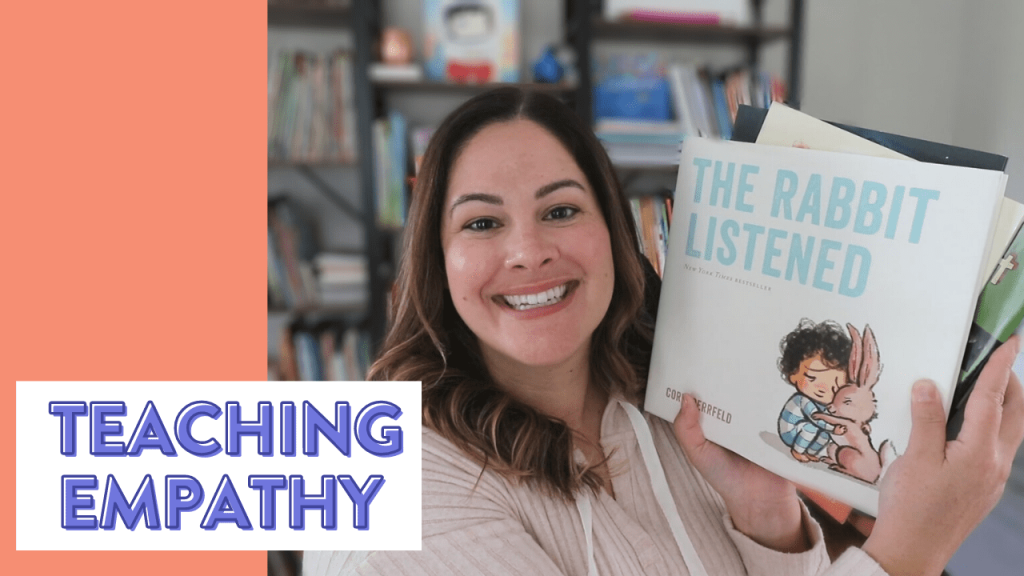
Join us in exploring how these compelling stories can shape our connections and enhance our understanding of each other, allowing literature to act as a guiding force in our emotional education journey.
DISCOVER MORE: Click here to learn how musical improvisations can enhance your personal growth
Literature as a Catalyst for Understanding
The journey through literature serves as an enlightening roadmap for emotional education, particularly in its ability to teach empathy. When we immerse ourselves in the world of books, we enter a rich landscape of emotions and ethical dilemmas that challenge our preconceived notions about others. This literary exploration not only enriches our understanding but also enhances our emotional intelligence, a critical skill in navigating the complexities of human relationships.
To grasp the profound role of literature in molding empathetic citizens, we can examine its impact through several key dimensions:
- Character Development – Readers often identify deeply with characters and their journeys. For instance, in J.K. Rowling’s “Harry Potter” series, we witness Harry’s struggles with loss, belonging, and the moral questions surrounding good and evil. Such character-driven narratives invite readers to reflect on their own lives and the experiences of others, fostering a culture of understanding.
- Socio-emotional landscapes – Literature introduces readers to characters with diverse socio-economic backgrounds and emotional challenges. In “The Absolutely True Diary of a Part-Time Indian” by Sherman Alexie, readers encounter Junior, a Native American teenager who faces issues of identity and belonging, sparking discussions about race, poverty, and perseverance. This exposure is vital for developing a nuanced view of society and its myriad issues.
- Conflict Resolution – Through literature, readers experience conflicts that are not merely physical but also moral and emotional. In works like “To Kill a Mockingbird” by Harper Lee, themes of injustice and moral growth invite readers to confront complex ethical dilemmas, thereby equipping them with the skills to navigate difficult conversations in their own lives.
Studies reveal that literature can significantly boost emotional intelligence, especially among children and adolescents. Engaging with character-driven stories helps young readers build a framework for understanding their own emotions while enhancing their capacity to empathize with others. The American Psychological Association highlights that the ability to engage with narratives leads to a greater understanding of emotional experiences, which can help young people respond more compassionately in real-life situations.
Moreover, educators across the United States are increasingly recognizing the value of literature as a tool for emotional education. Schools are incorporating texts that challenge students to analyze characters’ experiences and moral choices, thereby integrating emotional learning into their curricula. By bringing diverse authors such as Angie Thomas and Jason Reynolds into the classroom, teachers aim to provide students with multifaceted views of the world, enhancing their emotional literacy.
Ultimately, literature holds a unique place in shaping our emotional awareness and empathy. The stories we read serve not merely as means of entertainment but as foundational texts that engage our hearts and minds, paving the way for increased understanding in a complex and often polarized society. As we continue to explore the intricate connection between literature and emotional education, we uncover not just stories worth telling but lessons worth learning.
The Impact of Stories on Emotional Growth
Literature serves as a powerful tool in shaping emotional education, primarily through the stories that reflect the intricacies of human experience. When individuals immerse themselves in narratives, they delve into diverse perspectives, fostering a heightened understanding of empathy. Each character’s journey can resonate with readers, prompting them to confront their own emotions and views on delicate issues like identity, loss, and social justice. Through engaging with literature, readers often find common ground with characters undergoing similar experiences, which cultivates a sense of shared humanity. For instance, a young adult novel that highlights the struggles of a teen dealing with bullying can prompt readers—especially those experiencing similar situations—to reflect on their own reactions and emotions, enhancing their ability to empathize not just with fictional characters but with individuals in real life.Furthermore, storytelling allows for experiential learning, as readers can safely explore and navigate complex emotions without direct personal involvement. This safe distance makes it easier for individuals to grapple with their feelings and develop strategies for understanding others. Stories often mirror society, providing lessons on acceptance, compassion, and cooperation—critical elements in developing emotional intelligence. In schools, literature can pave the way for discussions around emotional literacy, where teachers can facilitate conversations that enable students to express their feelings while also nurturing their ability to listen and respond to others sensitively. In this manner, stories are not merely forms of entertainment; they are educational tools that can lead to profound emotional development.To illustrate, literature festivals that encourage participants to analyze different genres allow attendees to engage deeply with texts, promoting emotional connection. Workshops that focus on themes like resilience, courage, and empathy can draw in diverse groups, presenting literature as a bridge for understanding various human emotions and fostering connections across communities.Thus, literature holds a vital place in emotional education, offering avenues for readers to enhance their empathy through the complex tapestry of characters and narratives.
DIVE DEEPER: Click here to learn more
Stories as Mirrors and Windows
Literature has a transformative quality, acting both as a mirror reflecting our own experiences and as a window into the lives of others. This dual role enhances our emotional education, allowing readers to form connections across different cultures and backgrounds. Through the art of storytelling, literature fosters a sense of shared humanity, inviting readers to step into the shoes of individuals whose lives may differ drastically from their own.
One significant aspect of literature’s role in teaching empathy is its capability to present authentic voices. When authors portray their own cultures, experiences, or struggles, they provide readers with a firsthand look into realities that may be far removed from their everyday lives. For instance, in Khaled Hosseini’s “The Kite Runner,” readers are transported to Afghanistan, grappling with themes of guilt, redemption, and the complexities of friendships amid turmoil. Such narratives not only educate readers about historical and social contexts but also create an emotional landscape where individuals begin to care about issues that they might have previously dismissed.
Furthermore, the genre of young adult literature has gained momentum in this regard. Solutions to challenging real-world issues—such as mental health, bullying, and identity crisis—are presented through relatable characters and gripping narratives. Books such as “Speak” by Laurie Halse Anderson delve into the struggles of survivors of trauma, allowing readers to understand the debilitating weight of silence and the journey toward healing. By engaging with such narratives, young adults not only learn to empathize with others but also gain insights into their own emotional wellbeing.
Another key dimension of literature’s impact is the discussion it generates. When readers engage with challenging texts in a classroom setting, they are often invited to share their reflections and reactions. This dialogue can catalyze a deeper understanding of emotions, both personal and collective. For example, when examining the power dynamics and prejudice presented in “The Hate U Give” by Angie Thomas, students can openly discuss perceptions of race and privilege, leading to more informed and empathetic viewpoints. Such discussions are crucial in a diverse society, as they help dismantle misconceptions and foster unity through shared understanding.
Moreover, research continues to underscore the cognitive and social benefits of engaging with literature. A study published in the journal “Science” suggests that reading fiction not only improves empathy towards the characters but also enhances one’s ability to empathize with real people in their lives. This aligns with findings from the National Endowment for the Arts, which indicates that immersive storytelling can lead to increased compassion and social empathy, particularly in children and adolescents.
The effects of literature on emotional development extend into adulthood as well. Empathetic engagement with texts leads to better interpersonal relationships and conflict resolution skills among adults. Moreover, book clubs and reading groups often create an environment where individuals can discuss intellectual and emotional responses to literature, further cementing the links between reading and emotional education.
In a world where digital communication often overshadows face-to-face interactions, literature remains a vital tool for nurturing empathy. It encourages contemplation, emotional reflection, and an understanding that pushes beyond one’s personal boundaries. By providing characters and scenarios that resonate on multiple levels, literature continues to wield the power to create compassionate individuals—one story at a time.
DISCOVER MORE: Click here for creative ideas
Conclusion: Literature as a Catalyst for Empathy
In an increasingly interconnected yet polarized world, the importance of literature as a conduit for emotional education cannot be overstated. Through its unique ability to foster empathy, literature emerges as a critical tool that transcends geographical and cultural boundaries. Stories that diversity, authenticity, and struggle invite readers not only to witness life through different perspectives but also to internalize the emotions and experiences of others, thus enhancing their emotional intelligence.
As explored, books such as “The Kite Runner” and “The Hate U Give” drive home transformative lessons by rendering personal narratives that elicit reflection and dialogue. Such narratives are particularly valuable in educational settings, where they facilitate discussions that challenge bias and promote understanding. Literature serves as a powerful platform for discussing complex issues like race, identity, and mental health, making it an invaluable asset in classrooms and beyond.
The cognitive benefits of engaging with literature, as demonstrated by ongoing research, suggest that the act of reading fiction not only cultivates empathy towards characters but also enhances our interactions with real people. As we immerse ourselves in the stories of others, we develop skills that enrich our relationships and strengthen the fabric of our communities.
Ultimately, as we continue to navigate the challenges of modern communication and connectivity, literature stands out as a vital resource. It encourages readers to pause, reflect, and comprehend emotions on a deeper level, cultivating a more compassionate society. By embracing the multifaceted role of literature in emotional education, we nurture a culture of empathy, one page at a time.