The role of crafts and DIY (do it yourself) in promoting sustainability and personal creativity
Understanding the Power of Crafts and DIY
In our rapidly evolving society, crafts and DIY projects are more than just hobbies; they have become essential practices that blend creativity with a commitment to sustainability. Individuals are increasingly turning to these hands-on activities as a means to express their individuality while simultaneously addressing environmental concerns. Through the innovative transformation of commonplace materials into artistic creations, DIY enthusiasts are not only breathing new life into what might otherwise be considered waste but are also contributing to a more sustainable future.
One significant aspect of DIY culture is the concept of upcycling. This practice involves taking old or discarded items—such as wooden pallets, glass jars, and even worn-out clothing—and finding new, practical uses for them. For instance, a dilapidated wooden chair can be sanded, painted, and repurposed as a unique garden planter, thereby extending its life and reducing the need for newly manufactured products. This not only lowers waste but encourages a mindset focused on reuse.
In addition to upcycling, many DIY projects often utilize natural materials that are biodegradable or sustainably sourced. Popular options include bamboo for home decor or furniture due to its rapid regrowth and resilience, and recycled paper for arts and crafts projects. This choice of materials decreases reliance on synthetic, environmentally harmful products, marking a significant stride towards eco-friendly living.
Furthermore, engaging in crafts can promote local sourcing of materials. Artisans and crafters are increasingly drawn to local markets to obtain supplies, providing support for small businesses and local economies. For example, communities often host craft fairs where artisans sell handmade goods and materials sourced from local suppliers, fostering a closer-knit community while emphasizing the importance of sustainability.
The Broader Benefits of Engaging in Crafts
Beyond tangible environmental benefits, immersing oneself in craft activities has profound impacts on personal development. The process of creating a project enhances a variety of skills, such as problem-solving and planning abilities. Crafters must often navigate challenges, like figuring out how to execute a particular design or adapt an item to suit their needs. This fosters resilience and encourages innovative thinking.
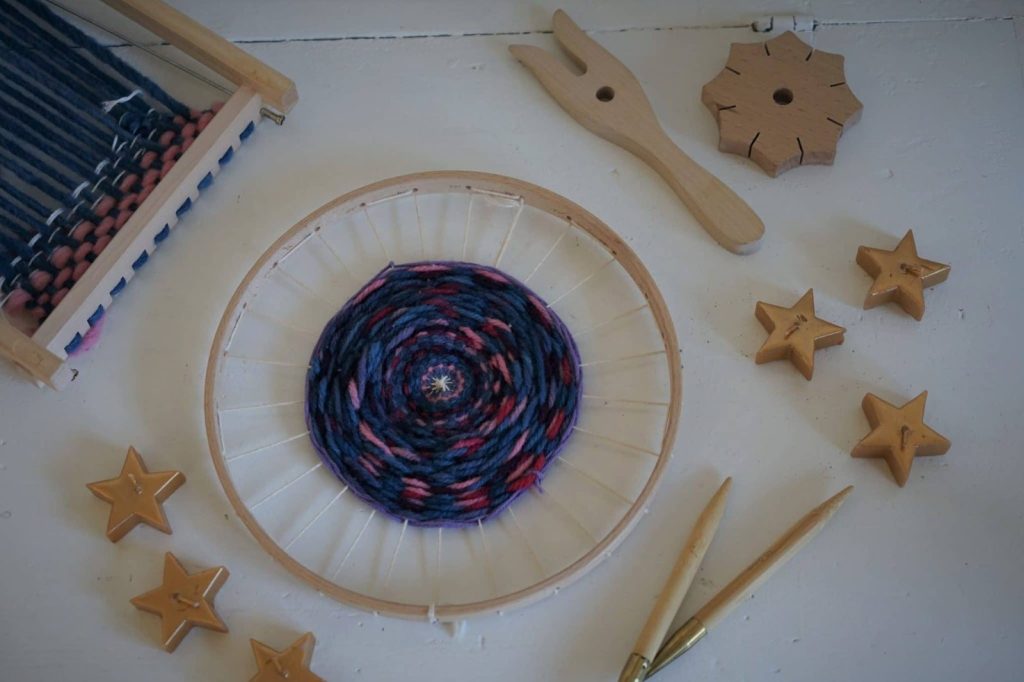
Moreover, crafting facilitates social connections within the community. DIY workshops, and events like craft fairs, unite individuals with shared interests, allowing them to learn from one another and collaborate on projects. These communal experiences enhance social interaction and reduce feelings of isolation, fostering a sense of belonging.
Perhaps most importantly, the act of engaging in crafts encourages mindfulness. Focusing on manual tasks can serve as a powerful antidote to stress, guiding individuals to find joy in their creativity while promoting mental well-being. The repetitiveness of crafting can be meditative, allowing crafters to unwind while they take pride in their handiwork.
Exploring the intricate relationship between crafts, DIY practices, and sustainability reveals a dynamic intersection that honors both personal creativity and collective environmental responsibility. In a world increasingly marked by consumerism, embracing DIY culture emerges as a transformative avenue towards fostering creativity while honoring our planet.
DISCOVER MORE: Click here to dive into the latest trends
The Intersection of Creativity and Sustainability
As the global conversation surrounding sustainability intensifies, the role of crafts and DIY has evolved into a crucial contributor to both environmental stewardship and personal expression. In embracing these creative pursuits, individuals find themselves not only crafting unique pieces but also engaging in a conscious lifestyle that prioritizes reducing waste and fostering community ties. The trend towards DIY practices is more than just a fad; it represents a shift in how we perceive consumption and artistry.
Crafting has undergone a renaissance in recent years, propelled by a growing awareness of the long-term benefits associated with sustainable practices. The DIY movement champions the idea that individuals can make a considerable difference through simple acts of creation, leading to the question: How can our creative hobbies combat environmental challenges? The answer lies in the synergy of two primary concepts: upcycling and material awareness.
The Art of Upcycling
Upcycling stands at the forefront of the DIY movement, highlighting a paradigm shift in how we approach materials. Here are some compelling facets of upcycling that illustrate its significance in promoting sustainability:
- Reducing Waste: By transforming discarded items into useful products, such as turning old t-shirts into tote bags, crafters actively reduce the burden on landfills.
- Encouraging Innovation: The challenge of creating something new and useful from old materials fosters not only creativity but also problem-solving skills. Creators are often surprised by their ability to reinvent the ordinary.
- Resourcefulness: Upcycling cultivates a mindset where individuals recognize the potential of objects around them. This stimulates a culture of sustainability and inspires others to think critically about consumption.
In addition, the DIY movement incorporates material awareness, prompting individuals to reflect on the sources of their supplies. Eco-friendly materials, such as organic cotton, reclaimed wood, and other natural fibers, are increasingly favored over synthetic equivalents. This shift not only heightens the ecological footprint of crafts but also promotes a culture of responsible sourcing that appeals to environmentally conscious consumers.
DIY and Community Engagement
The benefits of engaging in crafts extend beyond personal creativity; they also manifest in enhanced community involvement. DIY workshops are popping up across the United States, encouraging local artisans and hobbyists to connect and share resources. These gatherings offer opportunities to learn unique skills, share project ideas, and foster collaboration. As attendees gather to create, the essence of community is revitalized, resulting in shared knowledge and even friendships.
Furthermore, by sourcing materials from local businesses and engaging in community craft events, DIY enthusiasts contribute to local economies. Communities become more interconnected, as each crafted piece holds the story of its creator and the source of its materials. The values of sustainability and creativity not only empower individuals but also strengthen the very fabric of neighborhoods.
As we explore the nuances of crafting and DIY, it is evident that these practices are intrinsically linked to our collective journey toward a more sustainable and creatively fulfilled society. By embracing these methods, individuals are not just artists in their own right but also champions of environmental consciousness, paving the way for transformative change in how we view consumption and creativity.
Crafts and DIY projects are not merely hobbies; they embody a growing movement that intertwines creativity with sustainability. As more individuals seek to reduce their environmental footprint, the resurgence of crafts allows them to express personal creativity while making conscious choices that benefit the planet. Engaging in DIY projects can significantly reduce waste by repurposing materials that would potentially end up in landfills. This practice not only minimizes environmental impact but also encourages innovative thinking, pushing individuals to stretch their creativity and problem-solving skills.Moreover, the act of creating something from scratch fosters a sense of accomplishment and pride. Whether it’s crafting reusable shopping bags from old fabric or creating home decor from repurposed wood, each project teaches valuable resourcefulness. The relationship between craft and sustainability is steady; every handmade item tells a story, often reflecting a greater understanding of the environmental issues we face today.By embracing DIY culture, people can nurture their unique creative voices while actively participating in the sustainability movement. In this context, community workshops and online platforms play a pivotal role as they provide support and share knowledge, allowing individuals to learn new skills while engaging in eco-friendly practices. Such initiatives not only increase awareness of sustainable methods but also create a social environment where individuals motivate and inspire each other.As more people adopt crafts and DIY as a lifestyle, they discover that their creativity is not just about aesthetic beauty but also about making meaningful choices for the environment. This blend of art and consciousness is essential for promoting sustainability as we move toward a more eco-friendly future, redefining how we perceive consumption and creativity in everyday life.
DISCOVER MORE: Click here to dive deeper
Empowerment Through Skills and Knowledge
One of the most profound impacts of the crafts and DIY movement is its potential to empower individuals with valuable skills and knowledge. As people immerse themselves in creative projects, they acquire techniques that promote self-sufficiency and sustainable living. Skills such as sewing, woodworking, and even basic home repairs not only reduce the dependency on mass-produced goods but also bolster a sense of achievement and pride in one’s handiwork.
Consider the growing popularity of sewing and mending workshops. These classes teach individuals how to repair clothing instead of discarding it, aligning perfectly with sustainability goals. According to a study from the Ellen MacArthur Foundation, if every person in the U.S. mended just one piece of clothing per year instead of buying new, it could eliminate over 1 billion garments annually from landfills. This statistic highlights the significant impact that simple DIY skills can have on waste reduction.
The Connection Between DIY and Sustainable Fashion
The fashion industry has historically faced criticism for its environmental footprint, with the rise of ‘fast fashion’ leading to significant resource depletion and pollution. However, the emergence of the DIY fashion movement offers a refreshing alternative. Individuals are increasingly creating their own wardrobe pieces from thrifted or upcycled materials. Not only does this promote a unique personal style, but it also champions sustainable practices by minimizing the demand for new clothing production.
- Personalization: DIY fashion allows for a level of customization rarely found in store-bought clothing, providing creators the ability to express their identity while reducing their environmental impact.
- Educational Exchange: Platforms like social media have enabled artisans to share tutorials and tips, creating a community of learners eager to adopt sustainable practices.
- Resisting Consumerism: Engaging with DIY fashion cultivates mindfulness about consumption, with individuals reconsidering their purchasing habits and choosing quality over quantity.
The Digital Age and Crafting Communities
In today’s interconnected world, the rise of online platforms has facilitated a broader reach for the DIY movement. Websites like Etsy and Pinterest inspire millions with ideas that promote sustainability while allowing creators to sell their hand-crafted items. These platforms have not only encouraged the sharing of sustainable practices but have also created an economic opportunity for artisans, thus blending creativity with entrepreneurship.
Moreover, as more people engage in crafting and DIY projects, communities are forming that prioritize sustainability. Local makerspaces and craft clubs have sprung up across various cities in the U.S., fostering collaborations among individuals who share interests in sustainable practices. These spaces often provide resources such as tools, materials, and learning opportunities, transforming the way local communities engage with sustainability.
According to recent surveys, approximately 53% of Americans engaged in some form of crafting or DIY project in the past year, a testament to the movement’s robust popularity. This engagement not only enhances personal creativity but also promotes a collective ethos of sustainability that can lead to lasting change on a broader scale.
As the crafting and DIY landscape expands, the potential for positive environmental impact becomes more evident. Individuals are crafting more than just projects; they are creating a sustainable future through informed choices, communal engagement, and an empowered sense of creativity.
DIVE DEEPER: Click here to discover more about musical diversity
Conclusion: Crafting a Sustainable Future
The crafts and DIY movement stands at a pivotal intersection where personal creativity and sustainability converge. As individuals engage in crafting, whether through sewing, woodworking, or upcycling, they not only enhance their unique styles but also contribute to a more sustainable future. By choosing to create instead of consume, people are actively participating in the reduction of waste and the redefinition of their relationship with material goods.
This transformative empowerment goes beyond the personal realm; it fosters community connections through local makerspaces and online platforms like Etsy and Pinterest, where skills and sustainable practices are shared and celebrated. Increased participation in crafting reflects a growing awareness of environmental issues, with statistics revealing that around 53% of Americans are getting involved in DIY projects, marking a cultural shift towards more mindful consumption habits.
As we move forward, it is essential to recognize that the journey towards sustainability is not solely about the products we make but also the values we impart. From resisting consumerism to promoting educational exchanges, crafts and DIY empower individuals to make informed decisions that resonate deeply with the principles of sustainability. To further explore this engaging intersection of creativity and environmental responsibility, consider immersing yourself in local crafting communities or seeking out DIY workshops to help broaden your understanding and impact.
Ultimately, the crafts and DIY movement is not just a creative outlet; it is a powerful catalyst for driving change, fostering resilience, and cultivating a more sustainable future for generations to come.