The role of collaborative art in local communities and its social impact
Understanding Collaborative Art
The concept of collaborative art transcends mere aesthetics; it embodies a communal spirit that resonates deeply within local contexts. When artists come together with community members, they create not only art but also a shared narrative that reflects diverse experiences and perspectives. This phenomenon unfolds in various ways, fostering connections that are vital for social cohesion.
Consider the impact of community murals. These large-scale artworks serve as colorful canvases telling the stories of neighborhoods. For instance, in Detroit, Michigan, the Detroit Mural Project has transformed derelict walls into brilliant art that celebrates the city’s rich history and diverse cultures. Residents contribute to the design process, ensuring the final artwork resonates personally and collectively, invigorating a sense of pride among locals while deterring vandalism and decay.
Local theater productions exemplify another form of collaborative engagement. Companies such as Chicago’s Teatro Luna actively include community members from various backgrounds in their casts and crew. By doing so, they not only showcase dynamic narratives but also foster inclusivity, providing a platform for underrepresented voices to shine on stage. Theater, in this setting, becomes a tool for dialogue, encouraging conversations around identity, race, and socio-economic issues—all through the powerful lens of performance.
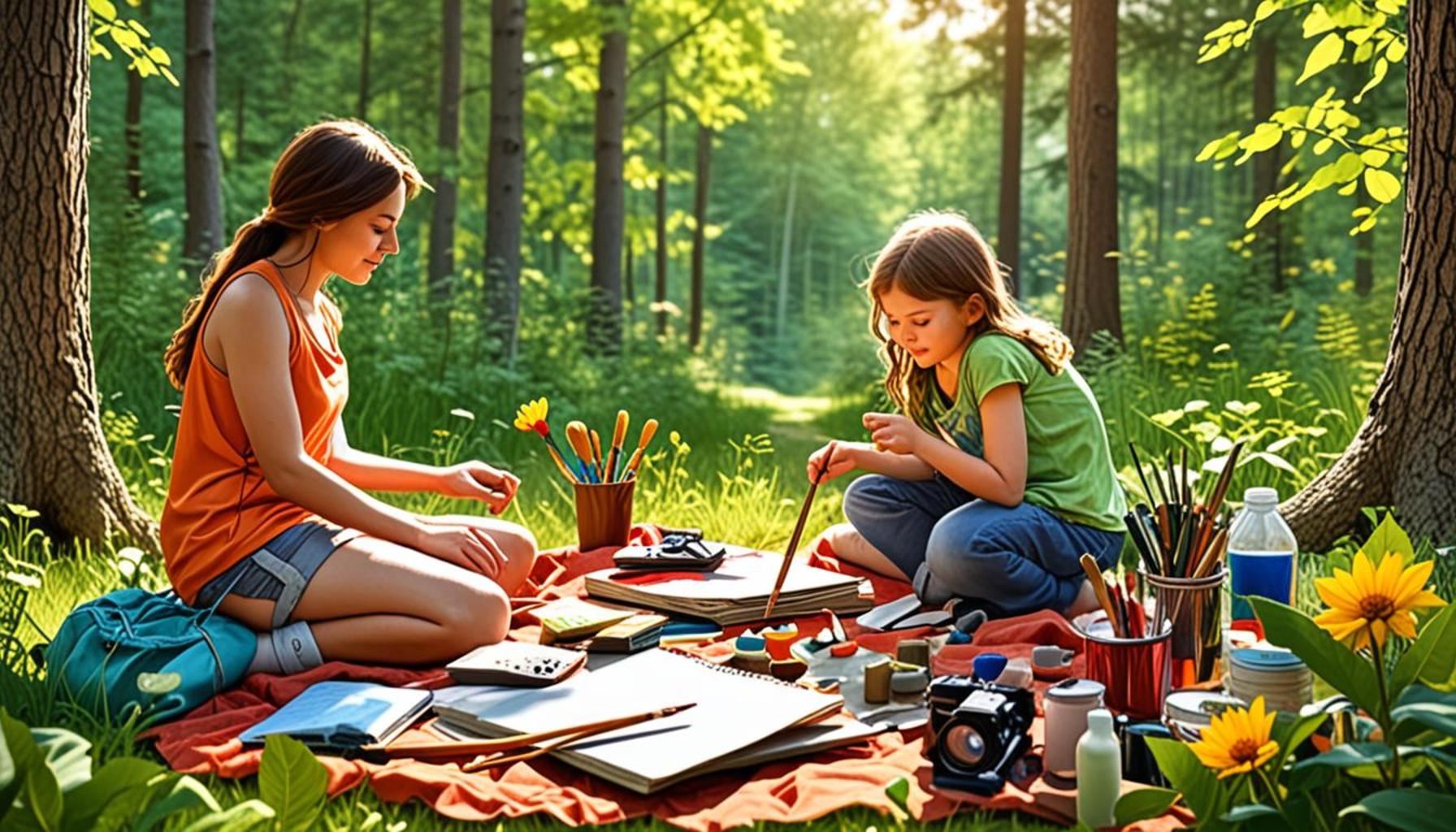
Art workshops are yet another form of collaboration that promotes creative expression. These workshops offer safe spaces where individuals from different walks of life can come together to learn new skills, share their narratives, and foster empathy. For example, the Art for the People initiative in Austin, Texas, invites individuals facing challenges such as homelessness or addiction to participate in art-making sessions. Here, art becomes a means of healing, allowing participants to confront personal struggles while connecting with others facing similar challenges.
The Broader Impact on Communities
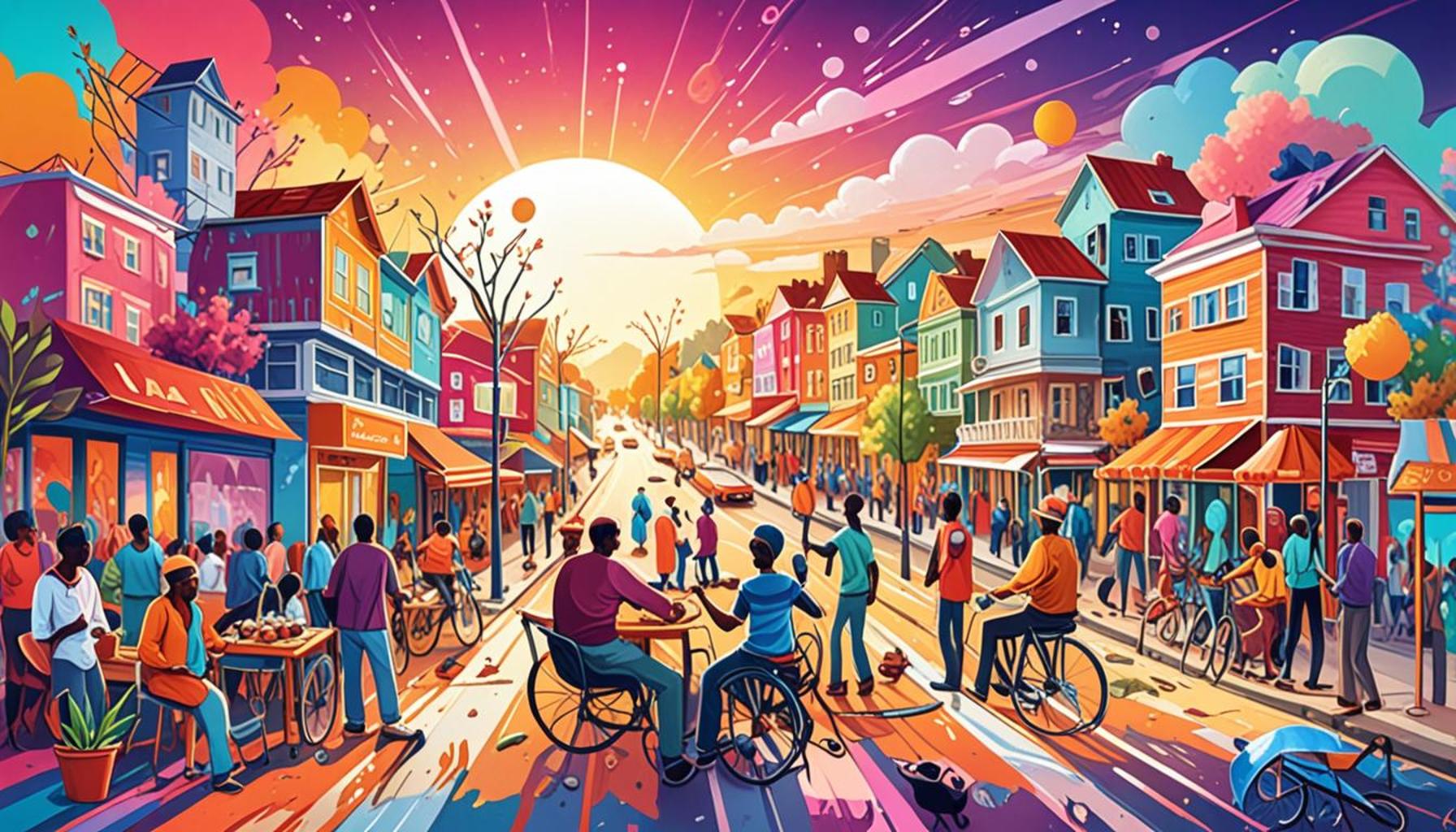
The social impact of collaborative art initiatives cannot be overstated. They often cultivate enhanced social cohesion, where relationships between individuals who may have once felt isolated are nurtured. This sense of belonging is critical, especially in urban areas where diversity can sometimes lead to fragmentation rather than unity.
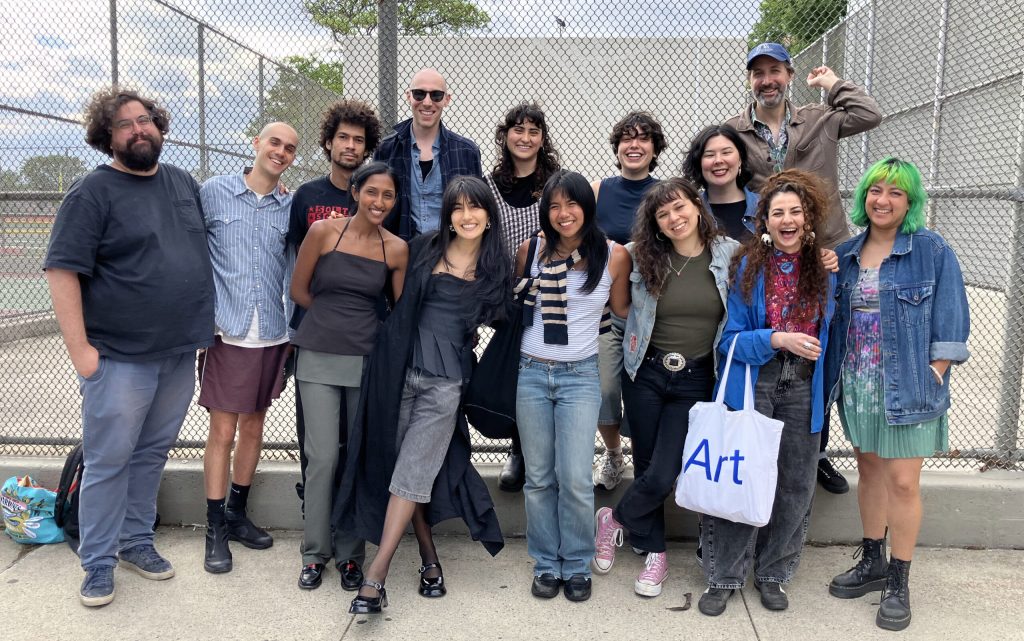
Increased civic engagement is another byproduct of these initiatives. When community members feel included in the artistic process, they are more likely to take part in local decision-making, voice concerns, and advocate for change. For instance, cities with active arts programs frequently report higher participation in town halls and neighborhood meetings, as individuals feel their voices matter and can influence their environment.
Moreover, collaborative art empowers individuals, allowing them to share their stories in creative and transformative ways. The act of artistic expression can challenge social norms, address pressing issues, and promote dialogue around critical topics such as social justice, environmental concerns, and community identity.
As we delve deeper into the realm of collaborative art, it becomes evident that it is more than just a conduit for creativity—it is a catalyst for change, fostering unity, and inspiring collective action within communities across the United States.
DIVE DEEPER: Click here to discover the significance of creative writing
Fostering Connections through Collaborative Art
At its core, collaborative art acts as a bridge that connects individuals and communities, weaving together diverse stories into a rich tapestry of shared experiences. This art form encourages participation from a broad spectrum of community members, fostering a sense of ownership and agency. By giving individuals the opportunity to contribute creatively, collaborative art diminishes socio-economic barriers and cultivates a more inclusive environment where every voice is valued.
A prime example of this dynamic is seen in the community garden art projects emerging across urban spaces in the United States. These initiatives not only beautify the environment but also serve as a platform to engage community members in gardening and artistic expression. The LA-based La Loma Eastside Community Garden integrates art installations created by local artists and residents, helping to transform vacant lots into thriving spaces of creativity and unification. Participants collaborate in painting murals and creating sculptures that reflect their community’s identity, contributing to both personal enrichment and collective progress.
Additionally, collaborative art often takes the form of public performances that invite spontaneous participation. Events such as Flash Mobs or community theater festivals serve as vibrant expressions of local culture. In cities like New Orleans, these performances celebrate the region’s unique heritage while allowing individuals to engage with art in an impactful and personal way. Notably, organizations like The New Orleans Poetry Festival welcome poets from all walks of life to share their work, thereby fostering a spirit of collaboration and cultural appreciation while addressing poignant issues relevant to the community.
Moreover, many art collectives across the country are dedicated to inspiring social change through collaborative endeavors. For instance, the Chicago Artists Coalition focuses on uniting artists to innovate solutions for community challenges. This coalition empowers artists to engage in crucial conversations surrounding topics such as housing, education, and economic equality. By collaborating with grassroots organizations, these artists expand their impact beyond artistic bounds, often becoming integral voices in the community’s activism.
As collaborative art initiatives continue to proliferate, they consistently highlight several key benefits within communities:
- Enhanced Interpersonal Relationships: Collaborative art fosters strong bonds among participants, leading to improved relationships and greater trust within communities.
- Increased Awareness: Through artistic expression, important social issues are illuminated, prompting discussions that might otherwise go unaddressed.
- Empowerment of Marginalized Voices: By providing a platform for underrepresented communities to share stories, collaborative art empowers individuals to express themselves authentically.
- Revitalization of Spaces: The transformation of public spaces through art can lead to renewed community engagement and interest.
In this way, collaborative art becomes much more than a mere artistic pursuit—it evolves into a vital mechanism for social impact, reinforcing the importance of community in shaping identity and fostering change.
Collaborative art serves as a vital tool for building connections within local communities, creating spaces where individuals can come together to express their thoughts, feelings, and ideas. This artistic engagement not only fosters a sense of belonging but also stimulates positive change within neighborhoods. As community members collaborate on art projects, they share their diverse cultural backgrounds, experiences, and perspectives, ultimately enriching the community’s cultural fabric. The inclusivity offered by collaborative art initiatives can lead to increased social cohesion. When individuals from varied demographics come together to create, they break down barriers and cultivate understanding, empathy, and respect. For instance, community murals or public installations often invite participation from residents of all ages and backgrounds, making art accessible to everyone. Such initiatives empower local artists and provide a platform for underrepresented voices, declaring the community’s unique identity and shared values.Moreover, the social impact of collaborative art extends beyond mere aesthetics. Engaging in collective creativity can offer therapeutic benefits, providing participants with emotional relief and a constructive outlet for their feelings. This communal expression can be particularly effective in addressing social issues such as poverty, violence, and discrimination, allowing communities to confront and discuss challenges in a supportive environment.Additionally, successful collaborative art projects often serve as catalysts for further community activities and initiatives, attracting local businesses, government support, and funding for future endeavors. By showcasing the potential of collaborative art, communities are more likely to receive recognition, resources, and partnerships that enhance their social and cultural landscape.Ultimately, the role of collaborative art in local communities cannot be overstated. It generates a ripple effect, promoting not only artistic innovation but also social change, community resilience, and a shared sense of purpose. As awareness of its benefits spreads, more communities are likely to embrace collaborative art as a means to foster connectivity, dialogue, and transformation.
DIVE DEEPER: Click here to discover the role of creative writing in emotional well-being
Transforming Local Culture through Collective Creativity
Beyond the artistic expression, collaborative art initiatives serve as incubators of local culture, enriching communities and asserting their unique identities. By merging individual talents and perspectives, these projects give rise to cultural dialogues that reflect the community’s diverse voices. For instance, cities such as San Francisco have implemented collaborative art programs focused on cultural preservation, encouraging local artists to engage the community in murals and installations that celebrate the rich history of the area. This not only provides an avenue for expression but also helps to strengthen communal ties as residents reconnect with their heritage.
One exemplary case is the Mission Mural Project in San Francisco, which highlights the power of artistic collaboration in preserving the neighborhood’s Latino history. This initiative invites local artists and residents to co-create public murals that depict significant cultural narratives while fostering intergenerational interactions. As participants collaborate, they learn from one another—sharing stories that weave a strong thread of community unity. Such projects contribute to a collective identity that offers residents a sense of belonging, ultimately shaping a vibrant local culture that resonates with both newcomers and long-time residents alike.
Moreover, collaborative art acts as a catalyst for local economic development. By engaging community members and utilizing local resources, these initiatives can rejuvenate neglected areas, thus attracting tourism and stimulating small businesses. In places like Detroit, collaborative art projects have sparked community revitalization efforts in neighborhoods once left behind by economic decline. Through collaborative installations, performances, and events, artists not only beautify their communities but also help draw visitors and engage local businesses. This revitalization can lead to increased foot traffic and, in turn, create job opportunities, establishing a sustainable economic framework driven by artistic collaboration.
Furthermore, the intersection of collaborative art and technology is paving new pathways for community engagement. Digital platforms and social media have broadened the scope of collaboration, allowing artists to connect with audiences beyond geographical boundaries. Community projects can now harness the power of technology to include remote participants, enhancing inclusivity. A notable example is the ArtPlace America initiative, which seeks to fund creative placemaking projects across the nation, utilizing both traditional and digital forms of artistic collaboration to engage communities in unforeseen ways. By leveraging technology, artists can facilitate remote workshops and virtual installations, broadening access to creative expression.
In addition to these innovative dynamics, collaborative art supports mental health and emotional well-being within communities. Participatory art programs have been recognized for their therapeutic benefits, fostering mental resilience by allowing community members to express their thoughts and feelings through creativity. Research shows that engaging in collaborative art can reduce stress, enhance emotional expression, and empower participants to process personal experiences in supportive environments. Organizations like The Wellmade Collective in Philadelphia provide artistic workshops that focus on fostering mental health and well-being through collective artistic expression, transforming vulnerable narratives into powerful forms of community storytelling.
As communities continue to embrace collaborative art, their efforts reflect a growing understanding of art as a tool for social impact—enhancing connection, identity, and economic vitality. Harnessing the potential of collective creativity nurtures an environment where social dynamics can flourish, paving the way for vibrant, thriving local communities.
DIVE DEEPER: Click here to discover how musical diversity can enhance your creativity
Conclusion: The Lasting Impact of Collaborative Art on Communities
In an era where individualism often prevails, collaborative art emerges as a powerful antidote, fostering community cohesion and revitalizing local identities. The transformative potential of collective artistic endeavors extends far beyond mere aesthetics; it serves to forge deep emotional connections among residents while fostering a sense of belonging. Programs like the Mission Mural Project in San Francisco exemplify how art can resonate with cultural narratives, allowing communities to preserve and celebrate their unique histories through shared creative experiences.
Additionally, the economic implications of these initiatives are equally noteworthy. By breathing new life into economically struggling areas, projects centered on collaborative art can stimulate local business growth and invite tourism, as evidenced by revitalization efforts in cities like Detroit. As community members rally around art, they not only beautify their surroundings but also cultivate an ecosystem that thrives on collaboration and innovation.
Moreover, as technology further intersects with collaborative art, the reach and impact of these initiatives will only expand, breaking down geographical barriers and enhancing inclusivity. The potential for remote engagement through digital platforms opens avenues for participation that were previously unimaginable, ensuring that diverse voices are included in the artistic dialogue.
Lastly, the therapeutic benefits of collaborative art can significantly enhance mental well-being, supporting community members in expressing their experiences in a safe, supportive environment. The understanding of art as a vital tool for social impact continues to grow, revealing its capacity to enrich lives and strengthen communal bonds. As we look to the future, fostering collaborative art initiatives within local communities will not only amplify their unique voices but will also pave the way for a more harmonious and connected society.