The role of art in building personal identity: expressing who we are through creative hobbies

Understanding the Influence of Art on Identity
Throughout history, art has served as a crucial means of self-expression, allowing individuals to communicate feelings, thoughts, and experiences. Every stroke of a brush, every note played, and every word written is a testament to our unique identities. The exploration of creative hobbies provides a powerful avenue for understanding and shaping who we are. Whether through visual mediums or narrative forms, creativity reflects and shapes our inner landscape, leading to profound personal insights.
The Role of Visual Arts
Visual arts—such as painting, photography, and sculpture—have a distinctive ability to evoke emotions that resonate with our inner selves. For instance, consider the mentally stimulating works of artists like Frida Kahlo, whose vibrant colors and symbolic imagery provide insight into her tumultuous emotional experiences and Mexican heritage. Photography, too, captures moments that can convey deeply visceral feelings; documentary photographers often bring light to social issues, allowing viewers to reflect on their values and beliefs. The act of creating visual art thus becomes not only a form of aesthetic pleasure but also a significant pathway for introspection and emotional release.
Performing Arts and Their Impact
The performing arts encompass dance and theater, providing unique platforms for expressing and embodying the stories of our lives. For example, personal narratives can be transformed into powerful performances that speak to universal human experiences. Community theater groups across the United States have utilized this form to foster understanding and dialogue on pressing societal issues, from race relations to mental health. Through the physicality of performance, artists can explore their identities in ways that resonate with audiences, creating moments of empathy and connection. Dance, especially, allows individuals to express emotions that might be difficult to articulate through words, engaging the body as an expressive medium.
The Power of Literature
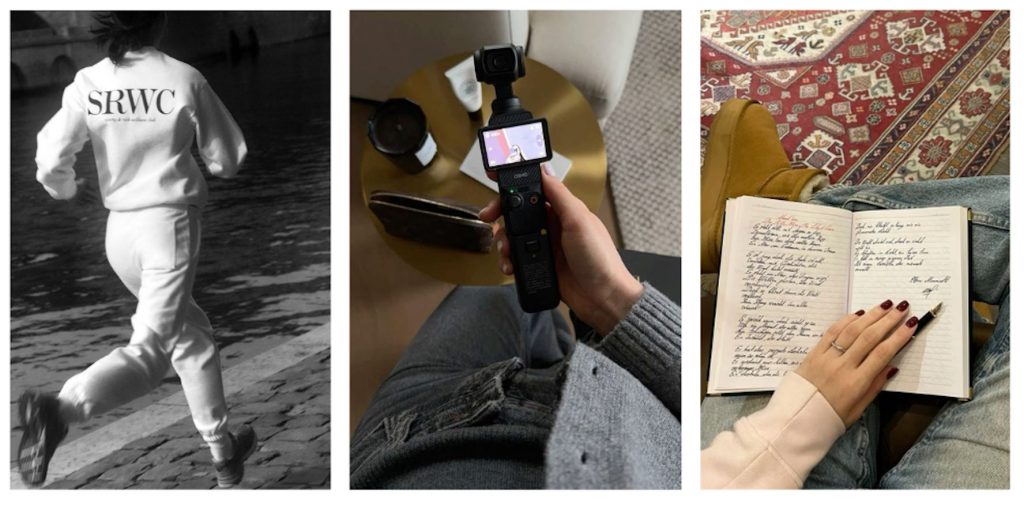
Literature, whether through poetry, storytelling, or journaling, empowers individuals to articulate complex thoughts and emotions. Many writers use their craft as a means of reflecting on their lived experiences. For instance, the works of American authors like Maya Angelou and Langston Hughes illustrate the profound ways in which literature can echo personal and collective identities. Journaling, often seen as a private endeavor, provides a space for self-reflection that can enhance mental well-being. The therapeutic effects of writing, particularly expressive writing, are well-documented; studies have shown it can significantly reduce stress and foster a greater understanding of one’s self.
These creative outlets not only foster individuality but also enable connection with others. People often find a sense of belonging in communities centered around shared artistic interests. Local arts centers and online platforms facilitate interactions between creators and enthusiasts, allowing individuals to share their work and collaborate. Moreover, engaging in creative activities encourages personal growth, enhancing mental well-being, and making creativity a vital component of a fulfilling life.
As we delve deeper into the significance of art in shaping personal identity, we uncover how creative hobbies allow us to express our true selves and explore the rich tapestry of our experiences. The impact of art on identity is multifaceted, serving as both an individual pursuit and a collective endeavor, one that enriches not only the creator but also the audience. In an increasingly complex world, the role of art as a reflection of self fosters deeper understanding and connection among people from diverse backgrounds.
DISCOVER MORE: Click here to dive deeper
Expressions of Identity through Creative Hobbies
Artistic expression is a vital aspect of human experience, deeply intertwined with our understanding of personal identity. Engaging in creative hobbies not only allows individuals to showcase their uniqueness but also provides a rich medium through which to explore and construct their identities. From pottery to digital art, the forms may differ, yet the underlying impact remains consistent: art has the power to reflect our innermost selves.
Exploring Unique Perspectives
Art acts as a mirror, reflecting not just who we are, but how we perceive the world around us. Each creation, whether it be a painting, a song, or a piece of writing, encapsulates the artist’s experiences, culture, and feelings. For example, local art programs in urban centers across the United States often encourage participants to express their cultural backgrounds and personal narratives through their work. This exploration can lead to a broader understanding of individual differences while fostering appreciation for diversity.
- Painting and Sculpture: These traditional forms of visual art allow for tactile engagement with materials that can evoke deep connections to memories and emotions.
- Photography: Capturing moments through a camera lens not only portrays visual stories but also reveals the photographer’s perspective on life.
- Digital Art: This modern medium expands the boundaries of creativity, enabling individuals to merge technology with personal expression.
Through these mediums, individuals often grapple with questions of identity, purpose, and belonging. The process of creating art can serve as a form of therapy, leading to increased self-awareness and emotional clarity. Additionally, this journey of discovery helps individuals articulate what makes them unique, whether that be cultural heritage, personal struggles, or aspirations for the future.
The Therapeutic Retreat of Creative Expression
The therapeutic benefits of engaging in creative hobbies cannot be overstated. Studies show that involvement in the arts can reduce anxiety, improve self-esteem, and promote overall mental well-being. For instance, many educators have found that incorporating art into learning environments encourages greater emotional expression in students. Workshops focusing on creative writing, painting, or music composition allow participants to explore their thoughts and feelings in a safe environment, ultimately leading to personal growth.
Moreover, engaging in art provides a sense of accomplishment and fulfillment, reinforcing one’s identity as a creator. This identity may not only enhance self-confidence but also inspire individuals to pursue further artistic endeavors, creating a positive feedback loop that strengthens their connection to creativity.
As individuals navigate the complexities of contemporary life—marked by rapid change and external pressures—they often turn to art as a reliable grounding force. In this way, creative hobbies serve as essential tools for building personal identity, helping individuals articulate their stories and experiences in unique and meaningful ways.
The role of art in shaping identity is profound, revealing layers of self that might remain hidden without the presence of creative exploration. This journey of discovery through artistic expression promotes both individuality and connection, proving that who we are is intricately linked to the ways we choose to express ourselves.
The Role of Art in Building Personal Identity
Art serves as a profound medium for individuals to explore and express their identities. Whether through painting, music, or dance, creative hobbies allow people to delve into their emotions and showcase their unique perspectives. Engaging in artistic activities often fosters a sense of belonging and helps individuals connect with like-minded communities who share similar passions.Moreover, engaging in creative endeavors empowers individuals to communicate their thoughts and feelings in ways that words sometimes fail to capture. For many, art becomes a safe haven—a place where they can reveal their vulnerabilities without fear of judgment. This reflection can lead to an enhanced understanding of oneself and, in turn, strengthen personal identity.Personal narratives conveyed through creativity often resonate with others, allowing individuals to forge powerful connections through shared experiences. For instance, a sculptor might represent their personal growth and struggles through their artwork, providing insights to others who may have faced similar challenges. In this way, creativity not only enhances personal identity but also fosters a collective consciousness, building bridges between diverse cultures and experiences.Creative hobbies also serve as therapeutic outlets that help individuals navigate the complexities of identity formation. The act of creating can lead to moments of clarity, self-discovery, and healing. As individuals engage with artistic processes, they often find themselves reflecting on their history, culture, and values, which are crucial elements in the construction of personal identity.Through the exploration of various art forms, people can reclaim narratives and express aspects of their identities that might be marginalized by society. This reclamation is vital in addressing issues of representation and empowerment, encouraging individuals to take pride in their heritage and share their stories boldly.Ultimately, the relationship between art and personal identity is complex and expansive. By embracing creative hobbies, individuals can not only express themselves more authentically but also contribute to a richer tapestry of cultural dialogue and understanding. Each brush stroke, note, or dance move speaks volumes—revealing who we truly are and inviting others to join in the conversation.
| Advantages | Impact on Identity |
|---|---|
| Self-Expression | Artistic pursuits help individuals articulate their thoughts and feelings creatively. |
| Sense of Community | Engaging in art promotes connections with others who share similar passions, fostering belonging. |
| Therapeutic Benefits | Creative hobbies often serve as a form of release and healing during life’s challenging moments. |
| Cultural Reclamation | Art allows individuals to explore and celebrate their heritage, contributing to personal and collective narratives. |
DISCOVER MORE: Click here to delve into the world of musical diversity
The Community and Connection Through Art
Engaging in artistic pursuits not only fosters individual growth but also creates avenues for community interaction and connection. This relationship between art and community becomes apparent through collaborative projects and local art initiatives, allowing individuals to showcase personal narratives while simultaneously uniting people from diverse backgrounds. Examples of this are evident across various neighborhoods in the United States, where community murals, art festivals, and performance spaces serve as platforms for shared experiences and collective identity-building.
The Power of Collaboration
Participating in collaborative artistic efforts can significantly enrich one’s sense of identity. When artists join forces, whether in creating a mural or a community theater production, they blend their varying perspectives and experiences resulting in a collective piece that speaks volumes about shared identity. For instance, programs in cities like New Orleans and Chicago focus on integrating local stories into public art projects, allowing residents to feel a sense of ownership and pride in their communities while simultaneously reflecting their individual stories through wider lenses.
This interaction between the individual and the community is vital, as it demonstrates how personal identities can contribute to larger cultural narratives. Artists often find empowerment in expressing their personal experiences while contributing to societal conversations around race, gender, and socio-economic status. This collaboration encourages dialogue and understanding, promoting cultural appreciation and dismantling barriers that may divide communities.
The Impact of Digital Communities
In today’s digital age, social media platforms and online art communities have revolutionized the way individuals share their work. This shift has broadened the potential for discovering one’s identity through the lens of a global audience, creating opportunities for validation and inspiration. Artists can share their unique perspectives instantaneously, connecting with like-minded individuals across the globe.
For example, platforms such as Instagram and TikTok enable emerging artists to showcase their work and receive feedback in real time, often leading to a sense of validation and encouragement to pursue artistic endeavors. Through hashtags related to specific art forms or topics, individuals can find communities that resonate with their interests, further enhancing their exploration of self. This interconnectedness allows for a tapestry of identities to emerge, where personal expression and shared experiences intertwine.
The Role of Art in Social Movements
Art has often played a very prominent role in social movements while allowing for individual identities to merge with collective causes. Throughout history, art has been instrumental in rallying support for change and igniting a dialogue regarding social issues. In the United States, movements like Black Lives Matter have utilized various forms of artistic expression to communicate their messages, giving voice to personal and communal narratives alike.
Artwork, be it sculptures, paintings, or music, often extends beyond personal expression; it becomes a powerful tool for advocacy. The camaraderie formed through shared artistic endeavors can cultivate a supportive environment, enabling individuals to feel empowered by the collective experience. In this sense, the advocacy of personal identities becomes a shared journey, leading to greater societal awareness and exchange.
As individuals embrace art as both a personal exploration and a collective experience, the journey of building identity through creative hobbies becomes enriched by connection. This duality in artistic expression not only nurtures self-awareness but also elevates the community spirit, reinforcing the notion that our identities are as much about our personal stories as they are about the stories we share with others.
EXPLORE MORE: Click here to discover the significance of musical diversity</p
Conclusion: Art as the Mirror of Identity
In summary, the role of art in building personal identity is profound and multifaceted. Creative hobbies not only serve as a means of self-expression but also provide a framework through which individuals can explore and articulate their identities. Whether through painting, writing, or performance, art allows us to delve into our innermost thoughts and feelings, offering a voice to the experiences that shape who we are.
The collaboration fostered by community art initiatives highlights how personal narratives can intertwine, creating a vibrant tapestry of shared identity. This communal aspect not only cultivates a sense of belonging but also elevates individual stories, contributing to larger cultural dialogues that tackle pressing social issues. As we witness, movements like the Black Lives Matter campaign demonstrate the impactful nature of art in advocating for change, connecting personal identity with a greater social cause.
Moreover, the advent of digital platforms has expanded the reach and impact of artistic expression, granting individuals access to global communities that inspire and validate their identities. The immediacy of feedback in online artistic spaces reaffirms that the journey of self-discovery is not solitary; rather, it becomes a shared experience enriched by diverse perspectives.
As we embrace art’s capacity to reflect and shape our identities, it is essential to recognize how these creative endeavors serve as powerful tools for both individual growth and communal engagement. Ultimately, art fosters connections that remind us that while our personal stories are unique, they are intrinsically linked to collective experiences—an evolution of identity shaped by the convergence of self and society.