The relationship between art and nature: how outdoor artistic hobbies can inspire creativity and environmental awareness
Unleashing Creativity through Nature
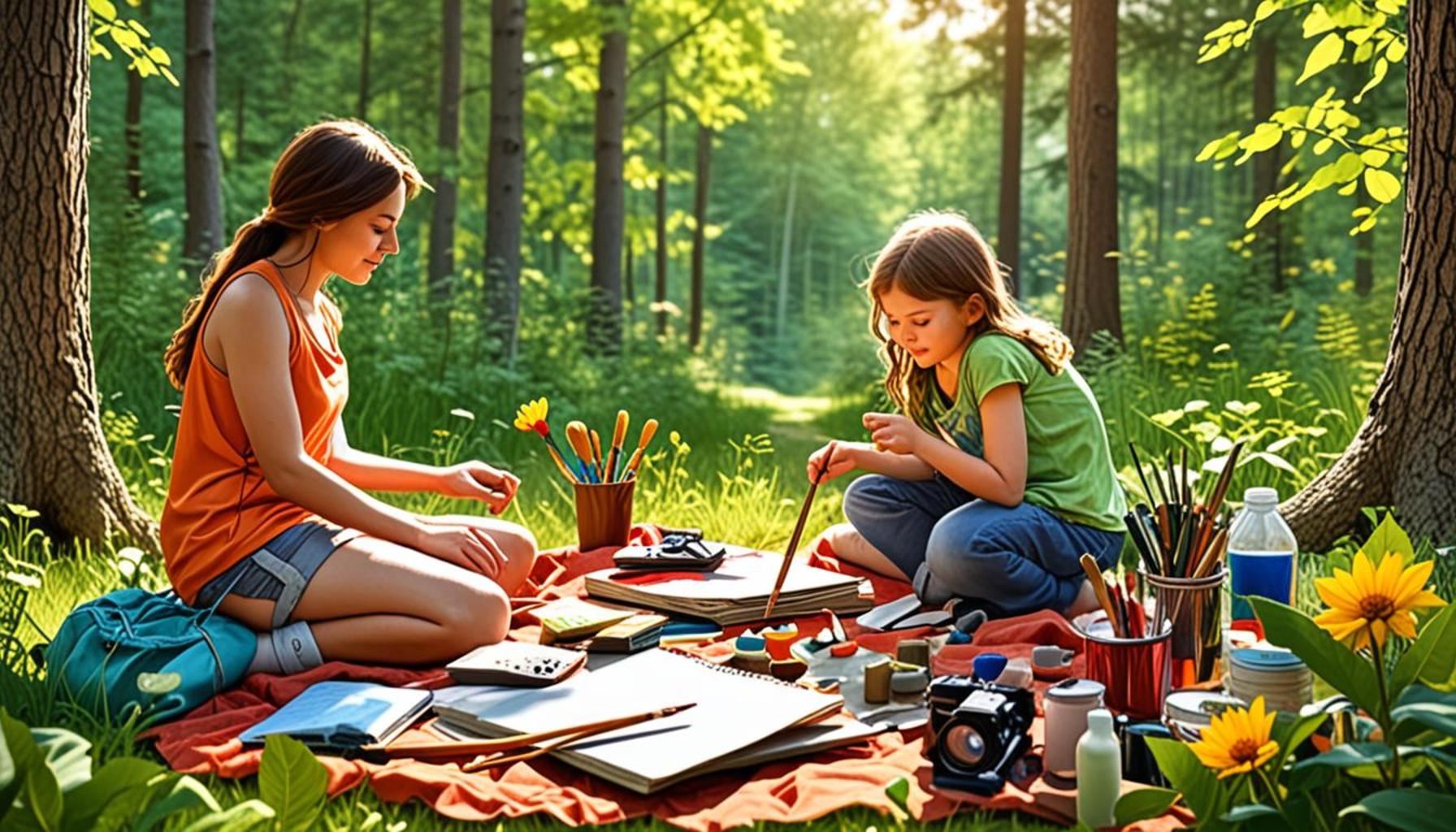
As humans, we often find ourselves captivated by the intricate patterns and vivid colors inherent in the natural world. The splendor of landscapes, the delicate intricacies of plant life, and the mesmerizing movements of wildlife serve as powerful catalysts for artistic inspiration. Whether one is painting a sunset, photographing a wildflower, or crafting sculptures from natural materials, the engagement with nature fosters a deep wellspring of creativity that can profoundly influence an artist’s work.
Key Benefits of Outdoor Artistic Activities
- Enhanced Creativity: Immersed in nature, artists have the unique opportunity to break free from conventional constraints and fearlessly experiment with their craft. For example, the vibrant colors of autumn leaves can inspire a painter to use a palette that emulates the fiery hues of the season, while the rustling of leaves can lead to innovative rhythmic compositions in music. Unlike the steady glare of fluorescent lights in traditional studios, the dynamic elements found in nature—such as shifting clouds or the interaction of light and shadow—stimulate spontaneity and ignite innovative ideas.
- Environmental Awareness: The act of creating art outdoors often heightens one’s sensitivity to environmental changes. For instance, a photographer capturing images of a frayed coastline may become acutely aware of the impact of rising sea levels. This heightened awareness can translate into advocacy, with artists using their platforms to educate others about pressing environmental issues. Many artists, such as Zaria Forman, have garnered attention for their stunning depictions of glacial landscapes, drawing a direct connection between their artistry and the urgency of climate action.
- Community Connection: Engaging in outdoor art forms often leads to collaborative experiences that strengthen community ties. Local art collectives or community painting events not only create opportunities for artists to share their perspectives but also promote a collective commitment to environmental stewardship. For example, organizations like 1% for the Planet unite artists and environmentalists, encouraging them to work together on projects that foster both artistic expression and ecological resilience.
Given the escalating environmental challenges facing our planet, the intersection of art and nature has become increasingly significant. Artistic endeavors—such as plein air painting, nature photography, and eco-friendly sculpture—empower individuals to observe and document the captivating beauty just outside their doors. As artists channel their creativity into environmentally conscious works, they not only nurture personal growth but also galvanize broader societal change. This budding relationship signifies that creativity is not just an outlet; it is also a powerful vehicle for advocacy and awareness. Artists, by intertwining their love for nature with their creative expression, can serve as beacons of inspiration, inviting audiences to reconsider their roles within the environmental narrative.
DISCOVER MORE: Click here to dive into various artistic expressions
Artistic Exploration in Natural Settings
Outdoor artistic hobbies serve as a remarkable intersection where creativity flourishes in harmony with the environment. By immersing themselves in nature, artists not only enhance their creative instincts but also cultivate a deeper appreciation for the world around them. Activities such as plein air painting, landscape photography, and even nature journaling present unique opportunities for artists to draw inspiration from their surroundings while acknowledging the delicate intricacies of nature.
Plein Air Painting: Capturing the Moment
Plein air painting, or the practice of painting outdoors, allows artists to interpret the ever-changing light, colors, and textures of nature in real-time. Unlike working in a studio, where an artist grapples with fixed lighting and an artificial setting, outdoor painting encourages spontaneity and direct interaction with the subject matter. Encounters with the elements—be it a gentle breeze, a sudden rainfall, or the warming glow of sunlight—trigger responses that often manifest in a more vibrant and dynamic execution of art. This intimate engagement not only results in captivating works of art but also fosters a profound connection to the environment, as artists become acutely aware of natural shifts and seasonal changes.
The Role of Nature Photography
Nature photography has emerged as another compelling medium through which artists can explore their relationship with the environment. Photographers, like Ansel Adams, have historically used their lenses to capture breathtaking landscapes, not merely as a documentation of beauty but as an urgent call to preserve these environments. Today, contemporary photographers are harnessing the power of social media platforms to showcase their work and raise awareness about environmental preservation. By highlighting the beauty of fragile ecosystems or the stark realities of environmental degradation, photographers create visual narratives that inspire viewers to advocate for change.
Journaling the Journey
Nature journaling combines both artistic expression and reflective writing, allowing participants to document their observations and experiences in outdoor settings. This practice promotes mindfulness as individuals sketch flora and fauna, jot down thoughts, or even compose poetry inspired by their surroundings. The tactile feedback of pen and paper, coupled with the sounds and scents of nature, creates a sensory-rich experience that enhances one’s observational skills. Research indicates that engaging in art-based activities, such as nature journaling, can not only boost creativity but also encourage a deeper emotional connection to the environment, leading to heightened environmental consciousness.
Through these artistic practices, individuals can enrich their understanding of nature, develop a sense of responsibility towards it, and promote sustainable behaviors. Art and nature are intertwined in a dance that highlights the beauty of our planet while emphasizing the urgency of its preservation. As artists harness their mediums to reflect on the natural world, they become ambassadors for environmental awareness, inviting audiences to see nature not just as a backdrop for creativity but as a vital and cherished element of existence.
The Role of Outdoor Artistic Hobbies in Creativity
Engaging in outdoor artistic hobbies, such as painting landscapes or crafting nature-inspired sculptures, fosters a unique connection between individuals and their environments. When artists immerse themselves in natural surroundings, they gain fresh perspectives that ignite their creativity. For instance, the changing colors of a sunset can inspire a new palette, while the textures of tree bark might lead to innovative sculptural techniques. This direct interaction with nature not only enhances artistic expression but also deepens environmental appreciation.Moreover, studies indicate that being in nature can significantly reduce stress and anxiety levels, thereby creating a positive mental state that is conducive to creativity. The calming effects of green spaces can lead to more abstract thinking, allowing artists to break away from traditional methods and explore new forms of art.
The Influence of Environmental Awareness
Outdoor artistic practices also play a pivotal role in promoting environmental awareness. Artists often draw inspiration from their surroundings, which can lead to an increased interest in conservation. For example, through eco-art projects that incorporate recycled materials, artists raise awareness about pollution and waste. They create visually compelling pieces that invite viewers to rethink their relationship with the environment.Additionally, collaborative projects such as community murals or public installations encourage dialogue around local ecological issues. When artists engage with communities to address environmental challenges creatively, they not only beautify spaces but also foster a collective sense of responsibility towards the natural world.By combining art with environmental advocacy, outdoor artistic hobbies become powerful tools for both individual expression and collective action, inspiring creativity while ensuring a more sustainable future.
DISCOVER MORE: Click here to dive into various artistic expressions
Transformative Experiences: Nature as a Muse
The interplay between art and nature extends beyond the creation of beautiful works; it offers transformative experiences that have the potential to shift perceptions and inspire action. Engaging with the outdoors through artistic hobbies equips individuals with fresh perspectives on not only their creative capabilities but also on the pressing issues facing the environment. By fostering a sense of connection to the natural world, artists become advocates for sustainability and stewards of the environment.
Community Art Initiatives
Community-driven art projects are increasingly incorporating environmental themes, allowing individuals to contribute to local ecological awareness through their creative expressions. For example, community mural projects often address local environmental challenges, raising awareness about pollution, endangered species, and habitat destruction. Initiatives like Art for the Environment, which provides grants for artists creating works focused on ecological issues, exemplify how collective artistic efforts can galvanize communities towards a common cause. These projects not only beautify public spaces but also engage residents in thoughtful discussions about environmental stewardship, showcasing how art can intersect with activism.
The Influence of Gardening as Art
Gardening, often regarded simply as a leisure activity, can also be approached as a form of living art. The deliberate arrangement of plants, flowers, and landscaping reflects aesthetic decisions that transform spaces into vibrant, artistic expressions of nature. Community gardens, like those sprouting in urban neighborhoods across the United States, serve as living galleries where people cultivate food, beauty, and ecological awareness simultaneously. Workshops combining gardening techniques with artistic practices, such as floral arrangement or landscape design, encourage participants to view their green spaces not only as functional but as platforms for artistic expression that embody environmental sustainability.
Art and the Healing Power of Nature
Scientific research reinforces the notion that interaction with nature can enhance creativity and overall well-being. Studies indicate that spending time outdoors stimulates cognitive function and fosters innovative thinking, as exposure to the natural environment helps reduce stress and enhances mood. Programs like Art Therapy in Nature utilize these principles, promoting healing through artistic expression in serene outdoor settings. Participants often find that connecting with nature while engaging in art-making leads to epiphanies, heightened creativity, and a renewed sense of purpose regarding environmental care.
Nature-Based Installations and Eco-Art
Artists are increasingly creating eco-art or nature-based installations that provoke thought and dialogue about environmental issues. Works by contemporary artists, such as Andy Goldsworthy, who uses natural materials to construct ephemeral installations, challenge viewers to reconsider their relationship with the earth. These installations often carry messages about the transient beauty of nature and remind us of the consequences of our actions on the environment. By engaging audiences with provocative visuals, eco-art serves as a catalyst for environmental consciousness and community engagement, urging individuals to take personal responsibility for the planet.
Through these avenues of exploration, outdoor artistic hobbies nurture a spirit of creativity while fostering an urgent understanding of environmental issues. The relationship between art and nature, woven through various forms of expression, serves as a compelling reminder of the beauty worth preserving and the urgent need for collective action in the face of environmental challenges.
DISCOVER MORE: Click here to dive into the latest craft trends
Conclusion: Nurturing Creativity and Environmental Consciousness
The intricate relationship between art and nature reveals a profound potential for inspiring creativity and fostering environmental awareness. As explored in this article, engaging in outdoor artistic hobbies not only enhances personal expression but also cultivates a deep connection to the natural world. Through activities such as community art initiatives, nature-based installations, and gardening as a form of art, individuals discover new ways to appreciate and advocate for the environment around them.
Art serves as a powerful tool for sparking dialogues about ecological issues and encouraging collective action within communities. When people witness the beauty of their surroundings transformed into living art, they are more likely to feel empowered to protect and preserve these environments. Additionally, the healing power of nature further underscores the benefits of creative expression in outdoor settings, contributing to mental well-being while nurturing a sense of responsibility towards the planet.
As artists and enthusiasts harness their talents in harmony with nature, the ripple effects can be seen in increased environmental consciousness and active participation in sustainability movements. By merging creativity with ecological stewardship, we can not only enhance our artistic endeavors but also pave the way for a more sustainable future. It is imperative that we continue to explore this relationship, inspire others, and engage in practices that celebrate and protect the world we inhabit. Ultimately, art and nature can coexist as both a source of beauty and a call to action, inviting us all to step outside and create with a purpose.