The influence of visual arts on youth self-expression: cultivating creativity in a digital world
The Role of Visual Arts in Youth Self-Expression
In a world increasingly dominated by digital technology, the art of self-expression for young individuals has undergone a profound transformation. Visual arts have emerged as a crucial vehicle through which youth convey their thoughts, feelings, and identity. With the rise of user-friendly digital tools, creativity among young people finds new avenues and expressions, reshaping traditional artistic landscapes.
Inspiration and Accessibility
Social media platforms like Instagram and TikTok have revolutionized the way art is shared and perceived. These platforms enable youth to exhibit their work to a global audience, facilitating instant feedback and encouragement. For example, a teenager in a small town can showcase their graphic illustration or photography skills to followers from around the world, potentially gaining recognition that could previously only be dreamed of. The accessibility of these platforms democratizes art, making it possible for all voices to be heard.
Fostering Community
Online art communities, such as DeviantArt and Behance, create networks where budding artists can connect, collaborate, and critique one another’s work. These communities are vital for fostering a sense of belonging—especially for marginalized youth who may feel isolated in their local environments. Virtual meet-ups and collaborative projects enable artists to connect across geographic divides, allowing for a cross-pollination of ideas and styles that enriches their artistic practice.
Diverse Mediums
The availability of digital tools has expanded the horizons of artistic expression. Young individuals today can engage in various mediums that include digital painting, multimedia installations, graphic design, and animation. This diversification not only caters to different artistic preferences but also helps in crafting unique narratives. For instance, a young artist can blend traditional sketching with digital enhancements to create a distinctive visual story that captures their experiences and emotions.
The Skill Development through Art
The implications of engaging with visual arts extend well beyond simple creativity; they contribute to the holistic development of youth. Specifically, critical thinking skills are honed as young artists learn to interpret and analyze both their own work and that of others. This analytical engagement allows them to appreciate context, technique, and message in art. Moreover, art serves as a powerful catalyst for emotional intelligence, helping youth to articulate their feelings and understand the emotional undertones in others’ work, which can lead to deeper communication and empathy.
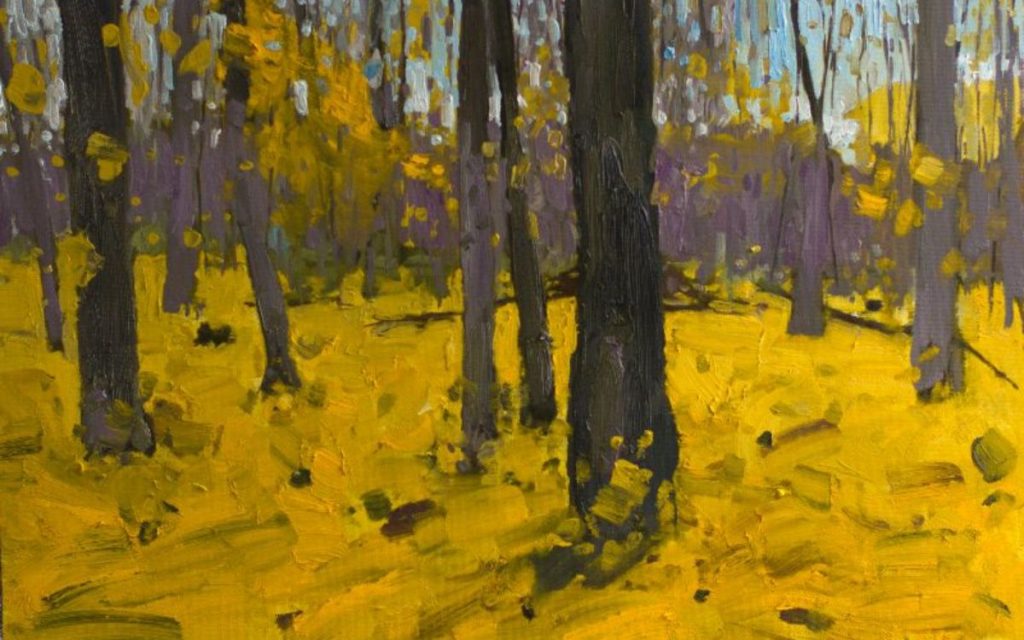
Engaging with visual arts also enhances problem-solving abilities. As young individuals navigate creative challenges—be it a difficult sketch or a disarray of colors—they learn to approach problems from various angles and develop innovative solutions. Such skills are invaluable in everyday life, preparing them for challenges beyond the canvas.
Conclusion
As visual arts continue to evolve in the digital age, they remain an essential tool for youth self-expression. The fusion of technology and creativity fosters an environment where young people can explore their identities, cultivate their talents, and develop critical life skills. The various platforms and communities available ensure that no young artist needs to navigate this journey alone, allowing for a vibrant exchange of ideas and inspiration. Embracing this artistic evolution promises not only to enhance individual expression but also to contribute positively to society as a whole.
DIVE DEEPER: Click here to discover delicious culinary fusions
The Impact of Visual Arts on Youth Identity and Expression
The digital landscape has profoundly influenced how youth engage with visual arts, ultimately shaping their self-expression and identity. Young artists are harnessing technology not only to create but also to communicate and connect. With iterative tools available at their fingertips, including mobile applications and software for graphic design, youth are empowered to explore their creativity like never before. This tech-savvy generation is redefining traditional boundaries of art, allowing for a more personalized and dynamic approach to self-expression.
Instant Feedback and Validation
The immediacy of online platforms fosters a unique dynamic of validation and motivation for young artists. Unlike previous generations who might have had to wait for physical exhibitions or critique sessions, today’s youth can receive real-time feedback from their peers and followers. This instant validation can drive their passion and encourage experimentation. Examples of such interactions include:
- Like and Share Functions: Enabling instant support and appreciation for creative efforts.
- Comments and DMs: Allowing face-to-face-like conversations about artistic choices, techniques, and inspirations.
- Challenges and Trends: Inspiring youth to create art based on popular themes or designated prompts, leading to communal participation.
Revolutionizing Artistic Education
The clash between technology and visual arts has given rise to innovative educational practices that enhance artistic development. Digital platforms now offer tutorials and collaborative sessions that can teach the technicalities of art creation, such as:
- Online Courses: Platforms like Skillshare and YouTube provide affordable or free resources to learn various art techniques.
- Virtual Workshops: Artists from diverse backgrounds can lead sessions, imparting their skills and knowledge to a wider audience.
- Art Challenges: Interactivity in educating youth about current trends and techniques in art forms.
Such shifts in education illustrate the potential for visual arts to engage and cultivate creativity among young people, breaking away from traditional classroom settings and allowing learning to occur in more organic, peer-driven environments.
Personal Narratives through Digital Storytelling
With the incorporation of digital storytelling, visual arts become more than mere representations; they evolve into vehicles for personal narrative. This practice helps youth articulate their experiences and tap into cultural dialogues. By using visuals to complement narratives—whether through photography, videography, or graphic design—young individuals can express themselves more holistically. Notably, these narratives can touch on themes such as:
- Social Justice: Many young artists are using their platforms to raise awareness about social issues relevant to their communities.
- Mental Health: Art becomes a means for self-exploration, allowing youth to reflect on and communicate their emotional struggles.
- Identity and Belonging: Through various artistic forms, youth can explore and represent their cultural and personal identities to a broad audience.
In merging traditional visual arts with modern technology, today’s youth are not merely consumers of art; they are evolving into active participants in a global dialogue about identity, creativity, and expression. The influence of visual arts in cultivating youth self-expression in this digital world is an ongoing journey, rich with possibilities for innovation and change.
| Category | Description |
|---|---|
| Access to Digital Tools | Youth today utilize various digital platforms to express their creativity visually, making art more accessible than ever. |
| Community and Collaboration | Online spaces provide a platform for collaboration, sharing ideas, and gathering feedback, enriching the creative process. |
| Cultural Exchange | The digital world enables youth to engage with diverse cultures, broadening their artistic perspectives and influences. |
| Skill Development | By exploring digital art techniques, young artists can enhance their skills and unleash their unique creative expressions. |
The digital age has empowered youth to explore their creativity through visual arts like never before. With easy access to digital tools, young individuals can create and share their artistic expressions seamlessly. Platforms such as social media and art communities foster collaboration, where budding artists can provide and receive constructive feedback, elevating their creativity.Moreover, the ability to connect with peers globally not only promotes cultural exchange but also inspires fresh ideas and influences their work. This interconnectedness nurtures a broader understanding of art’s role in society. Investing time in skill development through online tutorials and workshops can further enhance their distinctive styles, preparing them for potential careers in art and design. The digital realm is undoubtedly a transformative space for youth seeking authentic self-expression through visual arts.
DISCOVER MORE: Click here to learn how to cook sustainably!
Balancing Personal Expression with Digital Ethics
As the digital realm expands, young artists find themselves navigating not just creative opportunities but also ethical considerations in their practices. The intersection of visual arts and technology raises vital questions surrounding originality, ownership, and the impact of social media. With platforms enabling the easy sharing and remixing of art, the challenge of maintaining a sense of personal integrity and authenticity becomes paramount. Issues such as copyright infringement and appropriating artistic styles without acknowledgment have emerged as critical discussions. For instance:
- Copyright Challenges: Young creators must educate themselves on copyright laws to protect their original work from being used without permission.
- Credit and Attribution: Encouraging a culture of respect for artists ensures that credit is given where it’s due, creating an environment supportive of artistic integrity.
- Plagiarism Awareness: Recognizing when inspiration crosses the line into plagiarism is essential for fostering a responsible artistic community.
The emerging dialogue around these topics not only strengthens youth self-expression but also cultivates a generation of artists who are conscientious about their contributions to the digital space.
Community and Collaboration in Artistic Ventures
In the digital age, collaboration has become a cornerstone of artistic exploration. With platforms like Instagram, TikTok, and DeviantArt, young creatives are forging connections with peers and established artists alike, facilitating a sense of community that transcends geographical boundaries. This collaborative spirit manifests in numerous ways, including:
- Collaborative Projects: Artists can combine their unique skills to create multi-faceted works that showcase diverse perspectives.
- Art Contests: Numerous online communities host competitions that challenge youth to push their creative limits while engaging in friendly rivalry.
- Joint Exhibitions: Virtual galleries and group showcases provide platforms for budding artists to feature their works collectively, amplifying their reach.
This interconnectedness not only enhances individual artistic capabilities but also encourages a format for youth to express collective sentiments, whether emergent from social movements or shared experiences.
Emerging Technologies and the Future of Visual Arts
The realm of visual arts is evolving rapidly due to advancements in technology. Innovations such as augmented reality (AR) and virtual reality (VR) are providing new avenues for self-expression that were previously unimaginable. These transformative technologies allow artists to create immersive experiences that engage audiences on different levels. Key developments include:
- AR Filters and Effects: Many young creators utilize AR to create interactive art pieces, allowing viewers to engage directly through their devices.
- VR Artistic Environments: Platforms like Tilt Brush enable artists to create three-dimensional art in virtual spaces, expanding the traditional canvas beyond two dimensions.
- NFTs and Digital Ownership: The rise of non-fungible tokens (NFTs) offers unique opportunities for young digital artists to monetize their work securely, exploring ownership in the digital economy.
Embracing these advancements not only highlights the innovative tendencies of youth but also fosters a culture of experimentation that encourages risk-taking in their artistic endeavors. The future of visual arts in this landscape promises to be as dynamic as the technologies that drive it, continually reshaping the ways young people express themselves.
DIVE DEEPER: Click here to discover how musical diversity fuels creativity
Conclusion: The Transformative Power of Visual Arts in the Digital Era
In an age where the lines between reality and technology blur, the influence of visual arts on youth self-expression cannot be overstated. As young creators harness the power of digital platforms, they cultivate a rich tapestry of creativity that reflects their unique identities and experiences. The dynamic community formed through collaboration not only amplifies individual voices but also encourages collective narratives that resonate deeply with contemporary issues.
Moreover, as they navigate the complexities of copyright, attribution, and ethical practices, these emerging artists cultivate a strong sense of integrity within their creative journeys. The dialogues surrounding originality and artistic ownership challenge youth to remain conscientious about their contributions, promoting a culture rooted in respect and authenticity.
The advent of cutting-edge technologies such as augmented reality and virtual reality further enriches the possibilities for expression, allowing young artists to break free from traditional constraints and innovate in unprecedented ways. As they experiment with new mediums, their ability to engage audiences broadens, positioning them as integral players in the ever-evolving landscape of the arts.
Ultimately, the synthesis of visual arts and digital technology invites a profound exploration of creativity among youth. By embracing this vibrant intersection, we can encourage the next generation to express their stories openly, challenge societal norms, and engage in meaningful discourse, thereby shaping a more inclusive future where their voices are heard and celebrated.