The influence of art in early childhood education: how creative hobbies can shape children’s development
The Role of Art in Childhood Development
During the critical years of childhood, the environment plays a vital role in shaping a child’s development. Among the various components of this environment, art and creative hobbies stand out as powerful influences. Engaging with art not only nurtures creativity but also fosters a range of essential skills and abilities.
Research shows that art has a profound impact on various aspects of child development, including:
- Cognitive Skills: Art activities stimulate thinking and problem-solving abilities. For instance, when children create a sculpture from clay, they must think critically about balance, structure, and form, which enhances their analytical skills.
- Emotional Expression: Children learn to express their feelings through visual and performing arts. For example, a child may draw a picture to depict their feelings of happiness or sadness, enabling them to articulate emotions they might struggle to communicate verbally.
- Social Interaction: Collaborative art projects encourage teamwork and communication among peers. Group activities like mural painting or theater performances foster not only friendships but also refine negotiation and leadership skills.
Moreover, introducing art into early childhood education benefits children in several significant ways:
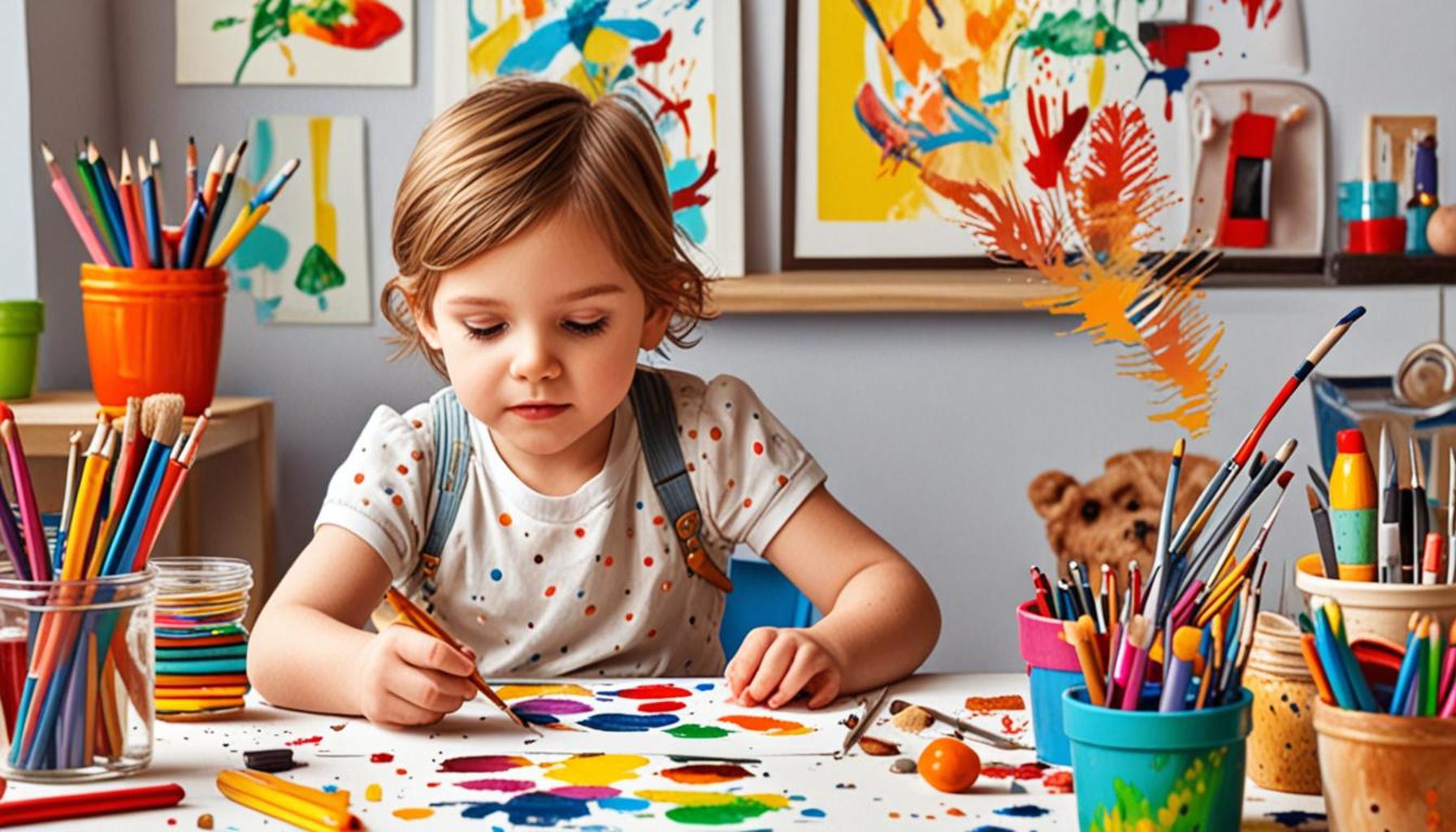
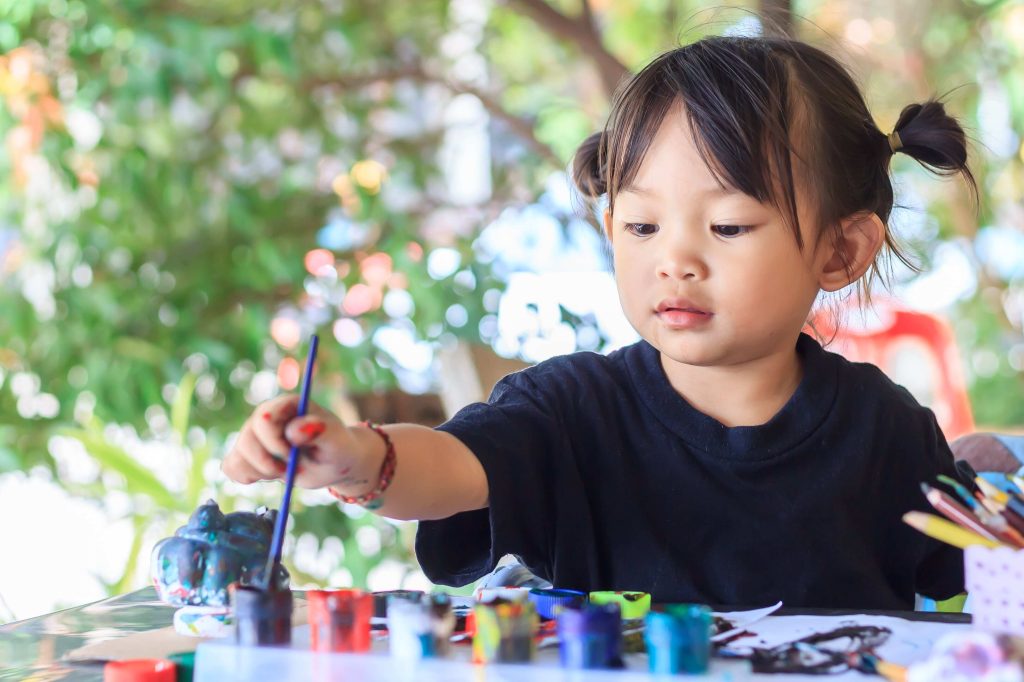
- Enhances motor skills through hands-on activities. Activities such as painting, cutting, and gluing can significantly improve fine motor skills that are crucial for tasks like writing and buttoning clothes.
- Boosts confidence by allowing self-expression. When children create art, they often experience a sense of accomplishment, which can improve their self-esteem. Even attempts at art, regardless of the skill level, merit praise and encourage further exploration.
- Provides a medium for understanding complex concepts in a fun way. For example, using art to explore themes in science or history can make learning more engaging and relatable, making abstract concepts tangible.
As educators, parents, and caregivers recognize the importance of creative hobbies, it becomes essential to integrate artistic activities into daily routines. Simple practices, such as keeping an art station stocked with materials at home or encouraging participation in after-school art clubs, can spark a child’s interest in the arts. Such integration not only enhances their learning experiences but also paves the way for well-rounded individuals.
As we delve deeper into this topic, it becomes evident that the transformative power of art is undeniable. By fostering artistic expression, we equip children with invaluable skills that will serve them throughout their lives. Therefore, investing in artistic opportunities is not just beneficial; it’s imperative for cultivating the potential of every young mind.
EXPLORE MORE: Click here to dive into the world of culinary fusions
Unpacking the Benefits of Art in Early Education
As we explore the influence of art in early childhood education, it’s essential to consider how creative hobbies serve not merely as extracurricular activities but as fundamental components in shaping a child’s development. The integration of artistic activities into everyday learning environments offers powerful opportunities for self-discovery and growth. Studies indicate that children involved in art programs demonstrate enhanced cognitive development, increased emotional intelligence, and improved social skills.
One of the most significant advantages of engaging in creative pursuits is their capacity to enhance cognitive abilities. Cognitive development refers to how children think, explore, and figure things out. Through creative hobbies such as painting, drawing, or sculpting, children actively engage their brains. According to a study by the National Endowment for the Arts, children exposed to art education are 4 times more likely to be recognized for academic achievement. Activities that encourage problem-solving, such as constructing models or engaging in creative storytelling, compel children to think outside the box and develop critical thinking skills that will serve them well into adulthood.
Additionally, art allows children to express their feelings in meaningful ways. Emotional expression is crucial for social and personal development, and the arts provide an invaluable outlet. For example, when a child paints a picture of their family during an art class, it can serve as a means to articulate their feelings about relationships, love, or even frustration. These projects can lead to deeper conversations about emotions, helping children navigate their feelings. Studies have shown that children involved in arts programs show higher emotional awareness and greater empathy towards others, setting a positive foundation for their interpersonal relationships.
The social ramifications of artistic engagement cannot be understated. In collaborative settings, children learn vital social skills that are crucial for healthy interaction and group dynamics. Participating in group art projects teaches children how to communicate effectively with peers, negotiate ideas, and compromise on creative ventures. Whether it’s working on a community mural or participating in a school play, these shared experiences foster friendships and instill a sense of belonging. Research by the Arts Education Partnership highlights that children who participate in art activities have improved cooperation and communication skills, which are necessary not only in school but also in future workplaces.
Moreover, creative hobbies significantly contribute to building a child’s confidence. When children engage in artistic activities, they often encounter small successes that boost their self-image. The feeling of accomplishment from finishing a drawing or performing a simple dance can have lasting effects on a child’s self-esteem. Furthermore, these experiences encourage children to take risks and explore new ideas, essential traits for innovation and future achievements.
Ultimately, we must advocate for a robust arts program within early education frameworks. By recognizing the myriad benefits of integrating art into early childhood education, parents and educators can help foster an environment that not only nurtures creativity but also equips children with the vital skills they need to thrive in every aspect of their lives.
The Role of Art in Cognitive Development
Art education extends beyond mere creativity; it plays a significant role in cognitive development, helping children enhance their critical thinking and problem-solving skills. Engaging in creative hobbies such as drawing, painting, and sculpting encourages children to think outside the box. These activities foster imagination, allowing children to visualize concepts and translate them into tangible forms. According to research, children who participate in artistic activities demonstrate improved memory recall and language skills, as expressing their thoughts and feelings through art reinforces communication abilities.
Emotional Intelligence Through Creative Expression
Art serves as a powerful medium for emotional expression. It allows children to articulate emotions they may not yet fully understand or be able to verbalize. Through creative endeavors, children develop a sense of self-awareness and emotional intelligence. This aspect is vital in early childhood education, as children learn to identify and manage their emotions, paving the way for healthy interpersonal relationships. Studies indicate that children engaged in artistic activities exhibit higher levels of empathy and social awareness, contributing to better emotional regulation and overall mental health.
| Category 1 | Category 2 |
|---|---|
| Cognitive Development | Enhances critical thinking and problem-solving abilities |
| Emotional Intelligence | Facilitates self-awareness and emotional regulation |
Social Skills through Collaborative Art Projects
Collaboration is an essential skill that children must develop, and engaging in group art activities fosters teamwork and communication. Collaborative projects—whether it’s a group mural or an art exhibit—teach children how to share ideas, build consensus, and respect individual contributions. These experiences not only improve children’s social skills but also are beneficial for building lasting friendships, promoting a sense of community, and enhancing overall classroom dynamics. Moreover, studies show that children participating in shared artistic ventures tend to have enhanced confidence and a greater appreciation for diverse perspectives. Art’s role in early childhood education is not merely about making pretty pictures; it is a foundational component that shapes children’s development in multifaceted and profound ways. As educators and parents recognize these values, integrating art into the curriculum becomes essential for nurturing well-rounded, capable individuals.
EXPLORE MORE: Click here to discover the impact of creative writing on emotional well-being
The Role of Art in Fostering Innovation and Cultural Awareness
In addition to cognitive, emotional, and social benefits, the influence of art in early childhood education extends into the realms of innovation and cultural awareness. Engaging children in creative pursuits not only enhances their problem-solving capabilities but also cultivates an appreciation for diverse perspectives and artistic expressions. By nurturing creativity and a sense of curiosity, art activities prepare children to navigate a rapidly changing world and inspire them to become innovative thinkers.
Research indicates that early exposure to creative challenges fosters a strong foundation for innovation. According to a study published in the Journal of Creative Behavior, children who regularly engage in artistic activities develop higher levels of originality and flexibility in their thinking. For instance, when children participate in open-ended art projects where there are no right or wrong answers, they learn to brainstorm ideas, experiment with different materials, and make unique choices. This freedom to explore bolsters their ability to approach problems with flexibility, encouraging them to devise out-of-the-box solutions.
Moreover, integrating cultural components into art education enriches children’s understanding of the world beyond their immediate surroundings. Introducing children to artistic traditions from various cultures empowers them to appreciate diversity. For example, exploring indigenous art forms or learning about international music, dance, and storytelling can pique children’s interest and inspire them to embrace different cultural narratives. A study from the Arts Education Partnership found that children who participate in multicultural art education demonstrate increased cultural sensitivity and awareness. This cultural literacy nurtures empathy and inclusivity, skills that are increasingly valuable in our interconnected society.
Through artistic exploration, children are also able to develop a deep connection with their own identities. Activities such as self-portraiture encourage children to reflect on their personal experiences, fostering self-awareness and self-acceptance. As they experiment with colors, shapes, and designs, children have the opportunity to express their individual traits and preferences, leading them to form a stronger sense of self. This recognition of their unique identities can boost their confidence and inspire them to voice their ideas and opinions confidently.
Furthermore, creative hobbies can serve as gateways into other academic subjects, enhancing interdisciplinary learning. Art-infused curricula that pair artistic projects with lessons in science, history, or mathematics help children understand complex concepts more holistically. For instance, integrating art with a science unit about plants can lead to hands-on projects like creating botanical illustrations, which helps reinforce scientific observations through creative expression. This crossover not only solidifies learning but also fosters a love for knowledge that extends beyond the classroom walls.
The implications of art in early childhood education are profound. When children are given the space and opportunities to engage in diverse artistic experiences, they not only become more adept learners but also develop into compassionate, innovative thinkers capable of contributing thoughtfully to society. As a result, it is crucial for educators and policymakers to champion art initiatives, ensuring that future generations have the tools and inspiration necessary to thrive in a globalized world.
DISCOVER MORE: Click here for the latest in craft trends
Conclusion: The Transformative Power of Art in Early Childhood Education
The integration of art into early childhood education holds transformative potential for children’s development, shaping their cognitive, emotional, and social skills in profound ways. As outlined throughout this article, engaging in creative hobbies fosters critical thinking, encourages self-expression, and cultivates a deep understanding of diverse cultures. These elements work together to create a holistic learning environment that not only prepares children for future academic success but also equips them with essential life skills.
Moreover, the emphasis on artistic exploration nurtures curiosity and innovation—two traits vital in today’s fast-paced, ever-evolving society. When children are allowed the freedom to create, experiment, and collaborate, they gain confidence in their abilities to tackle challenges and embrace diverse perspectives. This capacity to think creatively and empathetically sets the stage for well-rounded individuals who are responsive to the world around them.
As we look to the future, it is imperative that educators, parents, and policy-makers prioritize art initiatives within educational frameworks. By investing in contemporary art programs that celebrate multicultural influences and interdisciplinary connections, we can foster a new generation of young learners who not only thrive academically but also contribute meaningfully to our global community. The call to action is clear: championing art in early childhood education is not merely an investment in creativity, but in the very fabric of society’s future.