
The importance of craft activities in the development of children’s creativity
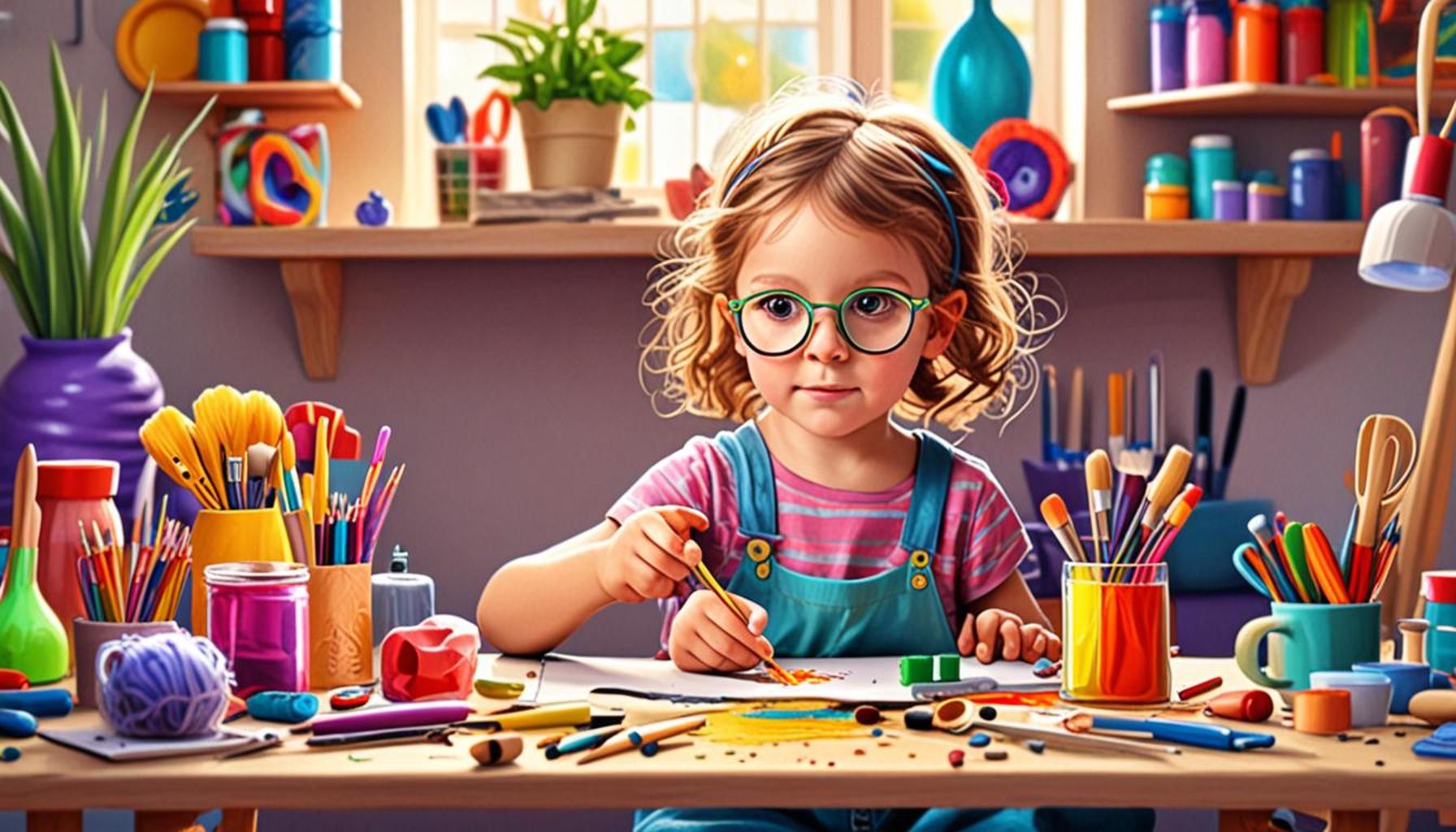
Exploring the Developmental Advantages of Crafting
Engaging in craft activities is not just a pastime; it is a vital component in fostering children’s creativity. From painting to sculpting, these hands-on experiences significantly enhance various developmental skills, paving the way for innovative thinking and personal expression. When children create, they embark on a journey that enriches their cognitive, emotional, and social growth while allowing them to explore the world around them in a tangible way.
Key Benefits of Craft Activities
- Improved Problem-Solving Skills: Crafting encourages children to face challenges and think critically. For example, if a child is trying to create a paper-mâché volcano, they must figure out how to balance materials, manage their time, and troubleshoot any issues that arise during the construction process.
- Enhanced Motor Skills: Activities such as cutting, gluing, and assembling improve fine motor coordination. These skills are essential not only for crafting but also for tasks like writing and using utensils, making them foundational for a child’s overall development.
- Boosted Self-Expression: Crafting allows children to convey their feelings and ideas without judgment. This outlet for expression can be particularly valuable for children who might struggle with verbal communication, enabling them to articulate thoughts and emotions through their creations.
- Increased Focus and Patience: Completing a craft project requires concentration and persistence. Children learn the importance of patience as they work through each step, from planning to execution, fostering a sense of achievement once they complete their projects.
In addition to these cognitive and motor skills, craft activities can serve as a significant source of cultural connection and personal identity. Children can explore their heritage through traditional crafts, such as Native American beadwork or African drumming, allowing them to connect with their roots and understand their cultural history. Moreover, by sharing their creations with peers during craft fairs or community events, children learn the values of collaboration and appreciation for others’ unique perspectives.
The impact of these hands-on experiences is profound, shaping young minds today for the challenges of tomorrow. Studies indicate that regular engagement in creative activities correlates with higher academic performance and improved emotional well-being in children. Delving deeper into the world of craft activities reveals an intricate relationship between creativity and development that every child should experience. As parents and educators recognize these benefits, they can actively encourage participation, facilitating not just artistry but essential life skills that extend far beyond the craft table.
EXPLORE MORE: Click here to discover culinary fusions
The Transformative Role of Craft Activities in Cultivating Creativity
Craft activities play a crucial role in nurturing children’s creativity by offering them a unique platform to experiment, explore, and express their thoughts and emotions. Through hands-on engagement, children are not merely passive recipients of information; they become active creators of their realities. This creative engagement serves as a springboard for numerous developmental gains that can last a lifetime.
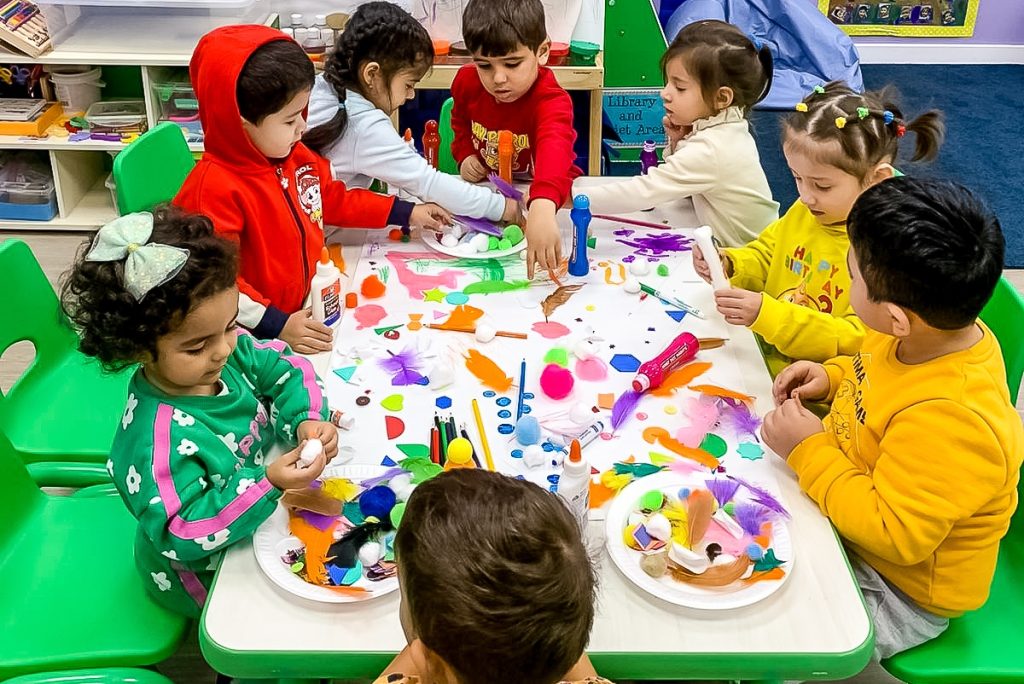
Fostering Critical Thinking and Innovation
One of the most compelling aspects of crafting is its ability to promote critical thinking. When children participate in crafts, they often encounter obstacles that require innovative solutions. For instance, a child constructing a paper airplane might need to adjust the design to achieve better flight. Such scenarios compel children to assess their materials, test their hypotheses, and modify their approach based on outcomes — essential skills for problem-solving in everyday life.
- Encouraging Creative Risk-Taking: Crafting allows children to step outside their comfort zones and experiment freely. Whether they choose unconventional colors or materials, this risk-taking fosters a mindset that values creativity and exploration.
- Learning from Mistakes: Mistakes are an inevitable part of the crafting process. Each “failure” offers a teaching moment, emphasizing resilience and the understanding that innovation often arises from trial and error.
- Expanding Imagination: As children engage with different materials and techniques, they broaden their imaginative horizons. They learn to envision possibilities that extend beyond traditional boundaries, contributing to overall creative thinking.
The process of crafting not only enhances cognitive abilities but also has powerful implications for social development. When children work on group projects, they learn the essence of teamwork, cooperation, and communication. By sharing ideas and responsibilities within collaborative settings, children begin to recognize the value of diverse perspectives, enriching their social understanding. These interactive experiences reinforce the idea that creativity is not just an individual endeavor but a collective journey.
Crafting further bolsters emotional development by providing children with a medium to process feelings and experiences. A child creating a scrapbook may find it a comforting activity that allows them to reflect on personal experiences and emotions. Such creative outlets foster a sense of achievement and personal identity, vital for building self-esteem and emotional resilience.
In today’s increasingly digital landscape, where screens often overshadow hands-on experiences, the value of craft activities cannot be overstated. They encourage tactile learning, stimulate sensory integration, and provide opportunities for personal connections among peers and family members. As children navigate through their crafting journeys, they cultivate not just artistry but a robust foundation for lifelong creativity and mental dexterity. Investing time in craft activities today equips children with the tools they need to become innovative thinkers and problem-solvers of tomorrow.
Craft activities are more than mere pastimes for children; they serve as building blocks for creativity and cognitive development. When children engage in craft activities, they explore various materials, textures, and techniques, which significantly enhances their problem-solving abilities. For example, deciding how to combine different colors or how to make a structure stable fosters critical thinking and planning skills. Moreover, craft activities are vital in developing fine motor skills. Actions such as cutting, gluing, and assembling require precision and coordination, enhancing children’s hand-eye coordination and dexterity. These skills are essential not only for artistic expression but also for academic tasks such as writing and typing.Crafting also provides children with a sense of accomplishment, boosting their confidence in their abilities. Completing a project enhances their sense of ownership and pride, motivating them to take on more challenging tasks. Additionally, the experience of creating something from scratch allows children to express their thoughts and emotions, facilitating better communication skills.Moreover, engaging in craft activities can be a collaborative experience, encouraging teamwork and social interaction. Group projects can help children learn how to share resources, negotiate ideas, and understand different perspectives. As they create together, they develop essential social skills that are critical throughout their lives.Overall, the importance of craft activities in children’s creativity and development cannot be overstated. They lay a foundation that supports children’s future academic and personal successes, enriching their lives through imagination and innovation. To clearly illustrate these benefits, the following table presents key advantages of craft activities:
| Category | Key Benefits |
|---|---|
| Fine Motor Skills Development | Increases dexterity, enhancing hand-eye coordination for academic success. |
| Boosting Creativity | Encourages self-expression, allowing children to convey their feelings and ideas. |
| Confidence Building | Completing projects instills a sense of achievement, motivating further creativity. |
| Social Skills Development | Promotes teamwork and communication, enhancing interpersonal skills. |
As seen in the table, craft activities are a unique method of development that intertwines multiple beneficial skills essential for children’s growth. The intriguing aspects of craft projects not only excite children but also provide lifelong skills that will benefit them in various life arenas.
DIVE DEEPER: Click here to discover how music sparks creativity</p
Craft Activities as a Catalyst for Personal Development
In addition to enhancing creativity, engaging in craft activities has meaningful effects on children’s personal development. The tactile nature of crafting not only stimulates imagination but also supports cognitive and fine motor skills that are foundational for academic success. Children who shovel, stitch, or assemble various materials develop hand-eye coordination and dexterity, laying the groundwork for more complex tasks such as writing and playing musical instruments.
Physical Development and Coordination
Participating in crafts can significantly improve a child’s fine motor skills, which are crucial for their overall physical development. Activities like cutting, gluing, and threading help coordinate small muscles and improve hand strength. Studies have shown that children equipped with strong fine motor skills often excel in academic tasks that involve writing or manipulating small objects. In fact, activities like origami or weaving can also enhance spatial awareness, contributing to heightened problem-solving capabilities seen in subjects such as mathematics and science.
- Hands-On Learning: Crafting transforms abstract ideas into tangible creations. For example, a child learning about nature can create a bird feeder from recycled materials, fostering a deeper understanding of ecological themes.
- Encouragement for STEM Abilities: Craft projects that involve building or engineering, like constructing a model bridge, introduce children to basic principles of science, technology, engineering, and mathematics (STEM) through playful exploration.
- Strengthening Focus and Concentration: Crafting requires sustained attention to detail. Children learn to focus their thoughts and efforts on completing a project, enhancing their ability to concentrate across other academic pursuits.
Another significant benefit of craft activities is their capacity to enhance emotional intelligence. As children engage in expressing themselves through art, they often process complex emotions and develop a greater understanding of their feelings. Engaging in craft projects can serve as a therapeutic outlet, enabling children to communicate feelings they may struggle to articulate verbally. For instance, a child experiencing anxiety or sadness may choose to create a reassuring visual piece, providing a sense of empowerment as they narrate their emotional landscape through creativity.
Promoting Cultural Awareness and Diversity
Crafting also opens the door to cultural exploration and understanding. By incorporating traditional crafts from different backgrounds, children learn to appreciate diversity while cultivating respect for various cultures. Projects like creating Native American dream catchers or Japanese kintsugi (the art of repairing pottery) allow children to engage in meaningful conversations about heritage, inclusivity, and creativity’s role in different societies.
- Cross-Cultural Collaboration: Schools and communities often organize craft workshops where children from various backgrounds collaborate. Such experiences encourage social skills and forge connections among peers, reinforcing the idea that creativity transcends cultural divides.
- Exploring Global Issues: Craft activities focused on social themes, like making eco-friendly art projects from waste materials, can promote awareness about sustainability and environmental stewardship, teaching children how creativity can contribute to impactful global change.
As crafting becomes a prevalent activity in schools and homes alike, it fosters a community of young thinkers. The lessons learned through hands-on creativity can lead to profound implications for future innovation and collaboration. By prioritizing craft activities, caregivers, educators, and society at large can build an environment where children are empowered to create, learn, and express themselves in multifaceted ways.
DISCOVER MORE: Click here to delve into the world of fusion cuisine
Conclusion: Crafting a Bright Future
In conclusion, the value of craft activities in fostering children’s creativity cannot be overstated. These activities serve as a dynamic platform where young minds can explore, create, and express their thoughts and feelings. The rich tapestry of skills honed through crafting—from fine motor proficiency to problem-solving abilities—equips children with essential tools that are not only relevant in academic settings but also vital in life’s broader context.
Moreover, crafting transcends mere artistic expression. It cultivates emotional intelligence and social awareness, allowing children to navigate their feelings and foster connections with peers from diverse backgrounds. Integrating diverse cultural crafts promotes inclusivity and a deeper appreciation of the world, enriching children’s perspectives. As they engage in discussions sparked by their creations, they become not just makers but informed global citizens.
As we move further into an age where innovation and creativity are paramount, it is critical that parents, educators, and communities prioritize and bolster craft activities. By weaving these experiences into the fabric of children’s lives, we cultivate an environment ripe for imagination, personal growth, and collaboration. Emphasizing the importance of crafting today will ensure that the leaders and thinkers of tomorrow are not only skilled in their respective fields but are also equipped with creativity and compassion—factors that will ultimately shape a better future for all.