The importance of art in mental health: how artistic hobbies can reduce stress
The Impact of Artistic Expression on Mental Wellness
Artistic expression has been a part of human culture for centuries, serving as a window to the soul. In recent years, however, its vital connection to mental health has emerged as a focal point for researchers, therapists, and the general public alike. Engaging in creative activities not only promotes personal satisfaction, but also acts as a therapeutic tool that can enhance emotional health. Below are key aspects illustrating why art is essential in supporting mental wellness.
- Stress Reduction: Numerous studies have indicated that participating in artistic activities such as painting, sculpting, or even knitting can significantly lower cortisol levels—the hormone associated with stress. For instance, a study conducted by researchers at Drexel University found that just 45 minutes of creative activity can curb stress levels in participants. The act of creating art appears to provide a beneficial distraction from daily tensions, effectively serving as a mental escape.
- Enhanced Mood: Engaging in artistic pursuits often triggers the release of endorphins, chemicals in the brain that produce feelings of happiness and pleasure. Consider amateur musicians who strum away on a guitar or writers who find joy in crafting stories; these activities can foster a sense of fulfillment. Moreover, even individuals who consider themselves “non-artistic” often find that the simple act of coloring or doodling can uplift their spirits.
- Mindfulness Practice: Artistic hobbies inherently encourage mindfulness by focusing the mind on the present task. This immersion can diminish anxiety and promote relaxation. Practices like watercolor painting or pottery require concentration, effectively redirecting the mind’s focus from stressors to the creative process. In the fast-paced environment of modern life, such grounding techniques can be invaluable.
Furthermore, artistic expression provides a non-verbal outlet for emotions that may be too complex or painful to articulate. For many individuals grappling with trauma or mental health challenges, art offers a means to process feelings and experiences that are otherwise difficult to convey with words. This form of communication can be crucial for understanding one’s emotions and taking pivotal steps toward healing.
In the United States, the integration of art therapy into mental health treatment plans has been gaining traction. Organizations like the American Art Therapy Association advocate for the therapeutic use of art in clinical settings, highlighting its profound impact on recovery and well-being. Mental health professionals are increasingly recognizing that incorporating artistic pursuits into daily routines can lead to transformative experiences, helping individuals navigate their mental health journeys more effectively.
The dialogue around art and mental health continues to expand, offering promising avenues for those seeking comfort and clarity through creativity. Individuals are encouraged to explore varied artistic forms, whether it be painting, music, writing, or crafts, as a way to bolster their emotional resilience and promote mental awareness. The journey of self-discovery through art could be the key to unlocking deeper understanding and healing for many.
DIVE DEEPER: Click here to discover modern craft trends
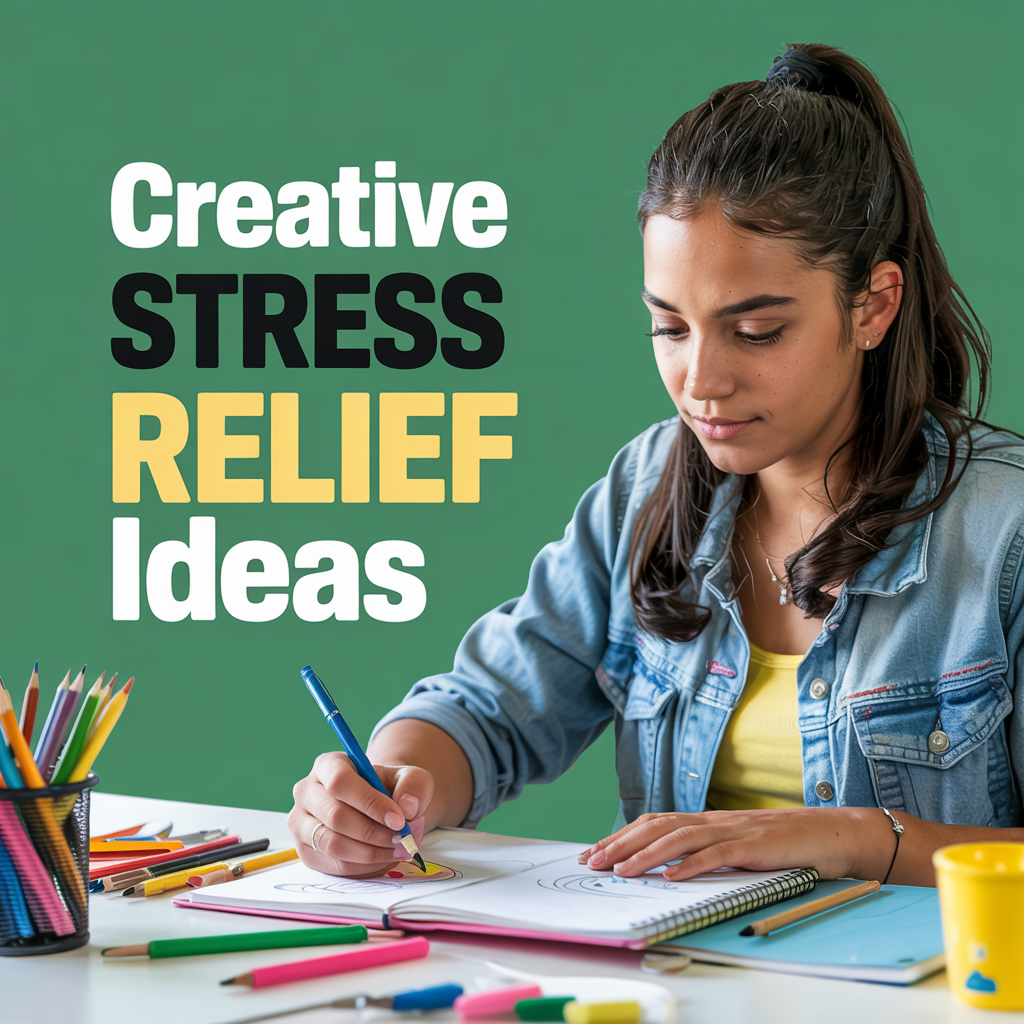
Art as a Tool for Emotional Regulation
In an increasingly fast-paced world, many individuals encounter daily stressors that can significantly impact their mental health. Engaging in artistic hobbies, therefore, serves not only as an outlet for creativity but also as a means for emotional regulation. Studies show that those who partake in artistic activities find solace and comfort, as it allows for the safe expression of complex feelings. Through activities such as drawing, dance, or photography, individuals are empowered to confront their emotions, making artistic hobbies vital tools in emotional management.
Connecting Emotion and Creativity
The relationship between emotion and creativity is profound. When people express their feelings through art, they often experience a release that alleviates built-up tension. This cathartic process can be particularly beneficial for those dealing with anxiety or depression. Whether sketching a calming landscape or composing a heartfelt song, the act of creation engages the mind and diverts attention from overwhelming thoughts, allowing for a more constructive reflection of one’s emotional state.
- Visual Arts: Painting and drawing not only stimulate the brain’s creative centers but also offer a sensory experience that can be grounding. Many therapists utilize art in sessions, guiding individuals to create works that convey their internal struggles.
- Performing Arts: Engaging in dance or theater can provide physical release while also promoting social interaction, which is critical for mental health. Such activities allow for expressing feelings through movement and collaboration with others.
- Crafting and DIY Projects: Hobbies like knitting or woodworking can lead to a meditative state, drawing attention to the present moment while fostering a sense of accomplishment upon completion.
Moreover, individuals who regularly engage in artistic hobbies often report heightened self-esteem. Artistic endeavors can foster a sense of achievement that reinforces a positive self-image. The progress in artistic skills can serve as a tangible reminder of personal growth, aiding mental health by reinforcing a sense of identity and purpose.
Furthermore, the act of participating in collaborative art projects or workshops can enhance a sense of community. Social support is a critical component of mental wellness, and engaging with others in shared artistic experiences can lead to forging connections that promote emotional resilience. The relationships built in these settings often provide individuals with additional support networks that can help tackle life’s challenges.
Incorporating art into one’s daily routine doesn’t require talent or prior experience; rather, it is the act of creating that fosters mental wellness. Individuals are encouraged to approach artistic activities without self-judgment, focusing instead on the joy of expressing themselves. Thus, the exploration of artistic hobbies not only enriches lives but can also lead to impactful improvements in mental health. With the growing recognition of this connection, individuals are motivated to discover the profound healing potential that art holds.
Artistic pursuits play a crucial role in enhancing mental wellness. Engaging in creative activities such as painting, writing, or playing music can serve as effective stress relievers. When individuals immerse themselves in art, they often experience a sense of escape from the pressures of daily life. This form of expression allows for a deep exploration of emotions, facilitating self-discovery and personal insight.Moreover, research has shown that participating in artistic hobbies can significantly lower cortisol levels, the hormone associated with stress. For example, a study conducted by the American Journal of Public Health indicated that individuals who regularly engage in art-making report a notable decrease in anxiety and depression. These benefits highlight the necessity of incorporating art into daily routines to promote mental health.Artistic hobbies can also foster community and social connections. Group sessions, workshops, or art therapy classes create opportunities for individuals to interact and share experiences, reducing feelings of isolation. Engaging with others in a creative environment nurtures relationships and encourages support networks, both of which are vital for mental well-being. Furthermore, the process of creating art itself can be meditative. As artists focus on their craft, they often enter a state of ‘flow,’ where they become fully absorbed in the activity, leading to relaxation and a break from negative thoughts. This state not only enhances creativity but is also instrumental in developing resilience against stressors. Incorporating art into one’s life—whether through formal classes or self-taught endeavors—offers individuals a rich toolkit for coping with stress. It empowers them to express feelings that may be difficult to articulate otherwise, contributing to overall emotional balance. By prioritizing artistic hobbies, individuals can take significant steps toward improving their mental health and enriching their lives with creativity. In a world where mental health challenges are increasingly prevalent, the integration of art as a therapeutic method could be a transformative strategy for many. Understanding its importance can inspire further exploration and appreciation of the arts in everyday life.
DISCOVER MORE: Click here to learn about the self-care benefits of music
The Therapeutic Benefits of Group Art Activities
Beyond individual expression, group art activities create unique opportunities for individuals to harness the therapeutic power of art while simultaneously building connections with others. Community art projects, workshops, and classes facilitate a collaborative artistic environment that can significantly enhance mental health. These interactions often lead to increased feelings of belonging, particularly for those who may feel isolated or disconnected from their peers.
Art as a Social Connector
When people engage in artistic endeavors together, they share not just the process of creation but also their stories and experiences. This shared vulnerability can foster empathy and understanding among participants. For instance, art therapy groups have been shown to reduce symptoms of stress and anxiety while encouraging interpersonal communication. Participants learn to appreciate different perspectives, building a supportive network that continues beyond the confines of the artistic space.
- Local Art Programs: Numerous community centers throughout the United States offer free or low-cost art classes to residents. Programs like those run by the National Endowment for the Arts (NEA) actively promote creativity while bringing people together, enhancing a sense of community.
- Art Exhibitions and Open Studios: Events such as open studios or collaborative exhibitions provide a platform for artists to showcase their work. Participating not only helps in self-expression but also allows individuals to receive feedback and encouragement, further fueling their artistic pursuits.
- Support Groups: Some mental health organizations incorporate art into their support groups. For example, programs that merge art therapy with cognitive behavioral therapy (CBT) can help individuals process their feelings in a safe, non-threatening way.
Engaging in these communal settings can combat loneliness and contribute to lower levels of stress. A study published in the American Journal of Public Health found that those participating in group art activities reported significant decreases in anxiety, contributing to overall improved mental health outcomes. This highlights the seemingly paradoxical truth that by expressing oneself, one can also connect with others, leading to personal and collective healing.
Art as Mindfulness Practice
Artistic hobbies can also serve as forms of mindfulness practice, which has been widely recognized for its benefits in reducing stress and promoting mental well-being. The act of creating art often requires intense concentration and can draw the focus away from negative thoughts or worries. Techniques like mindful drawing or coloring encourage individuals to immerse themselves in the moment, promoting a sense of inner peace.
- Adult Coloring Books: The recent surge in popularity of adult coloring books has been attributed to their calming effects. Engaging with colors and patterns allows individuals to lose themselves in the creative process, providing a break from daily stressors.
- Photography as Mindfulness: Many find solace in photography, capturing moments that resonate with them. This practice encourages individuals to observe their surroundings actively, cultivating appreciation for the world around them.
The integration of art into one’s life not only enhances personal expression but also opens doors to improved social interaction and mindfulness skills. It becomes clear that the importance of art in mental health extends far beyond mere creativity; it is a path towards healing, connection, and ultimately, greater well-being.
DIVE DEEPER: Click here to explore fusion cuisine
Conclusion: Embracing Art for Mental Health
Recognizing the vital role of art in mental health underscores the need to incorporate artistic hobbies into our daily lives. From personal expression to enhanced social connections, the benefits of engaging in creative activities resonate across diverse populations. As discussed, activities like painting, drawing, or participating in group art workshops offer not just an outlet for emotions but also a powerful means of reducing stress and anxiety. These artistic pursuits foster a sense of community, alleviating feelings of isolation while providing a space for shared vulnerability and growth.
The incorporation of art into mental health practices is increasingly supported by both research and anecdotal evidence, showcasing its potential to promote mindfulness and inner peace. Through engaging with art, individuals can find a momentary escape from the fast-paced demands of everyday life, allowing them to focus on the present and cultivate a greater appreciation for their surroundings. Moreover, community initiatives and local programs continue to bridge gaps and encourage participation in the arts, making such therapeutic experiences more accessible.
In essence, embracing art not only enriches our minds but also improves our emotional well-being. As we continue to explore the profound impact of creativity on mental health, it’s clear that integrating artistic hobbies into our routines can be a transformative journey towards healing, connection, and personal resilience. The next time you feel overwhelmed, consider reaching for a paintbrush, a camera, or simply a coloring book—it may just be the therapeutic relief you need. Whether in solitude or together with others, investing time in art can lead to lasting positive changes in our lives.