
The evolution of craft techniques through generations: a cultural journey
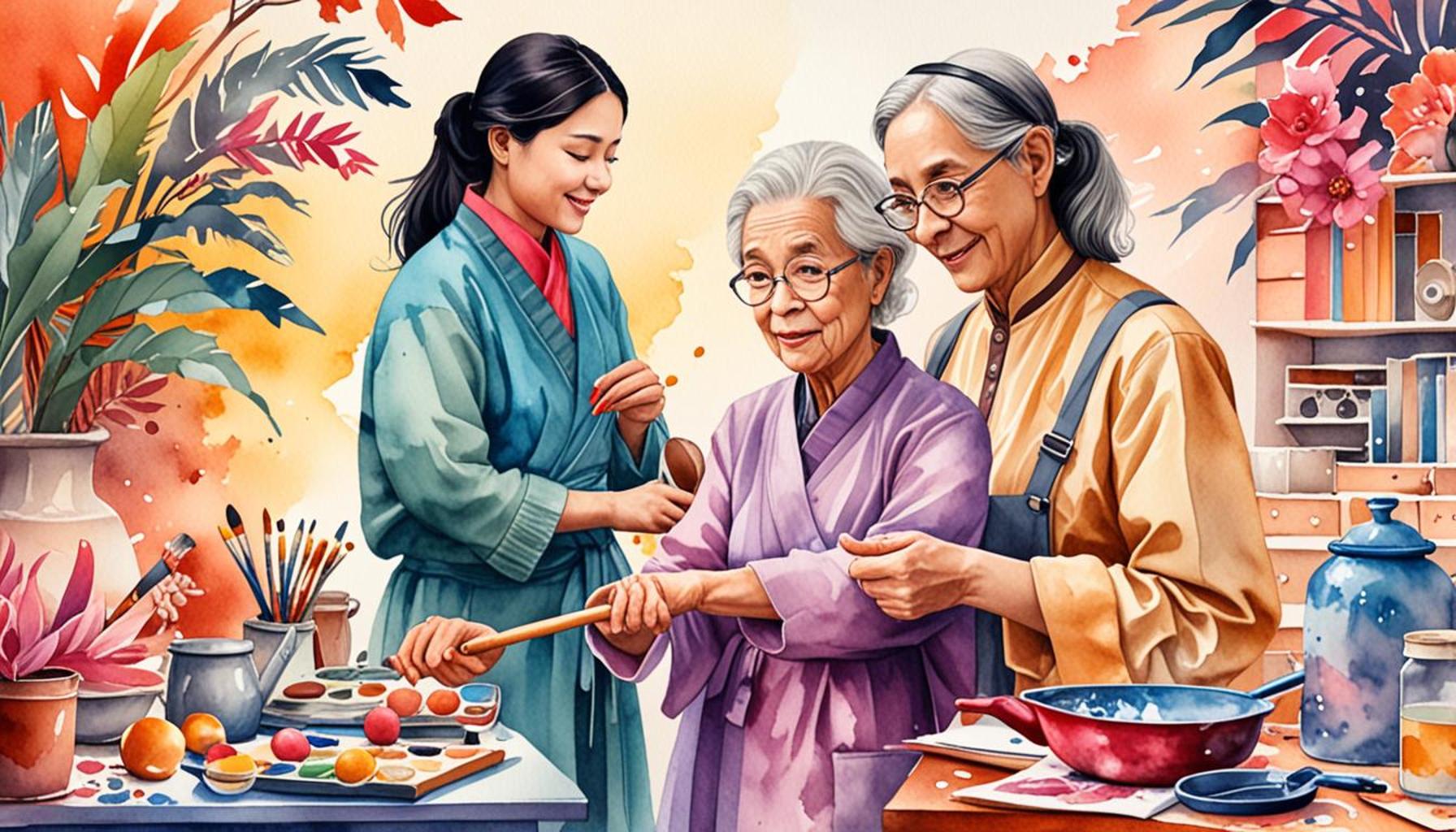
The Rich History Behind Craft Techniques
Craft techniques serve as a lens through which we can view the complex tapestry of human experience and creativity. They encapsulate the essence of cultural identity and historical significance, evolving over generations while maintaining a strong connection to their origins. One of the most captivating aspects of these techniques lies in their ability to reflect the values, aspirations, and challenges faced by societies at various points in time.
Key Aspects of the Cultural Journey
- Historical Roots: Traditional crafts such as weaving, pottery, and woodworking boast rich historical narratives. For example, the ancient craft of pottery dates back over 20,000 years, with ancient cultures like the Mesopotamians and Chinese using clay not only for functionality but also for artistic expression. Each piece tells a story about the daily lives, beliefs, and practices of those who created it.
- Innovative Adaptation: In the contemporary world, craft techniques continue to evolve. Modern artisans often blend ancient methods with technological advancements. For instance, 3D printing has begun to influence pottery, allowing artists to create intricate designs not possible with traditional handcrafting alone. This marks a notable shift, displaying how crafts adapt to the demands of modern society while retaining their inherent cultural essence.
- Community and Family: Craft-making traditions are often shared within families and communities, fostering bonds and promoting the exchange of skills. In regions like Appalachia, quilting is not merely a means to produce warmth but also a communal activity where stories, culture, and techniques are passed from one generation to the next. Quilting bees, where community members gather to create, enhance social ties while nurturing the shared cultural heritage.
- Global Influence: Today, crafts are profoundly shaped by global interactions. The rise of the internet has facilitated cultural exchanges, making it possible for artisans worldwide to influence each other. This cross-pollination is evident in the contemporary blending of furniture styles; melding sleek Scandinavian design with intricate African carvings reflects the globalized nature of creative expression.
Each craft technique ultimately acts as a mirror to society, revealing insights about both regional identities and global connections. For example, American quilting can be seen as a vibrant journey through communal storytelling and historical narratives, often highlighting social issues or personal experiences. Similarly, Indigenous crafts, such as beadwork, frequently embody sacred practices and deep-rooted traditions, emphasizing connections to the land and spiritual beliefs.
As we delve deeper into these craft techniques, we can uncover the dynamics of cultural evolution and appreciate the profound stories they continue to tell. By exploring the layers of history, adaptation, and community involved in crafting, we enrich our understanding of human creativity. Join us on this journey to uncover the fascinating interplay between tradition and innovation within the realm of craft techniques.
DIVE DEEPER: Click here to discover the beauty of artistic hobbies</
Unraveling Historical Roots of Craft Techniques
To truly appreciate the evolution of craft techniques, one must first delve into their historical roots, which offer a glimpse into the lives and beliefs of ancient civilizations. These techniques are more than mere skills; they form a vital thread in the fabric of cultural history, bridging the past with the present. Take, for example, the art of weaving, which is believed to have originated around 5000 BCE. The earliest known weavers created textiles that were not just functional items but also visually striking. The intricate patterns found in ancient Peruvian textiles reveal stories about societal norms, religious beliefs, and even social hierarchies.
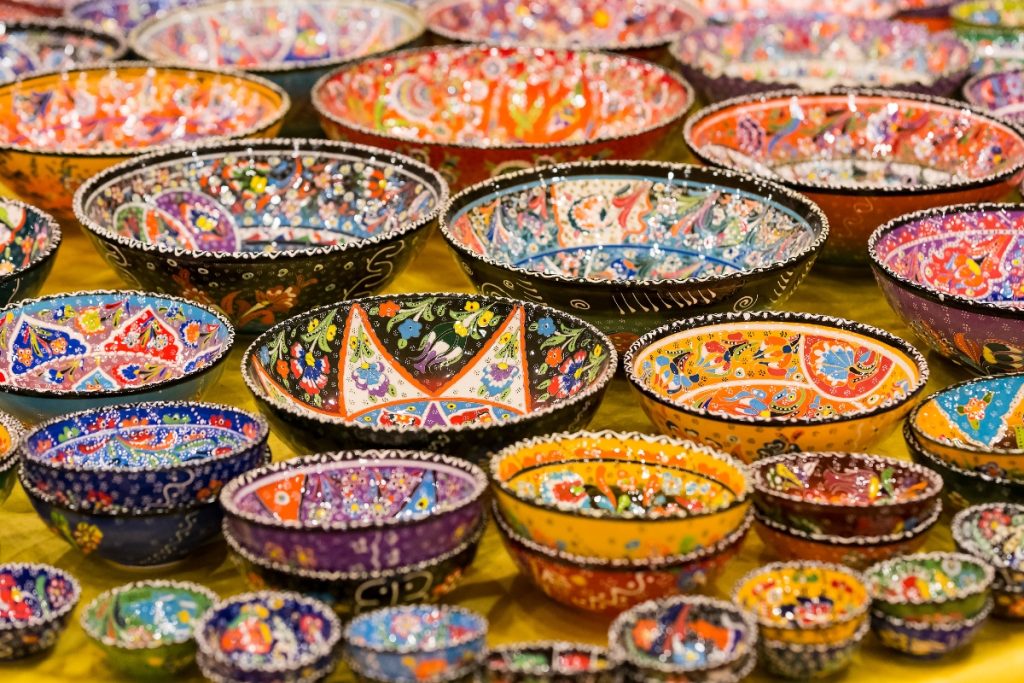
Similarly, the tradition of pottery-making has played a fundamental role in various cultures, from the decorative ceramics of the ancient Greeks to the practical yet artistic pottery of Native American tribes. Each vessel crafted serves a dual purpose – functionality in daily life and a narrative of the time period it represents. Archaeological findings have shown that pottery styles evolve with societal changes, such as the introduction of trade routes or changes in agricultural practices, showcasing the adaptability of craft to the shifting landscape of human experience.
The Role of Innovation in Craft Techniques
While historical roots provide context, the journey of craft techniques is also marked by innovation and adaptation. As societies evolve, so do their tools and materials, transforming age-old methods into something that resonates with contemporary needs. Today, artisans leverage technology in ways unimaginable in previous generations. For instance, modern pottery artisans are beginning to integrate 3D printing technology, allowing for the creation of complex shapes and designs that traditional hand-building techniques may struggle to replicate. This innovative approach does not erase the past; instead, it enhances and diversifies the ways in which crafts are practiced, preserving cultural significance while enabling new forms of expression.
This intersection of tradition and modern technology raises intriguing questions about the future of craft techniques. Will the use of digital tools dilute the cultural significance, or will it serve to enhance the narrative surrounding these crafts? The answers lie in the hands of today’s artisans, who often grapple with the desire to honor their heritage while also exploring new creative avenues.
The Community and Craft Connection
The community aspect of craft-making cannot be overstated. In numerous cultures, crafting has traditionally been a communal activity, fostering a sense of togetherness and shared identity. For instance, in the United States, the tradition of quilting has evolved from a practical means of creating warmth to a form of artistic expression and social gathering. Quilting bees, where friends and family come together to stitch intricate designs, serve as a focal point for storytelling and cultural exchange. Here, the act of crafting becomes a medium for passing down historical narratives and forging social bonds, creating an environment rich in cultural continuity.
Similarly, Indigenous crafts in the U.S. often encompass both artistic expression and a deep-seated connection to ancestral practices. Techniques like beadwork not only showcase exquisite craftsmanship but also embody the values and spiritual beliefs of the communities from which they originate. Through these communal activities, the evolution of craft techniques continues to thrive, providing a platform for the exchange of ideas and the nurturing of cultural identity across generations.
As we continue to explore the intricate layers of the cultural journey inherent in craft techniques, we unveil the stories that connect our pasts with our present, shedding light on the dynamic interplay between tradition and innovation.
The journey of craft techniques through generations has profoundly impacted various cultures worldwide. These evolving practices encapsulate both historical significance and cultural identity, breathing life into traditions that connect us to our ancestors. Every technique tells a story; whether it is pottery, weaving, or metalwork, the methods and styles have been influenced by environmental changes, technological advancements, and cultural exchanges. Moreover, each generation contributes its own unique perspective, shaping and redefining these crafts for contemporary applications.
In examining the evolution of these craft techniques, one can observe a clear shift from functional necessity to a blend of art and utility. Historical crafting was often aimed at fulfilling everyday needs, whereas today, artisans explore aesthetics, personal expression, and sustainability. For instance, the resurgence of interest in traditional weaving techniques emphasizes the importance of preserving cultural heritage while integrating modern design. This duality of purpose not only revitalizes age-old skills but also fosters a deeper appreciation for craftsmanship in a world dominated by mass production.
Furthermore, the role of technology cannot be understated. With the rise of digital tools, artisans now have access to intricate design programs that enhance their creative capabilities. These innovations allow them to experiment with new materials and techniques, thus expanding the boundaries of their work. However, it is essential to strike a balance, ensuring that traditional methods maintain their place in a rapidly changing landscape. Through workshops, community groups, and online platforms, knowledge transfer between generations is facilitated, ensuring that these invaluable techniques are not lost but rather celebrated and evolved.
This cultural journey encapsulated in craft techniques reflects a broader narrative of human experience—the interconnection of the past, present, and future. As we delve deeper into these transformative practices, we uncover not just the art of crafting but a fundamental aspect of our societal and cultural foundation.
| Category 1 | Category 2 |
|---|---|
| Cultural Heritage | Traditional craft techniques preserve and showcase the history and identity of cultures. |
| Artistic Expression | Evolving techniques allow artisans to blend innovation with cultural elements, enhancing artistic output. |
DIVE DEEPER: Click here to discover the art of fusion cuisine
Reviving Traditional Crafts in Modern Contexts
As the world increasingly embraces globalization, there has been a notable resurgence of interest in traditional crafts across various cultures. This revival often stems from a desire to reconnect with heritage, ensuring that unique narratives ingrained in craft techniques are not lost to modernity. A significant aspect of this phenomenon is the establishment of craft fairs and workshops that celebrate local artisans, providing a platform for them to share, teach, and sell their work. The American Craft Council hosts numerous events throughout the United States, showcasing not only the techniques behind traditional crafts but also the stories woven into each creation.
Furthermore, as consumers become more conscious of the environmental and social implications of their purchases, there is a growing appreciation for handmade goods. Artisans and craftspeople who utilize sustainable methods and materials are gaining traction in the marketplace, signaling a shift towards valuing crafted items over mass-produced commodities. Techniques such as natural dyeing, wood carving, and hand-thrown pottery are not merely aesthetic choices; they represent a commitment to sustainability and a deeper connection to the earth.
Crafting Identity and Narrative
The evolution of craft techniques also plays a pivotal role in the shaping of cultural identity. As communities migrate and settle into new environments, they often bring their craft traditions with them, hybridizing techniques and materials to create new forms of expression. For instance, the Mexican-American culture has produced a vibrant tapestry of crafts that blend traditional Mexican techniques with American influences. The result is a unique style in textiles, ceramics, and folk art that tells the story of cultural convergence and resilience.
One striking example is the use of serape-style textiles, initially rooted in Indigenous traditions, which have evolved in the Southwest United States through interactions with diverse communities. These colorful woven blankets and shawls not only serve as practical items but also as symbols of a rich cultural heritage that embraces adaptation and change. Each piece embodies the dynamic journey of craft techniques, linking generations while fostering an ongoing dialogue between the past and present.
The Impact of Education and Mentorship
Education and mentorship are critical in sustaining the evolution of craft techniques across generations. Here in the U.S., various programs are dedicated to teaching traditional crafts to younger generations. Organizations like Penland School of Craft and Haystack Mountain School of Crafts provide immersive experiences that allow artisans to pass on their skills, ensuring that these techniques continue to thrive. Moreover, initiatives that pair experienced artisans with apprentices create rich learning environments where both technical skills and cultural stories are shared.
Through hands-on experiences, apprentices gain insights not only into the physical act of crafting but also into the social and cultural contexts of the techniques they are learning. This dual focus ensures that the narratives and meanings behind the crafts remain alive, fostering appreciation for the depth of stories contained within each handcrafted item. The need for preservation of these narratives is crucial as American society continues to evolve amidst rapid technological advancements.
Thus, as we traverse the landscape of the evolution of craft techniques through generations, it becomes clear that these practices are not stagnant; they are alive, evolving, and interwoven with the identities, stories, and experiences of the communities that create them. This cultural journey fosters a rich tapestry of ideas, inviting further exploration into what lies ahead for craft techniques in the future.
DISCOVER MORE: Click here to elevate your culinary presentation
Conclusion
The exploration of the evolution of craft techniques through generations reveals a profound cultural journey that highlights the resilience and adaptability of human creativity. From the revival of traditional crafts in contemporary contexts to the crafting of identities amid cultural intersections, it becomes evident that these practices extend beyond mere aesthetics; they are vital links to heritage and history. As artisans embrace sustainability and innovative methods, traditional techniques are redefined, fostering not only a sense of community but also encouraging a dialogue that transcends time and geography.
Moreover, education and mentorship play crucial roles in this evolving landscape, ensuring that the knowledge embedded in these crafts is passed on to younger generations. Programs that bridge the gap between experienced artisans and budding crafters illuminate the significance of hands-on experience, emphasizing the stories that shape each handcrafted item. The result is a rich tapestry that intertwines personal narratives with broader cultural values, inviting us to appreciate the intricacies of the crafts we often take for granted.
As we look to the future, the importance of preserving these techniques remains paramount. The digital age offers unprecedented opportunities for craftspeople to showcase their work, connect with global audiences, and share their unique narratives. Engaging in this cultural journey opens doors for further exploration and understanding of the myriad influences that shape our world through the art of craft. Ultimately, the evolution of craft techniques is a testament to our shared humanity, reminding us that in the act of creating, we are not just making objects; we are crafting stories—and it is these stories that truly define us.