The connection between art and games: how creative hobbies can be integrated into game design

Harnessing Artistic Expression in Game Design
The bond between art and gaming is an intricate tapestry woven from various creative threads. This relationship transcends visual appeal; it plays a vital role in how players experience and interact with digital worlds. As games evolve into more immersive environments, the importance of artistic elements in shaping gameplay has become increasingly evident.
One prime manifestation of this connection lies in visual art. The graphics in video games are grounded in established artistic principles, such as composition, color theory, and perspective. For instance, in games like “Journey” and “Limbo,” visual aesthetics are pivotal, creating a mesmerizing atmosphere that captivates players. These titles demonstrate how stunning visuals can enhance emotional engagement, leading to a richer gaming experience.
Music and sound design further amplify this immersive quality. A well-composed soundtrack can evoke specific emotions, heightening the stakes during pivotal moments in a game. Take, for example, the “The Legend of Zelda” series, where the iconic musical themes resonate deeply with players and reinforce narrative progression. Sound effects, too, play a crucial role; the clashing of swords or the creaking of doors can instill a sense of realism, thus enriching the player’s journey.
The art of storytelling is another vital component in the synergy of art and gaming. Innovative narrative structures influence how players connect with characters and plots. Games like “The Last of Us” exemplify exceptional storytelling that focuses on character development and emotional depth, showcasing how narratives can reflect and impact human experience. This storytelling artistry reshapes players’ perceptions, making them more invested in the virtual world.
Moreover, modern games are often designed with crafting and build mechanics, allowing players to express their creativity. Titles like “Minecraft” and “Roblox” emphasize customization, enabling players to create their own unique experiences. Through these platforms, players can transform their artistic hobbies into tangible products, exploring their creativity in an engaging way.
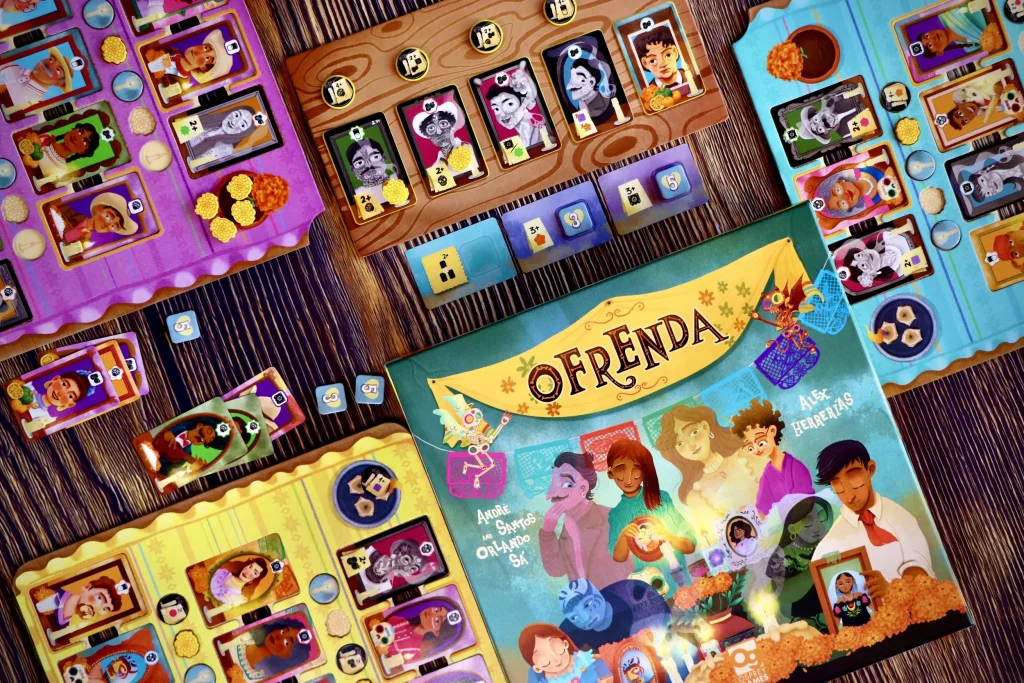
This blending of creativity and gaming can inspire players to explore their own artistic potential as they navigate these interactive worlds. As individuals engage with game design, they often find themselves intrigued by the artistic processes behind their favorite titles. Such inspiration suggests a future where video gaming is not merely a form of entertainment but also a catalyst for personal expression and creativity.
Recognizing this, game developers are increasingly leveraging artistic techniques to enhance gameplay and create memorable experiences. By integrating artistic elements into the design process, they can craft immersive worlds that resonate on multiple levels. The key question remains: how can aspiring designers tap into their own creative passions to elevate their game projects, thus contributing to this vibrant intersection of art and gameplay?
DISCOVER MORE: Click here to dive deeper into the world of poetry
Infusing Artistic Inspiration into Game Mechanics
As the gaming industry continues to expand, the fusion of art and technology offers a unique platform for creative expression. This intersection provides designers with opportunities to engage players in multi-faceted experiences while paying homage to artistic traditions. Exploring how artistic concepts can be entrenched in game mechanics not only enriches gameplay but also democratizes creativity, allowing players to express their own artistic inclinations.
Among the many ways to incorporate artistry into game design, visual storytelling stands out prominently. Artists have long utilized visual elements to convey complex narratives, and video games are no exception. Titles such as “Gris” exemplify how visuals can transcend language barriers by evoking emotions through beautifully crafted imagery and symbolism. This particular game employs a minimalist art style combined with a powerful color palette to depict the protagonist’s emotional journey, illustrating the capability of art to resonate deeply with players.
The relationship between interactive art and gaming has grown stronger with advancements in technology. Indie games, characterized by their unique artistic perspectives, often push conventional boundaries. Games like “Oxenfree” and “Firewatch” showcase how a distinct visual identity and atmospheric art design can draw players into compelling worlds, prompting them to explore narratives in a way that feels personal and inviting. This approach nurtures an environment where players not only experience a story but also feel like active participants in its evolution.
Moreover, user-generated content has revolutionized the concept of collaborative creativity. Platforms like “LittleBigPlanet” and “Dreams” empower players to design their own levels, characters, and narratives, essentially melding game development with the individual’s personal aesthetic. This collaborative model encourages budding artists to hone their skills and express themselves beyond conventional gameplay, turning gaming into a vast canvas for creativity. The sense of ownership and pride that players gain from crafting their creations often leads to an increased appreciation of the artistic processes behind mainstream game titles.
Key Elements in Integrating Art into Game Design
- Visual Style: Choose an art direction that enhances gameplay and narrative, ensuring that the visual appeal aligns with the emotions conveyed in the story.
- Sound Design: Consider how music and sound effects can enhance the immersive quality of the game, creating an auditory experience that complements the visual aspects.
- Community Engagement: Encourage players to contribute their own artistic flair through mods or user-generated content, fostering a creative community where ideas can flourish.
- Art Workshops: Hold collaborating workshops or tutorials where gamers can learn and apply art techniques, equipping them with tools to further enhance their creative input in gaming.
The infusion of art in game design is not solely for aesthetic purposes; it serves as a conduit for meaningful engagement and self-expression. By merging artistic hobbies with gameplay mechanics, designers can craft experiences that resonate deeply with players, inviting them to explore not only virtual worlds but also the artists within themselves. This evolving landscape of video games holds immense potential for those daring enough to reimagine artistic expression as an integral part of interactive entertainment.
The Intersection of Art and Game Design
In today’s evolving digital landscape, the connection between art and games has never been more profound. Game design incorporates various artistic disciplines, including graphic design, visual storytelling, and interactive media. This fusion not only enhances the aesthetic appeal of games but also enriches player experience by invoking emotional responses and engaging creativity.
Creative hobbies such as painting, sculpting, or digital art can significantly influence game design methodologies. Artists who engage in these activities often bring unique perspectives to character design, environment creation, and narrative composition. Through collaboration, game developers can harness the skills of various artists, enriching the gameplay with artistic nuances that resonate with diverse audiences.
Moreover, integrating artistic influences into game design encourages innovation and experimentation. For instance, interactive exhibits and installations can inspire game mechanics or storytelling techniques, blurring the lines between gaming and artistic expression. By drawing from various creative hobbies, game designers can develop meaningful content that not only entertains but also speaks to the deeper human experience.
The rise of accessibility in game development tools means that aspiring creators can now blend their passion for art with gaming without requiring extensive resources. Platforms like Unity or Unreal Engine offer intuitive interfaces for artists to create visually stunning games, emphasizing the importance of art in driving game design innovation.
Ultimately, as the gaming industry continues to flourish, the integration of art and creativity becomes integral to shaping narratives, character arcs, and immersive worlds. The synthesis of artistic flair and gaming technology creates a unique genre of expression that captivates audiences worldwide.
| Category | Benefits |
|---|---|
| Visual Design | Enhances player immersion through stunning graphics. |
| Narrative Integration | Art can deepen emotional connections through storytelling. |
| User Engagement | Artful designs attract broader audiences and enhance retention. |
| Cultural Reflection | Games can reflect artistic movements and societal changes. |
DISCOVER MORE: Click here to dive deeper
Reimagining Game Environments through Artistic Innovation
The integration of creativity in game design extends far beyond visual aesthetics; it permeates into the very environments that players navigate. Game worlds have evolved into complex ecosystems that not only serve as backdrops for gameplay but also as immersive experiences shaped by artistic influence. By utilizing tools from various artistic disciplines, designers can construct environments that resonate emotionally with players, effectively merging gameplay with artistic exploration.
Environmental storytelling is a powerful method by which developers craft rich narratives within their games. Through the meticulous design of landscapes, structures, and items, players encounter stories just by traversing their surroundings. Take, for example, “The Last of Us,” where every abandoned building and rusted vehicle evokes a narrative of survival and decay, allowing players to uncover the world’s history organically. Such an approach underscores the importance of thoughtfully designed environments that do more than just house gameplay; they engage players in a deeper story woven into the fabric of the game’s world.
Moreover, integrating multidisciplinary art forms can further enrich player experience. Whether it’s the swirling visuals found in abstract art or the meticulously crafted worlds influenced by classical architecture, the blending of different styles can lead to new gaming experiences. The game “Journey” exemplifies this brilliantly, featuring elements of traditional painting techniques and minimalist design that create a harmonious and visually stunning universe. The use of flowing forms and warm color palettes not only draws players in but compels them to reflect on their own interpretations of beauty and emotion while playing.
Artistic experimentation does not end with visuals; incorporating movement and animation can also profoundly impact gameplay. The dynamic nature of character movement, influenced by dance or martial arts, can create an engaging and fluid gaming experience that mimics real-life artistry. In “Celeste,” the protagonist’s movements are meticulously designed to correlate with the game’s emotional narrative, creating a platformer that feels as expressive as it is challenging. This synergy between movement and art encourages players to approach challenges in creatively fulfilling ways while fostering a connection with the game’s larger themes.
Bringing the Artistic Community Together
- Art Challenges: Organizing in-game events or contests that encourage players to create art based on game themes can strengthen community engagement and fuel inspiration.
- Collaborative Projects: Multiplayer games can incorporate collaborative art projects, allowing players to contribute to the aesthetics and story elements of shared spaces or worlds.
- Storytelling Workshops: Hosting workshops where players can learn narrative crafting techniques will enable them to better appreciate the artistic storytelling present in games.
- Cross-disciplinary Collaboration: Partnering with artists from various fields—such as visual arts, music, and performance—can lead to innovative game designs that reflect a rich tapestry of cultural influences.
The ongoing dialogue between art and gaming serves as a catalyst for geniuses in both fields to come together and explore new creative avenues. By leveraging artistic principles and philosophies, game designers are invited to envision experiences that engage players on multiple levels, making game worlds not just places to play, but realms to explore one’s own creativity. As these connections deepen, the future of gaming holds the potential to transform into a borderless playground for artistic exploration, inviting all players to tap into their imagination through the very act of play.
DISCOVER MORE: Click here to learn how poetry can benefit your well-being
Conclusion: Cultivating Creativity in Game Design
The intersection of art and gaming presents a rich tapestry of possibilities that can redefine how we experience interactive entertainment. As we explore the connection between these two creative realms, it becomes increasingly clear that integrating artistic elements into game design is not just an enhancement but a necessity for fostering rich, immersive experiences. By employing techniques such as environmental storytelling, designers create dynamic worlds that resonate on an emotional level, inviting players to dig deeper into the narratives woven into gameplay.
Furthermore, the collaborative nature of gaming opens up pathways for players and artists alike to engage in shared creative endeavors. Organizing art challenges or community projects gives players opportunities to contribute their artistic flair, further enriching the game’s universe. Incorporating multidisciplinary tools allows designers to transcend traditional boundaries, ultimately crafting experiences that provoke thought and inspire players to reflect on broader themes of beauty, movement, and creative expression.
Looking forward, the collaboration between artistic disciplines and game design will continue to evolve, encouraging a more profound dialogue between creators and players. As this intersection grows, the future of gaming could be reimagined as an expansive canvas for artistic expression, where every game serves as both an interactive playground and a gallery of creativity. Ultimately, the fusion of art and gaming not only enhances gameplay but empowers players to explore their own creativity, leading to a more enriched and vibrant gaming culture.