The Art of Reinterpretation: Transforming Classic Recipes into Unique Creations

The Intersection of Tradition and Innovation in Food
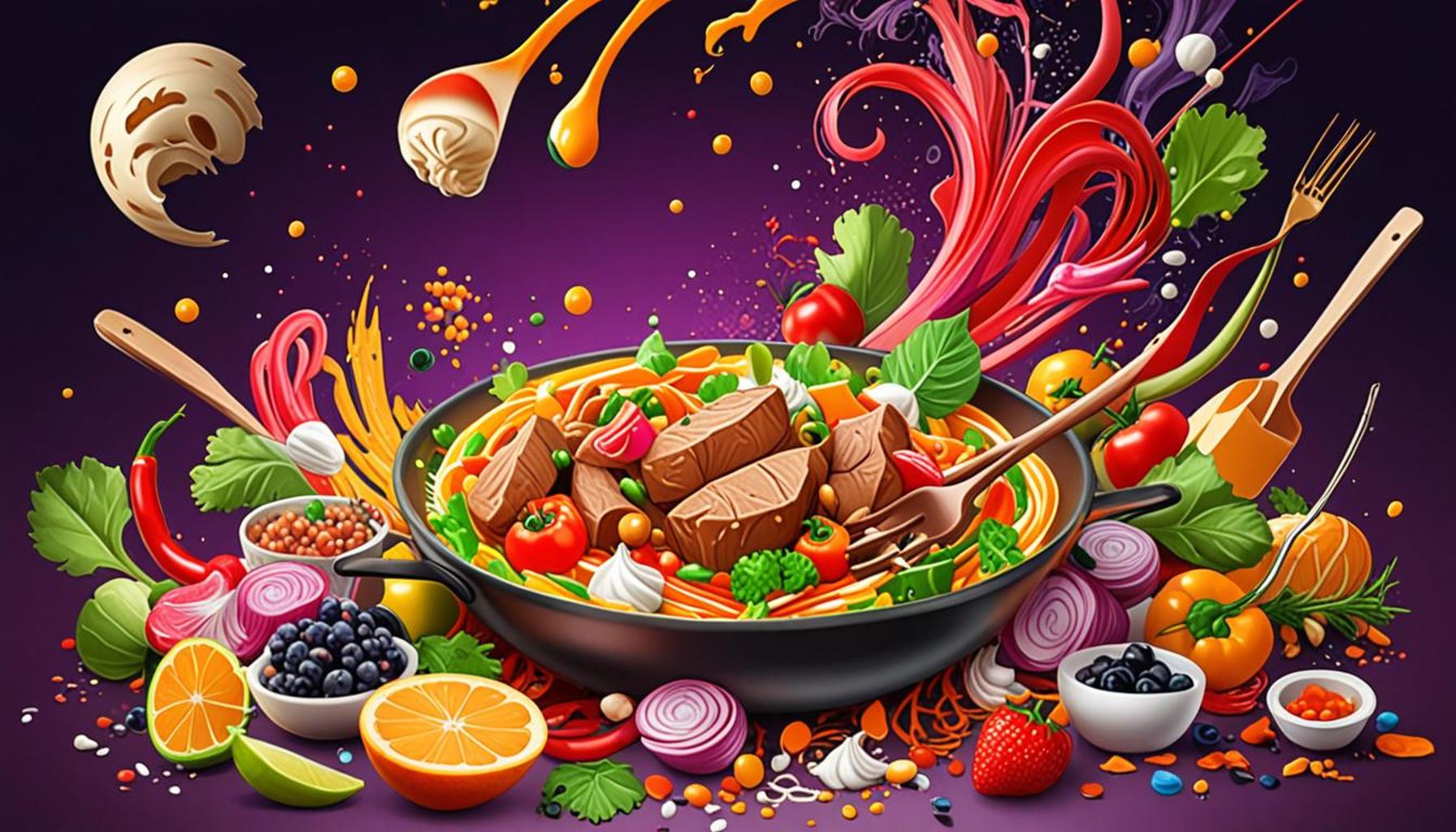
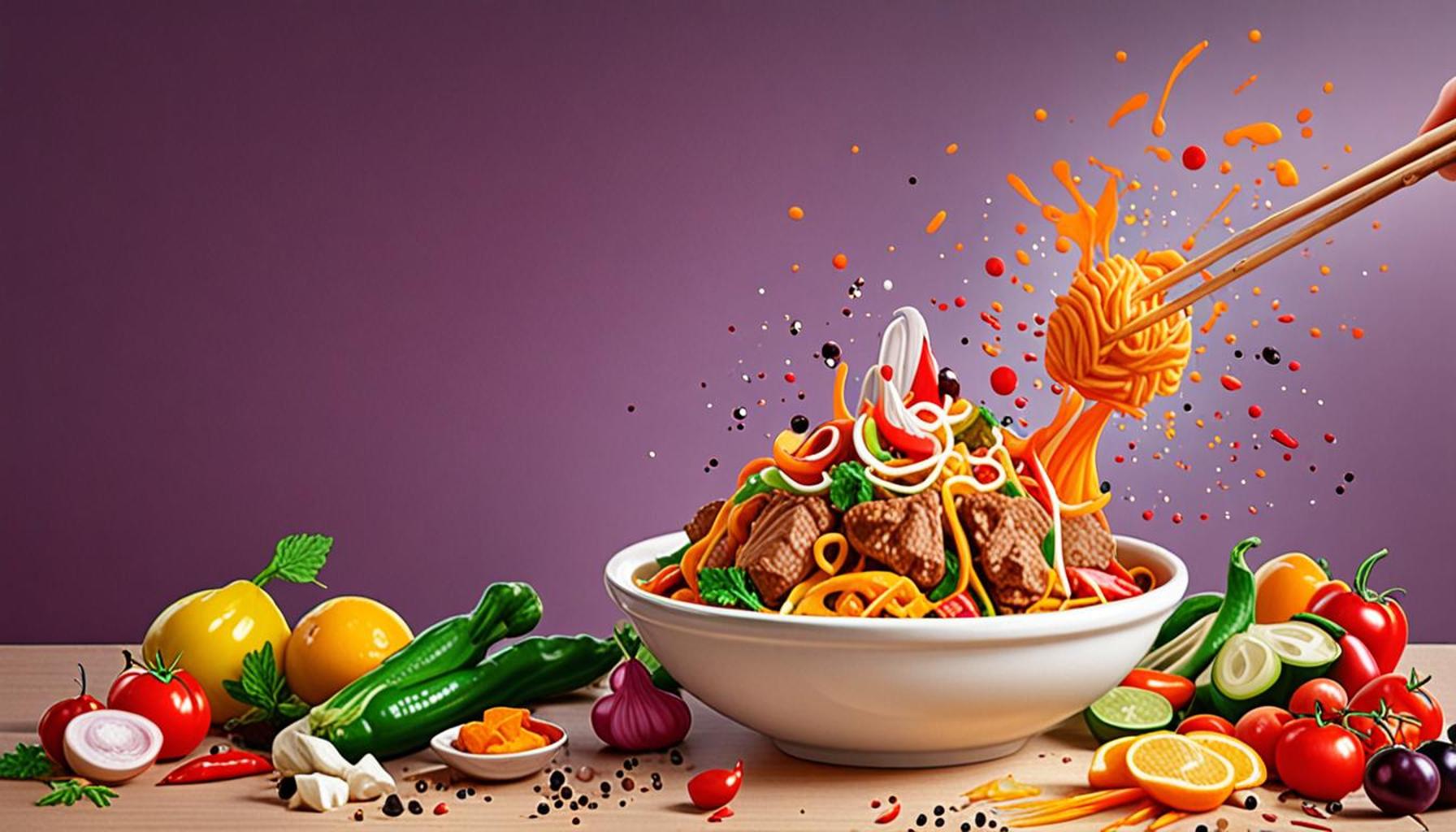
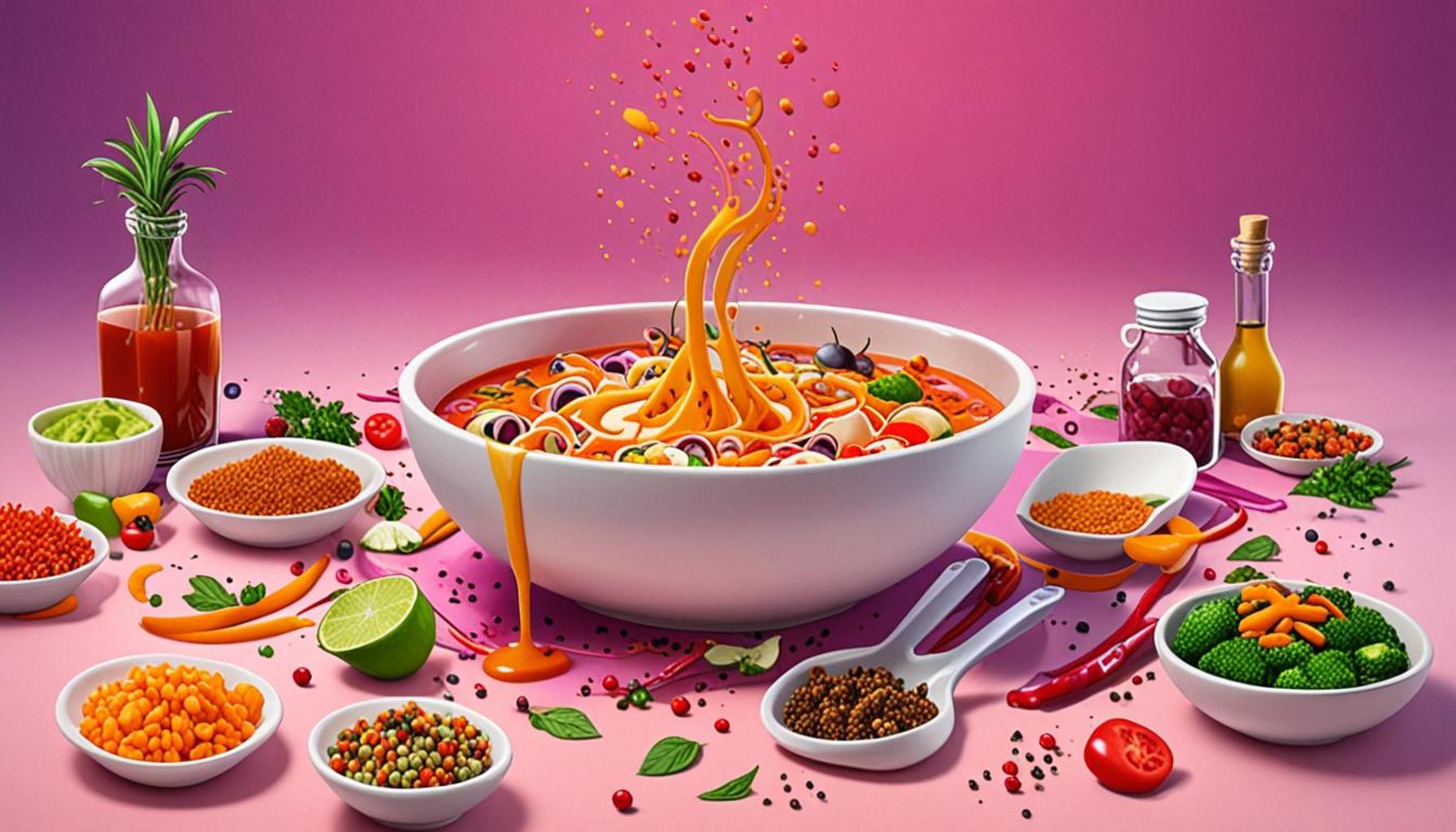
In the vibrant world of gastronomy, the art of reinterpretation stands as a bridge between tradition and innovation. Cooks and chefs across the United States are discovering new ways to infuse personal flair into time-honored recipes. This culinary approach not only breathes new life into classic dishes, but it also invites a wave of creativity into our kitchens.
Imagine transforming your grandmother’s cherished chicken pot pie into an exquisite chicken pot pie soup or elevating classic macaroni and cheese with gourmet truffle oil and wild mushrooms. The possibilities are endless, as contemporary chefs and home cooks alike find innovative ways to reinvent beloved culinary staples. For instance, New Orleans chefs might take the traditional gumbo base and infuse it with Asian ingredients like lemongrass and kaffir lime leaves, creating a fusion that is both familiar and exotic.
Embracing Flavor Fusion
One of the standout features of recipe reinterpretation is flavor fusion. This concept encourages the combination of distinct cuisines to create unexpected taste experiences. For example, a classic Italian lasagna might be reimagined with layers of Korean bulgogi and kimchi, providing a spicy kick alongside the traditional cheesy layers. This blend of cultural influences showcases the versatility of ingredients and demonstrates how global flavors can harmonize on a single plate.
Seasonal Ingredients for Freshness
Another compelling aspect is the use of seasonal ingredients. Home cooks are becoming increasingly aware of the benefits of using fresh, local produce, not just for health but for taste as well. A traditional apple pie could evolve into a summer peach and berry galette, showcasing the best of the harvest. This focus on seasonality not only enhances flavor but also supports local farmers and ecosystems, creating a sustainable food culture.
The Power of Presentation
The aesthetic element of dining cannot be overlooked. Presentation plays a significant role in the culinary arts, transforming not just texture and flavor profiles but also how food is perceived visually. Creative plating techniques can turn a simple dish of risotto into a work of art, with edible flowers and microgreens adding pops of color. Such attention to detail can elevate the dining experience from merely satisfying to truly memorable.

The ethos behind these modern creations is about exploration and fun. Chefs are experimenting with bold flavors, unexpected textures, and innovative techniques, transforming not just the dishes, but also the dining experience. It’s a journey that invites you to explore the rich tapestry of cultural influences that shape American cuisine today.
As we dive deeper into this deliciously artistic practice, you’ll discover tips and inspiration to embark on your own culinary adventures. Get ready to surprise your palate and impress your guests with unique twists on beloved classics! With every dish you create, you join a community of food lovers who celebrate the inventive spirit of cooking by embracing tradition while boldly inventing the future of food.
DISCOVER MORE: Click here to learn how art can boost your mental wellness</p
From Nostalgia to Nuance: The Journey of Transformation
Every beloved recipe carries with it not just flavors but also memories, emotions, and a rich tapestry of cultural significance. The art of reinterpretation takes these classic foundations and breathes new life into them, pushing the boundaries of what we consider traditional cuisine. This journey from nostalgia to nuance serves as a canvas for culinary creativity, allowing chefs and home cooks alike to indulge their imaginations.
At its core, reinterpretation is about examining the elements that define a classic dish and determining how they can be enhanced or transformed. For example, consider the humble beef stew. While the classic version might include carrots and potatoes simmered in a rich gravy, a modern twist could involve slow-cooking the beef in a red wine reduction infused with Smoky Chipotle peppers. This not only amplifies the flavor profile but also introduces a new layer of excitement to a time-honored favorite.
Techniques to Bring Your Reinterpretations to Life
The process of innovating upon established recipes can be fostered through various techniques. Here are some approaches to inspire your next culinary creation:
- Deconstruction: Break down your favorite dishes into their individual components and reassemble them in unexpected ways. A traditional sandwich could transform into a salad that still captures the core flavors.
- Spice Amplification: Incorporate spices from different culinary traditions to brighten up classic recipes. A simple roasted chicken could be elevated with a blend of harissa and citrus for a Mediterranean flair.
- Texture Play: Experiment with different textures to create contrast in familiar recipes. Instead of a soft, traditional pasta, consider making a crispy pasta bake, combining crunchy and gooey elements.
Each of these strategies invites you into a world of culinary experimentation, encouraging you to think outside the box while paying homage to the dishes that have stood the test of time. The excitement of reinterpretation is not solely about what is added; it’s often about what is subtracted or altered to reshape a classic dish into something that feels new yet comfortingly familiar.
The importance of context in this culinary journey cannot be underestimated. The source of inspiration might come from a seasonal ingredient, a cultural experience, or even modern culinary trends. For instance, the rise of plant-based diets has led many people to recreate their favorite comfort foods using innovative substitutes like jackfruit in place of pulled pork for a delicious vegan taco. Whereas such changes may initially evoke skepticism, they can pave the way for broader acceptance of diverse flavors and dietary choices.
As we continue to explore the art of reinterpretation, you’ll find that the fusion of tradition and innovation not only enriches our culinary experiences but also encourages communities to unite over food. Join us as we venture deeper into the mesmerizing world of cooking, where every meal can tell a story reimagined.
| Category | Details |
|---|---|
| Innovative Ingredients | Using unconventional ingredients enhances flavors and brings an exciting twist to traditional dishes. |
| Culinary Techniques | Employing modern techniques like molecular gastronomy can transform the texture and presentation of classic recipes. |
| Cultural Fusion | Incorporating elements from different cultures allows chefs to create delightful cross-cultural dishes that celebrate diversity. |
| Seasonal Adaptation | Adapting recipes to include seasonal ingredients boosts freshness and aligns with sustainability practices. |
With the increasing popularity of food trends emphasizing creativity and sustainability, the art of reinterpretation has become a vital aspect of modern cuisine. Not only do chefs draw inspiration from classic recipes, but they also aim to tell a story through their unique creations. Each ingredient can serve as a bridge, connecting culinary heritage with innovative approaches. This transformational process opens up a realm of possibilities in both flavor profiles and visual appeal, particularly as chefs continually experiment with combinations that surprise and delight their patrons. As culinary enthusiasts delve into the art of reinterpretation, they are discovering how traditional dishes can evoke nostalgia while simultaneously allowing for adventurous exploration in taste and presentation. This approach not only revitalizes classic cuisines but also invites diners to experience familiar flavors in exciting new ways.
DIVE DEEPER: Click here to discover the benefits of art for mental well-being
Exploring Global Influences: A Culinary Melting Pot
In an increasingly interconnected world, the art of reinterpretation is also a celebration of global influences. Chefs and home cooks draw upon the diverse culinary traditions that span continents, merging flavors and techniques to create unique dishes that tell stories of fusion and adaptation. This cultural cross-pollination gives rise to innovative reinterpretations that resonate with diners from various backgrounds, contributing to a dynamic and evolving food landscape.
For instance, take the classic Italian risotto. Originally a creamy rice dish rich in history and tradition, it can be reimagined using flavors from across the globe. A bold twist might involve incorporating Thai green curry paste, coconut milk, and fresh cilantro, transforming it into a dish that speaks to Asian culinary roots while maintaining the comforting essence of risotto. Such creative fusions invite diners to experience familiar dishes through an entirely new lens.
The Role of Seasonal and Local Ingredients
Another crucial aspect of reinterpretation is the commitment to seasonality and locality. By infusing dishes with fresh, local ingredients, cooks can create reinterpretations that reflect the rhythms of nature. The changing seasons present an opportunity to update classic recipes in ways that celebrate the flavors of the moment. For example, a traditional apple pie can be redefined in autumn by incorporating spices like cardamom and fresh ginger to produce a vibrant flavor profile that elevates the conventional dish.
Furthermore, consider the impact of sustainability on modern reinterpretations. Food waste has become an urgent topic, encouraging cooks to utilize every part of an ingredient. A classic vegetable stock becomes a platform for creative reinterpretation by transforming vegetable scraps into a robust broth. This practice not only minimizes waste but also speaks to a new culinary ethos that champions conscious cooking.
Taking Advantage of Technology
The innovative possibilities afforded by technology cannot be overlooked in the realm of reinterpretation. Techniques such as sous-vide cooking and molecular gastronomy open a plethora of avenues for creating modern renditions of classic dishes. Imagine a traditional French soufflé that is reinterpreted as a deconstructed dessert, where the components are presented as a visually-striking composition of infused creams, crisp meringues, and airy foam. This modern twist invites diners not just to taste, but to engage with their food on an artistic and sensory level.
Moreover, social media platforms have become a powerful driver for culinary reinterpretation. Recipes circulate rapidly, inspiring budding chefs to experiment and share their unique takes on classics. Cooking bloggers and influencers often encourage their audiences to explore variations, creating a vibrant community where ideas and techniques are exchanged freely, fostering an environment ripe for innovation.
As reinterpretations continue to emerge from kitchens around the world, they serve not only to diversify our culinary experiences but also to weave together the rich tapestry of food cultures. Each unique creation contributes to an ongoing narrative of culinary reinvention, inviting everyone to explore the endless possibilities that reside within the art of reinterpretation.
DIVE DEEPER: Click here to discover more about the healing power of art
Conclusion: Embracing Culinary Innovation through Reinterpretation
In conclusion, the art of reinterpretation represents a vibrant and evolving landscape in the culinary world, where classic recipes undergo transformative journeys to become unique creations. By embracing global influences, seasonal and local ingredients, and modern culinary technologies, chefs and home cooks alike are redefining traditional dishes while continuing to honor their roots. Each reinterpretation not only celebrates the rich tapestry of our collective culinary heritage but also sparks creativity, inviting people to engage with food in innovative ways.
As the food industry continues to grapple with issues like sustainability, the reinterpretation of classic recipes opens up opportunities for conscious cooking practices, such as minimizing waste and maximizing flavor. Additionally, the role of social media in this creative renaissance cannot be overstated; it empowers individuals to share their culinary adventures and inspire a broader community to experiment and innovate.
Ultimately, the journey of reinvention is unending, providing a canvas for both tradition and novelty to coexist harmoniously. As you step into your kitchen and explore the art of reinterpretation, consider it an invitation to not only redefine your own culinary experiences but also to partake in a global conversation about food—one that encourages curiosity, experimentation, and, above all, a genuine love for the act of cooking. So, go forth and transform classics into remarkable new delights; the culinary world awaits your creativity.