The Aesthetics of Food: How Presentation Influences Culinary Creativity
The Significance of Aesthetic Appeal in Culinary Arts
In a world where first impressions matter, the aesthetics of food play a pivotal role in culinary experiences. The moment a dish arrives at the table, it captivates our senses and sets the stage for what is to come. The visual appeal of a meal can evoke emotions, spark conversations, and create lasting memories. It is often said that we “eat with our eyes” first, underscoring the important role that presentation plays in our dining experiences.
Food presentation is not merely about making meals look pretty; it is an integral component that affects how we perceive flavors. Research indicates that a beautifully presented dish can significantly enhance our taste perception. For example, a vibrant salad arranged artfully on a plate can make the freshest greens and bright vegetables seem even more appetizing. Additionally, psychological studies suggest that the way food is plated can influence dining decisions. Upscale restaurants often create stunning presentations to justify higher price points, while fast-casual dining establishments might utilize eye-catching aesthetics to draw customers in.
- Enhance taste perception: Beautifully arranged food can heighten our senses, making flavors seem more intense and enjoyable.
- Influence dining decisions: Attractive presentations can entice diners to try new dishes that they may not have considered otherwise.
- Boost overall satisfaction: When plates are visually appealing, diners often report a more satisfying culinary experience.
Moreover, the artistry behind food presentation can drive culinary creativity to new heights. Chefs across the United States are embracing innovative techniques to transform ordinary meals into visual masterpieces. Some popular trends currently seen in restaurants and dinner parties across the country include:
- Using bold colors and textures: Chefs experiment with an array of ingredients such as edible flowers, microgreens, and colorful sauces to create dishes that pop visually.
- Incorporating natural elements: The addition of fresh herbs, edible flowers, and vibrant garnishes adds an organic touch that elevates a dish’s appeal.
- Creating unique plating styles: Many chefs are now crafting narratives around their dishes, plating food in ways that tell a story or evoke a sense of place.
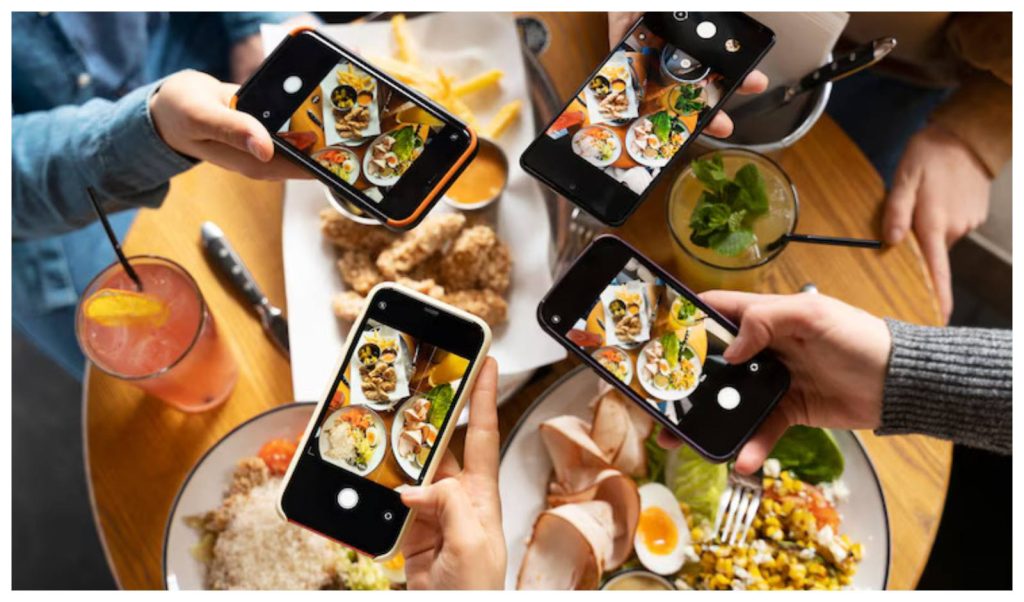
With the rise of social media platforms like Instagram and TikTok, the demand for expertly presented dishes has surged. Food trends often originate from stunning posts that go viral, influencing a wave of new culinary creations across diverse dining contexts, from trendy restaurants in New York to food trucks in Los Angeles. As diners now curate their dining experiences as much for the flavor as for the aesthetics, chefs are leveraging this pressure to refine their craft.
As we delve deeper into this fascinating topic, we will explore how presentation influences culinary creativity and the strategies chefs utilize to enchant our eyes and palates alike. This journey will uncover the intricate balance between art and taste that characterizes modern cuisine, revealing the impact of visual appeal on our culinary journey.
DIVE DEEPER: Click here to discover creative DIY ideas
Exploring the Intersection of Art and Flavor
When entering the realm of culinary arts, the connection between visual aesthetics and flavor is profound and multifaceted. As dining experiences increasingly pivot towards holistic enjoyment, the presentation of food has become an essential element that not only pleases the eye but elevates the overall experience. The technique of plating, much like brush strokes on a canvas, can transform a simple dish into an extraordinary visual statement. Through thoughtful design, flavors are not only anticipated but amplified, making the act of eating a sensory adventure.
One fascinating manifestation of this relationship is the concept of food architecture, where chefs construct dishes that resemble sculptures. This trend has paved the way for attention to detail — every garnish, sauce drizzle, and ingredient placement is deliberate. For instance, a modern interpretation of a classic dish may see roasted vegetables arranged in geometric patterns, utilizing various heights and layers to create visual intrigue. Such artistry not only enhances the aesthetic experience but also leaves diners curious about the flavor combinations that await them.
Recent studies further highlight the significant effect that food presentation has on perception. When participants were offered identical dishes, those that were beautifully presented elicited higher sensory ratings and were perceived as more flavorful. This phenomenon can be attributed to the brain’s natural inclination to associate visual appeal with taste. Notably, when guests dine in higher-end restaurants, they often find themselves captivated not just by what’s on the plate, but also by how the meal is served, reflecting the psychology behind consumption.
The trend of artistic food presentation is not only confined to fine dining establishments. Many consumer dining habits are evolving, and diners are increasingly gravitating toward meals that offer an aesthetic payoff fitting for shareable moments on social media. This shift has prompted chefs and home cooks alike to embrace visually stunning creations, with influences drawn from global cuisines that celebrate color, texture, and local ingredients. As a result, many individuals have begun to redefine what constitutes a successful meal, often prioritizing visual storytelling and creative presentation over more traditional aspects of cooking.
As culinary creativity unfolds, a few noteworthy trends seem to dominate the landscape:
- Edible Crafts: Chefs are using unusual materials — think edible paper, colored sauces, and flavored foams — to craft dishes that tell a story and delight the senses.
- Sustainable Presentation: An increased focus on sustainability has led chefs to utilize local and seasonal ingredients not only for flavor but to showcase the beauty of natural colors and textures.
- Interactive Dishes: Presentation techniques that involve diners in the process, such as allowing them to mix sauces or adjust garnishes, have gained popularity, creating an immersive experience.
As we navigate this captivating interplay of aesthetics and flavor in contemporary cuisine, it becomes clear that how food is presented significantly impacts not only the culinary experience but also the creativity that defines cooking today. The journey ahead will explore the innovative techniques and philosophies chefs employ to achieve this delicate harmony, ultimately proving that beauty and taste are intertwined in the most delicious ways.
| Advantage | Explanation |
|---|---|
| Visual Appeal | A thoughtful presentation enhances the visual appeal of a dish, stimulating the appetite and promoting a memorable dining experience. |
| Creativity Boost | Engaging with food aesthetics encourages chefs to explore unique combinations and artistic presentations, driving culinary innovation. |
When considering the aesthetics of food, the first advantage to note is the visual appeal. The way food is presented can significantly influence a diner’s perception and enjoyment. A well-arranged plate draws attention and can even heighten the anticipation of flavors before the first bite is taken. This sensory engagement is key in fine dining establishments where every detail counts.Moreover, the creativity boost inherent in food presentation cannot be understated. Chefs often find their culinary expressions limited only by their imagination. With various techniques and styles—such as plating, garnishing, and dyeing components—chefs are inspired to push boundaries. This exploration results in dishes that are not only delicious but also serve as visual art, inviting diners to not just consume but to experience food in a multisensory way.
DISCOVER MORE: Click here to dive deeper
The Role of Cultural Influences in Food Presentation
The aesthetics of food extend beyond mere plating techniques; they are also deeply rooted in cultural identities and traditions. Each cuisine carries its unique history and story that shapes how dishes are created and presented. For example, in Japanese cuisine, the concept of Wabi-Sabi emphasizes simplicity, imperfection, and the beauty of natural forms. Dishes are often arranged in a way that showcases the seasonality of ingredients, allowing diners to appreciate the subtleties of color, shape, and texture. This approach not only enhances visual appeal but also elevates the dining experience by connecting it to nature and culture.
Moreover, international culinary competitions, like the Bocuse d’Or, underscore the importance of presentation in global gastronomy. Chefs from different countries showcase their cultural heritage through innovative plating that respects tradition while also pushing modern boundaries. The competition highlights how presentation can serve as a vehicle for storytelling, allowing chefs to express their identity through flavors and visuals. Such platforms have significantly influenced culinary creativity, inspiring chefs to explore their roots and apply artistic techniques that resonate with diverse audiences.
In the United States, an environment rich with culinary diversity further accentuates the intersection of food aesthetics and cultural expression. From vibrant street food to high-end farm-to-table establishments, chefs are increasingly drawing inspiration from their cultural backgrounds, incorporating elements that reflect their origins into their dishes. The fusion of these influences leads to fascinating presentations where cultures collide, offering diners a passport to experience flavors and aesthetics from around the globe.
This cultural melding is also evident in the rise of food displays at social events and gatherings. Buffets and styled platters are crafted not just for sustenance, but as social experiences that foster connection. Stunning charcuterie boards adorned with colorful fruits, artisanal cheeses, and hand-crafted dips have become Instagram sensation staples that encourage artistic expression. Such displays operate on the premise that aesthetics can enhance social interaction, drawing guests into an experience that goes beyond just eating.
Additionally, the influence of technology and social media has become pivotal in shaping the way food aesthetics are perceived and executed. The visual-centric platforms, such as Instagram and TikTok, amplify the desire for beautifully presented meals. With hashtags like #FoodArt and #PlatingPerfection, culinary enthusiasts share their creations, thus fostering a community rooted in appreciation for both taste and visual merit. This trend has encouraged chefs to innovate, pushing the boundaries of flavor and presentation to create dishes designed specifically for the camera lens.
In this evolving landscape, educational institutions and culinary schools are acknowledging the significance of aesthetics in culinary arts, incorporating extensive training on plating and presentation techniques into their curricula. Future chefs are being equipped not only with classic cooking skills but also with the artistry of appealing presentation, ensuring that they can captivate diners’ attention long before the first bite.
The interconnectedness of culture, creativity, and technology continuously reshapes the culinary landscape, illustrating that the aesthetics of food encompass an expansive universe. As chefs navigate this intricate terrain, their artistry serves to engage the senses, foster community, and elevate meals from simple nourishment to culinary masterpieces.
DISCOVER: Click here to learn about the self-care benefits of music
Conclusion: Elevating the Culinary Experience Through Aesthetics
The exploration of food aesthetics reveals how intricate and layered the intersection of presentation and culinary creativity truly is. As demonstrated, the visual appeal of a dish profoundly influences not only diners’ perceptions but also infuses chefs with a sense of artistic expression and cultural identity. With cultural rituals and personal narratives shaping the way food is plated, each meal tells a story that transcends mere sustenance.
In an era where social media shapes trends and diners increasingly seek experiences rather than just food, the aesthetics of presentation have become critical. Chefs are now innovators, pushing culinary boundaries and drawing upon global influences to create visually stunning dishes. From the elegantly simple arrangements in Japanese cuisine highlighting seasonal beauty to the vibrant displays of fusion foods reflecting diverse heritages, the art of plating is evolving continuously.
In light of educational initiatives embracing this artistic aspect, future chefs are being equipped to harness both flavor and aesthetics, ensuring that every dish can engage the senses and stir emotion. As the world of gastronomy continues to meld visual artistry with culinary mastery, every plate serves not just as a meal, but as an immersive experience that invites guests to explore, share, and connect.
These innovations open up new avenues for creativity, inspiring both chefs and food enthusiasts to challenge the ordinary and celebrate the uniqueness of food presentation. Ultimately, the aesthetics of food remind us that the act of eating is not just a necessity, but a rich tapestry woven from culture, creativity, and communal joy. As we venture deeper into this captivating world, one thing becomes clear: culinary art is as much about how food looks as it is about how it tastes, marking a fruitful territory for ongoing exploration and delight.