Modern Trends in Craft Activities: From Upcycling to Personalization

The Evolution of Creative Expression
In recent years, there has been a significant shift in how individuals express their creativity. This transformation has brought forth vibrant avenues for artistic endeavors that resonate with personal values and social consciousness. As a result, modern crafting trends such as upcycling and personalization are gaining traction, encouraging enthusiasts to explore unique, sustainable solutions.
Upcycling: A New Life for Old Goods
Upcycling is the practice of reimagining discarded materials to create something entirely new. This method not only helps reduce waste but also adds a personal touch to items that might have otherwise ended up in landfills. Craft enthusiasts are taking old furniture, discarded clothing, and even packaging materials to craft bespoke items that carry their unique story. For example, transforming a vintage suitcase into a stylish coffee table or redesigning a worn-out denim jacket with patches and embellishments showcases individual creativity while contributing to environmental sustainability.
The Personal Touch: Customization in Crafting
Personalization is another powerful trend shaping the crafting landscape. Today, individuals are keen on tailoring products to reflect their tastes and preferences, fostering a deeper emotional connection with their creations. This can be seen in the surge of custom-made jewelry, monogrammed home goods, and personalized stationery. The ability to modify designs—whether through color choices, material selection, or incorporating meaningful symbols—enables crafters to create items that truly resonate with their identities. For instance, a personalized mug featuring a family photo or a one-of-a-kind artwork created from a cherished memory can enrich the value of handmade crafts immensely.
Technological Innovations in Crafting
The rise of digital crafting marks another significant evolution in creative expression. With innovations such as 3D printing and laser cutting, artists and hobbyists are now equipped with tools that allow for precise, intricate designs that were once unimaginable. These technologies democratize craft-making, making it accessible for individuals to produce professional-quality pieces in the comfort of their homes. For example, a digital artist can design a custom figurine that can be 3D printed, giving life to concepts that blend art and technology seamlessly.
Community and Collaboration: The New Face of Crafting
Across the United States, the culture surrounding crafting is increasingly communal, with workshops and local markets fostering creativity and collaboration. Online platforms and social media have played a crucial role in bringing together craft enthusiasts, who share their projects, tutorials, and inspiration widely. This interconnectedness not only boosts individual engagement but also encourages a sense of belonging among creators. Many communities are now hosting upcycling events, farmer’s markets, and craft fairs, where people can showcase their talents while promoting sustainable practices.
As we delve deeper into the expansive world of modern craft activities, it becomes evident that upcycling and personalization are more than just fleeting trends. They represent significant movements that inspire a new generation to embrace creativity and sustainability. Join us on this exploration to uncover the motivations behind these trends and discover how they are reshaping our creative landscapes for the better.
DIVE DEEPER: Click here to discover delicious culinary fusions
Crafting a New Future: Trends in Creativity
In the vibrant landscape of modern craft activities, two trends stand out as pioneering forces: upcycling and personalization. These movements reflect not only a passion for creativity but also a thoughtful approach towards sustainability and individuality. While traditional crafting often emphasized skills and techniques passed down through generations, today’s craft enthusiasts are increasingly focused on innovation and self-expression.
Embracing Upcycling: The Art of Reimagination
Upcycling is revolutionizing the way we perceive waste and creativity. By transforming discarded materials into functional or artistic pieces, crafters contribute significantly to environmental conservation. This practice encourages creativity by challenging artists to envision new uses for items that may seem obsolete. Consider the following popular upcycling projects:
- Furniture Flips: Individuals are turning old wooden pallets into chic outdoor couches or repurposing vintage chairs with fresh upholstery to create unique statement pieces.
- Fashion Remix: Old clothing is receiving a new lease on life as fashion enthusiasts sew patchwork quilts or design accessories from leftover fabric.
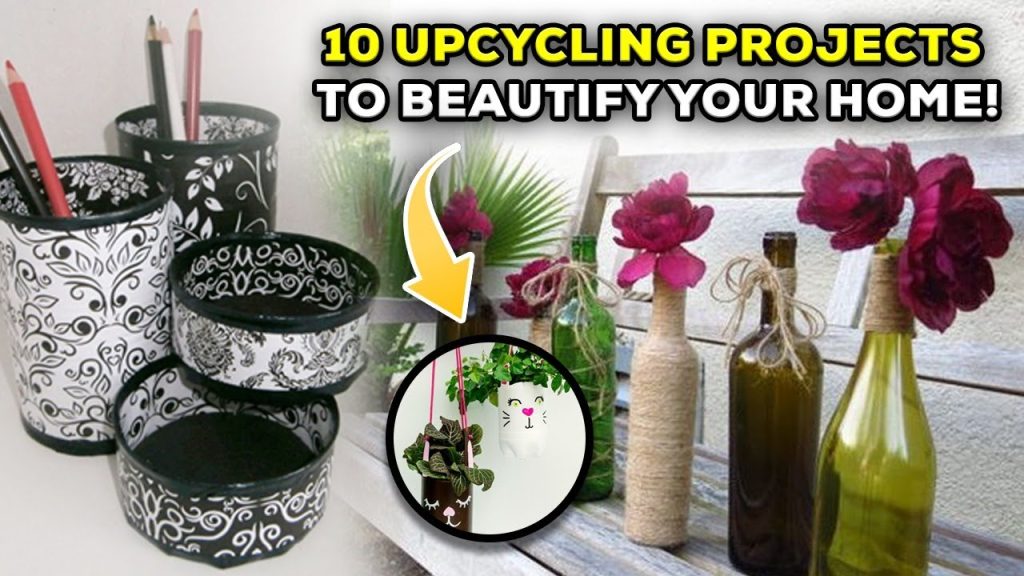
- Home Décor Innovations: Glass jars and wine bottles are being transformed into pendant lights or planters, adding character to home interiors while minimizing waste.
The upcycling trend not only speaks to the artist’s creativity but also to a collective consciousness prioritizing sustainability. In a world increasingly concerned about eco-friendly practices, this craft movement highlights how art and responsibility can go hand in hand. Many crafters proudly share their upcycling projects on social media platforms, inspiring others to join the movement and champion environmentally sustainable alternatives.
Customization: Making Crafting Personal
Alongside upcycling, personalization has emerged as a powerful trend in modern crafting. Individuals are now drawn to create items that mirror their identities and resonate with their personal narratives. The ability to customize offers a unique avenue for self-expression, making crafted items even more special. Popular forms of personalization in crafting include:
- Engraved Gifts: Customized jewelry or keepsakes featuring significant dates or names create treasured gifts for loved ones.
- Monogrammed Essentials: Items like towels, bags, and dinnerware are frequently tailored to reflect the owner’s name or initials, adding a unique flair.
- Tailored Home Goods: Home décor, such as bespoke wall art featuring personal quotes or vibrant designs, allows individuals to showcase their tastes.
This deepening connection between crafters and their projects fosters a greater appreciation for handmade items. The rise of e-commerce platforms and local craft fairs has made it easily accessible for creators to offer personalized goods, catering to consumers eager for distinctive, meaningful objects. As the demand for unique items grows, personalization becomes not just a trend, but a hallmark of modern crafting.
In examining the intricacies of these trends, it is evident that modern crafting has evolved into a dynamic space that thrives on innovation, sustainability, and individual expression. As we explore the intersection of technology and community in the crafting world, we can better understand the profound impact these trends have on our creative landscapes.
Modern Trends in Craft Activities: From Upcycling to Personalization
As the world of crafting evolves, we witness a significant shift towards sustainability and individual expression. The trend of upcycling has become a prominent facet of modern craft activities, offering crafters a way to transform discarded materials into unique, functional art pieces. This approach not only reduces waste but also encourages sustainable practices among consumers. For instance, many artisans are now repurposing old furniture or fabric scraps, creating one-of-a-kind items that resonate with personal stories and environmental responsibility.On the other hand, the rise of personalization in crafts invites individuals to put their unique stamp on handmade items. With advancements in technology, it is now easier than ever to customize products ranging from home decor to fashion accessories. Tools like laser engravers and digital printing allow crafters to create personalized items that cater to specific tastes and preferences. This trend not only strengthens the connection between the maker and the consumer but also enhances the emotional value of the crafted goods.Furthermore, social media platforms have played a pivotal role in shaping these trends, providing a space for crafters to share their projects and connect with like-minded enthusiasts. From Instagram showcases to DIY tutorial videos on YouTube, the creative community is more interactive than ever, leading to a vibrant exchange of ideas and techniques. As we delve deeper into these trends, we reveal a rich tapestry of crafty innovation that continues to inspire and engage creators and consumers alike.
| Advantages of Upcycling | Benefits of Personalization |
|---|---|
| Eco-friendly practices | Creates emotional connections |
| Unique, one-of-a-kind designs | Reflects individual style |
Engaging in these modern crafting trends not only enhances personal creativity but also fosters a sense of community. It’s about more than just crafting; it’s a movement that embodies sustainability, self-expression, and a collective effort to change the way we view material consumption. With new ideas emerging every day, the landscape of craft activities is evolving, inviting everyone to participate in this dynamic and rewarding journey.
DIVE DEEPER: Click here to discover how fiction can reshape your reality
The Intersection of Technology and Traditional Crafting
The modern crafting landscape is not just about physical materials and artistic endeavors; it is also experiencing a significant transformation through technology. The integration of digital tools into crafting activities has opened up new possibilities for creativity, allowing crafters to blend traditional methods with modern techniques. From 3D printing to the use of design software, technology is redefining what it means to create.
Embracing Digital Fabrication
Digital fabrication is becoming increasingly popular among crafters, as it allows for precise and intricate designs that might be challenging to achieve by hand. For example, laser cutting and 3D printing technologies enable the production of uniquely shaped items that can be customized to a fine degree. Crafters can now design intricate models or prototypes, whether it’s a custom home décor piece or personalized jewelry, without needing advanced woodworking or metalworking skills. With platforms like Shapeways and Thingiverse, crafters can share designs or source components, further enriching the crafting community.
For instance, using a 3D printer, an artist can create unique cookie cutters or stencils in various shapes, ensuring that baked goods reflect personal themes or events. Not only does this merge technology with culinary arts, but it also exemplifies personalization and creativity in a delicious package. This shift highlights a trend where technology is not seen as a competitor to traditional methods but as a complementary tool that expands artistic horizons.
The Rise of Online Communities and Marketplaces
Another powerful trend shaping modern craft activities is the growth of online communities and marketplaces. Websites such as Etsy, ArtFire, and Pinterest have become vital platforms for artists to showcase their work, sell handmade goods, and connect with fellow crafters. These platforms not only foster creativity but also provide the visibility needed for crafters to establish their brands. E-commerce has enabled artisans to reach a global audience, breaking down geographical barriers that once limited their potential markets.
The social aspect of these platforms also accelerates the trend of crafting. Content creators regularly post tutorials, DIY projects, and behind-the-scenes looks at their creative processes. As a result, budding crafters are motivated to explore new techniques and share their own projects. The opportunity to engage in online challenges or collaborations amplifies excitement and encourages people to try their hand at craft activities they might not have considered, fostering a sense of community and shared learning.
Workshops and Crafting Gatherings: A Revival of Hands-On Learning
While digital advancements are becoming pivotal, there is also a resurgence of interest in hands-on crafting experiences through workshops and local gatherings. Many communities now offer classes ranging from pottery and woodworking to knitting and painting. This hands-on approach not only nurtures creativity but also provides opportunities for social interaction. Participants often find joy in learning new skills together, strengthening community bonds in the process.
Moreover, local makerspaces and community centers are gaining popularity as hubs where individuals can access tools and materials while collaborating on projects. These spaces facilitate a return to the roots of crafting, where individuals can develop skills in a supportive environment away from the demands of daily life.
As we delve deeper into the fabric of modern crafting, it is vital to appreciate how both traditional and contemporary influences shape this dynamic landscape. With sustainability, creativity, technology, and community at the forefront, crafting continues to evolve, offering endless possibilities for exploration and expression.
LEARN MORE: Click here to discover the benefits of creative writing
Conclusion: The Future of Crafting
As we conclude our exploration of modern trends in craft activities, it is clear that the crafting landscape is more vibrant and diverse than ever before. The fusion of technology with traditional crafting methods has brought forth a new era of creativity, where digital fabrication and online communities provide unprecedented opportunities for personalization and collaboration. Crafters can now easily turn ideas into tangible items, utilizing tools such as 3D printing and laser cutting to create customized pieces at an incredible speed and precision.
The surge of upcycling emphasizes sustainability, allowing artisans to transform what was once considered waste into cherished works of art. This trend not only contributes to environmental conservation but also encourages creativity by challenging makers to rethink the potential of everyday items. With a growing awareness of sustainable practices, the crafting community is taking significant steps toward a more eco-friendly future.
Additionally, the rise of online marketplaces and platforms like Etsy has democratized access to crafting, enabling artisans to reach audiences worldwide and connect with like-minded individuals. Through shared passions and social learning, thriving communities are being forged, fostering innovation and growth in a collaborative atmosphere.
Ultimately, the future of crafting lies in the balance between embracing technology and preserving traditional skills. Whether you are a seasoned artisan or a curious beginner, the world of craft activities invites you to explore, experiment, and contribute your unique voice. As these trends continue to evolve, one thing remains certain: the heart of crafting will always beat strong in the desire for creativity, connection, and meaningful expression.