Modern Fairy Tales: The Reinterpretation of Classics in Contemporary Literature
The Evolution of Classic Fairy Tales
In our contemporary society, where creativity is at the forefront of cultural expression, modern fairy tales offer an intriguing lens through which to examine familiar narratives. Today’s authors are not merely retelling the traditional tales but are actively transforming them, infusing fresh perspectives, and addressing contemporary issues that resonate deeply with audiences.
Character Development
One of the most noticeable changes in modern fairy tales is the evolution of character development. Traditional heroes and heroines are being redefined, with complex personalities that reflect today’s societal challenges. For instance, in many retellings, characters who once played passive roles are now portrayed as strong, self-reliant figures asserting their agency. Consider the character of Mulan, who in more traditional narratives was often viewed through a narrow lens of sacrifice for family honor, but in modern adaptations, she emerges as a warrior challenging gender norms.
Themes
In the reimagining of these tales, themes have evolved dramatically. Classic narratives are being infused with contemporary issues such as feminism, identity, and societal resilience. A vivid example can be found in “The Lunar Chronicles” by Marissa Meyer, where themes of empowerment and social justice are intricately woven into the futuristic retelling of Cinderella. This melding of classic tale elements with current issues not only enriches the narrative but also engages readers on a deeper level, encouraging reflection on their own experiences and societal roles.
Settings
The settings of these modern fairy tales are also shifting, with many traditional stories being transplanted into urban environments that resonate with today’s readers. Instead of enchanted forests and distant castles, tales might now unfold in bustling cities or suburban landscapes, making them more relatable. For instance, “Queen of Snow” by Laura Byron transports the essence of Snow White to a contemporary context, allowing for fresh interpretations of her trials and triumphs within a familiar yet modern backdrop.
Popular Modern Retellings
Literature enthusiasts have a wealth of options at their fingertips, with modern retellings carving out a significant niche in the literary world. Some popular titles include:
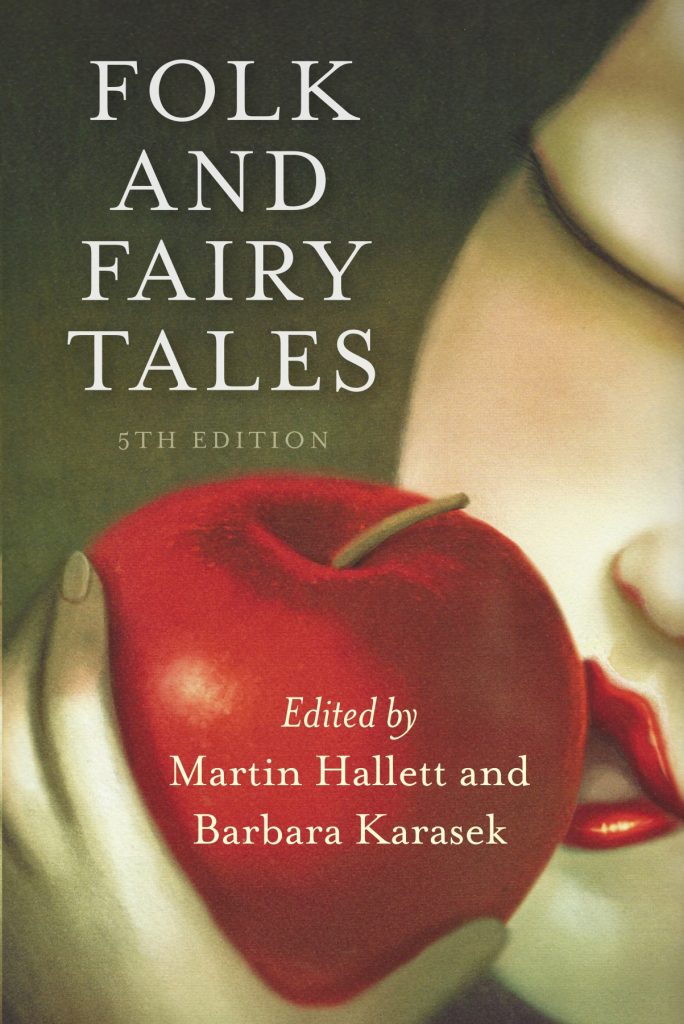
- The Lunar Chronicles by Marissa Meyer: A captivating fusion of science fiction and the classic Cinderella story.
- Queen of Snow by Laura Byron: A riveting narrative that boldly reinterprets Snow White’s tale with contemporary themes of power and resilience.
- The Wild Swans by Elise Broach: This adaptation provides a charming yet darker reflection on the original tale, exploring deeper emotional themes.
Through these inventive adaptations, authors are not only retelling stories but are also disassembling and reconstructing them to challenge traditional perceptions of morality, happiness, and success. These narratives invite readers to grapple with profound questions about life and society, offering new interpretations that reflect our evolving human experience.
As we venture further into the future, the critical question remains: How will these modern fairy tales influence our understanding of classic literature and the values they represent in the years to come? The potential for growth, discussion, and transformation within this genre is boundless, leading readers to contemplate both the past and the possibilities of the future.
DISCOVER MORE: Click here to learn how crafts can boost your well-being
Transforming Timeless Tales
The realm of modern fairy tales is not just a mere revival of age-old narratives; it’s an exploration into contemporary themes that resonate with today’s audience. As modern authors delve into the heart of these classic stories, they seek to illuminate fresh perspectives that ignite the imagination and provoke thought. This transformation is not solely a creative endeavor; it reflects the shifting dynamics of culture, politics, and social attitudes.
Reimagined Narratives
One significant aspect of the reinterpretation of classic fairy tales is the way authors approach narrative structure. Rather than adhering strictly to the linear progression typical of traditional stories, contemporary fairy tales often experiment with fragmented or non-linear storytelling. This technique invites readers to engage in an active dialogue with the text, challenging them to piece together the narrative in a manner that suits their unique understanding.
For example, in “The Witch Doesn’t Burn in This One” by Amanda Lovelace, the author melds poetry and prose to convey her reimagining of classic tales through a feminist lens. Each poem serves as a reflection on the struggles faced by female characters throughout history, combining their experiences into a compelling modern narrative. By breaking away from conventional storytelling techniques, writers can effectively emphasize the relevance of historic themes and their contemporary implications.
Diversity and Representation
Additionally, diversity plays a crucial role in contemporary fairy tales. The stories now incorporate a wide array of cultural backgrounds and identities, moving away from the Eurocentric model that dominated classic literature. This shift not only enriches the narrative landscape but also allows readers from various backgrounds to see themselves represented in the stories they consume.
Authors like Elizabeth Acevedo, with “Clap When You Land,” offer modern fairy tale elements through the lens of varied cultural experiences, drawing from her Dominican heritage to create a narrative that tackles issues of identity and belonging. The embracing of diversity within these new tales fosters empathy and understanding, as they tackle complex social issues relevant to today’s world.
Critical Reception and Impact
The emergence of modern fairy tales has garnered significant interest from both critics and readers alike. These adaptations serve as a reflection of ongoing societal conversations, providing insight into the values and beliefs that shape current culture. As such, they hold a mirror to contemporary realities, encouraging discussions about gender roles, identity, and inclusivity.
This trend is not merely a passing phase; instead, it signifies a profound cultural shift where storytelling becomes a vehicle for social change. Readers find themselves captivated not only by the enchanting elements of modern fairy tales but also by their capacity to challenge and engage with the status quo.
Engaging with Classic Literature
The impact of modern fairy tales stretches beyond mere entertainment; they invite us to reconsider classic literature and the lessons it imparts. Is the prince always the savior? Does beauty still equate to worth? Modern reinterpretations urge readers to dismantle traditional beliefs, ask critical questions, and reflect on their understanding of what these stories mean in a modern context.
As authors continue to weave their narratives, the rich tapestry of these retold tales not only honors the tradition of classic fairy tales but also paves the way for an engaging exploration of contemporary issues—ensuring that fairy tales remain relevant and transformative in our ever-evolving society.
| Theme Elements | Contemporary Relevance |
|---|---|
| Social Commentary | Modern fairy tales address pressing social issues such as gender equality and environmental sustainability. |
| Diverse Characters | These narratives often feature a broader range of ethnicities and gender identities, reflecting a multicultural society. |
The reinterpretation of classic tales has given contemporary authors the tools to explore complex themes resonating with today’s readers. For instance, social commentary is prevalent, where stories like “The Paperbag Princess” challenge traditional notions of princesshood, emphasizing empowerment over victimhood. Moreover, characters that are diverse enrich these narratives, showcasing varying perspectives and life experiences, thus allowing a greater audience to see themselves represented.As the line blurs between fantasy and reality, modern adaptations invite readers to not only escape into magical realms but also to reflect on their own lives and societal norms. The new-age storyteller embraces technology and provides interactive experiences, engaging audiences in ways that transcend the page. This intersection of literature and culture opens up vital discussions, prompting a renewed interest in fairy tales as mirrors, rather than mere escapism.
DISCOVER MORE: Click here to delve into the self-care benefits of learning an instrument
Reconstructing Identity and Morality
As modern fairy tales evolve, they increasingly emphasize themes of identity and morality, reshaping the traditional archetypes that have long dominated the genre. In past narratives, characters often found themselves in rigid roles that dictated their actions and motivations—the innocent maiden, the brave hero, or the cunning villain. Today, however, contemporary storytellers explore the complexities of identity, particularly in defining what it means to be a hero or a villain. This nuanced approach allows readers to empathize with characters who are ethically ambiguous or who defy conventional expectations.
Complex Characters and Morality
One notable example can be found in “The Surface Breaks” by Louise O’Neill, a retelling of the classic “The Little Mermaid.” O’Neill’s protagonist is not merely a naive girl longing for love; she is portrayed as a fiercely independent individual questioning the roles imposed upon her. This subversion encourages readers to reflect on the nature of sacrifice, desires, and the moral implications of one’s choices. In moving away from simplistic notions of good versus evil, modern fairy tales invite audiences to explore the gray areas of morality, leading to richer and more engaging narratives.
Feminism and Empowerment
The reinterpretation of fairy tales often intertwines with feminist themes, as authors address gender dynamics and advocate for empowerment. In Angela Carter’s “The Bloody Chamber,” for instance, the traditional image of the damsel becomes a complex character who wrestles with her sexuality and autonomy. This feminist perspective not only reclaims agency for female characters but also critiques societal norms surrounding womanhood and power.
The newer generations of writers continue this trend, with works like “Queen of Snow” by Amanda Hocking, which reinvents the Snow Queen legend for a new audience. In this tale, the characters defy the passive roles traditionally foregrounded in fairy tales and emerge as proactive, multifaceted figures who navigate their destinies, reflecting the gradual shift toward recognizing women as architects of their own stories.
Blending Genres and Themes
In addition to redefining character roles and moral standings, modern fairy tales often blend various genres to craft unique narratives that captivate diverse audiences. The incorporation of elements from science fiction, fantasy, and contemporary issues creates a mosaic of storytelling that resonates with readers at multiple levels. For example, “The Lunar Chronicles” by Marissa Meyer takes classic tales like Cinderella and Little Red Riding Hood and spins them with a futuristic twist. By embedding these stories in a dystopian future, Meyer not only breathes new life into the characters but also opens discourse about surveillance, equality, and technological advancements.
Engagement through Visual Media
This reimagining of fairy tales extends beyond literature into other forms of media, particularly through adaptations in film and television. Shows like “Once Upon a Time” and films such as “Into the Woods” juxtapose various classic stories, exploring the interconnectedness of characters and themes. These adaptations highlight the timelessness of fairy tales while encouraging viewers to scrutinize the values and morals associated with them. Furthermore, audiences are invited to engage critically with how these narratives reflect our current societal issues, paving the way for discussions on race, gender, and morality.
As modern fairy tales continue to reshape the literary landscape, their journey serves as a catalyst for exploring deeper issues that transcend the confines of traditional storytelling. With each new retelling, the stories transform, inviting readers to question, reimagine, and ultimately connect with the tales that have enchanted generations.
EXPLORE MORE: Click here to discover the power of musical diversity</p
Conclusion: The Transformative Power of Modern Fairy Tales
The landscape of modern fairy tales is a vivid tapestry woven from the threads of tradition and contemporary thought. As we have explored, the reinterpretation of classics not only revitalizes beloved stories but also reflects the shifting dynamics of society. These narratives challenge rigid archetypes, offering complex characters that encourage readers to navigate a spectrum of morals, emotions, and identity.
Through feminist perspectives and a focus on empowerment, modern adaptations reclaim agency for characters who once existed in passive roles. The emergence of strong, multifaceted figures provides a fresh lens through which to examine societal norms and invites discourse on pressing issues such as gender and self-determination. Furthermore, the blending of genres enhances the allure of these tales, presenting them as flexible canvases capable of addressing modern dilemmas, from technology’s impact on humanity to the quest for equality.
Moreover, the cross-pollination of fairy tales into visual media sparks further engagement, allowing audiences to experience these narratives through diverse formats that deepen their relevance. As films and television shows breathe new life into age-old plots, they reaffirm the timelessness of these stories while encouraging critical reflection on their underlying values.
As we continue to reread and redefine these narratives, we discover that modern fairy tales are not merely a reflection of fantasy but are also a powerful tool for self-exploration and cultural critique. With each retelling, we are challenged to rethink our preconceptions and engage with the transformative magic these stories can still offer today. In examining the evolving nature of fairy tales, we unearth the profound ways they resonate with our own lives, urging us to reconsider our identities, our values, and our moral landscapes.