
Immersion in Interactive Literature: The Future of Stories in Game and App Format
Revolutionizing Storytelling
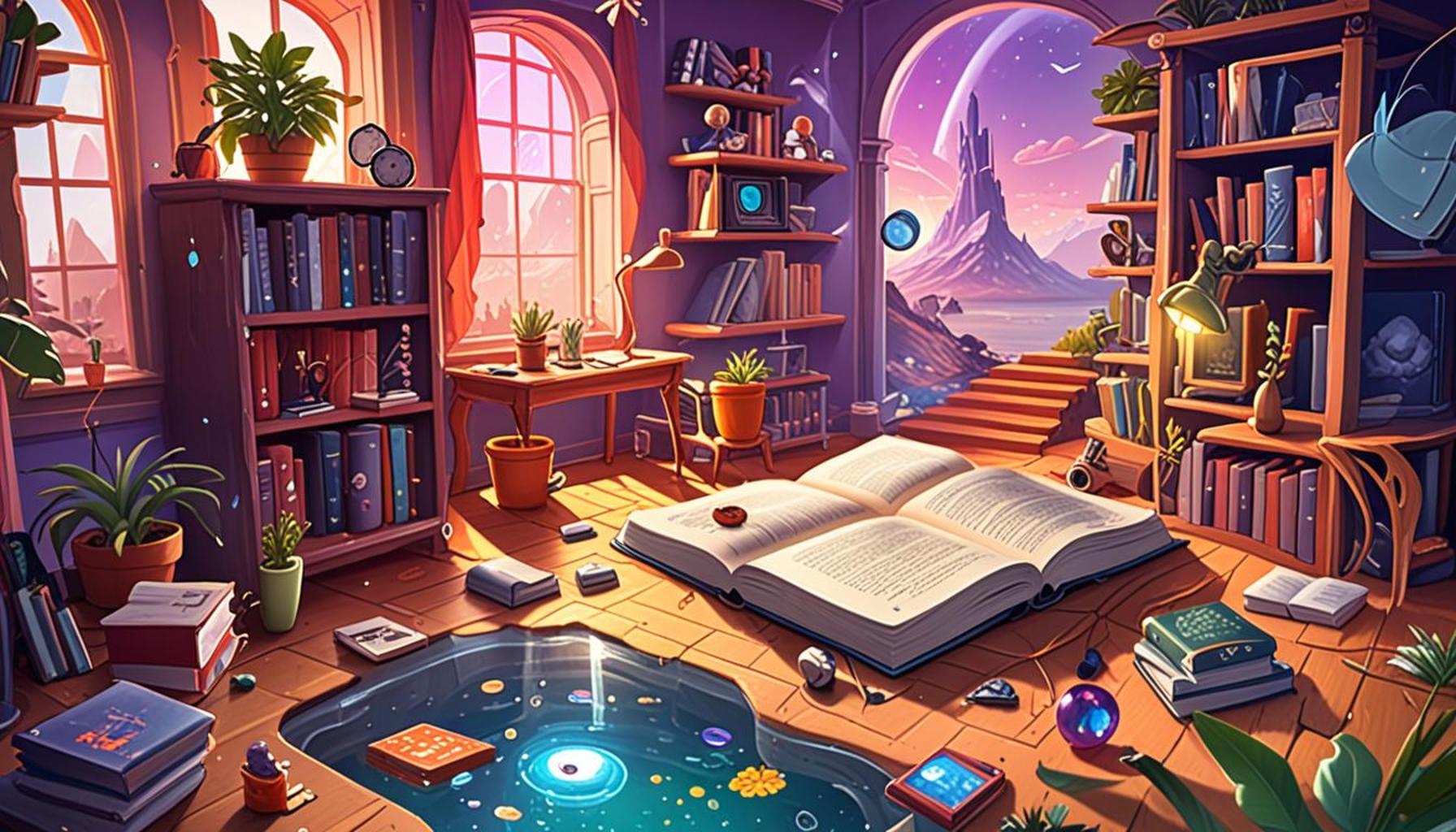
In an era where technology seamlessly intertwines with creativity, interactive literature emerges as a transformative force in storytelling. By blending narrative and gameplay, users now engage in a unique experience that captivates and immerses them in ways traditional formats cannot. This fusion promises to reshape how stories are told and experienced in the digital age, turning passive readers into active participants in their own narratives.
What is Interactive Literature?
Interactive literature refers to stories that allow readers to make choices, interact with characters, and influence outcomes. This innovative approach offers a range of features:
- Personalized narratives that adapt based on user decisions. For example, a reader might choose whether a character descends into darkness or seeks redemption, leading to vastly different endings.
- A dynamic storytelling environment where the plot evolves depending on the reader’s choices. This allows for multiple story arcs and outcomes, creating a unique experience each time a story is revisited.
- Engagement through immersive sound, visuals, and gameplay mechanics. Many interactive narratives utilize rich graphics and sound effects to enhance emotional resonance, placing the reader in the heart of the action.
Current Trends in the U.S.
Significant strides have already been made in the United States within this genre. Popular mediums include:
- Mobile apps like “Lifelife” and “Choices,” which allow interactive storytelling on-the-go. These applications typically cater to a young audience keen on exploring divergent paths and outcomes, making them a favorite among teenagers and young adults.
- Video games such as “The Walking Dead” and “Life is Strange,” which blur the lines between gaming and literature. Players navigate intricate plot lines infused with emotional depth, highlighting how video games have become a modern medium for storytelling.
- Web-based platforms like Twine, which empower creators to DIY their narratives. These platforms have democratized storytelling, encouraging writers and hobbyists to craft their own interactive tales without needing extensive programming skills.
As we venture further into this multidimensional landscape, the possibilities for interactive storytelling seem endless. This evolution not only captivates audiences but reshapes the framework of literature itself, promising a future where readers no longer observe stories but become pivotal characters within the narratives they choose to explore. This newfound agency ignites curiosity and fuels a deeper emotional investment, raising questions about the nature of authorship and creativity in the age of interactivity.
DISCOVER MORE: Click here to learn about the benefits of visual arts for mental health
The Mechanics of Immersion
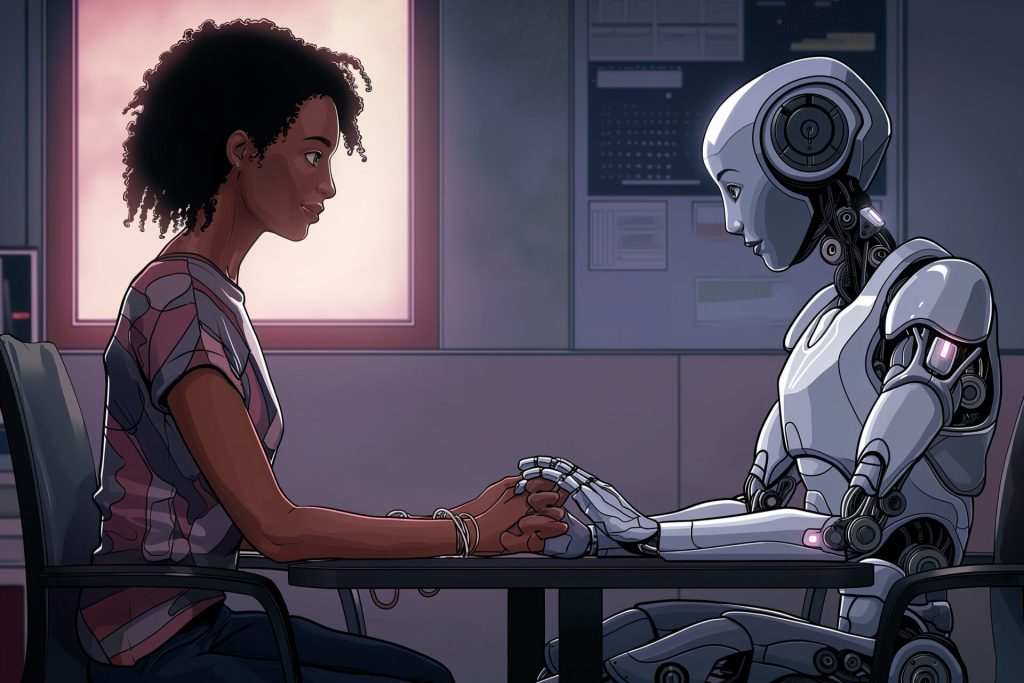
Understanding interactive literature involves delving into its mechanics, which play a pivotal role in fostering the immersive experience that defines this medium. Unlike traditional texts where readers passively absorb information, interactive literature transforms audiences into decision-makers, allowing them to navigate complex narratives through their choices. This interactivity draws on fundamental psychological principles that enhance engagement and emotional investment in the story.
Elements that Enhance Interactivity
Several crucial elements contribute to the engagement found in interactive literature. Here are some key features:
- Choice Architecture: The manner in which choices are presented can significantly affect the reader’s experience. Whether they are forced decisions with consequential outcomes or subtle, branching paths that influence character development, the structural design of choices creates a sense of agency.
- World-Building: Interactive narratives often immerse readers in richly constructed worlds. Through elaborate backstories and environments, authors can cultivate a sense of place that invites readers to explore and interact with their surroundings.
- Character Development: Characters in interactive literature can evolve based on the reader’s decisions, leading to more complex relationships and emotional stakes. Readers may feel a stronger connection to characters who respond dynamically to their choices, offering a personalized storytelling experience.
- Feedback Mechanisms: Immediate responses to readers’ actions, such as changes in narrative tone or plot direction, reinforce their impact on the story. This feedback creates a loop of engagement, where each choice directly influences the unfolding narrative.
These elements combine to create a framework where readers are not mere observers but active participants, which elevates their connection to the story. The digital mechanics behind interactive literature allow for sophisticated storytelling techniques, pushing boundaries that traditional formats struggle to overcome.
Impact on Reading Habits
The rise of interactive literature is also changing reading habits among various demographics. Studies indicate that younger generations, accustomed to digital interactivity, show a preference for stories that allow them to influence outcomes. As digital natives, they are drawn to formats that mirror their experiences in social media and gaming, fostering a culture that values participation over passivity.
As traditional mediums contend with declining engagement rates, interactive literature offers an innovative lifeline, potentially attracting a wider audience and rekindling interest in storytelling. The growing popularity of apps and games further emphasizes this shift, urging publishers and writers to rethink conventional narratives and storytelling methods.
Ultimately, as interactive literature continues to evolve, it challenges the very essence of authorship and readership, inviting conversations about creativity in a time when technology significantly alters how stories are told and experienced. The subsequent exploration of these narratives offers an exciting glimpse into the future of literature, where every choice truly matters.
The evolution of storytelling has reached a new zenith with the rise of interactive literature in games and apps. This innovative approach not only changes how narratives are consumed but also immerses audiences in experiences that are simultaneously engaging and educational. As readers become participants, they tap into a creative realm where they can influence outcomes and develop deeper connections with characters.
One striking aspect of interactive literature is its ability to cater to diverse audiences. Gamified storytelling platforms offer options for age groups, interests, and even learning preferences, making these experiences universally accessible. Furthermore, they leverage technology to pack rich multimedia within narratives, from stunning visuals to immersive soundscapes that transport users into fantastical worlds. The blend of traditional storytelling with modern technology ensures that the essence of literature is preserved while enhancing it through interactivity.
Moreover, studies indicate that participation in interactive narratives boosts critical thinking and decision-making skills. Players are often faced with choices that challenge their ethical frameworks and prompt them to consider different perspectives. This fosters not only empathy but also enhances cognitive functions, making interactive literature a powerful educational tool.
As developers continue to create immersive worlds and dynamic plots, the boundaries between traditional literature and interactive storytelling will blur. Audiences can anticipate a future rich with options, where they can explore stories in personalized ways, ultimately redefining their reading experience. This transition offers a tantalizing glimpse into how literature may evolve, inviting readers to engage with narratives in more profound and meaningful ways.
| Category 1 | Category 2 |
|---|---|
| User Engagement | Interactive narratives captivate readers by allowing them to make choices that shape the story. |
| Educational Value | They encourage critical thinking and empathy as players navigate character dilemmas. |
This seamless integration of gameplay and literature not only creates a more engaging reading experience but also sets the stage for innovative educational frameworks. As the landscape of storytelling continues to evolve, interactive literature undoubtedly stands at the forefront—reshaping our relationship with stories themselves.
DISCOVER MORE: Click here to unlock the benefits of crafting for your mental health
The Role of Technology in Shaping Interactive Experiences
As technology evolves, it significantly influences the landscape of interactive literature. Modern advancements provide creators with tools to enhance interactivity, often resulting in experiences that feel distinctly cinematic or game-like. Interactive storytelling is no longer limited to linear narratives; it has expanded into immersive realms utilizing augmented reality (AR), virtual reality (VR), and artificial intelligence (AI).
Augmented and Virtual Reality: A New Dimension
The incorporation of augmented reality and virtual reality into interactive literature heralds an era where readers can step inside a story. For instance, platforms like Oculus and HTC Vive have enabled developers to craft fully immersive narratives where users can explore vibrant worlds, solve puzzles, or interact with characters in real-time. Such experiences can deepen emotional connections and provide unparalleled immersion, allowing readers to become active participants at a sensory level.
Examples like “The Invisible Hours,” an immersive VR game, let players experience a murder mystery from multiple perspectives, challenging them to piece together the narrative while navigating a richly detailed environment. This format creates a landscape where the feeling of presence and agency is heightened, transforming the reader’s relationship with the story.
The Impact of Artificial Intelligence
Artificial intelligence is also beginning to play a crucial role in shaping interactive narratives. AI-driven characters can adapt their responses based on the reader’s choices, creating a personalized experience tailored to individual preferences. This level of customization was previously unimaginable in traditional literature, leading to significantly deeper involvement.
For example, projects like “Replika,” a chatbot that learns from user interaction, showcase how AI can allow readers to build relationships with characters that evolve over time. This dynamic setup encourages users to engage with narratives continuously, often inspiring them to revisit stories to explore alternate paths and outcomes.
The Broader Cultural Implications
The growth of interactive literature also signifies a shift in cultural dynamics around storytelling. As more individuals engage with stories that challenge traditional forms, a democratization of authorship arises. Collaborative storytelling platforms, such as Twine, allow creators from diverse backgrounds to share their narratives without the barriers usually encountered in traditional publishing. This burgeoning creative landscape invites contributions from voices that may previously have been marginalized in mainstream literature.
The ability to access, customize, and share stories fosters a culture of collective authorship. This impact is particularly significant in the United States, where demographic shifts and technological access allow previously untold stories to flourish. Such diversity not only enriches the literary field but also paves the way for more inclusive portrayals of experiences across different cultures, identities, and communities.
Market Trends and Future Developments
Market research indicates a steady rise in demand for interactive content, with consumers driven by a desire for engagement and personalization. According to a recent report by Newzoo, the gaming industry—an essential player in interactive literature—is expected to surpass $200 billion globally by 2023. Developers and publishers who recognize this trend are exploring ways to blend narrative and gameplay more seamlessly, paving the path for innovative titles that challenge the traditional boundaries of storytelling.
Platforms like Netflix are already exploring these avenues with interactive films, such as “Black Mirror: Bandersnatch,” proving that the appetite for interactive narratives extends beyond traditional media. As more fields recognize the potential of interactive storytelling, the future may usher in new forms of literature that blur the lines between reader and creator, ultimately redefining how stories are told and experienced. The possibilities are endless, hinting at a vibrant future for both creators and audiences alike.
DISCOVER MORE: Click here to uncover creative DIY ideas
Conclusion: The New Horizon of Storytelling
The fusion of technology and creativity is ushering in a revolution in interactive literature, transforming how narratives are crafted and experienced. As we have explored, innovations in augmented reality (AR), virtual reality (VR), and artificial intelligence (AI) create immersive experiences that engage readers not just as passive consumers but as active participants in the storytelling journey. The path is set for narratives that transcend traditional boundaries, offering customizable and personalized experiences that resonate on deeper emotional levels.
Furthermore, the rise of collaborative storytelling platforms is democratizing authorship and allowing diverse voices to coalesce and share their unique perspectives. This cultural shift not only broadens the literary landscape but also enriches our collective understanding of shared human experiences. The interactive literature space is becoming a vibrant tapestry woven from myriad threads of individual narratives, reflecting our global society more accurately than ever before.
Market trends suggest that the demand for immersive interactive content will continue to grow, as evidenced by notable examples in the gaming and streaming media industries. Companies are poised to innovate further, leveraging technology to blur the lines between reader and creator. As we look to the horizon, it is clear that the future of stories in game and app formats is not merely about engagement; it is about an evolving connection between storytelling and the audience that could revolutionize the entire artistic domain.
As we stand on the cusp of this new frontier, audiences are invited to embrace and explore these transformative narratives that challenge the essence of traditional storytelling. The future is bright, and the stories yet to be told promise to be as compelling and varied as the voices that will tell them.