How performative art can be a powerful form of social and political activism
The Transformative Impact of Performative Art
In the wake of ongoing social injustices and political unrest, artists across the United States are turning to performative art as an innovative vehicle for expression and activism. As a multifaceted form of art that combines elements of theater, dance, music, and visual art, performative art creates immersive experiences that can provoke thought and provoke conversations surrounding critical issues. Artists leverage this dynamic medium to evoke feelings and ignite collective action in a country striving for equity and representation.
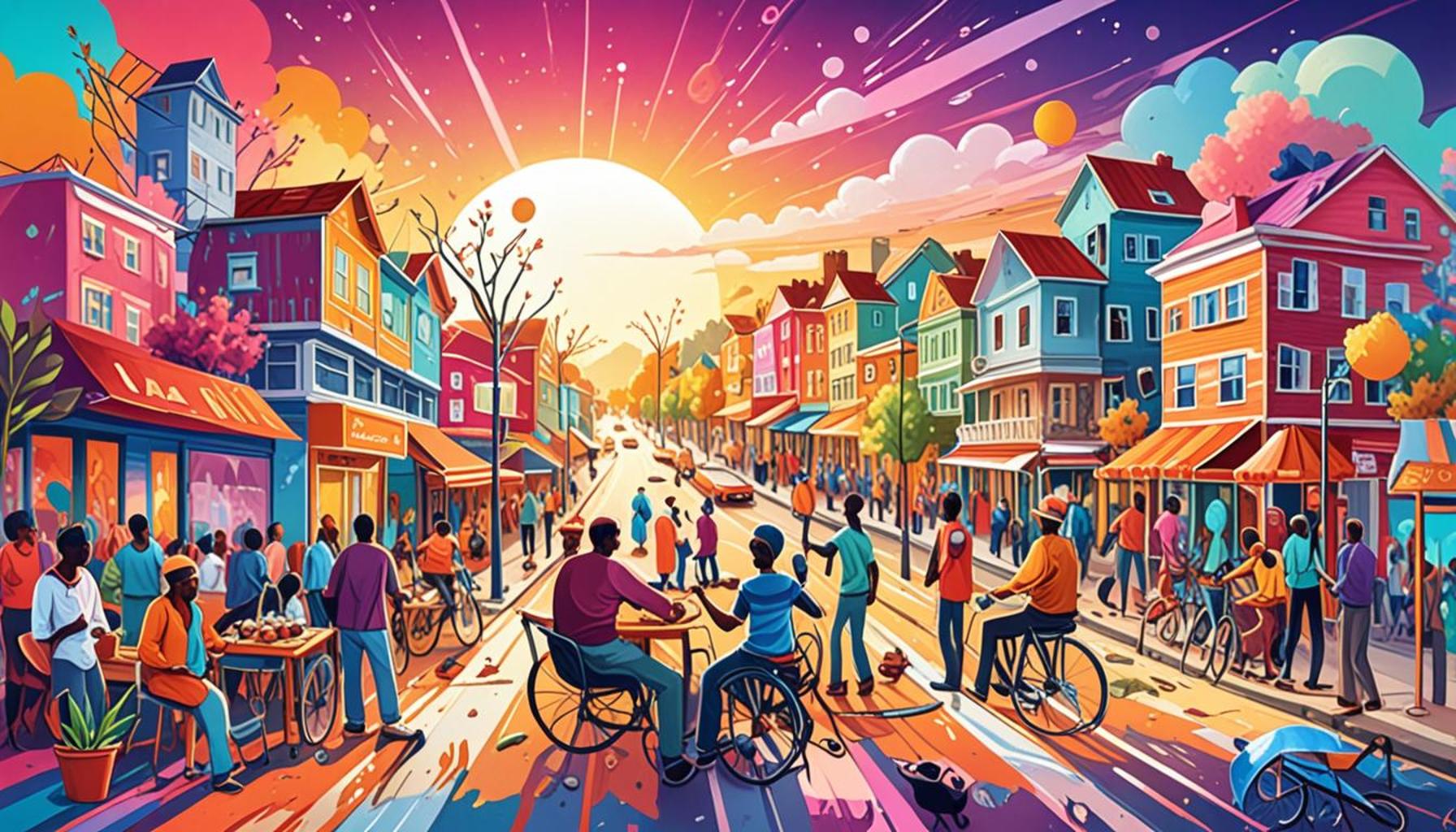
Performative art manifests in various forms, each adding a unique layer to the conversation about societal challenges. For instance, street performances, often spontaneous and community-oriented, can serve as powerful statements against systemic oppression. A notable example includes the annual “Die-In” protests organized by activists to raise awareness about police brutality, where participants lie on the ground simulating death, thereby forcing passersby to confront the stark realities of violence and injustice.
Another significant form is interactive installations, where viewers are not mere spectators but engaged participants. Such installations foster dialogue, as seen in the “The People’s Supper” initiative that brings individuals from disparate backgrounds together to share meals and stories. This participative approach breaks down barriers and coaxes individuals out of their echo chambers, facilitating genuine conversations about race, identity, and community concerns.
Furthermore, vocal protests have emerged that transform traditional venues into powerful platforms for change. Artists such as the performance group Guerrilla Girls use humor and imagery in their shows to shed light on gender and racial inequities in the art world, urging audiences to confront uncomfortable truths while driving home their messages. The combination of art and activism in these productions serves to unify diverse audiences, emphasizing the collective struggle against injustice.
The strength of performative art lies in its ability to distill complex ideas into tangible experiences that resonate across demographics. The emotional impact of these performances often leads to:
- Increased public engagement, encouraging community involvement in social issues.
- Heightened awareness of pressing matters, stimulating discussions that might otherwise remain untouched.
- A united front in the call for justice, as performance art can serve as a rallying cry that brings people together.
As artists delve deeper into their craft, they weave narratives that not only question the status quo but also inspire others to embrace activism. By examining how performative art acts as a catalyst for social and political change, we begin to understand its profound implications and transformative power in shaping the dialogue around critical societal issues in the United States. Thus, performative art not only enriches cultural landscapes but also breathes life into movements striving for justice and equity, making it a crucial aspect of contemporary activism.
DISCOVER MORE: Click here to learn how crafts can boost your mental well-being
Engagement Through Empathy: The Power of Performative Art
At the heart of performative art lies its unique ability to harness empathy as a means of engagement. By visually and emotionally presenting stories and struggles, artists amplify the voices of marginalized communities and inspire audiences to confront their own biases and experiences. This evocative quality sets performative art apart, providing an avenue for challenging societal norms and advocating for change.
One remarkable instance of this power is seen in the work of artists who utilize performance poetry as a tool for activism. Spoken word performances, like those showcased at the popular national competition, Brave New Voices, feature young poets sharing personal narratives that tackle topics such as systemic racism, sexual identity, and mental health. These performances often resonate with viewers by weaving together personal experiences with broader social critiques, igniting introspection and discussion long after the final word is spoken.
Similarly, the resurgence of theater as activism has found a foothold in the American landscape. Theater companies, such as the renowned Red Ladder Theatre Company and the Working Theater, create compelling narratives that pull from the lived experiences of their communities. By staging plays that depict real struggles against economic inequality or immigration policies, they engage audiences in difficult conversations, prompting them to reflect on their roles in promoting or combating injustices in society.
Dance as an activist medium also exemplifies the power of the performative arts. Choreographers like Alvin Ailey and Michelle Dorrance use movement to narrate stories of resilience, identity, and cultural heritage. Projects like the “Black Lives Matter” dance initiative, which encourages dancers to interpret issues of police violence and systemic racism through movement, serve as reminders of the power of art to express solidarity and motivate action in the face of adversity.
The intriguing nature of performative art is further heightened by its ability to reach diverse audiences. Here’s how it serves as a tool for social and political activism:
- Accessibility: Performative art can be experienced in various settings—from public spaces to community centers—making it widely accessible to diverse demographics.
- Real-time interaction: The immediate response of live performances allows artists and audiences to engage in a dynamic dialogue, creating a shared sense of urgency around pressing issues.
- Cultural reflection: Through the lens of different cultural perspectives, performative art reflects societal realities, encouraging viewers to reconsider their roles within the community and their social commitments.
The emergence of these diverse forms of performative art as a social and political catalyst illustrates its pivotal role in shaping discourse in the United States. As artists push boundaries, audiences are invited to step outside their comfort zones, fostering an environment ripe for discussion and ultimately, activism. By studying the intersection of art and social change, we can appreciate the profound implications that performative art holds for redefining the narrative surrounding civil rights and justice in contemporary society.
Exploring Performative Art as an Agent of Change
Performative art possesses an undeniable ability to challenge societal norms and provoke critical thought surrounding social and political issues. Artists utilize various mediums such as theater, dance, and visual art to create immersive experiences that engage audiences on a deeper emotional level. This engagement can transform passive viewers into active participants in social dialogues.One prominent example is the use of street theater in protest movements. By bringing art into public spaces, performers can convey messages that resonate with a broad audience, often addressing issues that are overlooked by mainstream media. Such art forms aim to create a visceral connection between the audience and the themes being explored, making the messages more impactful and memorable.Moreover, performative art can highlight marginalized voices within society. Artists often use their platforms to amplify the stories and struggles of underrepresented groups, helping to foster awareness and greater understanding of systemic injustices. This form of activism not only informs the public but also inspires solidarity and action towards change.In this realm, interactive installations invite audience members to engage directly with the art, encouraging them to reflect on their own beliefs and motivations. This transformative process is central to the power of performative art in activism—it can provoke introspection and spark conversations around critical topics such as climate change, racial inequality, and gender rights.To dive deeper into the significance of performative art in effecting societal changes, consider exploring how artists craft specific narratives that can dismantle long-standing prejudices and stimulate new ways of thinking. Performance art’s unique capacity for empathy serves as a bridge between individuals and communities, fostering a shared experience that transcends conventional activism boundaries.
| Advantage | Importance |
|---|---|
| Emotional Engagement | Art can evoke deep emotions, prompting audiences to reflect on crucial issues. |
| Amplifying Marginalized Voices | Performative art serves as a platform for those often unheard in society, promoting broader awareness. |
DISCOVER MORE: Click here to dive into the latest craft trends
Amplifying Voices: The Role of Community in Performative Activism
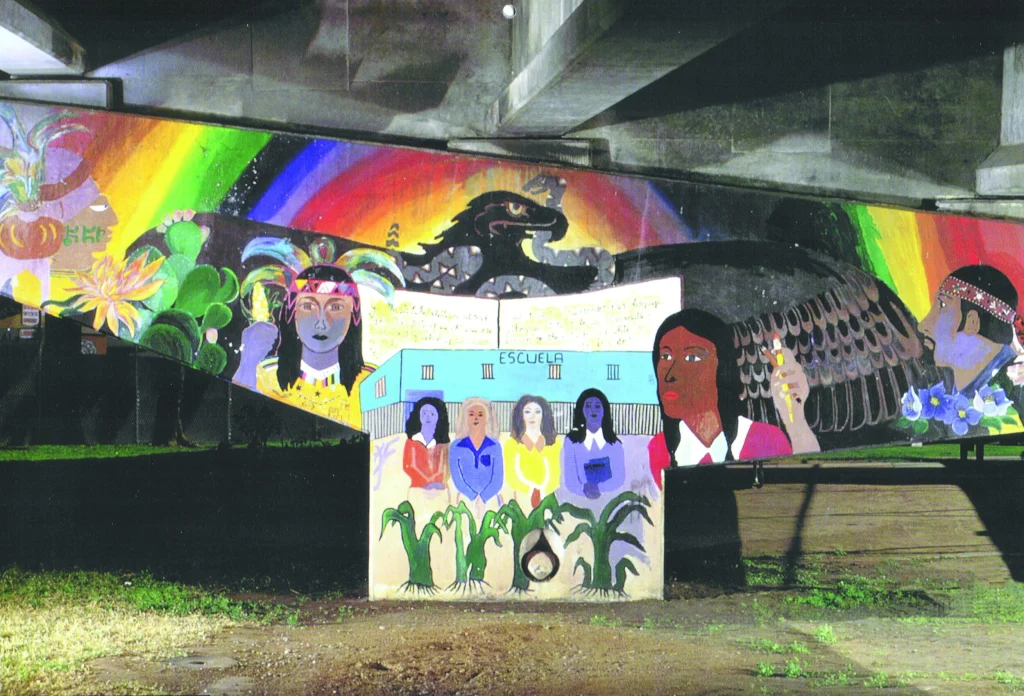
As performative art continues to redefine narratives around social justice, the importance of community engagement becomes increasingly evident. Community-based performative art projects foster collective storytelling and create a space where diverse voices can be heard. Through collaborations with local organizations and activists, artists can tap into the unique experiences of individuals within a community, turning personal struggles into shared performances that unify audiences and advocates.
One notable example is the initiative known as Peer Health Exchange, where youth in underserved communities utilize performative art to address critical health issues, such as mental health awareness and substance abuse. By blending drama, poetry, and interactive workshops, young artists become conduits of change, empowering their peers to openly discuss topics that are often stigmatized. This active participation reinforces their agency while educating their communities on vital social concerns.
The integration of digital media with performative art has also revolutionized activism, particularly during the COVID-19 pandemic. Performances streamed on platforms like Instagram Live or Zoom have brought together audiences across geographical barriers, fostering a sense of solidarity among activists nationwide. The success of initiatives like Black Lives Matter virtual performances highlights how artists are using technology to amplify their messages and galvanize support for civic movements. Audience engagement through social media allows for real-time feedback and widespread sharing of messages, thus furthering the reach and impact of performances.
Government and institutional recognition of performative art’s role in activism is now becoming more common. Grants and funding opportunities specifically aimed at supporting performative art projects that advocate for social issues provide artists with resources to expand their initiatives. For instance, the National Endowment for the Arts has awarded grants to various performative art projects that focus on racial justice, economic disparities, and environmental issues, enabling broader access to transformative art experiences.
In addition, the challenge of censorship highlights the importance of performative art as a means of dissent. Artists like Ai Weiwei and Marina Abramović have faced backlash for their politically charged works, illustrating the power of performance to provoke thought, question authority, and spark dialogue. In the United States, many performers address controversial topics related to free speech, revealing the thin line artists walk between creative expression and societal norms.
- Collaboration with communities: Performative art fosters a sense of ownership and agency in communities, enabling individuals to explore collective identities and challenges.
- Cross-platform sharing: Digital platforms broaden the audience base, allowing for diverse participation and dialogue regarding pressing social issues.
- Institutional support: Increased funding and recognition of performative art projects illustrate a growing commitment to art as a valid method of activism.
- Censorship as a catalyst: The reactions to politically charged performative art underscore its capabilities to provoke critical discussions around freedom of expression.
As communities continue to engage with performative art, their ability to challenge injustices is enhanced. Through this medium, artists not only convey complex social realities but also serve as facilitators of change, encouraging active participation in the pursuit of justice and equity. The conversation around performative art as a tool for activism is constantly evolving, and its potential to reshape societal dynamics remains boundless.
DISCOVER MORE: Click here to dive deeper
Conclusion: The Transformative Power of Performative Art in Activism
In an era where social and political divides seem wider than ever, performative art emerges as a vital force for change, reflecting the collective consciousness and struggles of communities. This form of activism weaves together creativity and advocacy, allowing artists to communicate urgent social issues through immersive and resonant experiences. By fostering collaboration and participation, performative art revitalizes collective narratives, giving voice to those often marginalized in dominant discourses.
The rise of digital platforms has further amplified the reach of performative art, democratizing access to diverse narratives and facilitating real-time engagement. Virtual performances have not only overcome geographical barriers but have also ignited global conversations around pressing issues such as racial and economic justice, mental health, and environmental degradation. This interconnectedness reinforces the essential role of art in mobilizing social movements and fostering empathy across divides.
Moreover, governmental and institutional recognition of the significance of performative art in activism marks a pivotal shift in how society views artistic expression as a catalyst for change. As grants and support for art projects aimed at advocating social concerns grow, artists are equipped with the resources to push boundaries, create impactful dialogues, and challenge the status quo.
Ultimately, the capacity of performative art to inspire, provoke, and unite serves as a powerful reminder of its potential as a transformative tool for social and political activism. As communities harness this creative medium, the path toward justice, equity, and understanding becomes not just possible but dynamic, paving the way for a more inclusive and engaged society. The journey of performative art in activism continues to unfold, inviting further exploration and commitment from both artists and audiences alike.