How culinary art can be a form of personal and cultural expression
Culinary Art as a Voice for Expression
The realm of culinary art extends far beyond the mere act of preparing meals. It serves as a profound medium for personal and cultural expression. Through food, chefs and home cooks alike articulate their stories, preserve their heritage, and celebrate their identities. Each dish is a canvas that reflects a fusion of emotions, experiences, and diverse cultural backgrounds. In a country as diverse as the United States, this expression is particularly rich and varied.
- Personal narratives: The choice of ingredients and cooking methods often resonates with deep personal significance for individuals. For instance, a chef might use family recipes passed down through generations, imbuing their creations with cherished memories of childhood. An example can be found in the resurgence of home canning and preserving, where individuals rediscover old family recipes that connect them to their roots.
- Cultural representations: Traditional recipes offer a glimpse into the cultural heritage of various communities, serving as a link to their histories. Foods such as tamales during Christmas celebrations in Latino communities, or cornbread and collard greens in Southern gatherings, often accompany significant life events, creating a tapestry of shared experiences. Each dish can reflect not just nostalgia but also the everyday realities of cultural identity.
- Social commentary: Culinary creations can also serve as powerful critiques of societal norms, highlighting issues ranging from sustainability to social inequality. Chefs like José Andrés have used their culinary platforms to advocate for humanitarian issues, employing food as a means to spark conversations about poverty and hunger. Such efforts showcase how the culinary world can mobilize activism while feeding communities.
In the diverse melting pot of the United States, culinary art exemplifies an intricate tapestry of influences. From the bold flavors of New Orleans gumbo, emblematic of its Creole and Cajun heritage, to the vibrant food markets of New York City, where countless immigrant cultures converge, every plate tells a unique story. Understanding this connection between food and identity can lead to a deeper appreciation of the multifaceted nature of American society, illuminating how culinary traditions can bring people together.
Looking Ahead
In this exploration of culinary arts, we will examine how food acts as a vehicle for self-expression and cultural dialogue. By delving into various culinary practices and their origins, readers will uncover the rich layers of meaning that food contributes to our lives and communities. This journey not only enriches our understanding of taste but also opens pathways to appreciate the depth of human experience shaped through the art of cooking.
DIVE DEEPER: Click here to elevate your presentation skills
The Heart of Culinary Expression
When we delve into the world of culinary art, it’s essential to recognize how it embodies the essence of personal expression and serves as a vessel for maintaining cultural heritage. Each meal prepared is not merely a combination of ingredients but a story told through flavors, aromas, and presentation. This transformation from raw ingredients to a finished plate reflects the chef’s emotions, memories, and intentions, allowing food to convey messages that transcend words.
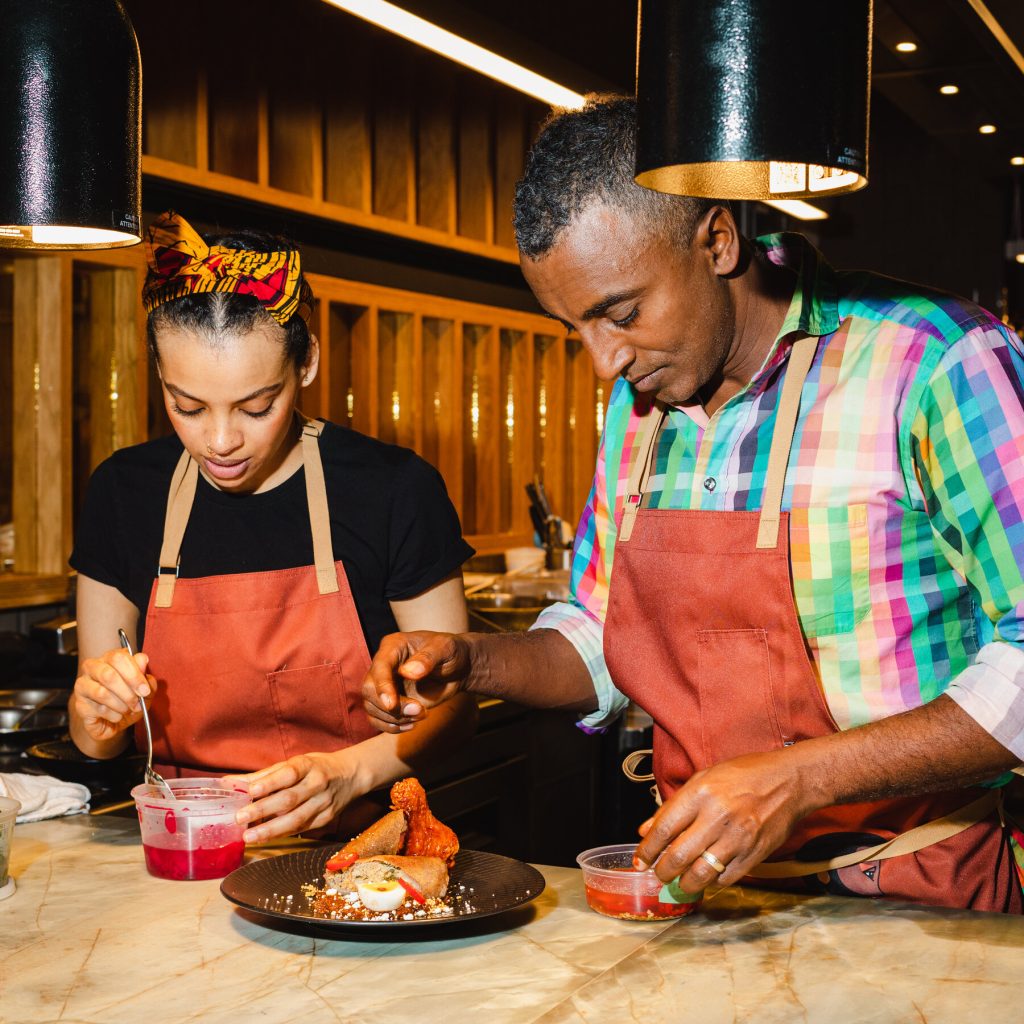
Across the United States, the impact of individual and cultural backgrounds in culinary creations is profound. Here are a few key aspects to consider:
- Individual Ingredients: The choice of components in a dish can tell a great deal about personal heritage. Consider a chef who integrates their grandmother’s secret spice blend into modern recipes. This synthesis not only revives memories but also transforms every bite into a remembrance of family gatherings, seasonal celebrations, and dedication to tradition. Crafting a dish that is both personal and innovative showcases an artist’s journey through culinary exploration.
- Cultural Influences: Immigrant communities across the U.S. have played a significant role in shaping the culinary landscape. Traditional family recipes often adapt and evolve in new environments, retaining their original essence while embracing local ingredients. For instance, the popularization of Thai food in cities like Los Angeles reflects the adaptation of authentic flavors, where chefs incorporate locally sourced produce into classic dishes like Pad Thai. This ever-evolving culinary practice highlights the importance of food in crafting a cultural narrative.
- Festivals and Gatherings: Food plays a vital role in communal celebrations and rituals, reinforcing cultural identity. Events such as Thanksgiving highlight traditional dishes like turkey and cranberry sauce, bringing together families to reflect on shared histories and values. Similarly, the Lunar New Year is celebrated with dumplings and noodles, symbolizing good fortune and longevity. The act of cooking specific dishes for these festivities encapsulates cultural connection, bonding individuals through shared experiences rooted in food.
Moreover, how culinary artists present their dishes is also a form of expression. The visual appeal of a meal can evoke emotions and trigger memories, much like a well-crafted piece of art hanging on a gallery wall. Chefs are increasingly experimenting with plating techniques that combine color, texture, and height, making food a feast for the eyes as much as for the palate. This artistic flair infused with personal touches offers diners not only nourishment but also an experience that resonates on deeper levels.
The Dialogues on Plates
Culinary art is more than just creating food; it is an intricate dialogue between the past and the present, the individual and the community. Through the exploration of flavors and culinary traditions, we uncover layers of identity and emotional resonance embedded in each dish. This article will explore the ways in which culinary art transcends mere sustenance, elevating food to a powerful form of expression that communicates a multitude of narratives and experiences.
| Category | Description |
|---|---|
| Personal Expression | Culinary art allows individuals to showcase their unique creativity, preferences, and personality through the dishes they prepare. |
| Cultural Identity | Food can serve as a cultural narrative, where traditional recipes and cooking techniques preserve and convey the heritage of communities. |
| Connection and Communication | Sharing food fosters relationships, dialogues, and an appreciation for diverse cultures, enhancing social bonds. |
| Innovation | Culinary artists continually experiment with flavors and presentations, leading to the evolution of dishes and cuisines. |
In examining how culinary art serves as a form of personal and cultural expression, we uncover layers that are rich and compelling. A core aspect is personal expression, where the chef’s unique tastes and styles are reflected in their creations. This individual flair invites diners into a sensory experience that transcends mere sustenance. Furthermore, culinary practices act as vessels of cultural identity, preserving historical narratives and bringing traditional flavors from generations past to the present.This dynamism extends into social contexts, as the act of sharing a meal often becomes a bridge that connects people. It creates avenues for communication and understanding across diverse backgrounds. From vibrant street food scenes to upscale gastronomic experiences, food resonates with cultural stories that invite exploration and appreciation. Innovation is yet another notable feature, as the culinary landscape continues to evolve through creative experimentation, challenging norms, and inspiring new culinary movements. Each dish prepared and shared adds to the rich tapestry of culinary art, continuously shaping both personal identities and collective cultural narratives.
DISCOVER MORE: Click here to dive deeper
Culinary Arts as a Canvas of Identity
The intricate relationship between culinary art and personal identity is vividly evident in the diverse practices of home cooks and professional chefs alike. The kitchen becomes not just a space for preparing meals, but a lively studio where one’s background, personality, and sentiments are stirred into every dish. This unique intertwining of personal narrative and cultural history reveals how culinary arts can evoke connection and resonance.
- Fusion Cuisine: In a fast-globalizing world, culinary artists are embracing the concept of fusion cuisine as a means of self-exploration and cultural dialogue. Chefs fuse flavors, techniques, and traditions from different cultures to create innovative dishes that reflect their multicultural identities. A prime example can be seen in the rise of Korean tacos, where the beloved Mexican street food embraces Korean bulgogi and kimchi. This creative juxtaposition not only introduces diners to new flavors but also promotes an intercultural exchange that showcases the chef’s journey and personal history.
- Artistic Narratives: Many chefs infuse their culinary creations with personal stories that resonate with their audience. For instance, renowned chefs like José Andrés have used their platforms to highlight social issues through food, infusing dishes with themes of community, resilience, and compassion. Through charity dinners, such as his efforts with World Central Kitchen, these artists use their culinary prowess as a tool for advocacy, transforming food into a medium that weaves both personal and cultural narratives while addressing pressing social concerns.
- Culinary Challenges: Participating in food competitions and cooking shows, chefs often explore their heritage as they narrate their culinary histories through dishes. A contestant might present cultural heirlooms such as a family recipe passed down generations, showcasing the significance behind culinary heritage. These platforms create visibility for diverse culinary expressions, giving chefs the confidence to articulate their identity while pushing the boundaries of conventional cooking.
The role of culinary arts in the realm of social media cannot be overlooked. Platforms like Instagram and TikTok have given rise to a generation of food influencers who share not only recipes but also the stories behind them. The colorful plates and engaging narratives can spark interest in traditional cuisine, leading to resurgence in cultural pride. When chefs recount the memories attached to a particular dish or celebrate ingredients from their lineage, they invite a community to participate in a shared cultural experience that transcends geographical boundaries.
The Power of Culinary Storytelling
As culinary artists construct their dishes, they weave a rich tapestry of personal journeys and cultural stories, allowing diners to experience a deeper connection to the food they consume. The telling of these stories through food exemplifies the transformational nature of culinary art and its ability to act as a powerful medium for expression across communities. By using the plate as a canvas, chefs narrate their identities, cultural legacies, and emotional histories, showcasing that the heart of culinary art lies in its profound capacity to foster understanding and camaraderie among diverse populations.
DIVE DEEPER: Click here to uncover modern craft trends
Wrapping Up the Conversation on Culinary Expression
In conclusion, culinary art serves as a vibrant conduit for both personal and cultural expression, bridging gaps between individuals and communities. As cooks and chefs infuse their dishes with personal histories, cultural traditions, and social narratives, they elevate food from a mere sustenance to a storytelling medium that resonates deeply with diners. The rise of fusion cuisine is a testament to this phenomenon, where the amalgamation of diverse culinary influences fosters a greater appreciation for our globalized world.
Moreover, in the age of social media, culinary artistry has reached unprecedented heights as chefs share their culinary tales and unique creations, inviting a broader audience to engage and connect with varied cultures. Platforms such as Instagram and TikTok empower culinary artists to spotlight their heritage while sparking curiosity and appreciation for traditional cuisines, thereby revitalizing cultural pride among younger generations.
Ultimately, the power of food lies in its capacity to be a medium for expressing complex narratives, challenging social norms, and fostering connections with others from different walks of life. The way culinary artists intertwine ingredients, techniques, and stories not only enriches their culinary creations but also cultivates a sense of belonging among those who partake in their culinary experiences. As we continue to explore the art of cooking, let us celebrate food as an essential expression of our identities and cultural histories, inspiring a future where culinary diversity is cherished and preserved.