How crafting can be a form of therapy and self-care
Exploring the Therapeutic Benefits of Crafting
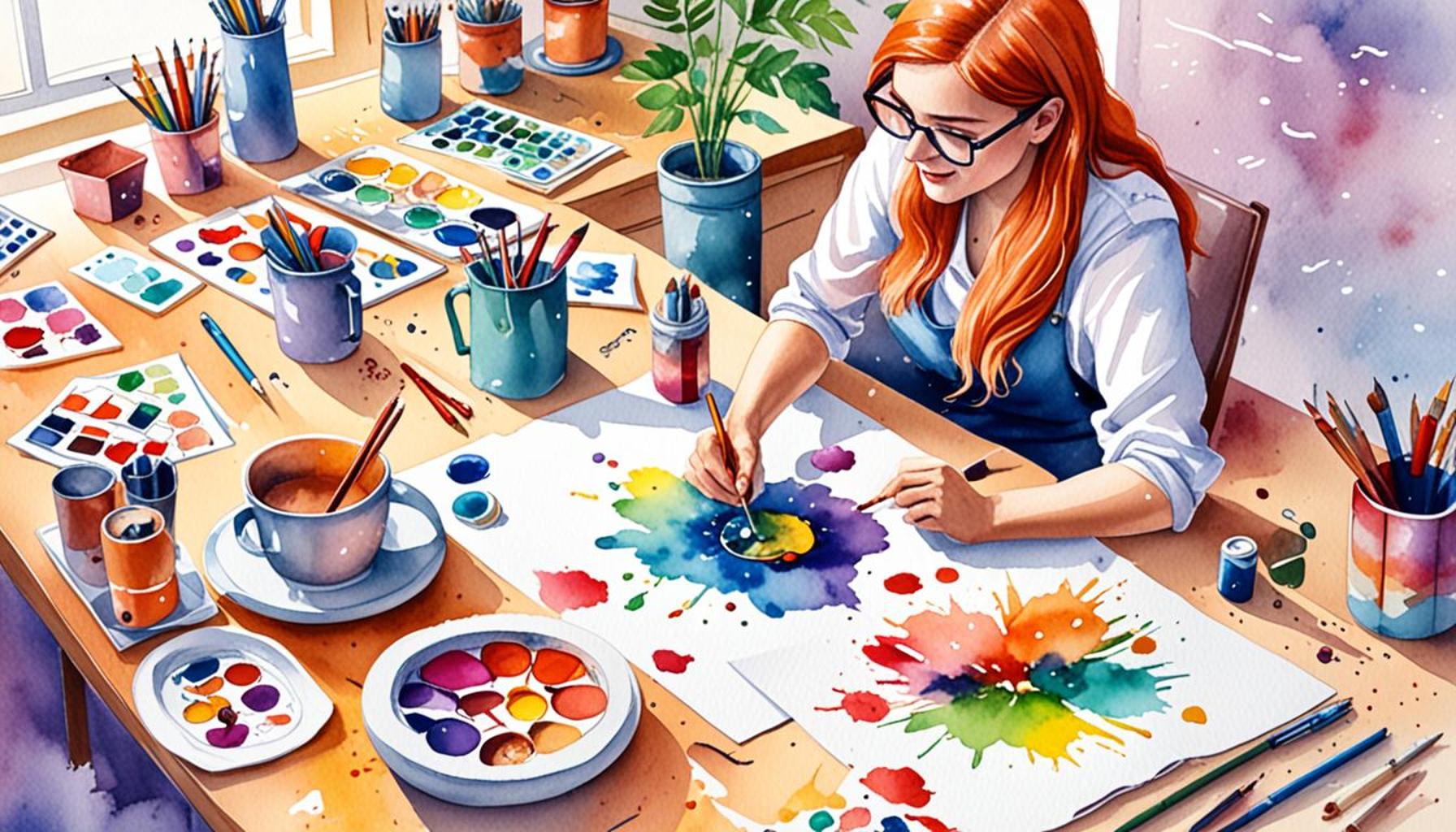
In today’s fast-paced and often overwhelming world, more and more individuals are turning to creative outlets as a means of managing stress and anxiety. One of the most effective—yet frequently overlooked—approaches is crafting. Engaging in activities such as knitting, painting, or woodworking offers not just a temporary diversion but also fosters emotional healing and resilience.
Research has underscored the mental health benefits of crafting, illuminating the ways it serves as a therapeutic practice. For example, studies have shown that the act of creating can significantly reduce stress levels. When participants immerse themselves in a craft project, they often experience a shift in focus, temporarily distancing themselves from life’s stressors, whether it be work-related pressures or personal challenges. Activities like crocheting or scrapbooking can create a sense of calm, allowing individuals to recharge.
Furthermore, the sense of achievement associated with completing a crafting project can dramatically boost one’s mood. Whether it’s finishing a painting, sewing a garment, or successfully constructing a piece of furniture, this sense of accomplishment can evoke feelings of joy and pride. In fact, countless anecdotal accounts highlight how individuals feel revitalized and inspired after completing a craft, illustrating how creativity can directly correlate with mental well-being.
Another remarkable aspect of crafting is its ability to foster mindfulness. The repetitive nature of some crafting activities encourages participants to enter a meditative state, where they can focus on the present moment. This mindfulness practice is not unlike that of meditation, where being absorbed in the activity helps reduce anxiety and clears the mind. For instance, numerous adults have found solace in the rhythmic motion of knitting, which not only produces a tangible result but also clears mental clutter.
Engaging in diverse crafting activities—from pottery to woodworking—allows individuals to explore various forms of self-expression. Each craft resonates uniquely with different people, enabling them to discover their own talents and preferences. For many, crafting is more than just a pastime; it creates a sense of community and connection. Craft fairs and workshops bring together like-minded individuals, providing an opportunity for social interaction and shared experiences, essential for emotional well-being.
As you explore the world of crafting, it becomes evident that this practice is much more than a hobby. It can serve as a crucial component in the journey towards emotional health, offering therapeutic benefits that are both profound and lasting. Each project undertaken not only nurtures creativity but also contributes to overall mental wellness, highlighting the importance of crafting in our lives, one stitch or brushstroke at a time.
DIVE DEEPER: Click here to discover the latest trends
The Intersection of Creativity and Mental Well-Being
Crafting is increasingly recognized as a valuable tool for mental health, with its benefits extending far beyond the mere act of creating. For many, crafting provides a meaningful escape, allowing individuals to express emotions that words often fail to capture. The tactile nature of crafting—working with clay, fabric, or wood—cultivates a sensory experience that can ground individuals, providing a refuge from daily stressors.
One key element in the therapeutic potential of crafting is the release of dopamine, the “feel-good” neurotransmitter. Engaging in creative activities triggers a neurochemical response that can elevate mood and foster feelings of happiness. According to a study published in the Journal of Positive Psychology, participants who engaged in arts-based crafts reported a 75% increase in overall feelings of well-being. This suggests that crafting not only serves as a coping mechanism but actively enhances our emotional state.
Moreover, crafting can act as a platform for exploring personal identity and creativity. Individuals are often encouraged to immerse themselves in projects that resonate with their interests and experiences. This exploration can take many forms, including:
- Knitting and Crocheting: Known for its repetitive motions, knitting can create a sense of calm while allowing individuals to produce tangible items.
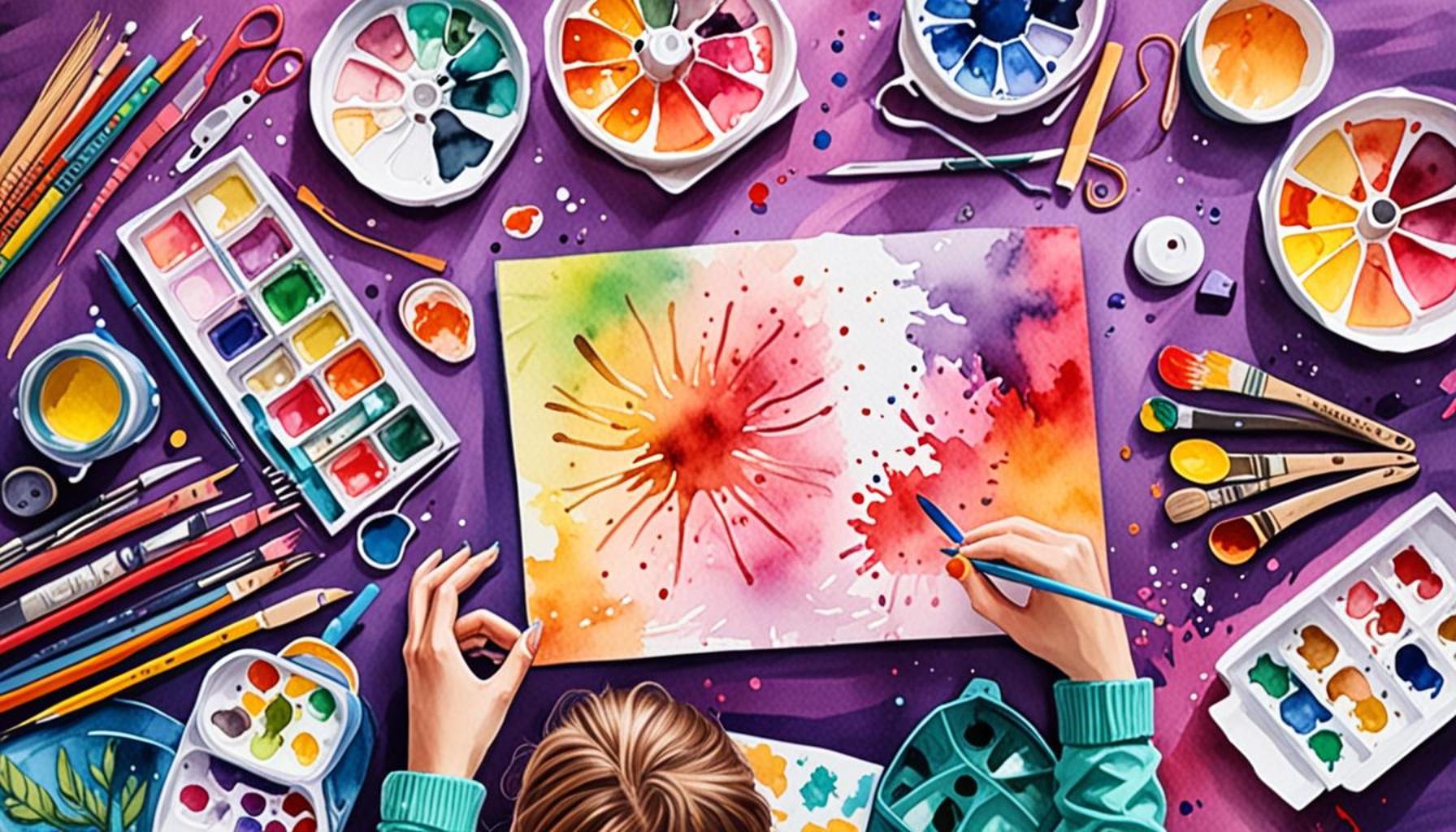
- Painting and Drawing: These mediums provide a broad canvas for self-expression, encouraging individuals to explore their emotions through color and composition.
- Sculpting and Pottery: Working with clay engages the senses and can foster a deeper connection to one’s creative self.
- Digital Crafting: With the rise of technology, digital platforms for art and design have opened new avenues for creative expression.
Another layer of benefit comes from the social aspect of crafting. Engaging in group crafting activities, whether through workshops or casual meet-ups, can build a sense of community. For many, these communal experiences provide an essential network of support and social interaction, elements that are crucial for emotional health. Studies reveal that social engagement is a key factor in reducing feelings of isolation and depression, making crafting a double-edged sword of creativity and connection.
Ultimately, the multifaceted benefits of crafting make it an accessible and empowering form of self-care. It provides individuals with an opportunity to not only engage with their creativity but also foster resilience. As people continue to explore the therapeutic aspects of crafting, it becomes clear that this practice has the potential to transform the way we view mental health and self-expression.
Exploring the Therapeutic Benefits of Crafting
Crafting is not just a pastime; it is a profound journey into self-discovery and emotional healing. Engaging in creative activities like knitting, painting, or woodworking provides a constructive outlet for stress and anxiety. As individuals immerse themselves in their projects, they enter a state of mindfulness, allowing therapeutic benefits to unfold.
Research shows that hands-on activities can significantly decrease levels of cortisol, the stress hormone, leading to improved mental well-being. Additionally, crafting fosters a sense of accomplishment, providing individuals with tangible results that enhance self-esteem. The act of creating can also serve as a distraction from life’s challenges, offering a welcome escape into a world of imagination and expression.
| Category | Advantages of Crafting |
|---|---|
| Mindfulness | Crafting encourages focus on the present moment, reducing anxiety and promoting relaxation. |
| Creativity Boost | Engaging in creative pursuits nurtures problem-solving skills and innovative thinking. |
In addition, crafting builds communities through shared experiences. Workshops or group crafting sessions enable social connections, reducing feelings of isolation. This social interaction is essential in enhancing emotional resilience and overall well-being, emphasizing that crafting transcends simple enjoyment—it is a lifeline for many seeking solace and purpose.
DISCOVER MORE: Click here to learn how to cook sustainably
The Healing Power of Crafting: Professional Insights and Personal Journeys
Beyond the anecdotal benefits, the therapeutic potential of crafting is gaining recognition within professional circles. Art therapy practitioners incorporate crafting into treatment regimens for various mental health issues, from anxiety to PTSD. By tapping into the brain’s creative and intuitive faculties, patients can confront and process complex emotions in a non-verbal way. Registered art therapists often guide clients to explore their inner landscapes through mediums like collage and mixed media art, opening up dialogues about feelings that may be too painful or difficult to articulate.
Furthermore, the role of mindfulness in crafting cannot be overlooked. Engaging in crafts such as sewing or woodworking often requires focus and attention to detail, encouraging individuals to be present in the moment. This mindfulness practice can serve as a natural antidote to anxiety and stress, allowing the mind to quiet down and focus on the task at hand. Studies have shown that even short sessions of focused crafting can significantly reduce cortisol levels, the hormone associated with stress, thus promoting a sense of calm and well-being.
In the United States, various community programs are capitalizing on these insights. Programs like “Crafting for Community” bring together individuals dealing with trauma or chronic illnesses, providing a safe space to connect and create. Participants often report feeling empowered by the ability to create something meaningful from their experiences, transforming pain into a form of art. Similarly, organizations like “The Knitting Circle” provide supportive networks for those fighting depression, where the act of crafting together cultivates both camaraderie and resilience.
Another fascinating aspect of crafting as therapy lies in its accessibility. Many forms of crafting require minimal supplies, making them available to a broad audience. A ball of yarn and some needles can yield a lifetime of therapeutic activities, while even digital art forms can be practiced with just a computer or tablet. This affordability often encourages individuals to embrace crafting as a viable coping strategy, especially in settings where professional mental health services may be limited.
Crafting as Legacy: Building Connection Across Generations
Crafting also has a nostalgic component—transmitting skills and traditions from one generation to another. Grandparents passing down family recipes, sewing techniques, or knitting patterns can enhance familial bonds and provide a sense of belonging. This intergenerational exchange fosters emotional ties that can act as protective factors against mental health challenges. When children engage in crafting with their elders, they not only learn a valuable skill but also participate in a shared ritual that can bolster self-esteem and connection.
The creative landscape of crafting continually evolves, with influences from various cultures enhancing its appeal. For example, the rise of DIY culture and online tutorials has made it easier than ever to embark on new crafting journeys. Websites such as YouTube and Pinterest provide endless resources for crafters at every skill level, encouraging everyone to explore different techniques and projects. This democratization of crafting can empower individuals to discover their unique voice in the creative process, further deepening its therapeutic benefits.
In summary, crafting is more than just a pastime; it is a multi-dimensional approach to therapy and self-care. With proven psychological benefits, enhanced community engagement, and the potential for personal exploration, crafting remains a powerful avenue for self-expression and healing in an increasingly complex world.
DISCOVER MORE: Click here to learn about the healing power of art
Embracing Crafting as a Form of Therapy and Self-Care
In conclusion, the therapeutic benefits of crafting extend far beyond mere enjoyment; they serve as vital tools for self-care and emotional healing. As highlighted throughout this article, crafting provides a unique outlet for self-expression, enabling individuals to confront their feelings and explore their identities in safe and constructive ways. The incorporation of mindfulness into the creative process not only enhances focus but also fosters a sense of presence that mitigates anxiety and stress. With community programs and workshops championing inclusion and accessibility, crafting has emerged as a resource that anyone can tap into, regardless of financial situation or artistic skill level.
Moreover, the connection forged through intergenerational crafting strengthens family bonds and nurtures a sense of belonging, creating lasting legacies that enrich the emotional landscape of communities. This multi-layered approach to creativity has gained momentum in therapeutic settings, leading to greater recognition by mental health professionals who advocate for the integration of crafting into treatment plans.
As we move towards a more holistic understanding of mental health, it is essential to recognize crafting not merely as a hobby but as a valid and effective strategy for enhancing well-being. Whether you’re picking up a paintbrush, knitting needles, or sculpting tools, consider how engaging in these artistic ventures can pave the way for personal rejuvenation. So why not take the leap? Start your crafting journey today; it’s not just about creating—it’s about healing.