Food as a Form of Protest: Culinary Creativity in Times of Crisis and Social Change

The Role of Food in Societal Movements
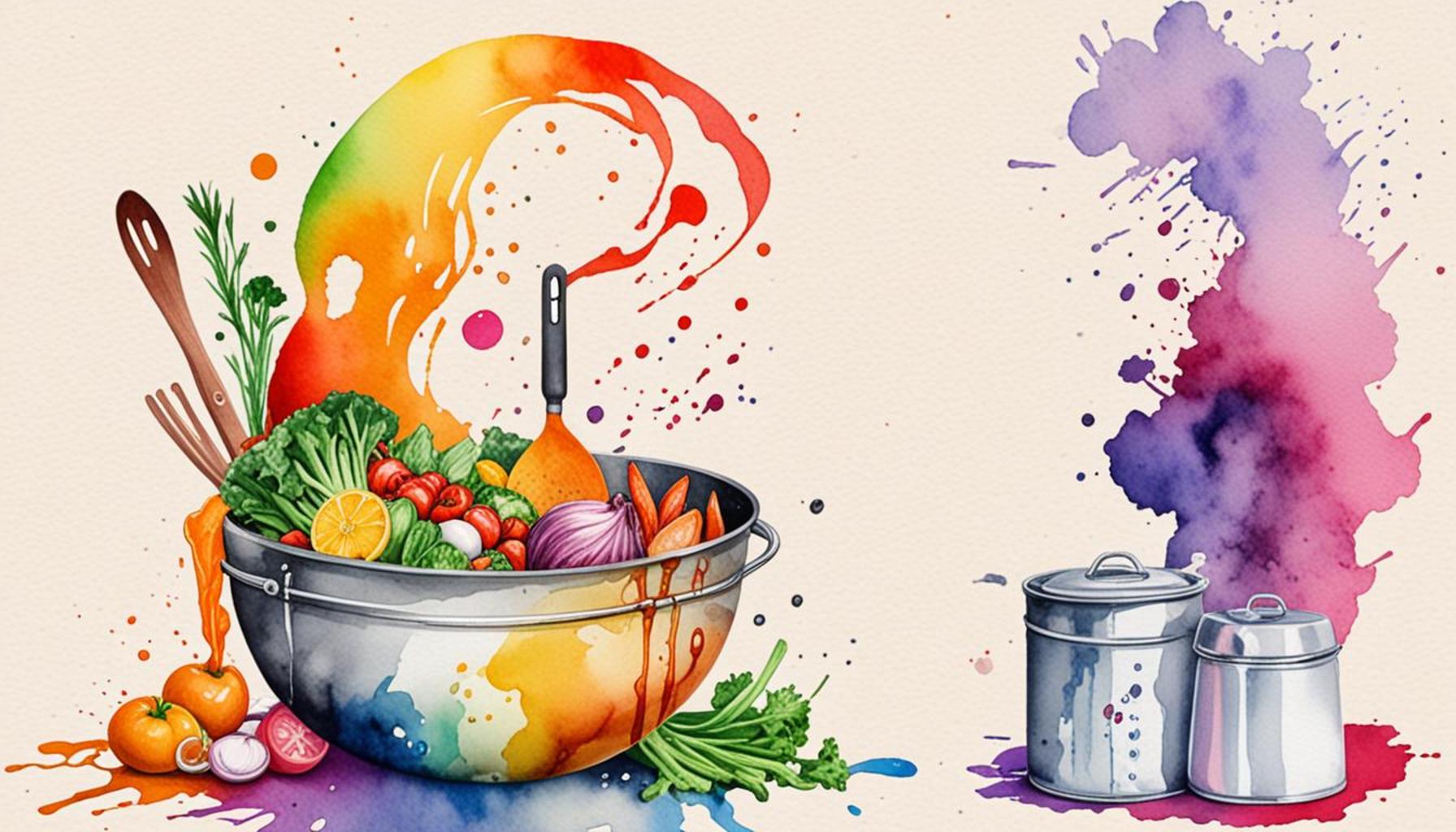
Throughout history, food has served as more than sustenance; it has been a bold statement during times of crisis and social change. In moments of unrest and upheaval, individuals and communities often turn to their kitchens, using culinary creativity as a powerful tool for expression and resistance. This dynamic intersection of cooking and activism reveals how deeply intertwined our identities are with the food we prepare, share, and enjoy, ultimately shaping the cultural landscape of societies.
Consider the following examples of culinary protest:
- Black Lives Matter: Inspired recipes often focus on traditional African American cuisine, such as collard greens or cornbread, as a means to celebrate cultural heritage while emphasizing the importance of racial equity. Cookbooks and food blogs associated with this movement encourage individuals to reflect on their individual and collective history through food, turning every dish into a story of resilience.
- Immigration Reform: The rise of food trucks, particularly taco trucks, has become a mobile symbol against restrictive immigration policies. Chefs and entrepreneurs from immigrant backgrounds showcase their culinary traditions, creating a vibrant tapestry of flavors that represents cultural diversity. In cities like Los Angeles, food truck rallies not only serve delicious meals but also foster a sense of community and conversation around immigration rights.
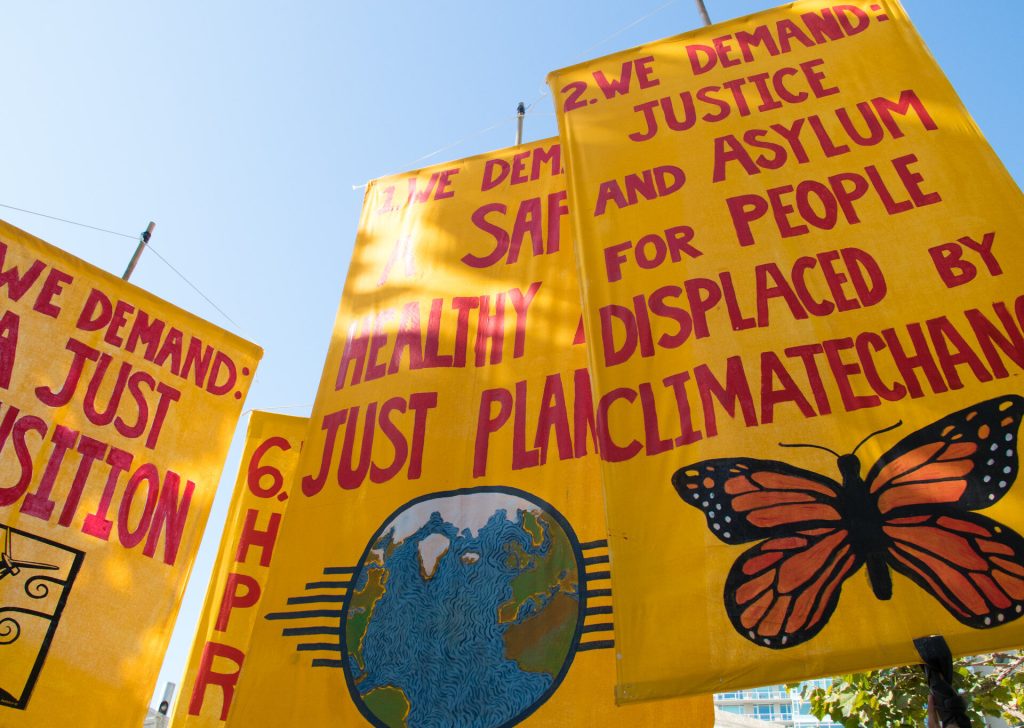
- Climate Action: Plant-based diets, championed by advocates for environmental sustainability, have gained traction as a response to climate change. Campaigns that promote veganism and vegetarianism are not solely about personal health; they frame them within the context of reducing carbon footprints and preserving natural resources. Popular documentaries like “Cowspiracy” reveal the environmental impacts of meat consumption, pushing consumers to reconsider their culinary choices.
Each dish becomes a canvas to challenge oppression, celebrate culture, and unite communities. The simple act of cooking or sharing a meal can ripple through society, sparking conversations around race, equity, and sustainability. Meals become arenas for dialogue, bridging gaps between diverse groups and fostering mutual understanding.
In the United States, food activism has taken on unique forms shaped by the nation’s diverse culinary landscape. From “protest pies” baked in support of reproductive rights to community gardens cultivated for food security, the creativity inherent in these acts showcases the potential of food to foster solidarity and inspire meaningful change. Food banks, community kitchens, and local farmer’s markets often serve as gathering places for advocacy and support, creating a network of individuals committed to addressing systemic issues.
As we delve deeper, we will explore how [food as a form of protest](#) serves as a powerful vehicle for activism and resilience. These narratives highlight the integral stories of individuals and movements that are using food as a medium for critical dialogue, encouraging us all to reexamine our relationships with what we eat and its broader implications for society.
DIVE DEEPER: Click here to discover the art of fusion cuisine
Culinary Symbols of Resistance
In the realm of social movements, food transcends its role as mere nourishment and becomes a profound symbol of resistance and identity. The synergy between culinary practices and activism is evident in various global struggles, showcasing how cooking can articulate dissent and advocate for change. Several contemporary movements have effectively employed food to express their values and mobilize support. The following examples illustrate the diverse ways food has been harnessed to champion causes in the United States:
- Food Sovereignty: Grassroots movements advocating for food sovereignty emphasize the right of communities to define their own food systems. Initiatives like community-supported agriculture (CSA) and local organic farms empower residents to reclaim their food sources, creating sustainable practices that support local economies. These movements highlight how food choices become political statements, challenging corporate control over agriculture and advocating for equitable access to healthy food.
- Food Insecurity Awareness: With an alarming rise in food insecurity in the United States, various campaigns have emerged to raise awareness and advocate for policy reform. Organizations like Feeding America and local food banks utilize community potlucks and awareness events to garner support for vulnerable populations. By sharing meals, participants not only enjoy culinary diversity but also engage in discussions about the systemic issues that lead to food scarcity.
- Women’s Rights and Reproductive Health: In recent years, culinary activism has notably intersected with women’s rights. “Protest pies,” baked by activists, have taken a central role in supporting reproductive rights movements, providing a tangible way to engage communities in dialogue about women’s health. Events featuring these pies serve as both an act of protest and a means to fundraise for organizations striving for reproductive equity.
Each of these examples emphasizes that food can serve as a mechanism for social consciousness, building connections within communities while advocating for change. The act of cooking and sharing not only nurtures physical bodies but also cultivates a sense of belonging and purpose. Culinary events often become gatherings for conversation, promoting solidarity among diverse groups, while highlighting the interconnectivity of food choices and political ideologies.
The evolution of food activism in the digital age has also contributed to its effectiveness. Social media platforms have enabled culinary protestors to share their stories widely, increasing visibility for their causes. For instance, hashtag campaigns showcasing “recipe for a cause” or “dishes for change” have allowed individuals to participate in activism from their own kitchens, encouraging a collective movement that resonates beyond local communities.
With food standing at the intersection of culture and socio-political discourse, it is essential to examine how these culinary traditions evolve over time. The idea of food as protest not only reflects the struggles of specific communities but also fosters a deeper understanding of the interconnected issues surrounding inclusivity, sustainability, and justice. As we dive further into this topic, we will uncover the rich narratives behind culinary movements that continue to challenge the status quo and inspire hope for the future.
| Advantage | Description |
|---|---|
| Empowerment of Local Communities | Culinary initiatives often empower local communities by highlighting indigenous ingredients and traditional cooking methods that carry cultural significance. |
| Raising Awareness | Food as protest brings attention to social issues, allowing participants to educate others about inequalities and injustices through culinary expression. |
In recent years, many movements have utilized food as a medium to express dissent and bring about change. Culinary creativity becomes a form of storytelling, where chefs recreate traditional dishes, tailored to evoke memories of struggles or triumphs. In instances like the Arab Spring, shared meals have formed a collective bond among protestors, serving both as sustenance and symbols of resistance. Additionally, social media platforms have amplified these culinary protests, documenting not only the dishes but their meanings, reaching broad audiences globally.Moreover, the act of cooking and sharing food is steeped in culture, making it a profound way to assert identity during times of crisis. As communities engage in these culinary practices, they strengthen their ties, fostering unity amidst chaos. This approach demonstrates how food can be a powerful tool for social change, emphasizing that every meal served in the context of activism holds the potential for not just nourishment but transformation. Through these culinary protests, historical narratives are woven into the fabric of contemporary society, revealing the interconnectedness of food, culture, and social justice.
DISCOVER MORE: Click here to elevate your dining experience
Food as Empowerment: Culinary Activism in Community Building
Culinary activism has become a vibrant canvas of expression, especially in marginalized communities where traditional barriers to resources persist. This culinary creativity not only serves as a protest against systemic injustices but also embodies empowerment through education, collaboration, and culture. Food serves as both a tool and a medium, facilitating community engagement while addressing pressing social issues.
- Kitchen as a Classroom: Community kitchens and cooking classes have emerged as platforms promoting culinary skills and nutritional education, especially in low-income neighborhoods. Organizations such as Food for Thought and Green City Force provide training in cooking and food preparation, equipping participants with essential skills while encouraging discussions around food equity. This approach generates awareness of how interlinked food systems, health, and socioeconomic status are, making participants active players in their food narratives.
- Collective Gardening Initiatives: Urban gardening has surged as an essential element of protest movements aiming for sustainability and food access. Projects like Guerrilla Gardening or local “food forest” gardens encourage communities to transform abandoned lots into productive green spaces. These initiatives not only enhance community pride and cohesion but directly contribute to food sovereignty, allowing residents to cultivate food in resource-poor environments. By reimagining their spaces, communities challenge the notion that access to fresh produce is a privilege rather than a right.
- Cultural Culinary Heritage: Food traditions often speak to one’s heritage and identity, making them a powerful vehicle for protest. Movements like Indigenous food sovereignty highlight the importance of traditional food practices in maintaining cultural identity and resisting colonization. By reviving native agricultural techniques and ingredients, Indigenous communities reclaim control over their food systems while preserving their historical narratives. This acts as a bold assertion of cultural pride and resistance against erasure.
Moreover, food activism provides a unique lens through which to examine intersectionality in social justice movements. Chefs and home cooks alike have used their platforms to draw attention to various causes, encouraging discourse on issues ranging from climate change to racial and economic inequality. For example, acclaimed chefs like Dan Barber and Alice Waters engage with farm-to-table movements that not only advocate for sustainable sourcing but emphasize the importance of social responsibility in food production.
The proliferation of food-centered activism has also given rise to a cultural phenomenon known as “food justice” – a movement advocating for equitable access to healthy food regardless of socioeconomic status. Events such as the Food Justice Conference in various cities across the United States have become touchstones for community members and activists. These gatherings create a shared space for discussing systemic barriers to food access and forge connections that empower communities to advocate for their rights and well-being.
Importantly, culinary expressions in protest extend globally, intersecting with the local struggles in varied cultural contexts. From the Latin American tradition of “comida callejera (street food)” as a canvas for the expression of political realities to the immersive experiences offered by culinary tours that emphasize cultural heritage, food continues to be a potent instrument for dialogue and collective action. Engaging with global food movements not only educates participants on their local issues but fosters a sense of international solidarity and interconnectedness.
Through these actions, food becomes a vibrant narrative of resilience and a collective vision for the future. By empowering communities and fostering movements around shared culinary practices, society can challenge the status quo, giving voice to those who are often unheard, ushering in a new era of culinary creativity amid crises and social change.
DIVE DEEPER: Click here to discover the latest trends in crafting
Conclusion: The Flavor of Change
In an ever-evolving landscape marked by social unrest and crises, food emerges as a multifaceted instrument of resistance and empowerment. The rise of culinary activism signals a profound shift, where communities harness their culinary creativity not only to address food inequities but to forge a collective identity in the fight against systemic injustices. This movement reflects the resilience of individuals willing to act, transform, and celebrate their cultural heritage through food.
The initiatives rooted in community engagement—whether through educational kitchens or urban gardens—demonstrate the power of local action to challenge the status quo. They create spaces for dialogue, fostering a sense of solidarity that transcends socioeconomic divides. The emphasis on food justice frames access to healthy food as a fundamental right, enabling marginalized voices to advocate for their needs and wellbeing.
Furthermore, culinary activism not only champions local narratives but also connects movements worldwide, underscoring that struggles for food sovereignty and cultural identity are universal. The intertwining of food with activism illuminates the urgent need for systemic change and builds bridges between diverse communities, echoing across borders.
As we contemplate the intricacies of food as a form of protest, we must recognize its potential to inspire dialogue, promote social equity, and instill a sense of hope. In this dynamic interplay of creativity and resistance, we invite you to explore local culinary movements, engage with community initiatives, and reflect on how food can serve as a powerful symbol of change in our society.