Exploring Genre Fusion: How Blending Different Musical Styles Enhances Creative Expression
Exploring the Depths of Genre Fusion in Music
In the ever-evolving landscape of music, the act of blending multiple genres has emerged as a compelling artistic strategy that captures the imagination of both creators and audiences. This fusion allows artists to break free from traditional constraints, encouraging them to experiment with different sounds, rhythms, and cultural influences. The result is a rich tapestry of musical innovation that not only entertains but also fosters a deeper connection among listeners.
Genre fusion involves intentionally mixing elements from various musical forms, creating unique tracks that often appeal to diverse listener bases. As this trend gains momentum, it becomes clear that it is not merely an aesthetic choice but also a reflection of a broader cultural phenomenon. By exploring how various genres influence each other, we can gain insight into the dynamic nature of artistic expression.
Take, for example, the intersection of Hip-Hop and Jazz. Iconic acts like A Tribe Called Quest seamlessly blended soulful melodies and complex instrumentals with rhythmic and vocal styles that characterize hip-hop. More contemporary artists like Anderson .Paak have further pushed this boundary, marrying jazz’s improvisational elements with hip-hop’s lyrics and beats to create a sound that is both nostalgic and fresh, resonating with younger audiences while honoring musical legacies.
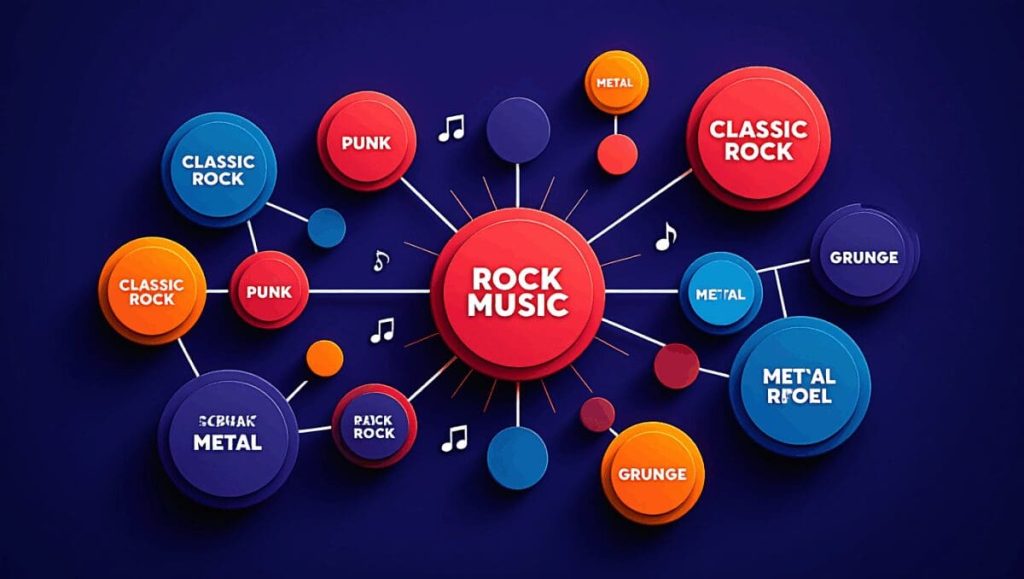
Similarly, the combination of Reggae and Rock has birthed some unforgettable sounds. The Police, with their reggae-infused rock hits, and modern artists like Skip Marley emphasize the versatility and appeal of these genres. This fusion not only enriches the listening experience but also reflects the cultural dialogues between their origins—be it the laid-back vibe of reggae or the energetic drive of rock music.
In the realm of Country and Pop, artists such as Kacey Musgraves are redefining genre boundaries by collaborating with pop stars, resulting in hits that have a broad appeal. Their music often addresses contemporary themes, resonating with audiences who might not typically engage with country music. Musgraves’ work illustrates how fusion can make a genre more relatable and accessible, ultimately leading to a greater understanding and appreciation of musical diversity.
As artists continue to explore genre fusion, they unlock new creative pathways that enhance the emotional depth and complexity of their work. Collaborations across genres often lead to innovative sounds that challenge listeners’ expectations and expand their musical palate. This approach not only keeps the music scene vibrant but also raises awareness about the interconnectedness of different cultural expressions.
By delving into the realm of genre fusion, we unearth the evolving narrative of music in the 21st century. The way these combinations shape the industry not only highlights the ingenuity of artists but also inspires future generations to experiment and redefine what music can be. As we listen more widely, we contribute to a culture that celebrates diversity and creativity, paving the way for the next wave of musical innovation.
DIVE DEEPER: Click here to discover more about musical diversity
The Creative Synergy of Genre Fusion
As music continues to evolve, the fusion of different genres emerges as a powerful tool for enhancing creative expression. Not only does this blending invite innovation, but it also reflects the changing tastes and identities of listeners worldwide. By merging contrasting styles, artists craft distinct auditory experiences that resonate on multiple levels, making genre fusion a pivotal aspect of contemporary music.
One of the most potent examples of genre fusion can be witnessed within the electronic dance music (EDM) scene, where elements from various genres like house, techno, and hip-hop collide. Producers such as Calvin Harris and Zedd have leveraged pop melodies and catchy hooks within their tracks to draw larger audiences, successfully creating summer anthems that blend numerous musical influences. This combination makes for music that is both commercially appealing and deep, encouraging listeners to engage with the tracks beyond just the beat.
Moreover, the intersection of genres often leads to captivating storytelling. Artists like Billie Eilish showcase this by merging pop with elements of alternative and electronic music, encapsulating raw emotions that resonate with a generation. Her sound is characterized by haunting vocals and minimalist production—a blend that not only challenges traditional pop boundaries but also speaks to the complexities of modern life. As listeners connect with her innovative style, we recognize how fusion can amplify the emotional depth of music.
Expanding Horizons: The Impact of Genre Fusion
The proliferation of genre fusion impacts not only individual artists but also the music industry at large. Here are some reasons why this trend is reshaping how we experience music:
- Broadened Audience Reach: By fusing genres, artists can attract diverse fan bases, making their music more relatable and accessible to a wider audience.
- Cultural Exchange: Genre fusion acts as a dialogue between cultures, allowing artists to honor their roots while embracing influences from across the globe.
- Innovation in Sound: This blending leads to fresh sounds that challenge typical structures, encouraging experimentation and creativity within songwriting and production.
- Diverse Collaborations: The rise of collaboration among artists from varying backgrounds opens a wellspring of artistic ventures, enriching the overall musical landscape.
Through genre fusion, artists are not just creating music; they are crafting new cultural narratives that unite various perspectives and experiences. This transcultural approach enriches the listening experience and fosters a deeper appreciation for the diverse sonic world we inhabit. As we examine how blending different musical styles enhances creative expression, it becomes evident that genre fusion is more than a passing trend—it’s a transformative force shaping the soundscapes of today and tomorrow.
| Category | Details |
|---|---|
| Cultural Diversity | Blending genres allows for a rich tapestry of cultural influences, enabling artists to create music that resonates across different backgrounds. |
| Creative Experimentation | The fusion of various musical styles encourages innovation and adventurousness, pushing artists to explore new sounds and techniques. |
| Audience Engagement | By merging genres, artists can appeal to a wider audience, enticing fans from different musical preferences and enhancing their listening experience. |
| Emotional Depth | Genre fusion enables a broader range of emotional expression, allowing musicians to convey complex themes and feelings through diverse musical elements. |
In recent years, the exploration of genre fusion has led to groundbreaking collaborations and unique sounds that defy traditional classifications. This creative blending not only facilitates the emergence of distinct musical identities but also enriches the overall landscape of the industry. For instance, artists like Billie Eilish have successfully integrated elements of pop, electronic, and indie, illustrating how versatility can captivate global audiences. Similarly, collaborations between hip-hop artists and classical musicians challenge the perception of what music can be, inviting listeners to experience fusion as a powerful form of art.Moreover, festivals dedicated to genre fusion have gained popularity, showcasing an array of acts that span multiple styles. These events serve as a testament to the growing appreciation for innovative approaches and the push toward more inclusive artistic expressions. As listeners become more open to diverse sounds, the scope for artistic exploration expands, allowing for a deeper connection between musicians and their audiences. The conversation surrounding genre fusion continues to evolve, inviting more artists to experiment and express themselves through blended musical avenues.
DISCOVER MORE: Click here to learn about the benefits of art on mental health
The Influence of Technology on Genre Fusion
In the digital age, technological advancements play a decisive role in the emergence and propagation of genre fusion. Modern music production tools enable artists to experiment with a plethora of sounds and styles, facilitating the intersection of genres like never before. Software programs such as Ableton Live and FL Studio have democratized music production, allowing aspiring musicians and seasoned veterans alike to explore new realms of creativity by pushing the boundaries of traditional sounds.
Notably, the rise of streaming platforms has transformed how music is consumed and categorized. Platforms like Spotify and Apple Music leverage sophisticated algorithms to suggest songs based on users’ listening habits. This exposure to varied styles encourages artists to blend genres in crafting songs that can appeal to niche markets while still reaching broader audiences. For instance, Lil Nas X’s viral hit “Old Town Road” exemplifies a successful fusion of country and rap, captivating listeners from both genres and redefining them in the process. The song’s chart-topping success is a direct testament to the changing landscape where genre fusion can elevate an artist’s reach and impact.
Case Studies in Genre Fusion: Breaking Boundaries
A further examination of genre fusion reveals some fascinating case studies of artists who have artfully blended distinct styles, effectively challenging the traditional confines of music classification. Bruno Mars has become renowned for infusing his tracks with elements of funk, soul, and pop, creating an infectious sound that captures the essence of previous decades while remaining relevant today. Songs like “24K Magic” not only pay homage to past musical eras but also bring an enticing freshness to contemporary listeners, proving that nostalgia and innovation can coexist.
Another remarkable example can be found in the works of Bad Bunny, whose unique approach to reggaeton integrates influences from rock, hip-hop, and R&B. By employing genre fusion, this Puerto Rican artist not only amplifies his own creative expression but also introduces Latin music to mainstream audiences in the United States and beyond. His collaborations with American artists like J Balvin and Cardi B in tracks like “I Like It” further underscore how genre fusion fosters cross-cultural collaboration, enabling different musical traditions to resonate in unison.
Artists across genres are increasingly finding common ground through fusion, challenging conventions and inspiring a new generation of musicians. The audacious mixing of disparate musical influences leads to a richer aural tapestry, which in turn encourages audiences to engage with music on a deeper level. As genres continue to evolve, the power of genre fusion as a canvas for pioneering art becomes increasingly significant, showcasing a future where creativity flourishes through the art of blending.
In fulfilling its potential as a transformative element in the music landscape, genre fusion bridges divides, fosters communication, and nurtures the relationship between artist and listener. In doing so, it redefines how we perceive and experience music, reflecting a world that honors both diversity and unity in artistic expression.
DIVE DEEPER: Click here to discover more about musical improvisations
Conclusion: The Future of Musical Expression Through Genre Fusion
As we delve into the world of genre fusion, it becomes clear that this dynamic interplay between diverse musical styles is reshaping the creative landscape. Artists are not merely mixing sounds; they are crafting new narratives, challenging societal norms, and fostering connections across cultures. The ability to blend genres allows musicians to draw from a rich tapestry of influences, ultimately enhancing their artistic expression and offering listeners a fresh auditory experience.
Technological advancements and the proliferation of streaming platforms significantly contribute to this trend, granting unprecedented access to a multitude of sounds and styles. Artists such as Bruno Mars and Bad Bunny illustrate how genre fusion can transcend boundaries, not only appealing to wider audiences but also paving the way for innovative collaborations that meld cultural influences. Moreover, as listeners are increasingly exposed to this blending of genres, their music preferences expand, encouraging further experimentation and creativity within the industry.
Looking ahead, the landscape of music will continue to evolve, driven by the forces of genre fusion. This evolution fosters a sense of unity while celebrating diversity, illustrating how music can be a powerful medium for change. As we embrace this journey, it becomes evident that the fusion of genres is not just a trend; it is a vital component of our musical future, offering endless opportunities for exploration, connection, and artistic revelation. By championing collaborations and expanding our musical horizons, we are redefining what it means to create and experience music in a world that continues to grow more interconnected.