Exploring Art as Therapy: How Artistic Hobbies Can Assist in the Recovery from Personal Trauma
The Therapeutic Role of Artistic Expression
In recent years, there has been a growing recognition of the profound connection between artistic expression and mental health recovery. For many, engaging in creative activities can be a safe outlet for emotions that are often difficult to articulate. This exploration into the link between art as therapy and personal trauma unveils a transformative journey toward healing.
Artistic hobbies can take many forms, and each offers unique benefits. For instance:
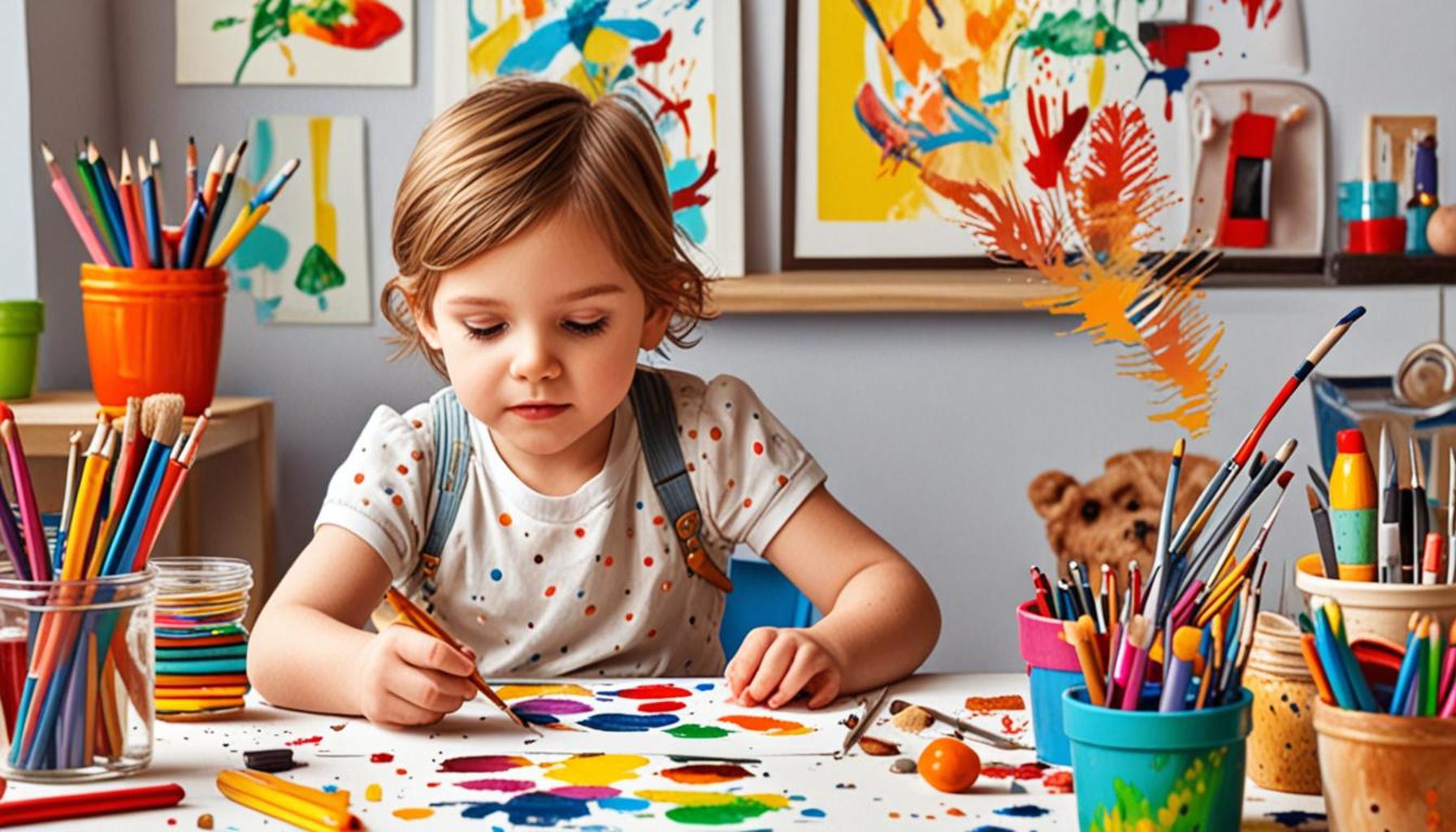
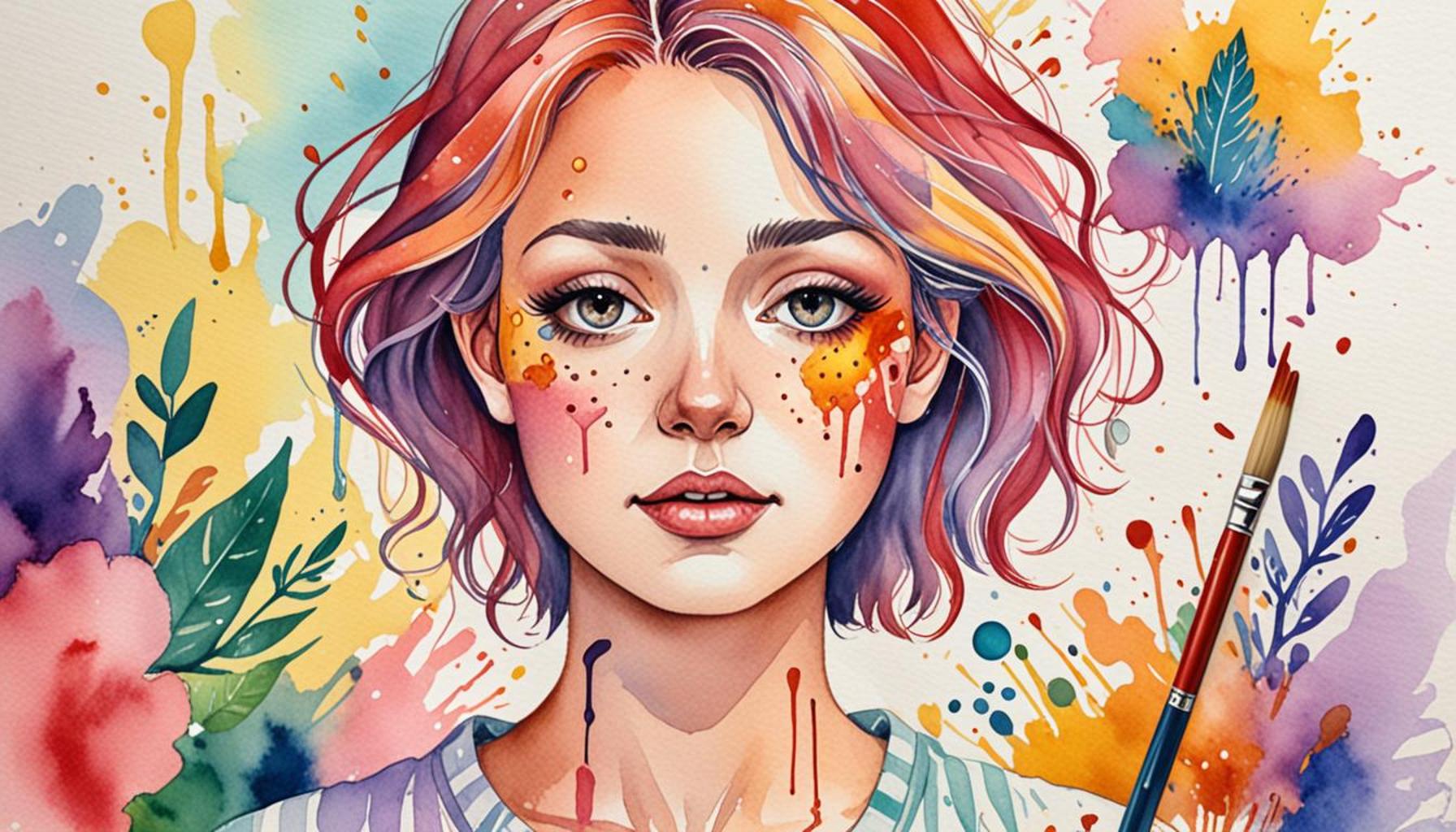
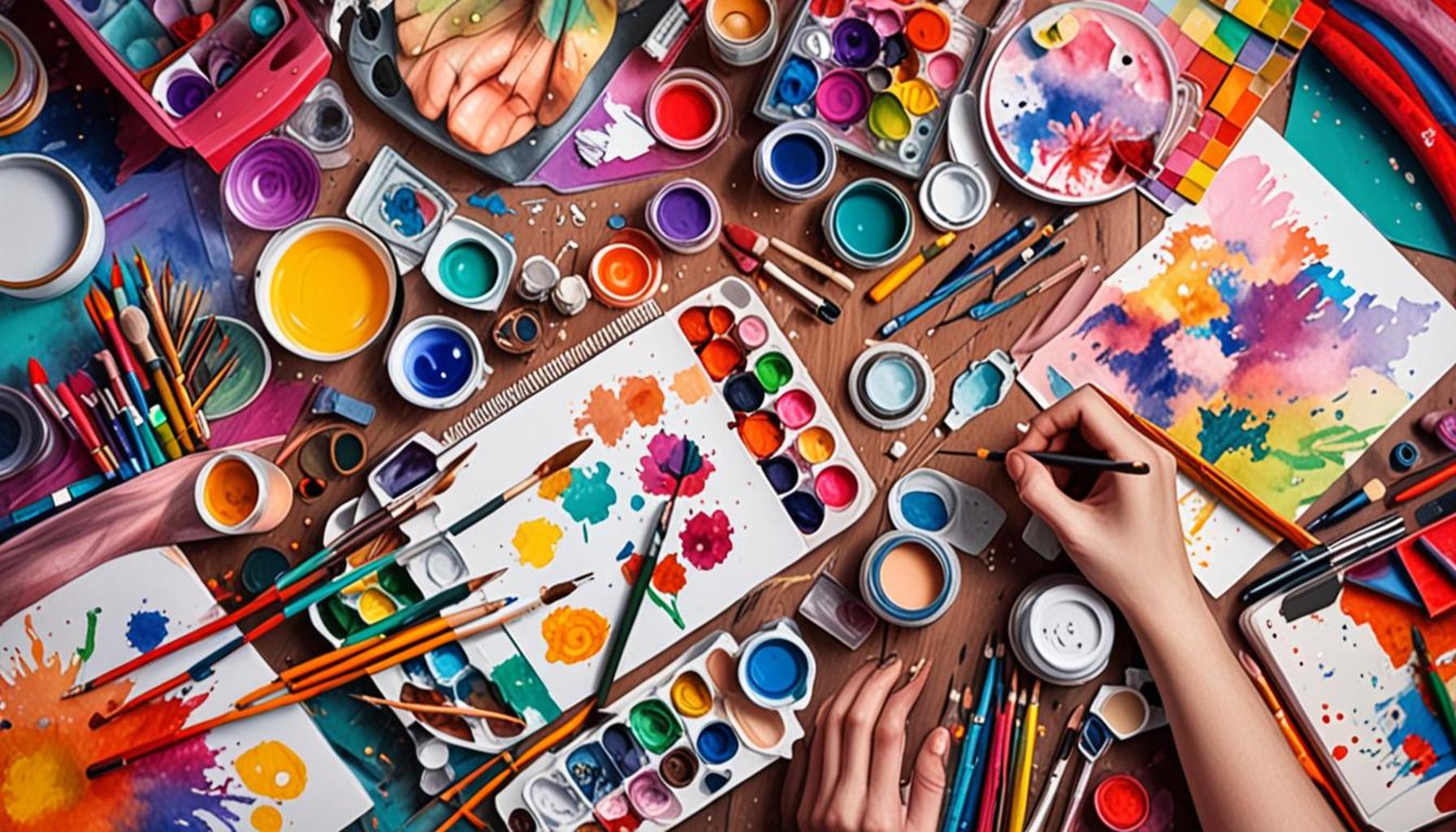
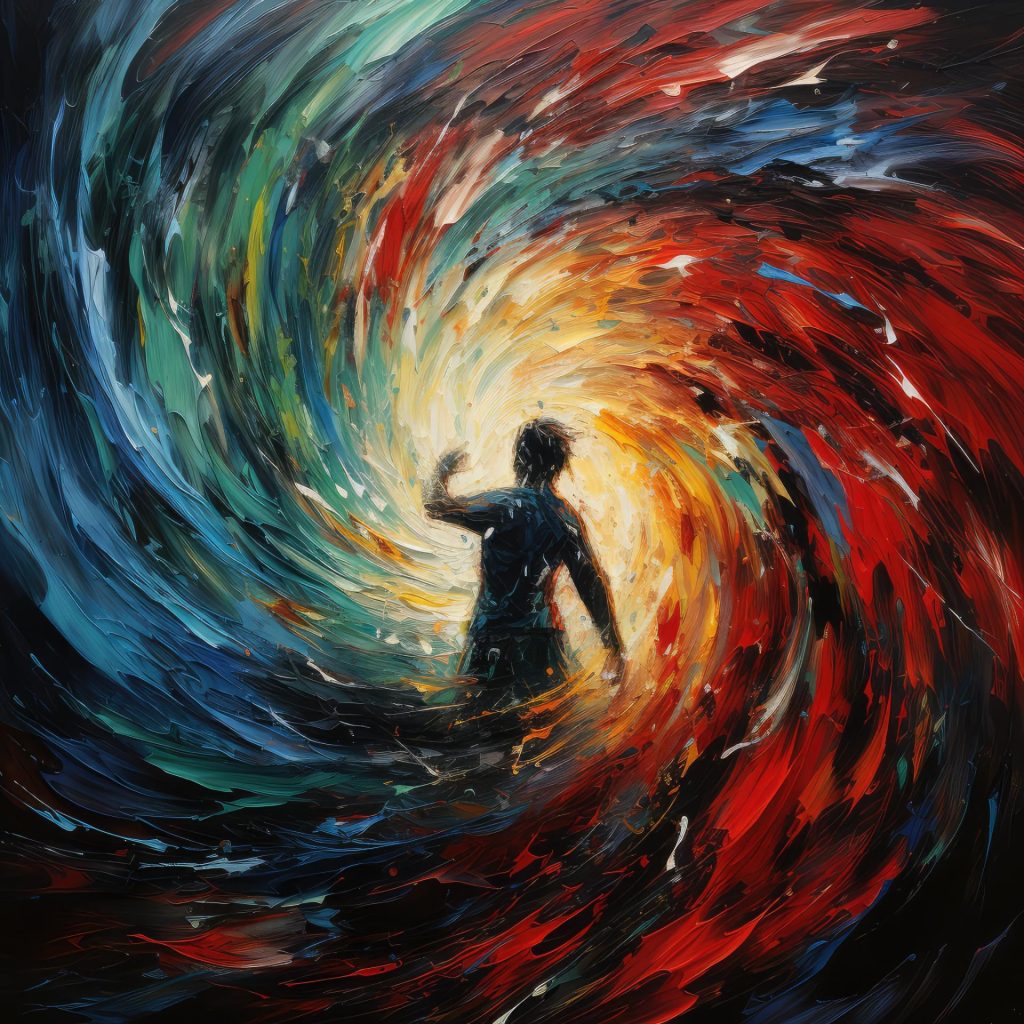
- Painting and Drawing: Visual arts allow individuals to communicate feelings and experiences without the constraints of language. A person grappling with loss might paint their grief, using colors and shapes to depict emotions that words cannot convey. Numerous studies have shown that engaging in art can reduce levels of cortisol, a stress hormone, thereby easing anxiety.
- Music: Playing an instrument or composing music provides an emotional release and can enhance mood and well-being. Music therapy, in particular, has gained traction, with therapists using both listening and creative techniques to help clients express their feelings, restore personal identity, and improve social skills.
- Dancing: Physical expression through movement can release pent-up emotions and promote physical health. Dance therapy is supported by numerous studies indicating its effectiveness in reducing symptoms of depression and PTSD. The rhythmic aspect of dance can help in re-establishing a connection with one’s body, often lost during traumatic experiences.
- Writing: Journaling or creative writing helps process feelings and can foster clarity. Expressive writing, particularly, has shown to help individuals confront their trauma by putting their experiences into words, leading to enhanced emotional intelligence and resilience.
Research indicates that these activities can significantly impact mental health. Many people report improvements in their overall mood, decreased anxiety, and a sense of control over their emotions after participating in creative activities. The cathartic effects of art empower individuals to confront and navigate their traumas in a supportive and constructive manner.
Furthermore, art therapy has been increasingly integrated into treatment plans in various rehabilitation centers and hospitals across the United States. Programs are designed specifically for individuals coping with issues such as substance abuse, anxiety, and depression. These environments advocate for a holistic approach that emphasizes healing not just the mind, but also the body and spirit through art.
As we delve deeper into this subject, we will uncover how the practice of engaging with art has become a valuable tool for recovery, encouraging both self-discovery and emotional expression. With stories of resilience and hope, art therapy represents not just a means of coping but a path toward profound healing. Join us as we explore the compelling benefits of art therapy on the path to healing from trauma.
DIVE DEEPER: Click here to uncover the power of poetry
Understanding the Impact of Creative Outlets on Healing
The profound impact of artistic hobbies on the recovery from personal trauma is slowly gaining widespread attention within therapeutic circles. Research suggests that expressing oneself through creative means can foster a sense of emotional release that traditional talking therapies sometimes fail to elicit. For individuals who have experienced trauma, art serves as a non-verbal mode of communication that often speaks louder than words. This form of expression serves not just as a refuge but also as a tool for sense-making in the aftermath of distressing events.
One of the most compelling aspects of art therapy is its capacity to provide a safe space for emotional exploration. Engaging in creative endeavors acts as a powerful catharsis, allowing individuals to confront their pain while simultaneously fostering self-understanding. The following are several ways in which artistic hobbies facilitate recovery:
- Visual Arts and Their Healing Power: For those affected by trauma, painting and drawing can become gateways to revealing inner thoughts and feelings. A study published in the American Journal of Art Therapy highlighted cases where participants exhibited reduced post-traumatic stress symptoms after creating art relevant to their trauma. Such visual expressions allow them to recreate their experiences, bringing feelings to the forefront where they can be better managed.
- The Role of Music in Emotional Release: Music can be profoundly healing. Those who engage in playing instruments or composing music often find solace in the rhythms and melodies that resonate with their emotional experiences. Research supports this, showing that music stimulates brain areas related to emotions and memory, making it a valuable ally in trauma recovery.
- Dance as a Path to Physical and Emotional Freedom: Dance therapy combines movement with emotional expression. It allows individuals to reconnect with their bodies, promoting an understanding of where trauma may have manifested physically. Research indicates that dance can significantly lower stress levels and promote a sense of community among those who participate in group sessions.
- Writing to Process and Heal: Journaling and creative writing have shown remarkable efficacy in helping individuals process their emotions. Writing provides a structured outlet to articulate thoughts and feelings, enabling survivors to confront their trauma at their own pace. Studies have shown that expressive writing can lead to improved mental health outcomes, including decreased anxiety and depression.
Numerous studies demonstrate that these art forms not only assist in emotional release but also enhance overall well-being. Participants often report feeling an increased sense of control over their emotions, enabling them to tackle their trauma with renewed strength and resilience. Art as therapy is increasingly being recognized in clinical settings, with facilities integrating creative modalities into traditional therapeutic practices for a holistic approach to recovery.
As we continue to investigate the intricate relationship between art and healing, it becomes evident that these creative practices are not merely pastimes. They represent critical steps in the journey toward recovery, opening doors to greater self-awareness and emotional expression. Each stroke of a brush or note of a melody can echo the resilience of the human spirit, showing that even in the darkest times, there exists an avenue for hope and renewal.
Benefits of Artistic Hobbies in Trauma Recovery
Artistic hobbies, such as painting, drawing, or sculpture, can significantly aid in the recovery process from personal trauma. Engaging in these creative activities allows individuals to express feelings that are often difficult to articulate through words. This non-verbal expression can help individuals process their emotions, leading to a sense of relief and clarity. Many studies indicate that participants in creative arts therapies report a reduction in symptoms of anxiety and depression, offering a holistic approach to mental health.Moreover, the act of creating art fosters mindfulness, a psychological state where individuals focus on the present moment. This focus can act as a powerful tool for those recovering from trauma, diverting attention from negative thoughts and feelings. Evidence suggests that mindfulness helps regulate emotions, thus allowing a more balanced approach to coping with trauma.The social aspect of artistic hobbies also plays a crucial role in recovery. Engaging in group art therapy sessions or community art classes provides individuals with a support network. The shared experience of creating together can build connections, reduce feelings of isolation, and enhance emotional healing. Participating in a creative community cultivates a sense of belonging, which is essential for anyone healing from the wounds of trauma.To summarize, the transformative power of artistic hobbies extends beyond mere self-expression. Their therapeutic benefits encompass emotional processing, mindfulness, and social support, making art a valuable ally for those navigating the complex journey of trauma recovery.
| Category | Details |
|---|---|
| Emotional Expression | Art allows for non-verbal exploration of complex emotions. |
| Mindfulness | Fosters present-moment awareness, aiding emotional regulation. |
| Social Connection | Promotes belonging and reduces isolation through community engagement. |
Incorporating these approaches into therapeutic practices can amplify the recovery process. Understanding the multifaceted benefits of art is critical for both individuals seeking healing and professionals guiding them through their journeys.
DIVE DEEPER: Click here to discover more about musical diversity
Exploring Diverse Artistic Pathways for Recovery
The therapeutic benefits of artistic hobbies extend beyond just traditional forms of art. Individuals who have faced personal trauma can find solace in a diverse array of creative avenues that cater to their unique emotional landscapes. Each form of artistic expression offers distinct healing properties, enabling survivors to engage their psyche in a way that resonates with their personal experiences. Here are some additional approaches to consider:
- Culinary Arts as a Gateway to Mindfulness: Cooking and baking are often underestimated as forms of art. Engaging in culinary arts can be meditative, requiring focus and attention to detail that diverts the mind from painful memories. Creative cooking not only enhances self-esteem but can also encourage a sense of community when shared with others. Programs like Kitchen Therapy, which focus on group cooking sessions, have shown to foster connections among participants, allowing for shared healing experiences over nourishing meals.
- Photography: Capturing Moments of Resilience: Through the lens of a camera, individuals can document their journey of healing and self-discovery. Photography encourages survivors to find beauty in everyday life, even amidst trauma. Workshops and classes designed for trauma survivors, such as those offered through local community centers and nonprofits, often include exercises that push participants to explore different perspectives, helping to reframes negative experiences and highlight personal growth.
- The Craft of Handmade Expression: Engaging in crafts such as knitting, pottery, or woodworking provides a tactile outlet for emotions. These hands-on creative pursuits can be particularly grounding for individuals experiencing anxiety or overwhelming feelings. Studies have shown that engaging in crafting can lower cortisol levels, a hormone associated with stress, providing a tangible reward in the form of completed projects that symbolize personal achievement and resilience.
- Performing Arts: The Power of Expression: Involving oneself in theater or improvisational acting allows individuals to explore their emotions in a structured yet liberating environment. Therapeutic drama programs can lead to increased self-awareness and emotional literacy, enabling participants to confront their trauma indirectly through character exploration. Organizations like theater companies in the U.S. that specialize in drama therapy provide supportive spaces for individuals to engage with their experiences creatively.
The intersection of these diverse artistic forms and trauma recovery underscores the adaptability and personalization of art as therapy. What resonates with one person may elicit disinterest in another, emphasizing the need for individuals to explore various mediums of expression. The beauty of artistic hobbies lies in their ability to cater to the multifaceted nature of human emotions, allowing individuals to traverse their healing journeys at their own pace.
Moreover, the integration of art therapy with traditional therapeutic modalities fosters a comprehensive approach for emotional recovery. Holistic treatment plans that incorporate creative outlets alongside conventional therapy are showing promising results in various clinical settings. In fact, many mental health professionals are increasingly advocating for art as a complementary treatment, underscoring its necessity in addressing the complex layers of trauma.
As awareness of the links between creativity and mental health increases, it becomes essential for communities and practitioners to promote accessible art programs. Access to art resources, whether in-person or online, empowers individuals to seek out alternative methods for processing their trauma. With a myriad of roads leading to healing, art proves to be a powerful beacon of hope—a testament to the resilience of those navigating the challenging waters of personal recovery.
DISCOVER MORE: Click here to dive into musical diversity
Conclusion: Embracing Art as a Pathway to Healing
In summary, the exploration of art as therapy reveals its profound impact on individuals recovering from personal trauma. As we have seen, engaging in various artistic hobbies—whether through culinary arts, photography, crafting, or performing arts—provides unique avenues for emotional expression and healing. Each artistic medium allows individuals to navigate their feelings, facilitating a process of self-discovery that contributes to recovery.
The evidence supporting the therapeutic benefits of art is compelling. Programs that combine creative outlets with traditional therapeutic practices highlight the importance of a holistic approach to mental health. As professionals increasingly endorse these methods, it is crucial for communities to promote and provide access to artistic resources. Such initiatives can empower trauma survivors to explore their creativity, ultimately encouraging them to reclaim their narrative and foster resilience.
Furthermore, the personal nature of artistic expression invites individuals to engage with their experiences uniquely, cultivating a sense of ownership over their healing journey. It is vital for those affected by trauma to remember that the road to recovery is not a linear path; it is full of twists and turns, and art can illuminate the way forward.
As we continue to unravel the connections between creativity and mental well-being, whether through community workshops or online platforms, we must champion the transformative power of artistic hobbies. By doing so, we can not only offer hope to those navigating the complexities of trauma but also celebrate the invaluable role of art in our healing processes.