Discover Culinary Fusions Blending Global Flavors into Creative Dishes
Exploring Culinary Fusions
The art of blending diverse culinary traditions opens a vibrant world of flavor and creativity. Today, more than ever, food enthusiasts are embracing the concept of culinary fusion, a trend that transcends geographical boundaries and melds techniques, spices, and ingredients from various cultures. As a creative hobby, it encourages experimentation and the discovery of unique taste profiles that can invigorate our daily meals.
This innovative approach not only showcases the richness of global cuisines but also encourages home cooks to push their boundaries. By merging influences from different cultures, you can produce dishes that are not only delicious but also a reflection of your culinary journey. In this article, we will delve into the essence of culinary fusions and present the Top 5 creative dishes that exemplify this exciting movement.
- Learn about key ingredients that can enhance your dishes.
- Discover pairing tips from various culinary traditions.
- Find inspiration for your next cooking adventure.
Prepare your taste buds for a thrilling exploration as we uncover innovative ways to combine flavors from around the globe.
Exploring Culinary Fusions: How to Blend Flavors from Different Cultures in Creative Dishes
In today’s globalized world, culinary fusion has blossomed into a vibrant trend that captivates food enthusiasts and professional chefs alike. It provides a platform for transcendence across cultural boundaries through the universal language of taste. This blending of flavors not only sparks creativity in the kitchen but also champions the celebration of diversity through food. Bringing different culinary traditions together results in dishes that not only surprise but also tell stories of cultural evolution and interaction. In this article, we’ll delve into the best practices for crafting remarkable culinary fusions that promise to tantalize your taste buds.
5. Playing with Regional Ingredients
The cornerstone of creating a successful fusion dish lies in grasping the significance of regional ingredients. Each culture boasts a unique array of ingredients that define its culinary identity. By skillfully incorporating these into your cooking repertoire, you pay homage to diverse traditions while crafting innovative dishes.
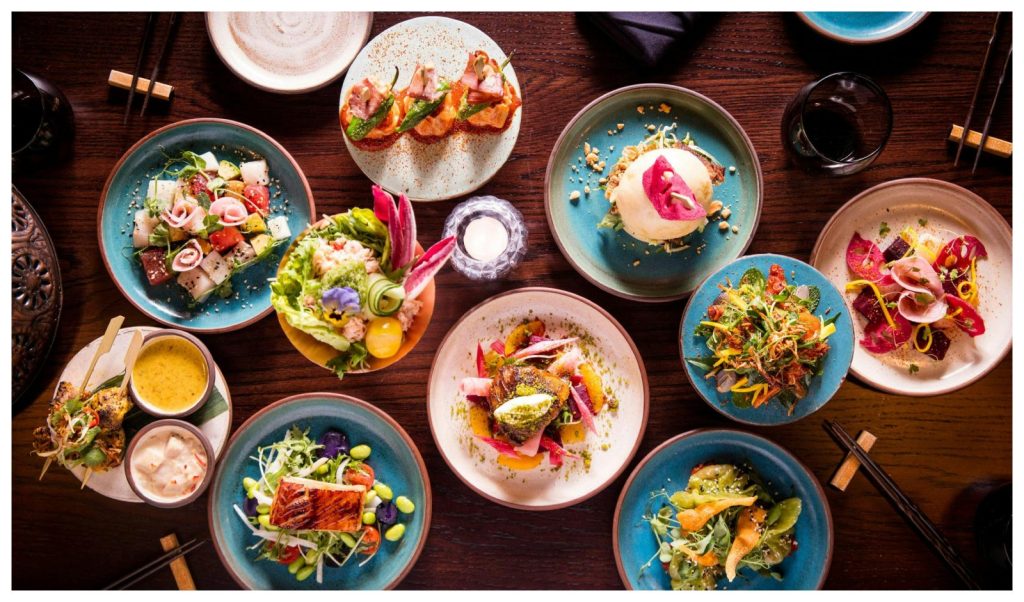
- Research local markets in your area or online to discover the seasonal and authentic ingredients integral to various global cuisines. This allows you to understand what defines a culture’s palate.
- Experiment with combinations. Consider merging unlikely pairs such as Asian spices like ginger and lemongrass into classic Italian pasta dishes, transforming an everyday meal into an extraordinary experience.
- Focus on texture. Combine crispy elements from one cuisine, such as American deep-fried batters, with the soft components found in Japanese sushi rice to create an exciting new dish.
Such exploration can lead to the creation of dishes like Thai basil pesto, which perfectly exemplifies the blending of Italian flavors with Southeast Asian herbs. This approach ensures endless possibilities, allowing creativity to flourish with every culinary experiment.
4. Embracing Technique Diversity
Diverse culinary techniques from around the world serve as an integral part of food preparation. Learning how to apply them can significantly elevate your cooking prowess and expand your culinary potential.
- Grilling over open flames is common in both Korean and Brazilian cuisines and can impart unparalleled smoky flavors to meats and vegetables, creating a sensory connection between these cultures.
- Fermentation, a time-honored method used in many food traditions, can be harnessed to add complex flavors. For example, using tangy kimchi as a twist for a traditional taco offers a delightful clash of Korean and Mexican gastronomy.
- Emulsification, a staple of French culinary arts, can be employed to elevate simple vinaigrettes. Imagine pairing this technique to enrich a spicy Asian salad, infusing it with a creamy texture.
By experimenting with these techniques, you grant yourself the opportunity to blend flavors and culinary arts, yielding extraordinary dishes that are reflective of rich cultural backgrounds.
3. The Art of Flavor Balancing
In the realm of fusion cuisine, the balance of flavors is paramount. The fundamental tastes of sweet, salty, sour, and bitter are universal across culinary landscapes and can be delicately woven together.
- Make use of sweet elements like fruits or honey to soften and complement the savory or salty aspects of a dish, creating a harmonious balance.
- Incorporate acidity through the use of vinegars or citrus juices to brighten rich, heavy sauces, infusing them with a fresh vitality.
- Experiment with heat. Whether it’s through hot spices or peppers, introducing a fiery element can create an exciting contrast that invigorates the taste buds.
A prime example is mango salsa, which marries the sweet succulence of Caribbean mangoes with the fiery kick of Mexican cilantro and lime. Striking the perfect balance of flavors can transform unique ingredients into a cohesive and delightful dish.
2. Cultural Storytelling Through Food
Culinary fusion affords an opportunity to narrate cultural tales through dishes. Each ingredient, flavor, or technique carries with it a story, a tradition, and a cultural heritage.
- Research traditional pairings and culinary practices from diverse cultures. Understanding these elements enriches the narrative behind each dish and deepens the connection to its origins.
- Share the inspiration behind your dishes with guests, fostering an atmosphere of cultural appreciation and dining camaraderie.
- Celebrate culinary ancestry by incorporating familial recipes with new techniques and ingredients, bridging the gap between time-honored traditions and modern innovation.
Imagine creating a fusion dish that marries the creamy texture of Italian risotto with the aromatic spices of Indian pilaf. This not only highlights the culinary essence of both cultures but also serves as an engaging conversation starter around the dining table, drawing participants into a historiographical dialogue.
1. The Joy of Creative Freedom
At the heart of culinary fusion lies unparalleled creative freedom in the kitchen. The practice encourages endless experimentation and invites culinary enthusiasts to step outside established molds, utilizing imagination to craft dishes that resonate with global influences.
- Trust your instincts. Do not be afraid to deviate from traditional recipes. Let your palate and imagination be the guide to discovering new flavor combinations.
- Involve others in the creative process, whether it be friends, family, or fellow chefs. This collaboration can inspire fresh ideas and foster a communal sense of culinary exploration.
Culinary fusion allows for an open-ended journey, fueled by curiosity and creativity. As you blend diverse tastes, techniques, and stories, you will not only discover new flavors but also craft unique gastronomic experiences that speak to the richness and interconnectedness of global cultures. Through each fusion dish, you simultaneously honor the past and embrace the future of culinary storytelling.
| Category | Description |
|---|---|
| Cultural Exchange | Fusing culinary traditions invites cross-cultural experiences, enabling chefs and home cooks to learn from each other’s techniques and ingredients. |
| Creativity in Cooking | Merging flavors leads to innovation in the kitchen, encouraging chefs to experiment and create unique dishes that celebrate diversity. |
| Sustainability | Adopting a fusion approach can promote local ingredients and reduce carbon footprints by using what is available, minimizing waste. |
| Community Building | Exploring culinary fusions can lead to enhanced social connections as people share their heritage and experiences through food, fostering community and belonging. |
Delving deeper into the realm of culinary fusions opens doors to exciting possibilities and profound impacts. The essence of cultural exchange, for instance, serves not only as an opportunity for gastronomic innovation but also nurtures understanding and appreciation of diverse culinary heritages. When two distinct cooking traditions intertwine, the result is often a harmony of flavors that tells a story of unity and collaboration, transcending borders and enlightening palates.In addition, the burgeoning field of creativity in cooking invokes a world of imagination. Chefs are no longer confined to traditional recipes; they embrace the chance to craft outlandish flavor profiles that surprise and delight diners. Consider the marriage of Italian basil pesto with Thai rice noodles—an unexpected yet tantalizing duet that showcases the beauty of cross-cultural creativity.Moreover, as the world becomes increasingly aware of environmental issues, turning to culinary fusions can play a significant role in promoting sustainability. Utilizing local ingredients that reflect the cultural tapestry of a region supports local economies while simultaneously minimizing ecological impact. This not only helps preserve regional traditions but also contributes to a more sustainable food system.Lastly, exploring and celebrating fusion cuisine fosters community building by bringing people together through shared culinary experiences. Cooking classes and community events centered around fusion food can ignite conversations, strengthen bonds, and foster a sense of belonging among diverse groups. Food has always been a universal language, and through the lens of fusion, it becomes a powerful medium for connection and exploration of shared values.In this dynamic culinary landscape, the possibilities are nearly limitless. By embracing the intricate tapestry of flavors, spices, and techniques from around the globe, one can embark on an exhilarating journey that not only satisfies the palate but also enriches the soul. Whether you’re a seasoned chef or a curious home cook, the world of culinary fusions awaits, inviting you to explore and experiment like never before.
Frequently Asked Questions about Culinary Fusion
What is culinary fusion, and why is it gaining popularity?
Culinary fusion refers to the art of combining ingredients, techniques, and flavors from different cultural cuisines to create unique dishes. This trend is becoming increasingly popular as global connectivity allows chefs and food enthusiasts to explore and experiment with diverse culinary traditions. The result is often a delightful culinary experience that broadens palates and enhances creativity. The **popularity** of this trend lies in its ability to offer a **fresh perspective** on traditional foods, while also delivering innovative taste combinations.
How do I begin experimenting with culinary fusion in my own cooking?
Start by familiarizing yourself with the key ingredients and spices of the cuisines you wish to blend. Begin experimenting with small changes to familiar recipes by substituting one or two ingredients with those from a different cultural cuisine. For example, adding **miso paste** to a classic Italian risotto can introduce a **savory umami twist**. Gradually, as you grow more confident, you can become more adventurous with your combinations — the key is to balance flavors and textures to enhance, not overpower, the dish.
Are there any cultural considerations to keep in mind when creating fusion dishes?
Yes, it’s essential to approach culinary fusion with **respect and understanding** of the cultures involved. Research the origins and cultural significance of the ingredients or dishes you’re using to avoid misrepresentation or cultural insensitivity. The goal of fusion cuisine is to celebrate diversity and bring people together through food, so it’s important to be respectful of the traditions that inspire your creations.
What are some classic examples of successful fusion cuisine?
Some well-known examples of fusion cuisine include **Tex-Mex**, which blends Mexican and American flavors, and **Nikkei cuisine**, which combines Japanese and Peruvian elements. These cuisines have become distinguished for their unique and harmonious blends of flavors, serving as evidence of the **creative potential** inherent in fusion cooking. These examples remind us of the limitless possibilities when it comes to blending global flavors in the kitchen.
How can I learn more about fusion cuisine and improve my skills?
To learn more, consider exploring cookbooks and online resources dedicated to fusion cuisine, attending cooking classes, or following influential chefs in this space. Engaging with online communities and forums can also provide valuable insights and inspiration. Keep in mind that the **journey of discovery** is as rewarding as the food itself, so embrace experimentation and enjoy the process of learning and creating.
Conclusion
In the ever-evolving world of gastronomy, the exploration of culinary fusions offers a tantalizing journey through diverse flavors, textures, and aromas. This creative endeavor not only enriches our palate but also bridges cultural gaps, bringing communities closer through shared gastronomic experiences. At its core, culinary fusion is an art form that allows both professional chefs and home cooks to break traditional boundaries, creating dishes that are innovative yet deeply rooted in cultural heritage.
Throughout this article, we have delved into the transformative power of mixing flavors from different corners of the world. By blending diverse ingredients thoughtfully, one can craft dishes that surprise and delight, while still respecting the origins from which these elements hail. Key takeaways include understanding the importance of balance, cultural appreciation, and creativity in achieving successful culinary fusions. We also highlighted the significance of experimentation, encouraging readers to step out of their comfort zones to discover new taste profiles.
Culinary fusion stands as a testament to creativity’s role in the kitchen, making it an essential aspect of modern cooking. It challenges and inspires culinary artists to think beyond conventional recipes and explore the endless possibilities that global ingredients present. More than just a trend, it signifies a shift towards inclusivity and innovation in our food practices. As we continue to explore these exciting combinations, let us remain respectful of cultural origins while celebrating the novel and unique experiences they offer.
Ultimately, by embracing culinary fusions, we not only enhance our cooking prowess but also partake in a larger dialogue about cultural exchange and diversity. The invitation is open for all aspiring food enthusiasts to harness their creative hobbies and contribute to this vibrant tapestry of flavors.