Digital craftsmanship: how technology is redefining the concept of ‘handmade’
The Evolution of Handmade into Digital Craftsmanship
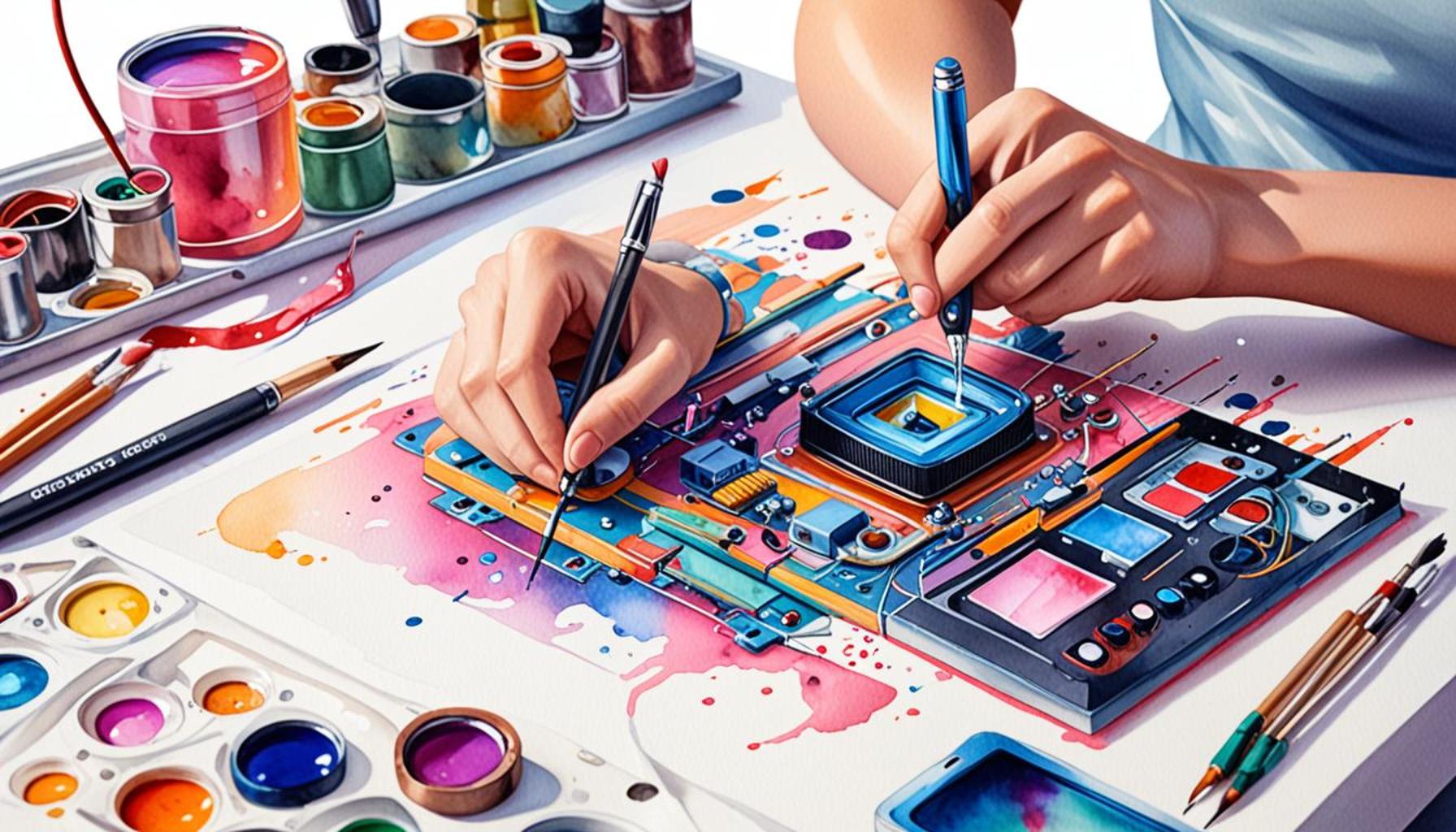
In an age where technology permeates every aspect of life, the concept of “handmade” is undergoing a profound transformation. Digital craftsmanship is emerging as a significant force, blurring the lines between traditional artisanship and modern innovation. This movement embodies the fusion of creativity and technology, showcasing how artists and creators adapt to new tools while maintaining their artistic integrity.
As we explore this fascinating shift, consider these key components that define digital craftsmanship:
- 3D Printing: Allowing artists and creators to manufacture intricate designs with precision. For instance, 3D printing has revolutionized the jewelry industry, where designers can create complex structures that were previously impossible to craft by hand. Companies like Shapeways empower independent artists by providing a platform to print their designs in various materials, making unique and customized jewelry accessible to consumers.
- Laser Cutting: Enabling the crafting of unique pieces that meld technology and creativity seamlessly. Artists and designers utilize laser cutters to produce everything from personalized home decor to intricate fashion pieces. For example, the laser cutting technique is frequently seen in creating layered wood art, where layers add depth and dimension, delivering a visual impact that traditional methods may struggle to achieve.
- Digital Fabrication: Offering tools that enhance the production process while keeping creativity alive. Technologies like CNC (Computer Numerical Control) machines allow for precise cutting and shaping of materials, empowering woodworkers, metalworkers, and more to push their creative boundaries. Throughout the United States, local makerspaces offer access to these technologies, fostering a collaborative environment where hobbyists can transform their ideas into physical creations.
This intersection of technology and artistry raises critical questions. What does it mean to create “by hand” when machines assist in the process? Can products still be considered handmade if technology is involved? These inquiries challenge long-held beliefs about craftsmanship and authenticity.
The answers to these questions are complex and multifaceted. Digital craftsmanship is not merely about replacing traditional methods with machines; rather, it complements and enhances the artistic process. Furthermore, this evolution has significant implications for various industries, shaping production methods, economic landscapes, and individual creator experiences across the United States.
As we dive deeper into this topic, prepare to uncover how digital craftsmanship is not just redefining traditional notions of handmade but also creating new opportunities for artists and influencing consumer relationships with the objects they cherish. The dialogue surrounding authenticity and innovation will undoubtedly continue, shaping the future of both art and industry.

DIVE DEEPER: Click here to discover the self-care benefits of learning an instrument
Redefining Craftsmanship: The Role of Technology in Artistry
The advent of advanced technologies has catalyzed a re-imagination of what it means to create. Traditional definitions of handmade are evolving as artists integrate tools such as 3D printers, laser cutters, and CNC machines into their work. This shift does not merely represent a change in technique; it heralds a new era where digital craftsmanship enhances creativity while preserving the core values of artisanship.
Among the forefront of this movement is the ability to harness 3D printing. For many contemporary artists and designers, this technology is not just a production method; it is a pathway to innovation. By enabling the creation of detailed and complex shapes, 3D printing allows for the realization of imaginative designs that were previously unattainable in a traditional studio. For example, jewelry designers like Kira Kinsella have used this technology to push boundaries by creating personalized, intricate pieces that resonate with consumers seeking individuality. Platforms such as Shapeways have revolutionized access to these resources, allowing independent creators from various backgrounds to transform virtual sketches into tangible art.
Furthermore, innovations such as laser cutting provide artists with unprecedented precision in crafting. This method gives creators the ability to manipulate materials like wood, acrylic, and metal with remarkable accuracy, allowing for the creation of unique home decor, intricate fashion items, and customizable designs. Take, for instance, the work of artist Caitlin McGauley, who utilizes laser cutting to produce stunningly layered paper art that tells a story, infusing her creations with a distinct personality that traditional methods may struggle to replicate.
In this landscape, digital fabrication is also making waves. Techniques such as CNC machining allow traditional craftsmen to innovate and refine their processes. The accessibility of such tools in makerspaces across the United States encourages collaboration and experimentation. For example, organizations like TechShop provide resources for aspiring creators, fostering an environment where ideas can be transformed into reality. This democratization of technology enables individuals to explore their creative visions rather than limiting them to conventional skills.
While these advancements offer exciting possibilities, they also prompt introspection regarding the definition of handmade. As technology plays an increasingly central role in production, creators and consumers alike grapple with questions of authenticity and intentionality. Can an item produced with the assistance of software and machinery still embody the essence of handcraft? This discourse is crucial as it lays the groundwork for future interpretations of artistry and labor, ultimately shaping consumer perceptions and market dynamics.
The intertwining of technology and traditional artistry raises intriguing implications for not just the crafts market, but for our understanding of creative expression in general. As digital craftsmanship continues to evolve, it beckons an exploration of where artistry ends, and technology begins, leading to a broader reexamination of what it means to create meaningfully in today’s world.
| Advantage | Description |
|---|---|
| Customization | Technology offers enhanced options for personalized designs, allowing artisans to cater to individual client preferences directly. |
| Efficiency | Automated processes streamline production, permitting artisans to maintain handmade quality while significantly reducing time spent on each project. |
| Global Reach | Digital platforms allow artisans to showcase their work worldwide, expanding their customer base beyond local markets. |
The evolution of digital craftsmanship is transforming the traditional notions of handmade items by embracing cutting-edge technology. Many artisans are integrating traditional techniques with modern tools to enhance their craft. The skills of a handmade artisan are now complemented by digital tools that allow for precision, flexibility, and scalability. For example, the use of 3D printing has revolutionized the way artisans produce complex designs that were previously unachievable or extremely labor-intensive. Moreover, connecting through social media and e-commerce platforms enables artisans to tell their stories, drawing attention to the artisanal process behind their products. As technology continues to evolve, so too do the definitions and standards of handcrafted goods, leading to a renaissance in the appreciation of handcrafted art in a digital age. This intersection of tradition and technology raises fascinating questions about the future of craftsmanship and the sheer innovation possible in the realm of handmade products. It’s a vibrant topic that resonates with a growing audience of consumers seeking authenticity and uniqueness in an increasingly homogenized market.
DIVE DEEPER: Click here to discover the beauty of poetry
Bridging Tradition and Innovation: The New Wave of Artisans
As the interplay between technology and craftsmanship deepens, a new breed of artisans is emerging, one that seamlessly blends traditional skills with digital innovations. This fusion not only expands the creative capabilities of artists but also enhances the relationship they have with their materials and processes. Digital craftsmanship serves as a bridge, merging artisanal expertise with high-tech tools, all while redefining consumer expectations around quality and accessibility.
One notable evolution is the rise of augmented reality (AR) in the design process. This technology empowers artists to visualize their work in real-world settings before committing to production. For instance, furniture designers can use AR to allow consumers to see how a piece will look in their homes through smartphone applications. This not only facilitates a more informed purchasing decision but also enhances personalization, inviting customers to collaborate in the creative process. Companies like IKEA have already tapped into this by offering AR experiences that allow consumers to virtually place furniture in their spaces, signaling a significant shift in how artists and buyers interact with design.
The trend of open-source design is another critical aspect of the changing landscape. With platforms like Thingiverse and MyMiniFactory, creators are encouraged to share their digital models, fostering a collaborative model of production and innovation. This open-access philosophy dismantles barriers to entry, enabling budding creators to experiment without the heavy financial burden traditionally associated with starting an arts or crafts business. Moreover, this culture of sharing knowledge cultivates a community of support, where individuals can provide feedback, share experiences, and inspire one another, much like the traditional guilds of old.
The conversation around sustainability also plays a pivotal role in redefining what is considered handmade. Many digital artisans prioritize eco-friendly practices, using materials that are sourced responsibly and employing techniques that minimize waste. For instance, bioprinting, a cutting-edge technology that involves creating materials from living cells, is being explored by designers looking to create biodegradable alternatives to plastics. Artists like Emma Van Leest are pioneering this field, creating intricate designs that not only captivate but also align with environmental values. This intersection of technology and sustainability forms a compelling narrative for the modern consumer, who increasingly seeks out products that reflect their personal ethics and stewardship of the planet.
Additionally, the concept of crowdfunding has democratized access to production for many creators. Platforms like Kickstarter and Indiegogo provide artists with the opportunity to fund their projects while building a loyal customer base even before their products hit the market. This model empowers artists to gauge interest and support, allowing them to refine their ideas based on real-time feedback directly from potential buyers. Here, the lines blur further; creators engage with patrons not as mere consumers but as integral participants in the creative journey, inviting them to be part of a story that extends beyond the final product.
As technology continues to enrich the realms of artistry and craftsmanship, it compels us to reexamine our definitions of handmade and creativity. This ongoing exploration cultivates not only a thriving cultural environment but also an expanded understanding of how artists express identity, philosophy, and innovation in their work. The future promises a rich tapestry of craftsmanship, interwoven with threads of tradition, technology, and community engagement.
DON’T MISS: Click here to discover creative ways to transform recyclables into art!
Conclusion: Redefining ‘Handmade’ in the Digital Age
As we delve into the transformative impact of technology on craftsmanship, it becomes evident that digital craftsmanship is reshaping our understanding of what ‘handmade’ truly means. The emergence of innovative tools and platforms—such as augmented reality, open-source design, and bioprinting—has not only enhanced artistic expression but has also made the creation and consumption of art more dynamic and inclusive. This paradigm shift allows artists to push boundaries while inviting consumers to participate actively in the process.
The integration of sustainability into this new model also presents a compelling case for the contemporary artisan. By prioritizing eco-friendly practices and seeking to minimize waste, creators appeal to a growing market of environmentally conscious consumers who prioritize ethical consumption. Furthermore, crowdfunding mechanisms enable artists to engage with their audience in meaningful ways, transforming buyers into collaborators and ensuring that creativity thrives in a supportive, community-driven environment.
Ultimately, the rich tapestry of artistry emerging from the intersection of tradition and technological innovation invites us to reconsider our perceptions of quality, authenticity, and craftsmanship. As we embrace this evolution, we find ourselves at the forefront of a movement that not only honors the age-old skills of artisans but also celebrates the limitless possibilities ushered in by the digital age. The future of ‘handmade’ is not just a relic of the past; it is a lively, evolving narrative that continues to unfold in exciting and unexpected ways.