Culinary and Technology: How Innovative Tools are Transforming the Creative Process in the Kitchen
Revolutionizing Culinary Experiences Through Technology
The fusion of culinary arts and technology is igniting a transformative movement in kitchens worldwide. Innovative tools are fundamentally enhancing the cooking experience, empowering chefs and home cooks to push creative boundaries. This collaboration between technology and traditional cooking methods presents unparalleled opportunities for culinary exploration and expression.
Smart Appliances Leading the Charge
At the forefront of this culinary revolution are smart appliances designed to streamline cooking processes and improve precision. For instance, smart ovens equipped with sensors can automatically adjust cooking times and temperatures to ensure perfectly roasted vegetables or baked goods. Imagine placing a ready-to-cook meal inside your oven, selecting your dish from a mobile app, and leaving the detailed temperature adjustments to the device. Some models even come with recipe guidance and WiFi connectivity, allowing chefs to monitor their dishes remotely.
The Rise of Food Tech Gadgets
In addition to smart appliances, food tech gadgets are expanding the culinary landscape. Sous-vide machines have gained popularity, allowing cooks to create restaurant-quality dishes by cooking food in a vacuum-sealed bag in a precisely controlled water bath. This method ensures even cooking and is ideal for meats, ensuring they remain moist and flavorful. Likewise, 3D food printers are making waves in the culinary world, allowing creative chefs to sculpt intricately designed confections or even create unique pasta shapes that blend aesthetics with gastronomy.
Personalized Cooking with Recipe Apps
Moreover, the emergence of cutting-edge recipe apps powered by artificial intelligence is revolutionizing how consumers approach cooking. These applications can analyze a user’s dietary restrictions, favorite ingredients, and cooking styles, providing personalized recipe recommendations. For example, someone with a gluten intolerance can receive tailored suggestions that offer delicious, healthy alternatives, taking the guesswork out of meal prep.
Engaging a New Generation of Chefs
In the United States, there has been a notable uptick in consumers seeking out culinary innovations that simplify complex tasks. This trend is particularly appealing to young, aspiring chefs who are eager to blend traditional and modern techniques while equipped with today’s technological advancements. The accessibility of tools such as thermomixes—capable of chopping, cooking, and blending in one device—and app-controlled smokers that let users control their smoking process via their smartphones is compelling evidence of this trend. These devices are not only fostering creativity but also transforming intimate home kitchens into hubs of culinary experimentation.
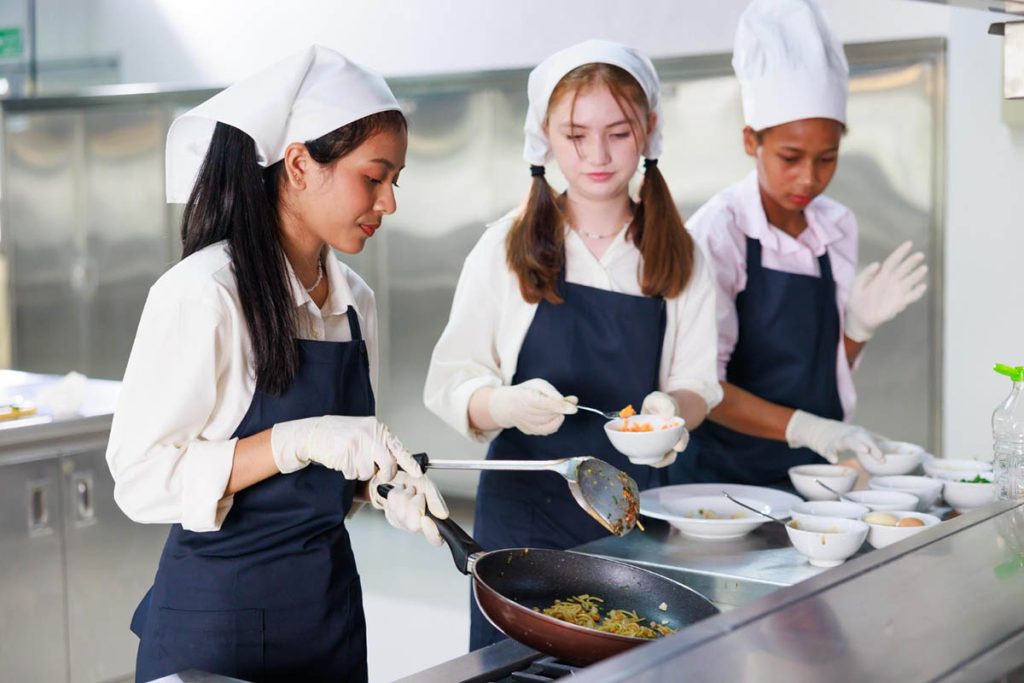
As we continue to explore this captivating intersection of technology and cuisine, it becomes clear that the tools of the trade are evolving swiftly. Those passionate about cooking will find that innovation offers an open door to culinary creativity and efficiency, ultimately reshaping how we prepare and enjoy our meals. This evolution not only inspires but challenges the culinary community to drive the next generation of gastronomic experiences.
DISCOVER MORE: Click here to learn about sustainable cooking
Enhancing Culinary Creativity Through Innovative Tools
The integration of technology in culinary practices presents exciting avenues not only for professional chefs but also for the everyday cook. As traditional cooking methods find new life through modern tools, the creative possibilities are seemingly endless. From sous-vide devices that guarantee moisture in meats to app-connected kitchen gadgets, each innovative tool is pushing the boundaries of culinary creativity.
Embracing Precision: The Scientific Approach to Cooking
One of the most significant contributions of technology to the culinary arts is its ability to bring a scientific precision to cooking. Tools such as digital thermometers and smart scales are becoming kitchen essentials. These devices ensure that recipes are followed with immaculate accuracy, eliminating the guesswork that often leads to inconsistent results. For instance, using a digital thermometer allows home cooks to achieve the perfect steak by measuring the internal temperature without cutting into the meat, preserving its juiciness.
Beyond basic cooking tools, the growth of Bluetooth-enabled devices has opened up a world of convenience. Home chefs can monitor cooking processes remotely via their smartphones, adjusting settings as needed without hovering over the stove. This not only saves time but also allows a more relaxed and enjoyable cooking experience, letting cooks focus on creativity rather than just the mechanics of cooking.
A Taste of the Future: Molecular Gastronomy Meets Technology
The culinary world is also witnessing a rise in molecular gastronomy, where science intersects with cooking techniques to enhance flavor and presentation. Innovative tools such as siphons for foams and gels, as well as anti-griddle for instant freezing, enable chefs to experiment with texture and form like never before. This avant-garde approach to cooking has found its way into many upscale restaurants and even home kitchens, showcasing how technology can elevate the dining experience.
A New Era of Accessibility and Community Engagement
Additionally, the democratization of technology is making cooking more accessible to a broader audience. With the availability of online cooking classes and community-driven recipe sharing platforms, aspiring chefs can deepen their culinary skills from the comfort of their homes. Popular platforms like YouTube and meal kit services provide instructional videos and step-by-step recipes to guide cooks of all levels through new techniques. This thriving community fosters collaboration and inspires individuals to experiment with their food, becoming more adventurous in their culinary pursuits.
- Digital thermometers: Provide accurate temperatures for perfect cooking.
- Smart scales: Ensure precise measurements for consistent results.
- Online classes: Make professional techniques accessible to everyone.
- Molecular gastronomy tools: Encourage creative experimentation in presentation and flavor.
As we delve deeper into the realm of culinary technology, it becomes evident that these innovative tools are not merely enhancing the cooking process; they are inspiring an entire generation of chefs and culinary enthusiasts to think outside the box. The combination of technology and culinary arts promises an exciting future, as kitchens across the country adapt and thrive in this increasingly tech-savvy landscape.
| Category | Advantages |
|---|---|
| Smart Kitchen Appliances | These devices, such as smart ovens and refrigerators, enable remote monitoring and control, allowing chefs to cook with precision and confidence. |
| Recipe Applications | Innovative mobile apps provide instant access to a wealth of recipes, instructional videos, and even nutritional analysis, giving both professionals and home cooks the ability to elevate their dishes. |
| 3D Food Printing | Unique presentations and custom shapes become possible, allowing chefs to explore artistic culinary expressions that enhance dining experiences. |
| Food Preservation Technology | Advanced preservation methods, such as vacuum sealing and dehydration, extend the lifespan of ingredients while retaining flavor and nutritional value, empowering chefs to minimize waste. |
Incorporating technology in the kitchen not only streamlines meal preparation but also enhances creativity and sustainability. As culinary landscapes continue to evolve, the marriage of innovation and tradition shapes the future of cooking, inspiring chefs and enthusiasts alike to explore new gastronomic frontiers. The integration of smart appliances, app-based recipes, and cutting-edge tools for presentation and preservation is revolutionizing the culinary arts, captivating the imaginations of those who step into the kitchen.
DIVE DEEPER: Click here to discover more about artistic hobbies</p
Revolutionizing Meal Preparation with Smart Appliances
The advent of smart kitchen appliances represents a seismic shift in how we prepare and cook our meals. Brands like Instant Pot and Thermomix are leading the charge with multifunctional devices that condense multiple cooking processes into a single unit. These powerful appliances combine the capabilities of a pressure cooker, slow cooker, steamer, sauté pan, and even a food processor, effectively streamlining meal prep. With features like programmable timers and preset cooking functions, users can throw ingredients into the pot and let the device take care of the rest, freeing up time for creativity.
The Power of Artificial Intelligence in Cooking
Artificial intelligence (AI) is beginning to make its mark on the culinary landscape as well. Companies are developing smart ovens that can automatically adjust cooking times and temperatures based on the specifics of the recipe being prepared. For example, the June Oven utilizes a built-in camera and machine learning to identify foods and recommend optimal cooking settings. This kind of technology allows for greater precision and can help prevent overcooking, which is often a barrier for less experienced cooks.
Moreover, AI-driven cooking assistants, like the one found in the smart appliance called Tovala, not only cook meals for you but can also suggest recipes based on what ingredients you have on hand. This blend of AI and traditional cooking encourages both novice and seasoned chefs to explore new flavors without the stress of recipe conversion and meal planning.
Augmented Reality and the Future of Cooking Tutorials
Another innovative intersection of technology and culinary arts is augmented reality (AR). Imagine a future where cooking tutorials are enhanced with AR overlays that place interactive instructions directly onto your kitchen counter. Companies are experimenting with this technology to offer immersive cooking experiences right in your home. With AR glasses, users can receive real-time guidance on cutting techniques, ingredient measurements, and plating suggestions as they cook. This visual aid can help bridge the gap for amateur cooks, demystifying complex recipes and boosting confidence through hands-on practice.
Eco-Friendly Innovations in the Kitchen
Environmental sustainability has also found its way into culinary technology, with tools designed to minimize waste and energy consumption. Smart refrigerators, such as those equipped with sensors that monitor food freshness and expiration dates, can drastically reduce food waste by notifying users when items are nearing spoilage. Additionally, gadgets that convert kitchen scraps into compost or even biofuel represent exciting innovation in eco-friendly culinary practices. These sustainable tools not only assist in reaching personal cooking goals but also align with a growing societal demand for conscious consumption and environmentally friendly practices.
- Smart kitchen appliances: Multifunctional devices simplify meal prep.
- AI cooking assistants: Offer personalized recipe suggestions for on-hand ingredients.
- AR cooking tutorials: Provide interactive, real-time guidance for cooking techniques.
- Eco-friendly tools: Help reduce waste and promote sustainability in culinary practices.
These advancements in kitchen technology are not just about convenience; they are broadening the horizons of what is possible within home cooking. By blending traditional culinary skills with modern innovations, cooks are empowered to innovate like never before, ensuring that creativity not only flourishes but also finds its place in the everyday kitchen.
DISCOVER MORE: Click here to dive into global flavors
Embracing the Future of Culinary Innovation
The fusion of culinary arts and technology has undeniably transformed the kitchen into a hub of creativity and efficiency. As we have explored, the introduction of smart appliances, artificial intelligence, augmented reality, and eco-friendly innovations not only enhances meal preparation but also reshapes how individuals engage with cooking. These advancements empower home cooks by providing them with tools that simplify complex tasks and encourage exploration beyond traditional methods, ultimately fostering a more engaging culinary experience.
Moreover, as smart kitchen devices become increasingly accessible, they challenge the notion that cooking is solely reserved for the experienced or professional chef. Technologies like AI cooking assistants democratize culinary knowledge, allowing anyone with a passion for food to create delicious, intricate meals without intimidation. Coupled with sustainability efforts that align cooking practices with environmental responsibility, these innovations also support a growing demand for mindful consumption.
Looking ahead, the potential for technological advancements to further revolutionize the culinary space appears limitless. As innovation continues to transform our approach to food, it opens the door for creative expression and imaginative cooking techniques that inspire the next generation of home chefs. By embracing these tools and integrating them into our daily lives, we not only enrich our cooking skills but also enhance our appreciation for the culinary arts in an ever-evolving world. Thus, the kitchen is not merely a place for meal preparation; it is swiftly becoming a canvas where technology and culinary creativity harmoniously coexist.