Cuisine and Art: The Intersection between Chefs and Artists in Creating Culinary Experiences
Exploring the Fusion of Culinary Art
In today’s vibrant dining scene, the line between cuisine and art is increasingly blurred. Chefs are becoming the new artists, creating visually stunning and flavorful masterpieces that tantalize the senses. This evolution raises intriguing questions: How do chefs and artists collaborate to craft extraordinary culinary experiences? Understanding this interplay not only highlights the creativity involved but also helps us appreciate food in ways we might never have imagined.
The Role of Chefs as Artists
Chefs are not only skilled in the kitchen; they are also visionaries who draw inspiration from several sources. One of the most crucial elements is color theory, as the visual appeal of a dish can greatly influence a diner’s perception and enjoyment. Chefs meticulously choose ingredients that complement each other not only in flavor but also in color, turning plates into vibrant mosaics. For example, a dish featuring roasted beet purée next to a delicate crème fraîche can create a stunning contrast that is as delightful to look at as it is to eat.
Furthermore, the use of seasonal ingredients and local heritage allows chefs to create dishes that tell a story. Regions boast unique produce and culturally significant recipes that inspire chefs to innovate while honoring their roots. Consider the trend of farm-to-table dining in the U.S., where restaurants prioritize local sourcing; this not only enhances flavor but also ties into the community’s identity.
Moreover, experimental flavors and textures play a critical role in transforming a meal into an art form. Chefs are increasingly pushing boundaries, incorporating unexpected elements such as foams, spherifications, or edible flowers. This creativity turns every dish into a canvas for expression, inviting patrons to explore new culinary horizons.
Artists Infusing Culinary Experiences
On the other hand, various artists engage with the culinary world by creating immersive experiences that heighten diners’ appreciation of food. For instance, talented designers often take charge of restaurant spaces, crafting environments that reflect the cuisine’s essence. A restaurant focusing on rustic Italian fare might feature wooden beams and vintage decor, fostering an inviting atmosphere that complements the dining experience.
Additionally, artists create installations that enhance dining atmospheres, often turning mealtimes into multisensory events. Some restaurants have hosted pop-up art exhibits where the ambiance is as important as the meal. Collaborations between chefs and artists on themed events can further elevate the dining experience, offering exclusive tasting menus paired with visual art displays or live performances that engage all five senses.
As we delve into this fascinating intersection of cuisine and art, we uncover how these collaborations shape the modern culinary landscape. They invite us to savor not just flavors, but the very essence of creativity itself. This transformation in how we appreciate food encourages further exploration and invites all of us to participate in a world where culinary experiences are elevated to artistic expression. Join us on this flavor-filled journey filled with inspiration and artistic flair.
DIVE DEEPER: Click here to discover the world of poetry
Culinary Innovation: A Symphony of Taste and Aesthetics
As the culinary world continues to evolve, the role of chefs is transforming beyond traditional cooking techniques into a realm of innovation and artistry. The modern chef amalgamates flavors, textures, and visuals to create a dining experience that is nothing short of a multisensory performance. This blending of skills invites us to reconsider our relationship with food, encouraging us to view culinary creations as reflections of the chefs’ artistic vision.
The Aesthetic Appeal of Culinary Creations
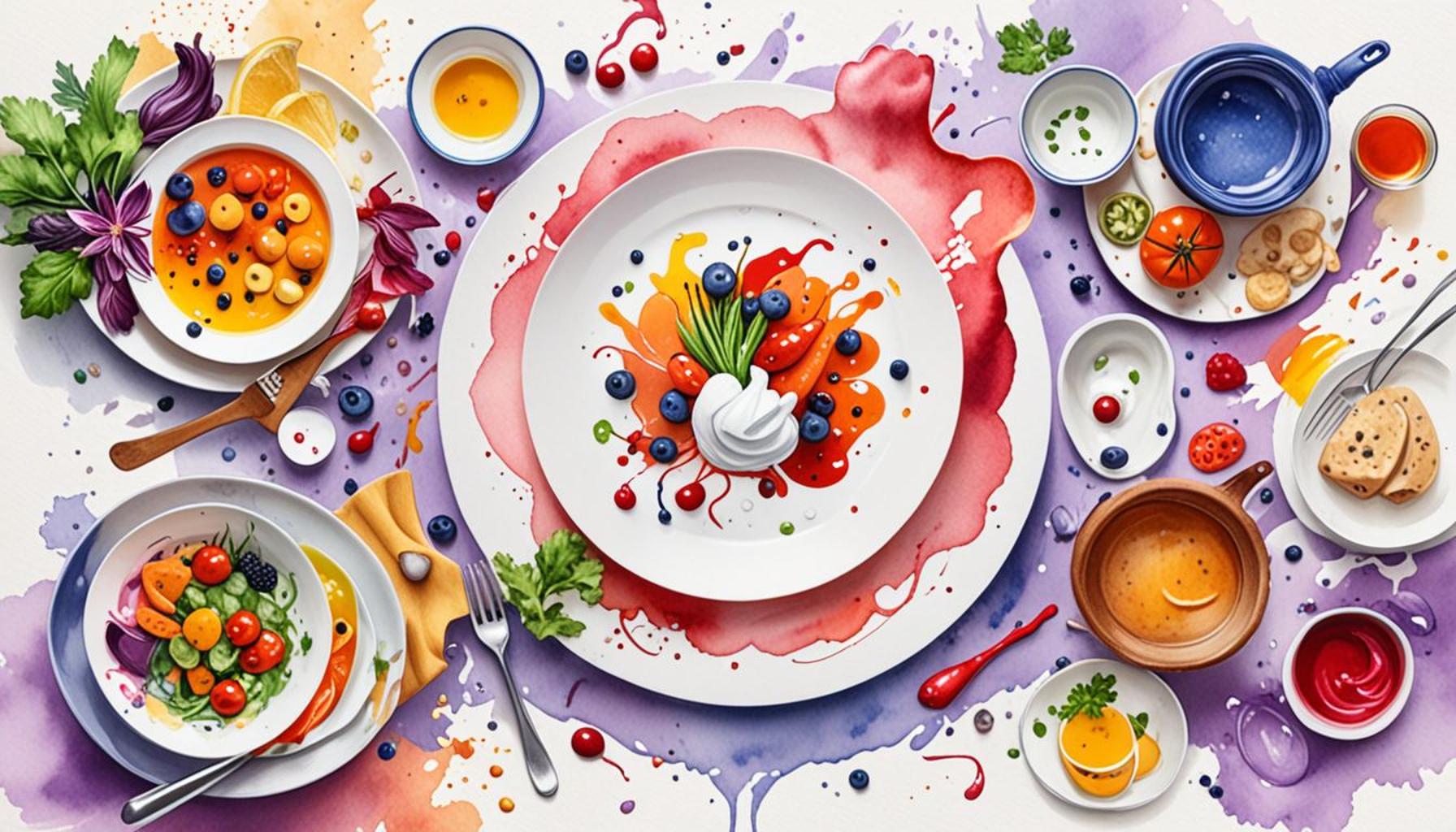
Visual presentation plays a pivotal role in modern dining, where plates are treated as canvases. Chefs apply principles of design, much like visual artists, employing elements such as balance, contrast, and harmony in their creations. For example, a well-plated dish might juxtapose vivid greens with bold reds, creating an appealing visual dynamic. Diners today are not only tasting food but also participating in a visual feast.
This aesthetic focus aligns with a broader culinary movement that seeks to elevate dining beyond mere sustenance. Chefs now think of their dishes as invitations to explore a narrative or a personal expression. Consider the famous Chef Grant Achatz of Alinea in Chicago, known for his avant-garde approach to cuisine. Each course is designed not just to satisfy hunger but to provoke thought and engagement. Unexpected presentations, like edible plates or specially designed serving utensils, enhance the experience, beckoning patrons to become part of the artistic narrative.
Collaboration with Visual Artists
Collaboration between chefs and visual artists continues to flourish, resulting in unique dining experiences that fuse food and art. Restaurants have begun to collaborate with local artists to design their menus and dining spaces, creating an ambiance that reflects the essence of the cuisine. These partnerships often result in:
- Custom tableware: Unique plates and bowls can turn every meal into an exhibition.
- Dining installations: Some venues utilize installations that engage diners and create a thematic experience.
- Gallery events: Environmental art installations transform standard dining rooms into art galleries where culinary artistry is served alongside visual masterpieces.
Moreover, pop-up dining events that feature artist installations paired with seasonally inspired menus allow chefs to innovate and artists to extend their creativity in intriguing ways. An example of this can be seen at immersive dining experiences like Dine Art in Los Angeles, where each evening presents a new theme that celebrates specific cultural aesthetics through artful cuisine.
By merging their creative endeavors, chefs and artists encourage diners to experience food with a renewed sense of wonder. These collaborations showcase how food functions as more than just nourishment; it becomes an expression of culture, emotion, and creativity.
In this ongoing exploration of cuisine and art, we gain insight into the innovative ways chefs and artists come together to enrich the culinary landscape, inviting us all to savor not only the flavors but the artistry behind each dish.
| Category | Key Features |
|---|---|
| Culinary Presentation | Artistic plating and design enhance the dining experience, making dishes visually appealing. |
| Fusion Creativity | Combining flavors and art, chefs create unique sensory experiences that captivate the palate and the eyes. |
| Collaborative Projects | Joint exhibitions and events between chefs and artists foster innovation and inspire new culinary aesthetics. |
| Cultural Exploration | Artistic influences enrich culinary traditions, showcasing diverse cultural heritages through food. |
In this journey of creating stunning culinary experiences, chefs are increasingly collaborating with artists, inviting them to partake in the creative process. The interplay between visual aesthetics and culinary techniques creates a form of expression that goes beyond taste, evoking emotions and stories that diners can appreciate. Events where chefs prepare dishes while artists create live paintings highlight this synergy, turning meals into unforgettable multisensory experiences. Additionally, by hosting pop-up events that intertwine art and food, establishments are redefining the dining landscape, offering patrons not just a meal but an artistic experience that’s worthy of the visual arts. As this trend expands, it invites a deeper analysis of how these culinary artists push the boundaries of traditional dining, integrating the fine arts into the flow of their culinary narratives.
EXPLORE MORE: Click here for insights on musical diversity
The Role of Storytelling in Culinary Art
At the heart of many culinary experiences lies a powerful narrative that captivates diners’ imaginations. Storytelling has become an essential element for chefs looking to create not just meals, but meaningful experiences. Each dish can tell a story—whether it be inspired by cultural heritage, personal memory, or seasonal changes—and chefs are increasingly using food as a medium to communicate these tales.
Creating a Multisensory Journey
Modern culinary artists understand that taste is just one dimension of a dining experience. They aim to invoke emotion through a well-crafted multisensory journey, where elements such as aroma, temperature, and even sound contribute to the overall experience. Restaurants like The French Laundry in Napa Valley make it a point to weave a narrative around their menus. Diners are not only served dishes that reflect the flavors of the region but also transported through the stories of their ingredients—from the local farms that produce them to the familial recipes that inspire their combinations.
The way food is approached and served also contributes significantly to storytelling. The experience may begin with a single, carefully crafted amuse-bouche intended to engage the senses and pique curiosity. Each subsequent course can serve as a chapter in the culinary story, allowing diners to engage, explore, and become part of the chef’s narrative. For instance, Chef José Andrés at his restaurant Jaleo introduces Spanish culinary traditions by allowing diners to savor the experience through authentic small plates that explore regional variations and historical contexts.
Embracing Technology: Interactive Culinary Art
In today’s tech-savvy world, chefs are increasingly utilizing technology to enhance their culinary artistry. Augmented reality (AR) and virtual reality (VR) are becoming innovative tools in many cutting-edge dining establishments. For example, the renowned restaurant known as Ultraviolet in Shanghai provides a fully immersive experience where the environment, including soundscapes and visuals, evolves alongside the dining courses. Diners wear headphones and view projections that correlate to the flavors they are experiencing, effectively turning the meal into a fully interactive art piece.
Notably, the intersection of technology and art allows chefs to transcend the barriers of traditional dining. Gastronomy meetings tech can provide opportunities for real-time feedback from diners, allowing them to participate in the culinary narrative as it unfolds. This often transforms the act of dining into a shared creation, highlighting the dynamic relationship between chef and consumer.
The Impact of Cultural Exchange on Culinary Art
The collaborative spirit of culinary and artistic communities is also present in the cultural exchange between chefs and artists from diverse backgrounds. As globalization unfolds, culinary practices are being infused with influences from around the world. Chefs are increasingly experimenting with ingredients, techniques, and presentations that pay homage to various cultures, creating dishes that are colorful mosaics of global influences.
- Fusion Cuisine: Dishes that incorporate techniques and flavors from different culinary traditions showcase the beauty of cultural synergy. For example, a Korean BBQ taco marries the bold flavors of Korean spices with traditional Mexican elements, resulting in an innovative dish that tells a unique story.
- Collaborative Menus: Chefs often host dinners featuring guest chefs who specialize in different cuisines. These events serve as an opportunity for both chefs to share their cultural heritage and inspire creativity through dialogue.
The results can be culinary experiences that extend beyond the palate, inviting diners on a journey across borders and cultures while encouraging them to appreciate the artful diversity that food represents. By embracing this cultural exchange, chefs and artists are not only crafting dishes; they are weaving intricate tapestries of culinary art that resonate on a global scale.
DISCOVER MORE: Click here to dive deeper
Conclusion: The Culinary Canvas
In today’s ever-evolving gastronomic landscape, the intersection of cuisine and art is redefining the dining experience, making it a vibrant confluence of creativity, culture, and technology. Chefs are no longer merely cooks; they are artists shaping narratives that speak to the heart and soul of diverse culinary traditions. Through storytelling, dining becomes more than just a meal; it transforms into an evocative journey that invites diners to explore the significance behind every bite.
As chefs embrace multisensory experiences, each dish takes on a life of its own, engaging not just the palate but also the senses of sight, taste, sound, and smell. This innovation is further enriched by the use of technology, which enables chefs to create immersive culinary art that captivates and resonates with a modern audience. The incorporation of augmented and virtual realities enhances the narrative, encapsulating the essence of culinary artistry in a way that was once unimaginable.
Moreover, the cultural exchange within the culinary world showcases a beautiful tapestry woven from global influences. As chefs collaborate, merge diverse techniques, and experiment with fusion dishes, they reflect the interconnectedness of our world, creating experiences that honor multicultural heritage while pushing the boundaries of culinary creativity.
In conclusion, the fusion of cuisine and art presents an exciting opportunity for exploration and innovation. For those willing to savor the journey, the kitchen becomes a gallery where flavor and creativity collide, revealing an ever-expanding universe of culinary experiences. As we embrace this exciting intersection, we are not just dining; we are engaging in an art form, one plate at a time.