Building Musical Communities: The Impact of Collaborative Jam Sessions on Personal Creativity
The Essence of Musical Collaboration
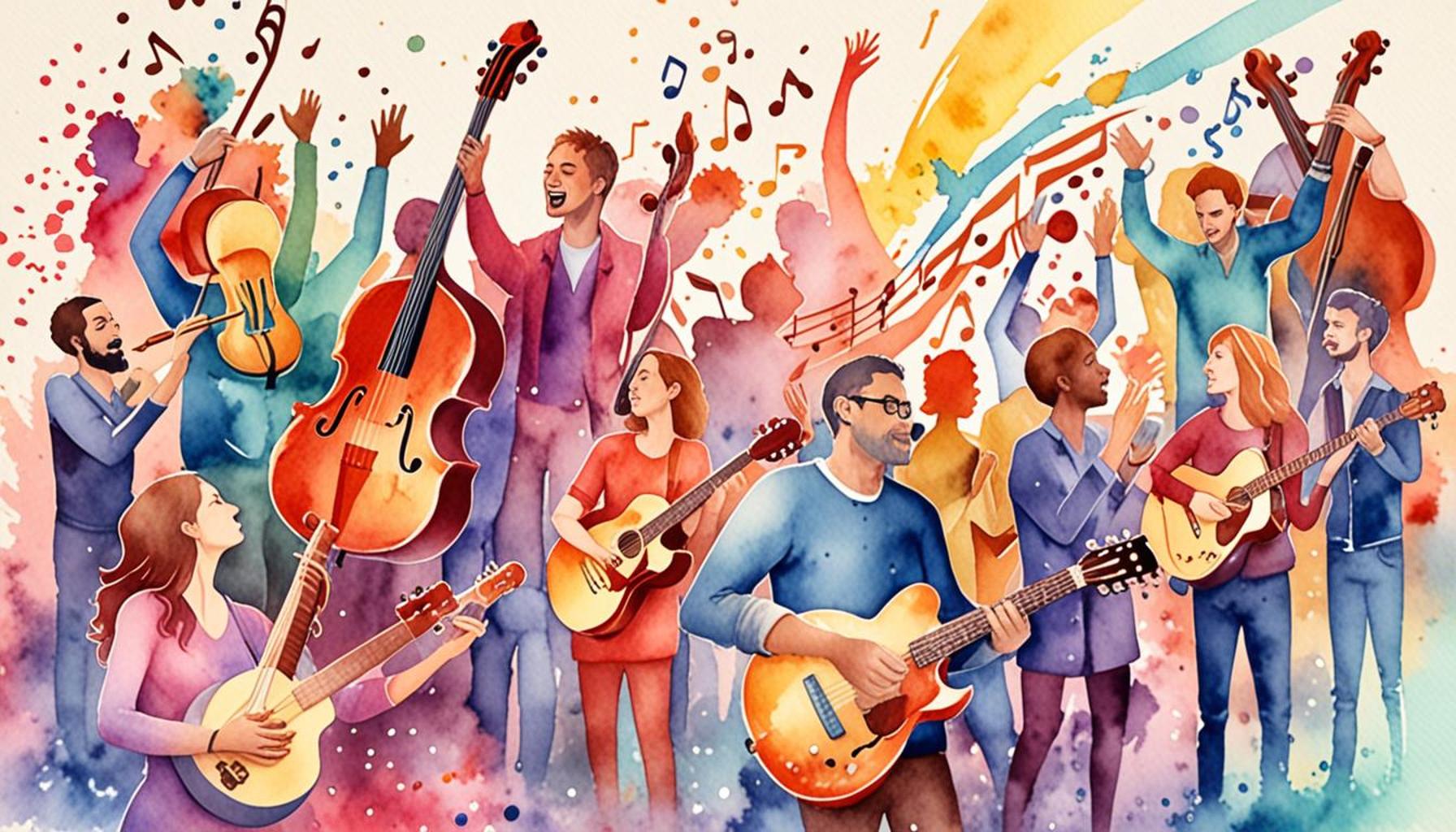
Imagine a group of musicians gathered together in a circle, each person contributing their distinct strengths and sounds to create something magical. This vibrant atmosphere, commonly referred to as a jam session, goes beyond mere entertainment; it is a powerful engine for personal creativity and a community-building force.
Within various communities across the United States, these collaborative music sessions take on numerous forms. They’re not restricted to any specific venue or format, whether they occur in sprawling community parks, at organized music festivals that attract thousands, or in the intimate settings of homes and studios where friendships flourish over shared tunes. Each of these gatherings nurtures a spirit of togetherness, inviting both veterans and newcomers to participate.
- Community jams in local parks: These events often bring people from diverse backgrounds together, turning a simple open space into a lively musical playground. Instruments range from guitars and drums to flutes and even hand-crafted percussion, demonstrating the rich tapestry of cultural influences.
- Organized events at music festivals: Festivals like Bonnaroo or Coachella often feature spontaneous jam sessions where artists may join forces on stage. This interaction not only captivates audiences but also creates an environment that inspires musicians to step outside their comfort zones.
- Casual meetups in homes or studios: Many musicians invite friends over for informal sessions, often resulting in collaborative songwriting or improvisation that encourages vulnerability and artistic exploration.
In cities like Austin, Texas, celebrated for its live music scene, jam sessions play a vital role in the artistic ecosystem. Here, musicians gather regularly, fostering connections that can lead to lifelong friendships and professional collaborations. The spontaneous essence of these sessions allows individuals to:
- Experiment with different genres: Musicians may blend blues with jazz or incorporate elements of hip-hop, often resulting in unexpected and refreshing soundscapes.
- Learn new techniques: Experienced musicians eagerly share their craft with novices, facilitating an environment where everyone feels empowered to ask questions and develop their skills.
- Break through creative blocks: The supportive nature of jam sessions can be incredibly liberating, helping participants overcome barriers that inhibit personal expression.
Through the exchange of ideas and sounds, these gatherings do more than sharpen individual musical abilities; they foster emotional expression, allowing participants to communicate feelings and stories through their art. The dynamic interplay between musicians creates a nurturing environment ripe for artistic growth, which not only benefits the individual but also enriches the community as a whole.
As we explore the profound impact of collaborative jam sessions, it becomes evident that these musical communities can transform lives, one note at a time. They serve as a bastion of creativity, connection, and shared human experiences, proving that in music, as in life, togetherness holds unparalleled power.
DISCOVER MORE: Click here to dive into artistic expressions
Unleashing Creativity Through Collective Sound
At the heart of every jam session lies a pronounced desire for creative expression, but what truly sets these gatherings apart is their unique ability to cultivate profound personal growth. Whether you are a seasoned musician or a curious beginner, the dynamic environment created during collaborative sessions facilitates an unexpected journey of self-discovery. As musicians interact, share, and innovate together, they transcend their individual capabilities and become part of something larger than themselves—a musical community.
One primary benefit of collaborative music-making is the empowerment of individuals. Within this supportive atmosphere, participants quickly shed their inhibitions and embrace experimentation. Setting the stage for improvisation not only enhances musicians’ skills but also fosters the courage to take artistic risks. By combining various influences, musicians frequently create sounds that go beyond their initial intentions, leading to new creative pathways.
- Improvisational Freedom: Unlike traditional rehearsals, jam sessions encourage spontaneous creation. Musicians discover their unique voicing and explore complex harmonies and rhythms, which promotes a deeper understanding of musical language.
- Collaboration Across Skill Levels: In these environments, more experienced musicians can mentor newcomers. This exchange of knowledge benefits all participants, as novices gain confidence and veterans reinforce their understanding through teaching.
- Building Emotional Resilience: The vulnerability inherent in sharing one’s music lays the groundwork for a supportive creative culture that can help individuals navigate personal challenges and emotions through their art.
Moreover, collaborative jam sessions often serve as conduits for cultural exchange. Participants bring their diverse musical backgrounds, introducing elements drawn from different genres, traditions, and lifestyles. Communities are thus enriched by this fusion of sounds, creating a vibrant tapestry of artistic collaboration. For example, a bluegrass guitarist might find inspiration in a jazz drummer’s time signature, resulting in a genre-blending experience that neither would have realized alone.
The emotional connection that comes from shared musical experiences cannot be overstated. As musicians play together, they communicate through their instruments in a way that often transcends spoken language. This bonding and sharing of stories through sound nurtures relationships and builds trust, creating deeper ties among participants. In this way, jam sessions function as microcosms of larger societal interactions, where bridges are built and communities strengthened.
As we delve deeper into the intricate web of musical collaboration, it becomes clear that jam sessions are more than just a collection of sounds; they are focal points for community building and personal transformation. By participating in these collaborative environments, individuals find a sanctuary where their creativity can flourish, resulting in a movement that elevates not only the music itself but also the hearts and minds of those who partake in it.
| Category | Details |
|---|---|
| Community Engagement | Collaborative jam sessions foster a sense of belonging among participants, allowing them to connect deeply through a shared passion for music. |
| Skill Development | These sessions provide a platform for musicians of all levels to enhance their skills by learning from others, which stimulates personal growth and creativity. |
Building musical communities through collaborative jam sessions not only cultivates individual creativity but also strengthens social ties among participants. The act of improvisation encourages musicians to step beyond their comfort zones, leading to a vast spectrum of innovative soundscapes. These interactions can spark new ideas and approaches to music-making, significantly shaping personal artistic expressions. Moreover, community engagement during these collaborations allows participants to be part of something greater than themselves, reinforcing the emotional connection to music as a universal language. The benefits extend beyond mere skill acquisition; they encompass cognitive enhancements that occur when engaging in collective music-making, such as improved memory and increased adaptability. By recognizing the profound impact that collaborative sessions can have on personal creativity, many are inspired to explore their musical abilities further. From local workshops to international jam festivals, the world is witnessing a resurgence of interest in collaborative music experiences that thrive on shared creativity and collective support. This phenomenon encourages musicians and enthusiasts alike to not only pursue their passion but also actively contribute to building inclusive musical communities.
DIVE DEEPER: Click here to discover the latest trends
The Role of Improvisation in Fostering Innovation
At the core of collaborative jam sessions lies improvisation, a skill that serves as both a catalyst for innovation and a vital component of musical communication. The process of crafting music spontaneously reshapes the conventional boundaries of individual creativity, allowing musicians to respond to each other’s energy and ideas instantaneously. This vibrant exchange leads to ideas that can shift the trajectory of a performance, resulting in unforeseen musical landscapes that challenge traditional norms.
Improvisational collaboration is not merely a technical exercise; it is a medium through which artists explore their identities and push their creative limits. When participants engage in collaborative improvisation, they are challenged to step outside their comfort zones. In this environment, collaborative synergy flourishes, as musicians weave together their distinct styles, techniques, and emotional expressions into a seamless tapestry of sound. For instance, a guitarist may spontaneously weave intricate fingerpicking patterns into a prevailing jazz rhythm, prompting a saxophonist to respond with melodic lines that echo the guitar’s motifs, each artist drawing inspiration from the other in real-time.
The Therapeutic Nature of Shared Musical Experiences
Beyond fostering innovation, collaborative jam sessions offer a therapeutic refuge for participants. The act of playing music together creates a sense of belonging and acceptance that is deeply rooted in shared vulnerability. As musicians navigate their emotional landscape, they can transform their personal struggles into art, often discovering clarity and solace in the collective experience. This can be particularly profound in communities where individuals may face societal challenges or life stresses, allowing them to find common ground through melody and rhythm.
Numerous studies indicate that the positive effects of music extend beyond traditional performance settings. For instance, research shows that participation in group music-making significantly reduces stress and boosts overall mental health. Regular jam sessions can serve as social support networks, with participants not only sharing their musical talents but also their life experiences. These gatherings can lead to ongoing friendships and network connections that extend well past musical collaborations, bolstering emotional resilience within the community.
Creating Inclusive Spaces for All Musicians
Inclusivity is yet another hallmark of successful jam sessions. These gatherings often welcome varied levels of musical proficiency, encouraging a culture where beginners feel welcomed and advanced musicians can share their expertise without elitism. This model promotes an environment where an intergenerational exchange of ideas flourishes, embracing a diverse array of influences. The organic nature of this music ecosystem allows for the emergence of new forms and styles that reflect the multifaceted identities of its participants, showcasing that music is a universal language that transcends barriers.
In addition, many local communities across the United States have started initiatives to create more accessible jam sessions that cater to underrepresented groups, including women, LGBTQ+ individuals, and musicians of various cultural backgrounds. Such efforts not only diversify the musical dialogue but also contribute to the formation of safe, supportive spaces where artists can explore their creativity without hesitation.
- Establishing Local Initiatives: Cities like New Orleans and Nashville have vibrant music scenes that invest in community-driven jam sessions, fostering both economic and cultural growth within these artistic hubs.
- Interdisciplinary Collaboration: Some jam sessions now integrate visual arts or dance, enhancing the creative experience and providing a cross-disciplinary approach that further enriches personal artistic expression.
By promoting inclusivity, innovative improvisation, and therapeutic connections, collaborative jam sessions are becoming key players in the landscape of building musical communities, cultivating a rich tapestry of creativity that is both profound and expansive.
DISCOVER MORE: Click here to unleash your creativity
Conclusion: The Transformative Power of Collaborative Jam Sessions
In conclusion, collaborative jam sessions are more than just a sharing of sound; they are vibrant communities that ignite personal creativity and innovate musical expression. By actively engaging participants in a culture of improvisation and shared experience, these gatherings create an environment where artistic boundaries dissolve and new ideas flourish. The spontaneity inherent in collaborative music-making serves as a catalyst for both individual and collective growth, encouraging musicians to explore their unique voices while drawing inspiration from others.
Furthermore, the therapeutic aspect of these sessions cannot be understated. They provide a sanctuary of belonging and support, where artists can navigate their emotions and find solace in shared vulnerability. As research highlights, the benefits extend beyond musical creation, as regular participation fosters deeper friendships and strengthens communal ties, enhancing overall mental health and emotional resilience.
The push for inclusivity in jam sessions showcases the evolving landscape of musical communities, embracing diverse backgrounds and experiences. This inclusivity is vital for cultivating an intergenerational exchange of ideas that enriches the creative process. Initiatives across the U.S. are increasingly recognizing the value of these gatherings, creating spaces where all musicians can contribute and flourish, thus reflecting the multifaceted identities that make up our society.
Ultimately, collaborative jam sessions represent a powerful framework for not only building musical communities but also for unlocking profound levels of creativity within individuals, urging us all to explore the depths of our potential through the universal language of music.