Menu

The intersection between art and technology: how digital tools are transforming artistic practices

Digital tools are revolutionizing artistic practices, merging technology and creativity. Artists are exploring new dimensions through digital art, virtual and augmented reality, and 3D printing. This transformation enhances accessibility, engagement, and collaboration, reshaping our understanding of art and inviting broader participation in the creative process.

The journey of the amateur artist: challenges and achievements in the pursuit of recognition and personal growth

The article explores the transformative journey of amateur artists, highlighting their pursuit of recognition and personal growth amid challenges like self-doubt and market saturation. It emphasizes the importance of skill development, community engagement, and embracing both obstacles and achievements as essential elements in cultivating their artistic identities.

The impact of social media on communities of amateur artists and their creations

Social media has revolutionized communities of amateur artists by enhancing networking, exposure, and collaboration, while providing real-time feedback. Although these platforms foster creativity and global connections, they also pose challenges related to authenticity and mental health. Understanding this impact is essential for navigating the evolving artistic landscape.

The influence of martial arts on the discipline and creative expression of practitioners

Martial arts significantly enhance discipline and creative expression in practitioners, fostering personal growth and life skills. Through structured training and artistic movements, individuals cultivate focus, resilience, and self-discovery, enriching their interpersonal relationships and overall well-being. This transformative journey contributes to a well-rounded, empowered existence.

The role of art in building personal identity: expressing who we are through creative hobbies

Art plays a vital role in shaping personal identity, allowing individuals to express who they are through various creative hobbies. Engaging in artistic pursuits fosters self-exploration, emotional clarity, and community connection, enhancing both individual growth and collective narratives that reflect diverse experiences and cultures.

How culinary art can be a form of personal and cultural expression

Culinary art transcends mere meal preparation, serving as a powerful form of personal and cultural expression. It allows individuals to share their heritage, tell their stories, and foster connections through food. This dynamic medium reflects diverse identities and social narratives, enriching our understanding of culture and community.

How Artistic Activities Can Foster Empathy and Intercultural Understanding

Artistic activities serve as powerful bridges to foster empathy and intercultural understanding. Through diverse expressions such as theater, visual arts, and music, individuals connect across cultural divides, enhancing emotional intelligence and encouraging dialogue. Engaging in these creative endeavors nurtures compassion and cultivates a more inclusive society.

How performative art can be a powerful form of social and political activism

Performative art is a powerful tool for social and political activism, engaging audiences through immersive experiences. By amplifying marginalized voices and fostering community dialogue, it inspires collective action against injustices while revolutionizing how we discuss pressing issues. This dynamic art form challenges societal norms and drives meaningful change.

Exploring Different Forms of Artistic Expression: From Drawing to Sculpture

This exploration of artistic expression highlights diverse mediums, including drawing, painting, sculpture, printmaking, digital art, and installation. Each form invites unique emotional resonance and interpretation, fostering connections between artists and audiences while reflecting cultural narratives throughout history and contemporary society. Engaging with these varied art forms enriches creative understanding.

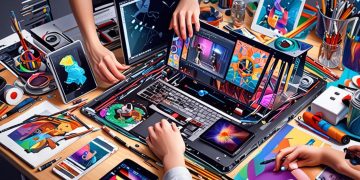
The connection between art and games: how creative hobbies can be integrated into game design

The relationship between art and gaming enriches player experiences by integrating creative hobbies into game design. Artistic elements like visual storytelling, music, and user-generated content enhance immersion and emotional engagement, fostering creativity. This dynamic intersection empowers players to explore their artistic potential while redefining interactive entertainment.