
The Influence of Cultural Heritage on Personal Music Creation
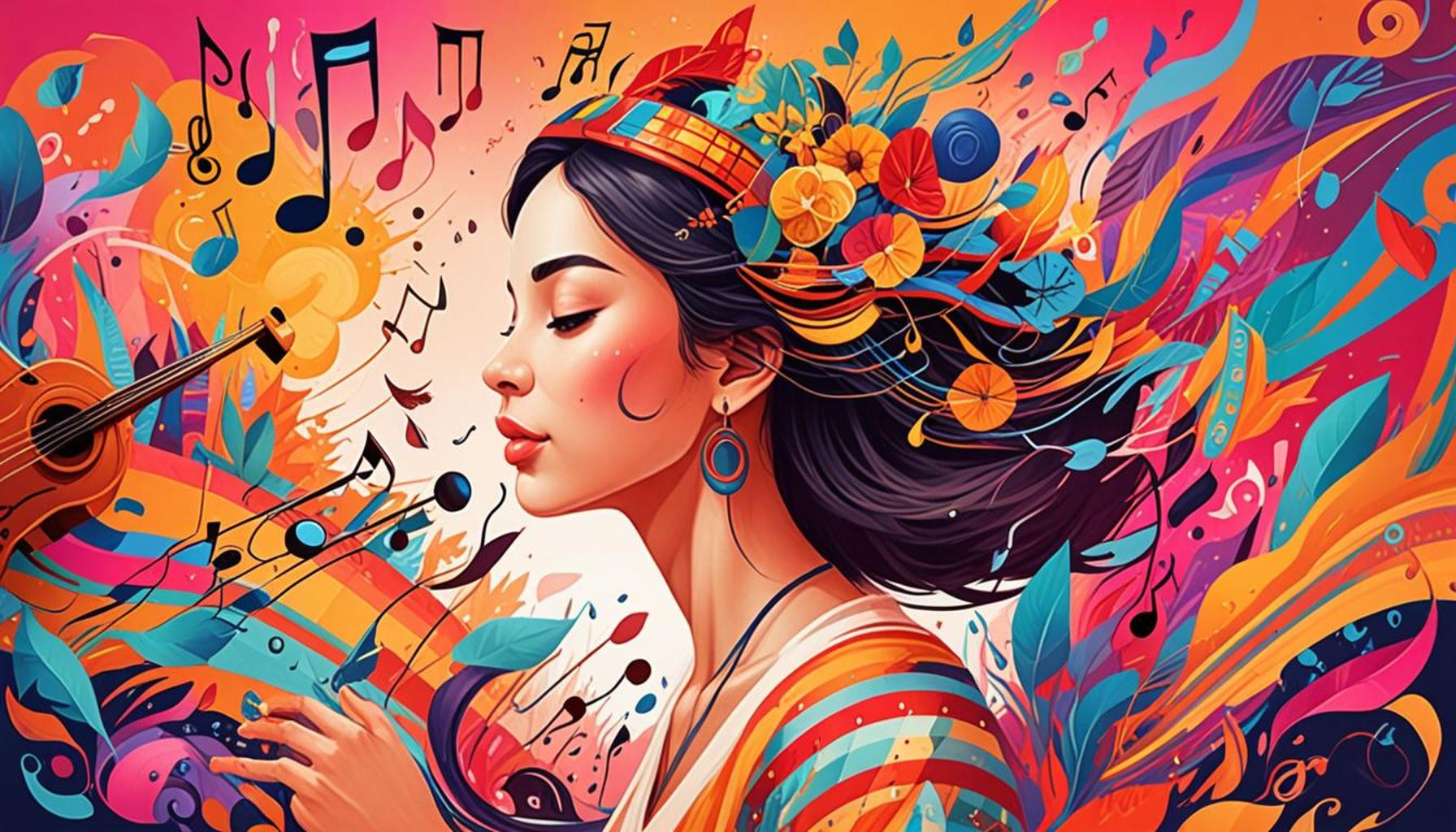
The Culture Behind the Music
Music stands as one of the most profound forms of expression, echoing the hopes, struggles, and stories of those who create it. The act of personal music creation is not merely an artistic endeavor but a dialogue with one’s heritage, weaving together the threads of traditions, rituals, and historical experiences. This rich tapestry can be seen in the sounds produced, reflecting a multitude of cultural influences that shape both the music’s tone and its underlying message.
At the core of this musical expression lies the concept of cultural heritage, which serves as a guiding force that informs an individual’s creative choices. Several key elements play a significant role in this dynamic:
- Instruments: The choice of instruments often showcases local materials and techniques. For instance, a musician from the Appalachian region might utilize a banjo or fiddle, instruments that have become emblematic of bluegrass and folk traditions.
- Genres: Each musical genre carries with it a unique story. Jazz, born in the African American communities of New Orleans, incorporates improvisation and syncopation, making it a vibrant representation of cultural fusion.
- Lyrics: The language used in lyrics often intertwines with cultural narratives. Storytelling through song can reflect community values, historical events, or personal experiences, as seen in the poignant storytelling found in country music.
Artists from diverse backgrounds across the United States contribute to a rich sonic landscape, each infusing their creations with the essence of their experiences. For example:
- A Native American artist might integrate traditional instruments like the flute or hand drum, alongside chants that convey a deep connection to nature and spirituality.
- A Mexican-American musician may find inspiration in the vibrant rhythms of mariachi music while infusing them with contemporary pop elements, creating a fresh sound that resonates with younger audiences.
- An African American artist could draw on the powerful emotionality of gospel music, infusing their hip-hop lyrics with themes of resilience and community, effectively bridging traditional and modern influences.
Understanding the influence of cultural heritage on music creation invites us to explore the emotional and social contexts that give rise to distinct soundscapes. By delving into these connections, listeners gain a deeper appreciation for the music they enjoy while also fostering a greater understanding of the diverse cultural identities that shape the American sound. As we uncover the narratives behind the notes, we are reminded that music is not just art but a vibrant reflection of life, community, and shared history.
DIVE DEEPER: Click here to explore creative hobbies through artistic expression</
Roots of Inspiration: How Heritage Shapes Sound
The intersection of cultural heritage and personal music creation is a fascinating exploration of how traditions echo through modern compositions. Musicians often find inspiration in the sounds, rhythms, and stories passed down through generations, creating a distinctive blend that honors the past while charting new territories in their musical journeys. This influence can manifest in various forms, shaping everything from melody to thematic concepts.
One of the primary ways cultural heritage informs music is through traditional scales and modes. Each culture has its unique musical framework, which can affect a musician’s composition style. For instance, scales prevalent in Middle Eastern music—like the hijaz scale—may inspire a musician to incorporate a different emotional depth or ambiance into their work. Such contexts allow artists to explore sounds beyond the typical Western diatonic scales, leading to rich, hybrid musical experiences.
The use of regional storytelling traditions further showcases how cultural narratives shape personal music creation. Folk tales, myths, and communal histories often provide a reservoir of ideas for lyrical content. For example:
- Appalachian Folk Music: Infused with narratives that depict the struggles of early settlers, songs from this tradition often convey themes of love, loss, and the struggles of rural life, creating a sense of identity and belonging for the artist and their audience.
- Blues: Emerging from the African American experience in the South, blues music channels deep emotional expressions associated with hardship and resilience, often incorporating elements of call-and-response techniques that mirror oral storytelling traditions.
- Indigenous Music: Songs used in ceremonies often express relationships with the land and spirituality, offering a deeply rooted perspective that informs the artist’s connection to both personal and collective identity.
The visual culture of a musician’s heritage also plays a significant role in personal expression. The ethnic garments, traditional art forms, and dance styles prevalent in a culture often inspire visual representation in music videos or stage performances. For example, a performer may don a kente cloth to evoke their African ancestry, infusing the presentation with layers of meaning that resonate with their community and audience alike.
Music creation is not just a solitary act but rather a profound conversation with one’s cultural past. As artists draw from their collective histories, they contribute to a wider dialogue that invites listeners to engage with and appreciate the rich tapestry that is American music. This connectivity invites us to not only appreciate music for its sound but also to reflect on the stories and histories behind it, ultimately deepening our understanding of the musical landscape.
The Influence of Cultural Heritage on Personal Music Creation
The rich tapestry of cultural heritage has a profound influence on personal music creation, serving as both a reservoir of inspiration and a canvas for innovation. Musicians draw from the sounds, rhythms, and stories embedded within their cultural backgrounds, crafting unique pieces that resonate not only with themselves but also with wider audiences. This interaction between individual expression and cultural legacy is what makes music a universal language, transcending boundaries and connecting people from diverse walks of life.
Traditional Instruments, representing various cultures, play a crucial role in this melding of influences. For instance, the African djembe, the Asian erhu, or the European lute can all be adapted into modern compositions, infusing contemporary music with historical depth. By incorporating these traditional sounds, artists cultivate a sense of authenticity and cultural pride, making their works not merely songs but celebrations of heritage.
Moreover, thematic elements from folklore, mythology, and community experiences often find their way into the lyrics and composition methods of modern musicians. These stories—passed down through generations—add layers of meaning and emotion, enriching the listener’s experience. As artists channel these narratives, they not only honor their roots but also invite listeners to participate in a journey through sound that explores shared histories and collective memories.
In light of this, we see that cultural heritage is not just a backdrop for personal music creation; it forms a core part of the artistic process. The fusion of different cultural influences fosters creativity, leading to innovative sounds that reflect our increasingly interconnected world. This evolution and adaptation manifest in various genres, showcasing how personal music creation can continuously evolve while remaining deeply rooted in cultural identity.
| Advantage | Details |
|---|---|
| Enhanced Creativity | The blending of traditional elements inspires new approaches in music composition. |
| Cultural Preservation | Musicians honor and preserve their cultural identities through innovative expressions. |
By digging deeper into the influence of cultural heritage on personal music creation, artists not only enhance their craft but also contribute to a vibrant cultural dialogue that resonates across generations.
Dive deeper: Click here to discover the role of creative writing in emotional well-being
Bridging the Generations: Cultural Dialogue in Modern Music
The conversation between cultural heritage and personal music creation is not merely a reflection of the past, but an ongoing dialogue that actively shapes contemporary sounds. As today’s artists embrace their roots, they often create a fusion of styles that resonate with both traditional and modern sensibilities, effectively acting as cultural ambassadors. The impact of cultural heritage on personal music creation extends beyond composition and lyrics; it permeates every aspect of the musician’s identity.
Collaboration across cultures has become more prevalent, allowing artists to meld their diverse backgrounds into rich musical tapestries. This cross-pollination can be seen in genres such as hip-hop, which has increasingly embraced elements from African, Caribbean, and Latin music. Artists like Bad Bunny seamlessly weave traditional reggaeton sounds with global influences, while others like Chance the Rapper draw from gospel music, highlighting the significance of religious traditions in their upbringing. These collaborations foster creativity and honor the multiplicity of heritage while appealing to wider audiences.
Furthermore, community engagement remains a cornerstone of music creation rooted in cultural heritage. Artists frequently engage with their local communities, drawing inspiration from shared experiences and traditions. For instance, musicians in New Orleans often infuse the festive spirit of Mardi Gras into their music, leading to vibrant and dynamic performances that capture the city’s cultural essence. This interplay between community and creativity not only strengthens connections to heritage but also establishes a sense of belonging for both artists and their listeners.
- LatinX Artists: Artists like Selena Gomez and J Balvin blend mainstream pop with their Latin roots, capturing a growing segment of the audience within the multicultural landscape of the United States.
- Native American Musicians: Artists such as Blackfire integrate traditional music with rock elements to amplify the messages of their indigenous heritage, creating a platform for cultural preservation and advocacy.
The evolution of music technology has democratized music creation, allowing more artists to explore and experiment with their cultural influences. Digital platforms enable musicians to access a vast reservoir of world music, encouraging innovative fusions that were previously challenging to obtain. For instance, artists can sample traditional instruments played in remote parts of the world and incorporate them into their tracks, thereby breathing new life into the sounds of their ancestors.
Additionally, the globalization of music consumption has heightened the awareness of diverse cultural influences. Streaming platforms allow audiences to discover global sounds and artists from different backgrounds, fostering an appreciation for their distinct heritages. This facilitation of cultural exchange inspires artists to incorporate these newfound influences into their work, resulting in a continuously evolving musical landscape that mirrors the complexities of modern society.
The exploration of cultural identity through music is not just about preserving the past, but also about anticipating the future. As personal expression merges with cultural heritage, musicians not only honor their roots but also redefine what it means to be a “cultural creator” in today’s world. This ever-deepening relationship adds layers of richness and complexity to the sonic landscape, encouraging both artists and audiences alike to reexamine their own connections to cultural heritage, ultimately paving the path for future musical innovation.
EXPLORE MORE: Click here to discover the significance of musical diversity</p
Conclusion: Embracing the Melodies of Our Roots
The intersection of cultural heritage and personal music creation serves as a dynamic canvas where tradition meets innovation. Throughout our exploration, we have witnessed how artists draw inspiration from their cultural backgrounds, resulting in an exciting convergence of sounds that reflect the rich tapestry of global heritage. This not only fosters creativity but also builds a bridge between generations, allowing the stories and values of the past to flow into contemporary music.
In an era where technology enhances accessibility to diverse musical influences, creators can amplify their cultural narratives by tapping into both local traditions and global collaborations. As seen with artists from backgrounds as varied as LatinX and Indigenous cultures, musicians are reshaping mainstream genres, ensuring their unique stories resonate across different audiences. The digital age has empowered these artists, enabling them to craft distinctive works that blend personal expression with collective memory.
As we reflect on the evolving musical landscape, it is essential to recognize the profound influence of cultural identity on personal artistry. By engaging with their own histories, musicians not only honor their roots but also elevate the voices of the communities they represent. This ongoing dialogue encourages listeners to embrace their own heritage while celebrating the diversity that forms the backbone of contemporary music.
Ultimately, the relationship between cultural heritage and music is a powerful reminder that every note holds the keys to understanding who we are and where we come from. Therefore, as we continue to explore the vast and varied realms of personal music creation, let us appreciate the melodies that echo the vibrant stories of our collective past, heralding a future rich in cultural resonance.


