Exploring Fusion Cuisine: Blending Flavors from Different Cultures in Creative Cooking
The Rise of Culinary Creativity
In a rapidly globalizing world, culinary art is undergoing a remarkable transformation. Fusion cuisine represents a vibrant tapestry woven from the diverse threads of countless food cultures. This unique culinary approach takes traditional elements from one region and harmoniously blends them with those from another, creating dishes that tantalize the taste buds and invite diners on an adventurous journey of flavors. For those who relish both cooking and eating, this blending of culinary traditions can serve as a source of endless inspiration.
Unleashing Culinary Potential
At its core, fusion cuisine empowers chefs and home cooks to think divergently. It encourages the exploration of new ingredients and culinary techniques hailing from various global traditions. For instance, incorporating spices like za’atar from Middle Eastern cuisine into Italian dishes, such as pasta, can create an entirely new flavor experience. Embracing this creative spirit means allowing yourself to experiment with contrasting flavors and textures, ultimately enriching your cooking repertoire.
Moreover, fusion cuisine thrives on the reinterpretation of classic recipes. Imagine a traditional spaghetti carbonara reimagined with spicy chorizo instead of pancetta, or classic pad Thai presented inside a crispy taco shell. These innovative twists not only give new life to beloved dishes but also reflect individual preferences and cultural backgrounds, making every meal a personal statement.
Unique Flavor Profiles and Combinations
The beauty of fusion cuisine lies in its ability to surprise diners with unexpected flavor profiles. For example, consider the popular concept of a poke bowl—originating from Hawaiian cuisine—that combines fresh sushi ingredients with elements of Western salads. Dressed in flavors of soy sauce and sesame oil, the poke bowl has captivated food lovers across the United States. Similarly, the combination of Thai curry and Indian naan bread creates a delightful union that showcases how culinary boundaries can be artfully blurred.
A Culinary Movement
As the demand for diverse dining experiences increases, an array of restaurants focusing on fusion cuisine has emerged across the United States. Many establishments are taking bold steps to integrate flavors that reflect the multicultural fabric of the nation. Food trucks have also joined the fusion movement, introducing items such as kimchi quesadillas or buffalo chicken sushi rolls. These inventive dishes have sparked curiosity among food enthusiasts and have become staples in urban culinary scenes.
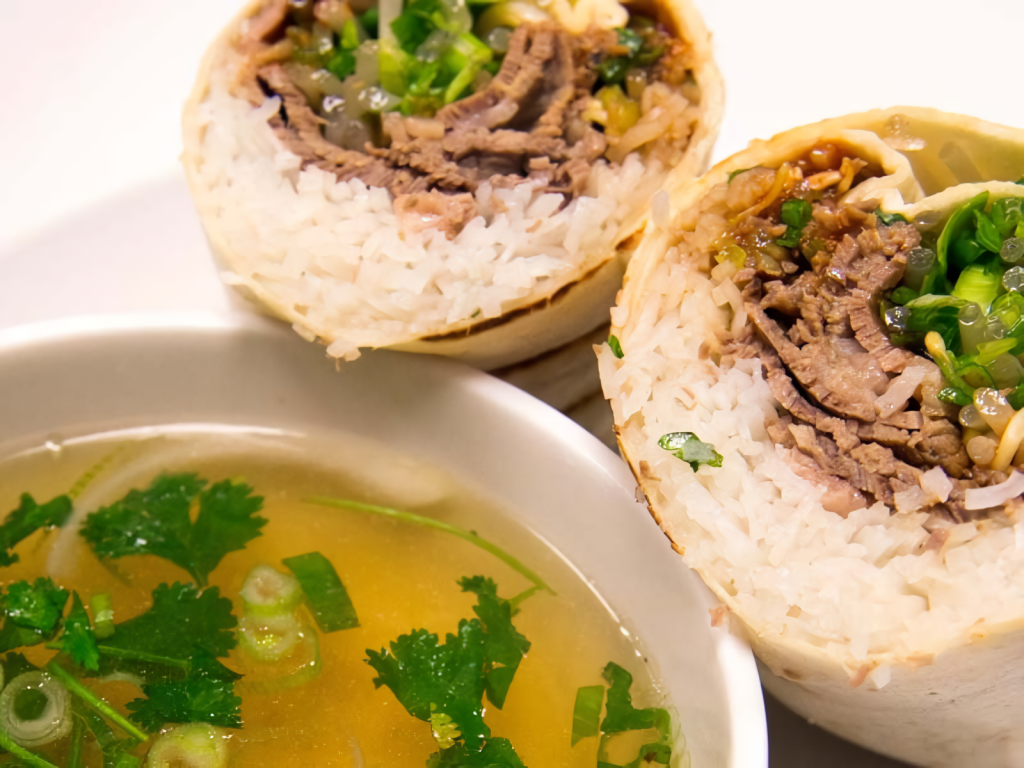
Ultimately, exploring fusion cuisine is not merely about throwing ingredients together; it is about storytelling through food. Every dish has a narrative, rooted in tradition yet elevated by modern inspiration. This article invites you to continue your journey through the intricate world of culinary fusion, encouraging your culinary adventures and sparking innovation in your own kitchen.
DISCOVER: Click here to elevate your plating skills
From Tradition to Innovation: The Heart of Fusion Cuisine
Fusion cuisine is far more than just a culinary novelty; it represents a fundamental shift in how food from different cultures can come together to create exciting new dishes. Chefs and home cooks alike are discovering that blending flavors can unlock a treasure trove of creative possibilities. This focus on exploratory cooking celebrates the richness of global culinary traditions while highlighting the importance of sustainability and freshness in the modern kitchen.
Key Elements of Flavor Fusion
When delving into fusion cuisine, several key elements can help guide flavor combinations. Understanding these elements can enhance the cooking experience and result in innovative dishes that tell a vibrant culinary story. Here are fundamental aspects to consider:
- Ingredient Pairing: Identifying ingredients that complement each other across different culinary traditions is crucial. For instance, the tanginess of balsamic vinegar pairs beautifully with Asian-inspired dishes that include soy sauce, producing a unique and bold flavor profile.
- Cooking Techniques: Each culture has its cooking techniques that can be adapted and merged. French sous-vide cooking, which locks in flavors through slow cooking, can seamlessly integrate with Mexican marinades to create tender, flavorful meats.
- Presentation Style: Aesthetic presentation often reflects the cultural background of a dish. For example, a traditional Indian curry served on a delicate Japanese plate blends visually, allowing diners to appreciate the cultural synergy.
By embracing these elements, cooks can experiment with various flavors, resulting in exciting dishes that challenge conventional culinary boundaries. The process often leads to the birth of signature dishes that enhance local dining landscapes.
Global Influences on American Palates
The United States is a melting pot of cultures, and this is reflected in its diverse food landscape. Many American chefs are incorporating flavors from international cuisines while catering to local tastes. Popular examples can be found in the rise of Asian-influenced tacos or southern BBQ infused with Caribbean spices. Notable restaurants such as Momofuku in New York and Yoshinoya in Los Angeles epitomize this blend of flavors by offering guests a roster of dishes that uniquely convey the American palate’s evolution.
Moreover, with the increasing acceptance of dietary restrictions and preferences, the fusion movement is responding with creative solutions. Vegan versions of traditional dishes can include unexpected ingredients from various traditions, such as jackfruit for pulled pork or aquafaba to mimic egg whites. These substitutions not only cater to a changing market but also represent an exciting shift in culinary practices—where taste takes precedence over traditional boundaries.
In summary, exploring fusion cuisine is about more than mere taste; it invites a revolution in our cooking methods and ingredient choices. As we embark on this journey to blend flavors and cultures, the kitchen becomes a manifesto that celebrates culinary diversity and sparks innovation. Whether you are a seasoned chef or an enthusiastic home cook, there are no limits to how you can create dishes that resonate with both tradition and modernity.
Fusion cuisine offers an exciting landscape for culinary enthusiasts looking to stretch their creativity and explore the world through taste. By synthesizing distinct culinary traditions, chefs can create innovative dishes that tell a story, often highlighting cultural bridges. The beauty of fusion cooking lies in its ability to respect and celebrate the unique characteristics of diverse cuisines while combining them in unexpected ways.
A popular example is the combination of Japanese and Peruvian flavors, which has gained notoriety through the rise of dishes like sushi tacos and tiradito. This cross-cultural melding provides an opportunity for chefs to introduce diners to subtle nuances, such as the use of fresh citrus juices common in Peruvian cuisine paired with the delicate textures of sushi rice. These types of dishes do not merely satisfy cravings; they evoke curiosity and encourage a conversation about culinary traditions and the stories they carry.
Moreover, fusion cuisine invites improvisation. Chefs often experiment with unusual ingredient pairings, such as Thai spices in classic Italian pasta dishes or Indian curries blended into tacos. Such creativity not only stimulates the palate but also enhances the overall dining experience, enticing food lovers to embrace the unexpected.
The trend toward sustainability within fusion cuisine is also notable. Many chefs are increasingly focused on local, seasonal ingredients from various cultures, marrying ecological responsibility with creative cooking. This commitment ensures that fusion dishes are not just delicious, but also mindful of their environmental impact.
Ultimately, the cultural exchange that occurs through fusion cuisine enriches our global food landscape. Each bite can offer a glimpse into the culinary history of two or more cultures while simultaneously creating something entirely new and unique. This exploration of global flavors continues to inspire food lovers and professional chefs alike, making every meal a chance to embark on a flavorful adventure.
| Category | Benefits |
|---|---|
| Cultural Exploration | Allows diners to experience diverse culinary traditions in a single bite. |
| Innovative Flavor Combinations | Stimulates creativity by blending unfamiliar flavors, promoting new dining experiences. |
| Sustainability | Encourages the use of local, seasonal ingredients, aligning cooking practices with eco-awareness. |
With the world continuously shifting towards a more connected way of eating, fusion cuisine embodies this transition. Exploring flavors from different cultures not only broadens our palates but also fosters an appreciation for the artistry involved in creative cooking.
DIVE DEEPER: Click here to explore the world of poetry
Innovation on the Plate: How Chefs are Transforming Fusion Cuisine
As the world embraces globalization, the culinary scene is not left untouched. Chefs are now armed with a wealth of knowledge about different cuisines, and they are combining techniques and ingredients like never before. The emergence of food culture blogs, cooking shows, and global travel experiences has fueled this creative cooking revolution. Talented chefs are challenging themselves to innovate, skills sharpened on the world stage help them mash up flavors and techniques in novel ways.
The Synergie of Techniques and Tradition
One approach that has gained popularity is the incorporation of traditional cooking methods from various cultures into familiar dishes. For example, the Japanese technique of charcoal grilling (sumiyaki) has made waves in American restaurants, as chefs use it to impart deep flavors to classic American burgers or grilled vegetables. This not only enhances the taste but also provides an exciting narrative behind the dish, celebrating disparate histories through fire and smoke.
Moreover, the art of fermentation—a method rooted in multiple cultural traditions—has found its way into fusion cuisine. A chef might take traditional Mexican salsa and introduce Korean gochujang for an unexpected sweet and spicy element, creating a condiment that pairs perfectly with grilled meats or as a dipping sauce for crispy fried foods. These combinations unlock new flavor dimensions while paying homage to the origins of the ingredients.
Fusion Desserts: A New Era of Sweetness
Not limited to savory plates, fusion cuisine is making strides in the dessert realm. The delightful blend of cultures can be seen in the popularization of matcha cheesecake, which brings together traditional Japanese matcha with classic New York-style cheesecake. Culinary innovators are also using unique ingredients such as Thai basil in ice creams or adding lavender to French macaron recipes, creating sweet confections that redefine what desserts can be.
Furthermore, beverages are getting the fusion treatment as inventive mixologists ranging from NYC to San Francisco experiment with global flavors. Cocktails like the spicy mango margarita with hints of Thai chili or a Yuzu mojito inspired by Japanese citrus showcase how cultural clues can inspire refreshingly vibrant drink options.
The Accessibility of Fusion Cuisine
With the rise of accessible cooking platforms, aspiring home chefs are no longer limited to traditional cooking methods or classic recipes. Social media platforms are brimming with user-generated content showcasing fusion dishes, inspiring viewers to step out of their culinary comfort zones. Recipe accounts share everything from how to make curried quinoa bowls to banh mi burgers, demonstrating how easy it can be to incorporate multiple flavors into a dish.
This accessibility extends to local farmers’ markets, where cooks can source fresh, regional ingredients that allow for even greater fusion opportunities. Imagine using local produce to infuse Mediterranean flavors into an Indian curry; the result could introduce a vibrant color palette and an unexpected taste profile that will intrigue even the most discerning palate.
Overall, the realm of fusion cuisine extends far beyond mere taste; it’s about discovery, creativity, and adventure on every plate. As the culinary world continues to evolve, embracing different cultures and cooking styles is not just a trend—it’s simply the next logical iteration of food, bridging gaps and cultivating community through shared experiences.
DON’T MISS: Click here to discover how musical diversity enhances creativity
Conclusion: The Future of Fusion Cuisine
As we explore the vibrant world of fusion cuisine, it becomes evident that culinary innovation knows no bounds. With the merging of cultural influences and traditional cooking methods, chefs are not merely adapting recipes but creating entirely new experiences that challenge and delight the palate. This culinary movement is more than just a playful mash-up of flavors; it is an exploration of identity, history, and the influence of globalization on our everyday food choices.
The accessibility of fusion cuisine, amplified by social media and the rise of home cooking, invites everyone to participate in this culinary adventure. From curried quinoa bowls to exquisite matcha cheesecakes, anyone can experience the thrill of experimenting with ingredients and techniques from around the world. This movement encourages home cooks to embrace creativity and redefine cooking norms, allowing for a richer culinary narrative that celebrates diversity.
As fusion cuisine continues to evolve, it not only transforms our plates but also fosters cultural appreciation and community. Diners are gaining an understanding of the deep connections between food and culture, prompting a more inclusive dining atmosphere. In navigating this delicious terrain, one can discover new ingredients, appreciate the traditions that inspire them, and celebrate the infinite possibilities of taste.
Ultimately, the journey of exploring fusion cuisine is an invitation to savor the stories behind each dish, encouraging us to embrace culinary creativity as we navigate the interconnected world we live in. So whether you’re a professional chef or a home cook, the world of fusion cuisine awaits—ready to delight and inspire with every bite.