How Crafts Activities Can Improve Mental Health and Well-Being
The Therapeutic Benefits of Engaging in Crafts
In today’s fast-paced world, stress and anxiety have become common companions. People are increasingly seeking effective ways to enhance their mental health and overall well-being. One surprisingly powerful and enjoyable method is engaging in craft activities.
Crafts not only offer a creative outlet but also provide numerous psychological benefits that are backed by research. Engaging in activities such as painting, knitting, or woodworking can create a positive ripple effect on mental wellness. Below are some ways that crafts can enhance mental health:
- Reduces Stress: Focusing on craft projects can divert your mind from worries and stressors. Many individuals find that the rhythmic motions involved in crafts like crocheting or painting can induce a meditative state, thereby significantly lowering stress levels.
- Boosts Self-Esteem: Completing a craft, no matter how simple, instills a sense of accomplishment. This sense of achievement can be even more profound when sharing the finalized piece with friends or family, reinforcing positive self-perception.
- Encourages Mindfulness: Crafting promotes being present in the moment, a practice akin to mindfulness meditation. Focusing on the textures, colors, and processes in crafting can help individuals disconnect from negative thoughts and immerse themselves in a creative flow.
- Improves Cognitive Function: Skills involved in crafting—such as planning, problem-solving, and fine motor skills—enhance memory and mental agility. For instance, sewing may require remembering patterns, which activates various brain functions and can improve cognitive capacity.
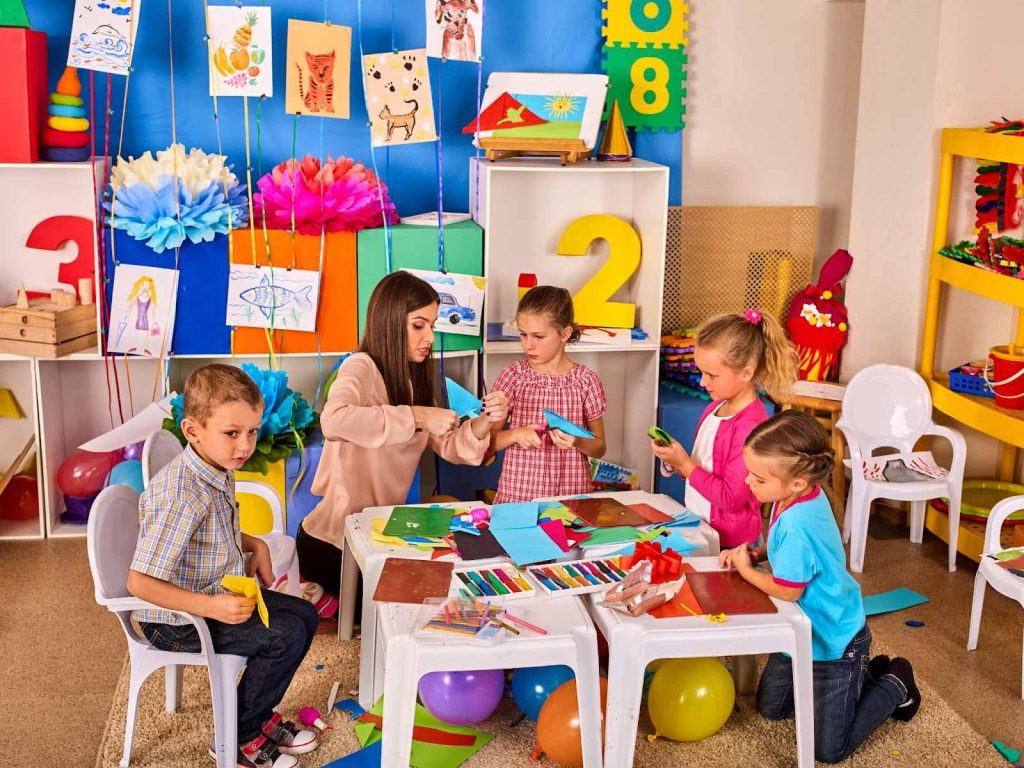
- Facilitates Social Connections: Group crafts, often seen in community centers or art classes, provide a sense of community and support. They can help combat feelings of isolation and loneliness, linking individuals through shared interests and collaborative projects.
Numerous studies indicate that engaging in crafting can lead to lower levels of depression and anxiety. For example, a study published in the Journal of Positive Psychology found that participants who engaged in creative activities reported improved mood and reduced feelings of stress after just a short period of hands-on work.
Furthermore, this interesting aspect of creative expression is gaining recognition in therapeutic practices across the United States. Art therapy programs are increasingly incorporating crafts as a modality for their positive effects on mental health. Such programs cater to various demographics, including children, veterans, and the elderly, illustrating the broad appeal of crafting as a healing tool.
As we delve deeper, we will uncover the science behind how crafts can transform not only your leisure time but also your mental health. Discover how picking up a brush, knitting a scarf, or assembling a scrapbook can positively impact your life and potentially lead to lasting change in your mental wellness.
DISCOVER MORE: Click here to dive deeper
The Psychological Impact of Crafting
The mental health benefits of engaging in crafts are not merely anecdotal; they are supported by a growing body of research. When individuals immerse themselves in craft activities, several psychological processes come into play that can significantly improve mental well-being. Here is a closer look at how engaging in crafts can positively impact mental health:
- Promotes Relaxation: The act of crafting encourages relaxation, a crucial component of mental health. As individuals engage in various creative activities, their bodies produce serotonin and dopamine, neurotransmitters known for their mood-enhancing effects. Simply dedicating time to create can lead to a sense of peace and tranquility.
- Enhances Concentration: Crafting requires focus and attention, which can help individuals shift their minds away from anxiety and negative thought patterns. Whether it’s scrutinizing patterns in quilting or aligning beads in jewelry making, the need to concentrate can act as a mental distraction, providing an escape from stress.
- Fosters Creativity: Creativity can be an integral coping mechanism, allowing individuals to express emotions and explore their thoughts in a constructive manner. Arts and crafts provide a safe space for self-exploration, enabling individuals to communicate feelings that may otherwise be difficult to articulate.
- Encourages a Sense of Purpose: Crafting projects often require planning and execution, instilling a sense of purpose and direction. This forward momentum can help alleviate feelings of aimlessness that can accompany mental health issues, providing a structured way to engage with daily life.
- Builds Resilience: Completing a challenging craft project cultivates resilience. The sense of overcoming obstacles through creativity can reinforce a positive mindset. This capability to adapt and try again can translate to other areas of life, improving overall mental fortitude.
In a comprehensive analysis conducted by the American Journal of Public Health, researchers found that people participating in creative activities like crafting reported a 75% reduction in depression symptoms. Such data highlights the profound emotional shifts that can occur through hands-on creativity. This knowledge is especially pertinent in a country where mental health issues are on the rise, amplifying the urgency of finding effective coping strategies.
Moreover, crafting isn’t just a solitary pursuit. When individuals participate in group crafting activities or workshops, they open themselves up to social connectivity, which is vital for comprehensive mental health. Community craft events or classes facilitate interactions, fostering friendships and networks of support. This aspect of crafting builds not only individual happiness but also community resilience.
The intersection of crafting and mental health is also epitomized by the notion of “creative aging.” Programs dedicated to seniors have increasingly been incorporating crafts to address loneliness and cognitive decline. By engaging in creative pursuits, older adults can harness their creativity while simultaneously improving their mental acuity and emotional wellness.
As we explore further, the intricate relationship between crafting, mental well-being, and community connections can unlock a treasure trove of practices for enhancing life satisfaction. The rich tapestry of crafting not only beautifies our surroundings but also nurtures our minds, illustrating that creativity is indeed a vital component of a fulfilled life.
| Category 1 | Category 2 |
|---|---|
| Creative Expression | Artistic activities like painting, knitting, or sculpting allow individuals to express emotions. |
| Stress Reduction | Crafting can serve as a meditative practice, promoting relaxation and helping to reduce anxiety. |
| Social Interaction | Group crafting sessions can foster a sense of community and belonging, enhancing social well-being. |
| Focus and Mindfulness | Craft activities demand concentration, helping to anchor attention and promote present-moment awareness. |
Crafting activities often play a crucial role in enhancing mental health by providing avenues for creative expression. Engaging in artistic pursuits can be a therapeutic outlet, allowing individuals to convey their emotions and experiences through various mediums. This process of creation can significantly reduce feelings of stress and anxiety, serving as a valid distraction from daily pressures.Furthermore, participation in group crafting activities not only nurtures individual creativity but also fosters valuable social connections. These interactions can lead to friendships and support networks, which are essential for mental well-being. In addition, crafting encourages focus and mindfulness, as the concentration required for intricate projects can elevate awareness of the present moment, leading to a calming effect on the mind. The therapeutic benefits of crafts extend beyond mere relaxation; they represent a profound tool for emotional health, helping individuals navigate the complexities of their mental landscape. Engaging in these activities can be a step toward a more balanced and enriched life.
DISCOVER MORE: Click here to unlock new sounds
The Community Connection of Crafting
Delving deeper into the benefits of crafts, we uncover an essential aspect often overlooked: the social dimension of crafting activities. The human experience is inherently social, and engaging in craft projects can serve as an effective conduit for building relationships and strengthening bonds. Social connection has been shown to significantly bolster mental health, and crafts provide a perfect platform for fostering these connections.
Many community art centers and local colleges across the United States host crafting classes, workshops, and events that draw individuals together. These gatherings encourage collaboration and communication, transforming solitary pastimes into shared experiences. Participants can find solace in knowing they are not alone; discussing techniques and sharing successes can lead to a sense of community and belonging. This is particularly beneficial for those struggling with mental health issues, as social isolation can exacerbate feelings of hopelessness and sadness.
Furthermore, these community efforts reflect the therapeutic potential of group crafting. Group activities promote teamwork and allow participants to exchange ideas and inspiration. A study conducted by the Journal of Positive Psychology found that group crafting experiences significantly uplift participants’ mood and foster a sense of achievement through collaborative efforts. Such positive interactions can lead to lasting relationships that enhance the emotional support network of individuals.
In addition to group activities, virtual crafting platforms have gained traction, especially in recent years. Online crafting communities provide a space for people to connect regardless of their location. Websites and social media groups dedicated to crafting allow individuals to share their creations, seek advice, and participate in challenges from the comfort of their own homes. This digital avenue of connection is particularly significant for individuals who may find it challenging to engage in person due to mobility issues or mental health conditions such as anxiety. Connecting with others through crafts online promotes a sense of inclusivity and helps combat feelings of loneliness, which are prevalent in today’s digital age.
Art therapy is another fascinating intersection of crafting and mental health, where trained therapists incorporate crafts into therapeutic processes. This method has been employed in various settings, from schools to rehabilitation centers, to help individuals process emotions and resolve conflicts creatively. Research indicates that art therapy can reduce anxiety and increase self-esteem among various populations, cementing the legitimacy of crafts as a form of therapeutic intervention.
Moreover, crafting can serve as an innovative tool for educators. Schools that incorporate creative projects into their curriculums are capitalizing on the emotional and cognitive benefits associated with crafting. Programs designed to enhance students’ emotional intelligence through crafting activities are emerging, where children not only develop creative skills but also learn how to express their emotions effectively. This is particularly relevant for schools in the United States, where mental health awareness is gaining momentum.
The multifaceted relationships between crafting, community engagement, and therapeutic practices illuminate the potential crafting holds in enhancing mental health and well-being. As the evidence mounts, it becomes increasingly clear that cultivating creativity can foster resilience, connectivity, and emotional growth across diverse demographics.
DISCOVER MORE: Click here to learn how crafting can enhance your well-being
Conclusion
In summary, the intersection of crafts and mental health unveils a world of possibilities for enhancing well-being and fostering resilience. Engaging in craft activities not only stimulates creativity but also cultivates a rich tapestry of community connections that play a vital role in mental health. The ability of crafting to relieve stress, promote mindfulness, and encourage social interactions makes it a powerful tool for addressing mental wellness, particularly in a time when many experience isolation and anxiety.
As explored, community crafting initiatives—whether through workshops, art therapy sessions, or online platforms—offer individuals a chance to connect, share, and grow together. The tangible benefits of collaborative crafting, including boosted mood and enhanced interpersonal relationships, cannot be overstated. Participating in these shared activities bridges the gap between individuals and fosters a sense of belonging, which is essential for emotional support. Furthermore, with the rise of virtual communities, crafting has transcended geographical barriers, allowing anyone, regardless of circumstance, to take part in this enriching experience.
As we move towards a society that increasingly acknowledges the importance of mental health, integrating creative practices like crafting into our daily routines and community programs can serve as a proactive approach to foster mental resilience. By embracing the power of crafts as a vehicle for creativity and connection, we can pave the way for a healthier, more fulfilled population. Moving forward, it is essential for educators, community leaders, and mental health advocates to recognize and promote the therapeutic potential of crafting, ultimately transforming how we perceive and approach mental well-being.