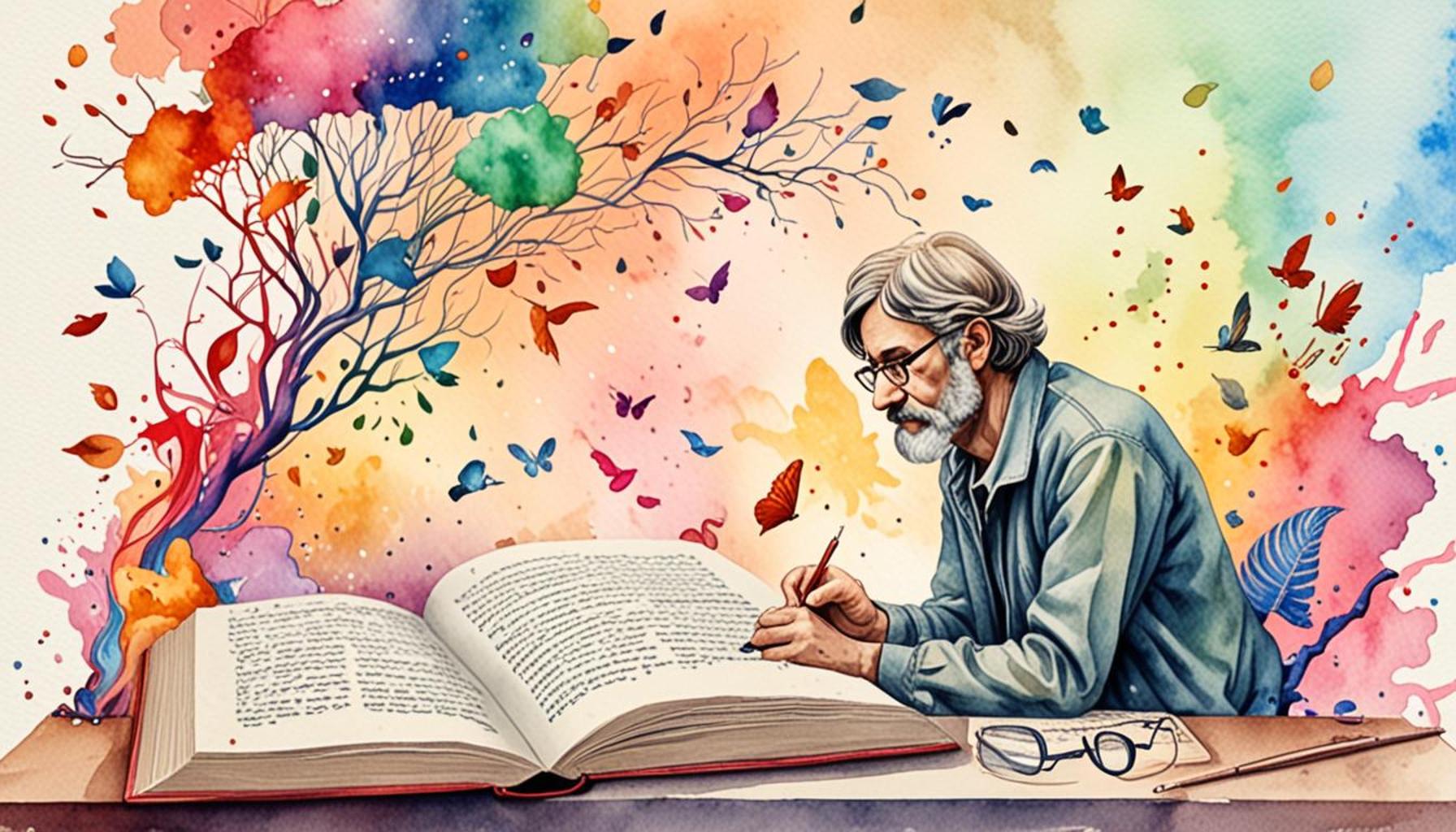
The importance of creative writing in self-expression and emotional well-being

The Power of Creative Writing in Personal Growth
Creative writing serves as an essential tool for self-expression and promotes emotional well-being. From poetry to fiction, writing can unlock feelings and thoughts that remain otherwise bottled up. This transformative process plays a crucial role in articulating one’s experiences while fostering deeper connections with others. It opens channels of communication that might not otherwise find a voice in our fast-paced, increasingly digital society. By putting pen to paper—or fingers to keyboard—individuals can discover more about themselves and their unique perspectives.
Key Benefits of Creative Writing
- Emotional Release: Writing allows individuals to release emotions that might be overwhelming or difficult to share verbally. For instance, journaling about a particularly challenging day can lead to relief and clarity. Many find that poetry serves as a cathartic outlet, enabling them to express heartbreak, joy, or anger that they may struggle to articulate in conversation.
- Enhanced Self-Discovery: Engaging in creative writing encourages introspection and can unveil hidden aspects of one’s personality. Through character creation or narrative exploration, writers often confront their fears, desires, and motivations. This process is akin to seeking therapy, as it can reveal personal truths that inform their life choices.
- Improved Mental Health: Studies suggest that expressive writing can reduce stress, anxiety, and depressive symptoms. Research published in reputable journals indicates that individuals who write about their feelings—even for short periods—report greater emotional health compared to those who do not. In the United States, programs integrating writing therapy into mental healthcare show promising results, highlighting its potential as a complementary treatment.
Moreover, engaging in creative writing can be a therapeutic activity. It provides a safe space to explore one’s thoughts and feelings without judgment. Whether through journaling, storytelling, or crafting poetry, the act of writing offers a powerful mechanism for personal reflection and emotional processing. This creative outlet not only strengthens resilience but also empowers individuals to face challenges head-on. Consider the therapeutic opportunities provided in writing workshops, where participants can share their stories and find solace in the experiences of others.
Engagement with Community
Participating in writing groups or workshops offers additional benefits, creating a communal environment for shared growth. Creative writing nurtures personal development while facilitating community building through storytelling and shared experiences. Local organizations across the United States host regularly scheduled writing circles that encourage collaboration, like National Novel Writing Month (NaNoWriMo), which brings together aspiring authors to tackle writing projects in a supportive setting. Such initiatives provide not only inspiration but also a sense of belonging, allowing writers to connect on a deeper level.
As we explore the significance of creative writing, it becomes evident how this art form can be a valuable ally in navigating the complexities of modern life. The journey of self-expression through words is waiting to be discovered, offering rich rewards for those brave enough to explore their inner landscapes. Embracing creative writing as part of a holistic approach to well-being can foster resilience, encourage self-exploration, and build lasting connections with others on a similar journey.
DIVE DEEPER: Click here to discover the benefits of crafting for your mental health

Unlocking the Therapeutic Potential of Words
Creative writing serves as a remarkable medium for exploring the intricate relationship between self-expression and emotional well-being. By putting feelings into words, individuals can navigate the murky waters of their inner emotions, ultimately fostering healing and insight. This process becomes not just an avenue for personal reflection but a pathway to greater emotional understanding. Numerous psychological studies highlight how engaging in writing can help manage stress and emotional pain, making it a crucial tool for mental health.
The Science Behind Writing and Mental Health
Research into expressive writing reveals profound benefits for emotional well-being. For instance, a groundbreaking study published by the American Psychological Association states that individuals who engage in writing about traumatic experiences report decreased levels of stress and anxiety. The act of translating emotions into written words provides clarity and can evoke a sense of relief. This has led many mental health professionals to recommend creative writing as a complementary therapeutic technique.
- Validation of Emotions: Writing serves to validate one’s feelings; when individuals articulate their thoughts, they often gain reassurance that their emotions are acceptable and understood. This validation can be a stepping stone towards greater emotional intelligence.
- Building Coping Mechanisms: Engaging in writing allows individuals to create narratives that help frame their experiences in a more manageable way. Crafting stories or poetry equips writers with coping strategies for dealing with personal issues, promoting resilience in the face of adversity.
- Fostering Mindfulness: Creative writing often requires a focused state of mind, encouraging mindfulness. This engagement compels writers to be present in the moment, which can mitigate feelings of anxiety and promote overall emotional balance.
Creative writing is not just about putting thoughts on paper; it is an ongoing journey toward self-empowerment. For many, it becomes a ritual—a daily practice that fosters self-discipline and commitment to one’s emotional landscape. The rigors of routine writing not only encourage consistency but also offer a structured space for exploring vulnerability. In this dedicated environment, thoughts that might usually linger in the shadows can be illuminated, allowing for personal growth and healing.
Accessibility of Writing as a Tool for Well-Being
One of the most appealing aspects of creative writing is its accessibility. Anyone, regardless of age or education level, can engage in this form of self-expression. Community centers, libraries, and online platforms offer myriad resources to get started, from free writing workshops to guided exercises that prompt self-reflection. Programs such as Wordsworth provide free workshops and resources aimed at encouraging underrepresented communities to share their voices, illuminating the idea that storytelling can transcend personal and cultural boundaries.
As we delve deeper into the significance of creative writing, it’s vital to recognize its rigor as a tool for self-discovery. The act of writing offers a unique opportunity for individuals to transform their experiences into stories, leading to a richer understanding of themselves and the world around them.
The Role of Creative Writing in Personal Growth
Creative writing serves as a powerful tool for personal growth and transformation. When individuals engage in writing, they embark on a journey of self-discovery that allows them to explore their innermost thoughts and feelings. This process not only enhances self-awareness but also fosters emotional literacy. By articulating their experiences, writers gain insight into their emotions, helping them to understand and navigate their feelings more effectively.Moreover, creative writing can significantly improve one’s mental health. Engaging in this form of self-expression has been linked to reduced symptoms of anxiety and depression. Writing about traumatic experiences or day-to-day stresses provides a therapeutic outlet, allowing individuals to process their emotions in a constructive manner. Studies suggest that regularly practicing creative writing can lead to improved overall well-being, offering a sense of relief and encouraging a more positive outlook on life.In addition to aiding emotional recovery, creative writing helps individuals establish a stronger connection with themselves and others. Shared narratives, whether through blogs, poetry, or stories, can foster community and support among readers and writers alike. This connection not only motivates individuals to keep expressing themselves but also cultivates a deeper understanding of the varied experiences of others, promoting empathy and human connection.Finding one’s voice through creative writing can also empower individuals to take control of their narratives. By expressing their stories, they reclaim their identities, which in turn can lead to greater self-acceptance and confidence. As individuals explore their unique perspectives, they often discover strengths and values that contribute to their sense of purpose. Such empowerment fosters resilience, arming individuals with the tools to face challenges in their daily lives more courageously.Creative writing provides a unique platform for creativity and self-reflection, ultimately playing an integral role in enhancing emotional well-being and ensuring that individual stories are told and appreciated. As more writers embrace their unique voices, the collective tapestry of human experience grows richer, highlighting the importance of expression in our shared journey of life.
DIVE DEEPER: Click here to learn how musical improvisations can transform your personal growth
Creating Community Through Storytelling
Beyond individual practices, creative writing fosters a sense of community, which greatly contributes to emotional well-being. When individuals come together to share their stories, whether in workshops, writing groups, or online forums, a sense of belonging develops. This communal space not only amplifies diverse voices but also cultivates mutual understanding and empathy. The shared experience of storytelling connects people across different backgrounds and perspectives, reinforcing the notion that one is not alone in their struggles or triumphs.
The Role of Writing Workshops and Peer Feedback
Writing workshops serve as supportive environments where participants can explore their creativity collectively. In these settings, writers often receive constructive feedback on their work, leading to a deeper exploration of their themes and emotions. According to a study conducted by the National Writing Project, participants in such workshops reported improvements in not just their writing skills but also their emotional resilience. By sharing personal narratives, participants can identify common themes and challenges, fostering a sense of community and shared experience.
- Shared Vulnerability: Workshops encourage participants to share their raw, unedited work, which can require significant vulnerability. This shared openness can reduce feelings of isolation and promote healing through the acknowledgment that struggles are universal.
- Feedback as Growth: Receiving feedback within a supportive group allows writers to redefine their narratives, transforming personal pain into a source of strength. The insights gained from peers can lead to unexpected pathways for emotional healing.
- Networking Opportunities: Networking occurs naturally in writing groups, leading to collaborations and lasting friendships. These relationships not only enrich one’s creative life but also provide external support systems during difficult times.
Moreover, the rise of virtual writing communities has expanded access to creative writing as a source of emotional support. Platforms such as Wattpad and Medium allow writers to share their work with an audience, receiving instant feedback and encouragement from readers worldwide. This immediacy can be particularly beneficial for those who may lack local support or feel hesitant to share their stories in more traditional settings.
Art as Emotional Expression and Release
While written words are at the heart of creative writing, the incorporation of various forms of art enhances this medium’s emotional expressiveness. Blending writing with visual art, music, or performance can intensify the emotional impact of a narrative. For instance, many writers use art journaling as a means of combining writing and visual creativity to explore their feelings. This multimedia approach allows for a broader range of emotional expression, as artists may communicate feelings that words alone cannot adequately convey.
Furthermore, specific genres, such as poetry or short story writing, have shown to be particularly effective in exploring complex emotions. Poets, for example, often delve into abstract feelings using metaphor and rhythm, creating a resonance that can be deeply therapeutic for both the writer and the reader. Such forms may inspire individuals to articulate their thoughts in a fresh and impactful manner, reinforcing the connection between creativity and emotional health.
Ultimately, creative writing equips individuals with essential tools for self-reflection and emotional growth. By embracing this practice, individuals can transform their narratives, build connections, and engage in a dynamic process of healing and discovery. In a world where emotional challenges often feel overwhelming, the written word remains a steadfast companion, guiding the journey toward personal well-being.
DISCOVER MORE: Click here to learn about the therapeutic benefits of visual arts
Conclusion: Embracing the Power of Creative Writing
In a society that often prioritizes outward appearances and fast-paced communication, creative writing emerges as a vital channel for self-expression and emotional well-being. Through the art of storytelling, individuals access the depths of their feelings, exploring complex emotions that may otherwise remain unvoiced. This practice not only serves as a therapeutic outlet but also fosters community connections, as writers share their narratives, gaining a sense of belonging and camaraderie.
The transformative nature of creative writing encapsulates the power of vulnerability—where sharing one’s raw, authentic experiences can lead to collective healing. By participating in writing workshops or engaging with online platforms, individuals benefit from the support of others, learning that they are not alone in their journeys. In fact, research highlights that these communal experiences are integral to enhancing emotional resilience, proving that collaboration can enrich one’s creative pursuits and strengthen personal growth.
As we delve deeper into various genres and forms of artistic expression, the integration of creative elements further enhances the emotional richness of writing. Whether through poetry, narratives, or multimedia approaches, individuals can articulate feelings that resonate on multiple levels, ensuring that both writer and reader engage in meaningful dialogues.
Ultimately, embracing creative writing is an invitation to explore personal truths, forge connections, and embark on a path of healing and self-discovery. In a world fraught with challenges, the written word stands as a beacon of hope, illuminating the journey towards personal well-being and emotional fulfillment. As more individuals recognize the importance of this practice, the potential for collective healing and understanding becomes boundless, encouraging a society where creativity and emotional health thrive hand-in-hand.