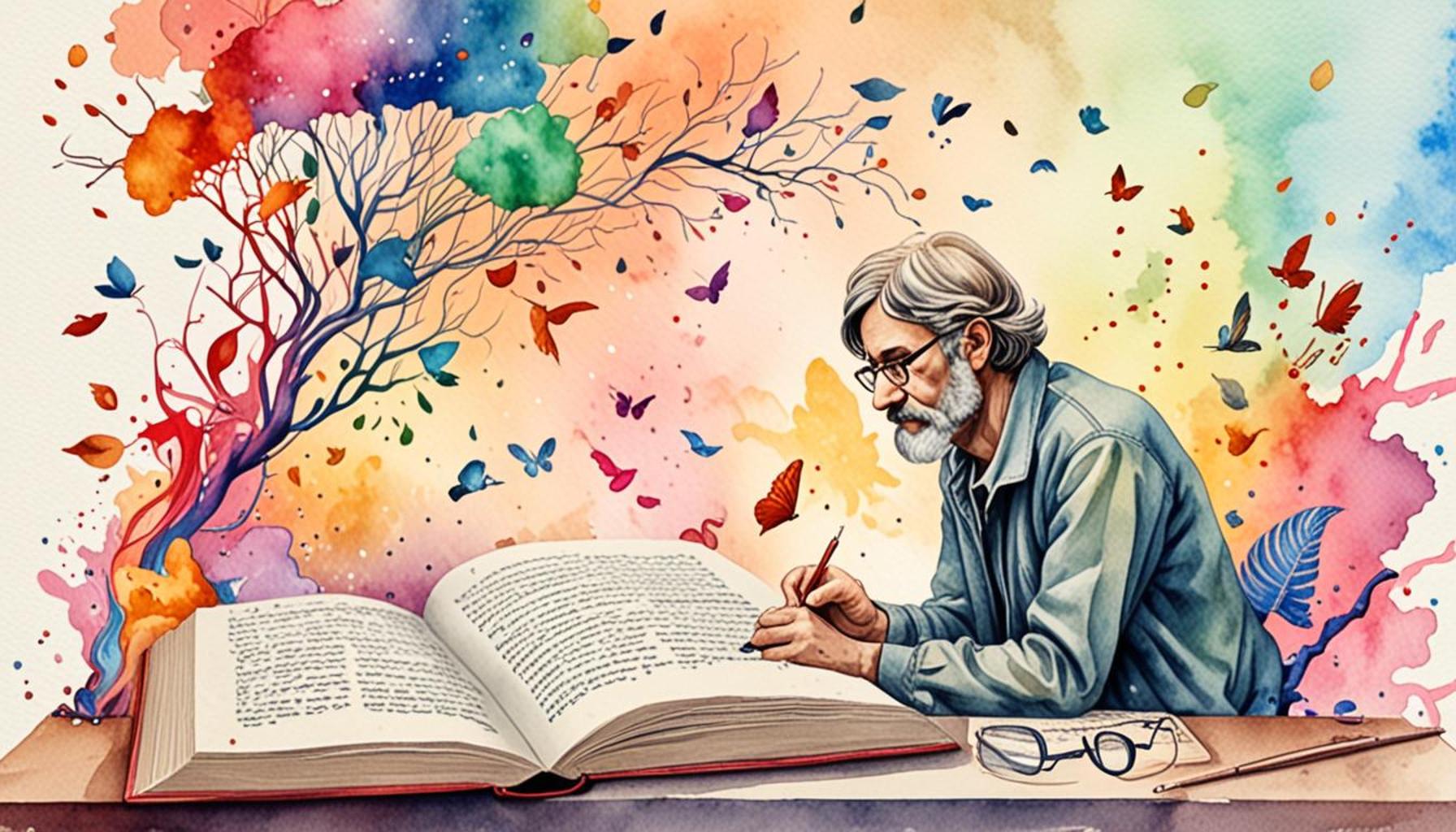
Creative Narratives How Writing Fiction Transforms Personal Reality

Unlocking Potential Through Creative Writing
In a world filled with distractions, creative hobbies play a crucial role in mental well-being and personal growth. Engaging in fiction writing allows individuals to explore their thoughts, emotions, and experiences, ultimately leading to profound transformations in their personal reality. The act of crafting stories not only serves as an outlet for imagination but also becomes a pathway to self-discovery.
The Power of Narrative
Writing fiction enables individuals to reframe their experiences, offering new perspectives on life’s challenges. It encourages reflection, allowing writers to confront their fears and aspirations in a controlled environment. As narratives unfold, they often mirror a writer’s journey, helping them understand themselves better.
Why It Matters
- Enhances Emotional Intelligence: Fiction writing nurtures empathy and understanding.
- Builds Problem-Solving Skills: Navigating character arcs often translates to real-life challenges.
- Improves Communication: Crafting stories hones clarity and effectiveness in expression.
In this article, we will explore the top 5 ways writing fiction can transform your reality, providing insights and inspiration for those seeking creative outlets. Prepare to unlock the hidden potential within your narrative journey.
Top 5: Creative Narratives – How Writing Fiction Can Transform Personal Reality
Writing fiction transcends the boundaries of mere storytelling; it is a profound mechanism for self-exploration and change. By weaving characters and constructing intricate plots, individuals unlock doors to alter not just how they see the world but also how they navigate through it. This article delves into five pivotal aspects of how authoring stories can fuel personal growth and transform reality. As you read, you will unearth how these elements empower us to redefine our lives through the art of narrative.
5. Emotional Healing Through Storytelling
Fiction writing offers a sanctuary for the complex layers of human emotion. Many writers find a cathartic release as they encapsulate their own feelings within the lives of their fictional characters. This safe, controlled environment allows them to confront and articulate emotions that might be too painful or difficult to address otherwise.

Notably, crafting a narrative can lead to significant therapeutic benefits:
- Empathy Development: When authors breathe life into characters from diverse backgrounds and experiences, they not only enrich their stories but also cultivate a profound sense of empathy within themselves. They gain a deeper appreciation for varied human experiences, which translates into real-world understanding.
- Safe Exploration: Through their stories, writers can delve into topics that might be perilous or overwhelming in real life. Writing about these issues in fiction allows them to explore such subjects without the risk of real-world consequences.
- Understanding Self: Characters often serve as mirrors, reflecting the writer’s personal experiences and internal struggles. This reflection can lead to revelations about one’s own psyche and can initiate a journey toward healing.
This therapeutic potential of storytelling fosters a path to emotional reconciliation and self-discovery, enabling individuals to face their fears and heal from past wounds.
4. Gaining Perspective on Personal Challenges
Fiction’s world is rife with challenges. Writers inevitably mirror their own life issues in the hurdles they set for their characters. This reflection provides a fresh perspective on personal dilemmas, offering insights that might have eluded them in real life.
As writers script their characters’ triumphs over adversity, they often draw inspiration and strength:
- Observing how fictional characters tackle obstacles can offer a blueprint for overcoming similar challenges in one’s own life.
- The process of translating real-life issues into fictional ones can lead to a shift in viewing life’s difficulties — from obstacles to valuable growth opportunities.
This endeavor enables writers to not only visualize overcoming their struggles but also to internalize resilience and tenacity, both essential tools for real-world problem-solving and emotional fortitude.
3. The Power of Imagination and Visualization
The foundation of fiction writing lies in imagination — the ability to visualize vibrant worlds and scenarios. This imaginative process is akin to the visualization techniques used in achieving personal goals. By painting vivid images with words, writers explore myriad possibilities, potentially shaping their future.
The creativity involved in crafting engaging stories doesn’t just stay on paper:
- Engaging plotting fosters an innovative mindset, enhancing real-life creativity and problem-solving skills.
- This exercise opens up the writer’s mind to a spectrum of possibilities, translating into an adaptive and open approach to life’s challenges.
As writers navigate the intricate labyrinths of their fictional worlds, they hone an imaginative capability that becomes invaluable in visualizing and realizing their aspirations beyond the page.
2. Exploring Identity and Self-Expression
Fiction offers a robust avenue for exploring and asserting one’s identity. Writers often infuse their own experiences, values, and beliefs into their characters, leading to authentic expressions of their inner selves. This process can bring to light aspects of identity that may have been underexplored or ignored.
Moreover, writing fiction offers a distinctive form of self-expression:
- Unlike traditional forms of communication, fiction allows writers to express complex thoughts and emotions in creative, nuanced ways that resonate with them.
- It provides a platform where individuals can safely explore and redefine personal beliefs and perspectives without the pressure of direct confrontation.
Through this exploration, individuals often uncover a richer understanding of themselves and their place in the world, engaging with their sense of self on a much deeper level.
1. Transforming Reality Through Narrative
At the heart of fiction writing lies its unparalleled transformative power. Crafting narratives allows individuals to seize control over their stories, empowering them to reshape their realities and frame their experiences anew. This might be the most compelling aspect of fiction’s impact on personal transformation.
Consider the profound influence narratives can have on reality:
- Empowerment: When individuals craft their own stories, they foster a strong sense of autonomy and control over their lives.
- Reinvention: Writers have the freedom to explore new identities, lives, and paths through the narratives they construct, providing a safe space for personal reinvention.
- Legacy Building: The stories left behind become a permanent record of an individual’s thoughts, ideas, and beliefs for future generations to explore.
Ultimately, writing fiction is not just a creative pursuit but a significant instrument for redefining personal realities. Each story penned is a step toward transformation, self-understanding, and growth, illuminating the path to a more enriched existence. Explore the power of narrative and discover the potential to transform your life’s reality.
| Category | Details |
|---|---|
| Emotional Healing | Writing fiction serves as a powerful tool for emotional healing, allowing writers to externalize their feelings and experiences. By creating narratives, individuals can explore their emotions in a safe environment, addressing trauma and facilitating recovery. |
| Self-Discovery | Through crafting characters and plots, writers often embark on a journey of self-discovery. Exploring different perspectives enables them to uncover hidden aspects of their identity, consider their beliefs, and gain insight into their own lives. |
| Cognitive Development | Engaging in creative writing stimulates cognitive development, enhancing critical thinking and problem-solving skills. Writers analyze motivations and conflicts, which sharpens their ability to reason and approach challenges in real life. |
| Social Connection | Fictional narratives create opportunities for social connection. Sharing stories fosters community, allows for discussion, and enhances empathy among readers and writers alike, bridging gaps and connecting diverse experiences. |
In exploring the transformative nature of writing fiction, the concept of emotional healing emerges as a significant theme. Writers often find relief in articulating their emotions through characters or plots, making it easier to process difficult experiences. This technique allows individuals to confront issues they may not otherwise engage with directly, providing a unique perspective for working through trauma.Furthermore, the act of storytelling promotes profound self-discovery. As authors embody various characters, they reveal different facets of their personalities, providing insights into their values, fears, and aspirations. This exploration can unveil questions about personal identity and morality that might not surface during everyday life, facilitating a deeper understanding of oneself.Additionally, writing fiction fosters cognitive development. It demands that writers not only devise intricate plots but also construct plausible character motivations and conflicts. This analytical process enhances critical thinking skills, which can be beneficial beyond the realm of writing. Writers become adept at navigating complex scenarios, a skill that is invaluable in both personal and professional arenas.Lastly, storytelling serves as a bridge for social connection. When writers share their creations, it opens the door for discussions that can connect individuals from diverse backgrounds. Readers relate to various themes, which cultivates empathy and strengthens community bonds. Thus, writing fiction can lead to lasting relationships and a greater understanding of the shared human experience.
Frequently Asked Questions about Creative Narratives and Personal Transformation
How can writing fiction impact personal growth?
Writing fiction allows individuals to explore imaginary worlds and characters, which can lead to a deeper understanding of one’s own thoughts, emotions, and values. It encourages self-reflection and can provide a safe space to experiment with different perspectives and outcomes. This process can foster personal growth by helping writers confront fears, develop empathy, and visualize desired changes in their lives.
Is there scientific evidence supporting the idea that fiction writing can transform personal reality?
Yes, several studies in psychology and neuroscience suggest that engaging in creative writing like fiction can positively affect mental well-being. Research highlights that storytelling activates different parts of the brain, enhancing our ability to process experiences and emotions. This can result in improved emotional resilience and cognitive flexibility, contributing to the transformation of personal reality.
What practical steps can one take to start using fiction writing as a tool for personal transformation?
Begin by setting aside regular time for writing and embracing it as a form of self-expression. Start with simple writing prompts focused on personal experiences or emotions you wish to explore. Gradually, build stories around these elements, allowing narratives to unfold naturally. It’s crucial to maintain an open and non-judgmental mindset during this process, focusing on creativity rather than perfection.
Can anyone benefit from writing fiction, or is it only for those with a creative background?
Absolutely, fiction writing is accessible to everyone irrespective of their background in the arts. While those with a creative background may have a head start in terms of technique, the act of writing fiction itself is a powerful tool for anyone looking to explore their inner world. All it requires is a willingness to engage with one’s imagination and the courage to express it through words.
Are there specific genres of fiction writing that are more effective for personal transformation?
The effectiveness of a genre depends largely on personal preference and what resonates with the individual. Some may find that fantasy and science fiction allow for boundary-less exploration, while others might prefer the introspective nature of literary or psychological fiction. Experimenting with different genres can help identify what most effectively facilitates personal insight and transformation.
Conclusion: The Transformative Power of Creative Narratives
The exploration of creative narratives reveals a profound impact on personal realities. Throughout the article, we delved into how writing fiction serves as a catalyst for personal transformation, offering an avenue for self-reflection, emotional processing, and imaginative exploration. These insights demonstrate that fiction is not merely an artistic pursuit but a vital form of creative hobby that can reshape our understanding of ourselves and our world.
As we highlighted, engaging in fiction writing enables individuals to escape the confines of reality, allowing them to explore alternative identities, scenarios, and outcomes. This capability not only fosters creativity but also stimulates a deeper understanding of diverse perspectives and experiences. Fiction writing becomes an exercise in empathy, encouraging writers to walk in others’ shoes, thereby enriching their emotional intelligence.
Furthermore, creative narratives provide a safe space for expressing complex emotions and addressing unresolved issues. Fiction can serve as a mirror reflecting the complexities of human experience, thus offering therapeutic benefits that foster mental well-being. It encourages a journey of self-discovery, often unlocking insights about one’s values, ambitions, and fears.
In conclusion, writing fiction stands as a powerful transformational tool, inspiring both writers and readers to reconsider and reshape their realities. For those seeking personal growth, creative expression through fiction can offer unexpected avenues of discovery. Encouraging this practice within the realm of creative hobbies can open new worlds of possibility, both in the imagination and in real life. As we continue to embrace the art of storytelling, we acknowledge its enduring capacity to facilitate personal and collective transformation.