Transform Recyclables Into Art Sustainable DIY Craft Ideas
In a world where sustainability is becoming increasingly vital, the fusion of art and recycling presents a unique opportunity for creativity and environmental consciousness. Transforming recyclable materials into stunning art pieces not only reduces waste but also encourages a personal connection to the environment. With simple DIY ideas, anyone can dive into the world of sustainable crafts.
This journey into creative hobbies not only fosters artistic expression but also raises awareness about environmental impact and resourcefulness. Incorporating items like plastic bottles, cardboard, and old textiles can lead to unique creations that inspire others. Whether it’s a decoration for your home or a thoughtful gift, the potential is endless when it comes to repurposing materials.
To ignite your creative spirit, we’re excited to present the Top 5 Transformative Craft Ideas. These projects will guide you in turning ordinary recyclables into extraordinary works of art!
Transforming Recyclable Materials into Art: Sustainable Creativity in Crafts
In today’s rapidly evolving world, sustainability has become a crucial focus, not only in terms of lifestyle but also through imaginative pursuits such as art and crafts. The transformative power of turning recyclable materials into art is gaining momentum, as it addresses pressing environmental issues while fostering unbounded creativity. This shift encourages a resourceful mindset, urging individuals to reconsider the concept of waste. In this exploration, we delve into the top five methods of converting ordinary recyclables into remarkable works of art, ranking them from least to most impactful based on creativity and environmental significance.
5. Plastic Bottle Sculptures
Plastic bottles, ubiquitous and often discarded, have become a significant concern in waste management systems worldwide. Fortunately, they can be reimagined into stunning sculptures that add charm to homes and gardens. The versatility of plastic bottles is among their most distinctive features; with minimal tools, you can trim, shape, and paint them to produce intricate and imaginative designs. This craft not only diverts plastic from landfills but also transforms them into conversation pieces.
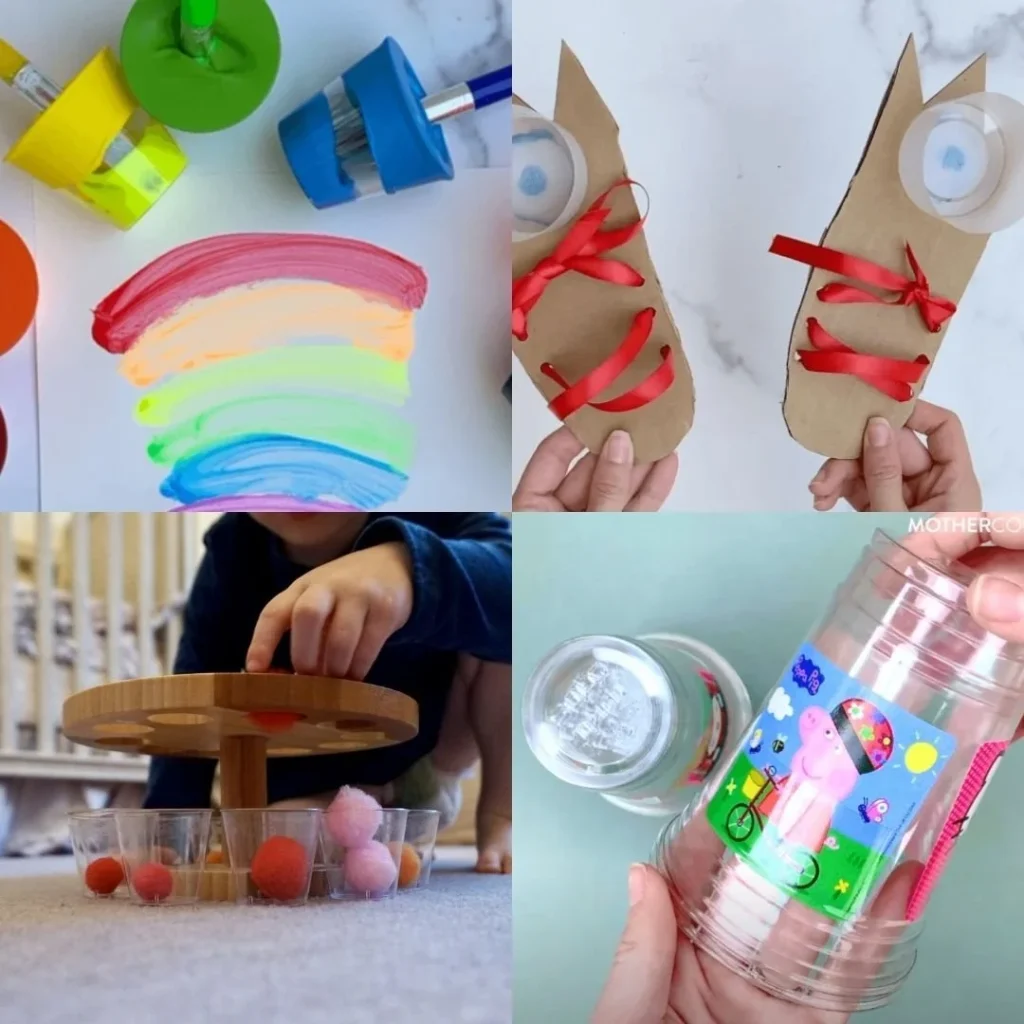
To begin, gather necessary materials:
- Empty plastic bottles
- Craft paint
- Hot glue gun
- Scissors or utility knife
The possibilities are endless. Create anything from whimsical garden insects to elaborate wall hangings. For instance, you might transform a series of bottles into a cascading chandelier or a vibrant garden sculpture. Each creation serves to inspire others, urging viewers to rethink and repurpose their waste, thus fostering a community-centric approach to sustainability.
4. Magazine Collages
Magazines, often overlooked after their initial use, serve as rich resources for artistic endeavors like collaging. This form of art not only allows for personal expression but also sparks mindfulness about the visuals and messages we consume in print media. Moreover, collaging provides a platform to comment on consumer culture, seamlessly intertwining art with contemporary societal issues.
Essential supplies for this project include:
- Old magazines
- Glue or mod podge
- Scissors
- Canvas or sturdy paper as the base
By cutting and assembling magazine clippings, you can create thematic artworks that reveal personal insights or simply offer delight through vibrant visuals. This eco-friendly method of art-making invites reflection and discussion, encouraging viewers to appreciate the hidden messages within the mundane.
3. Tin Can Lanterns
Repurposing tin cans into lanterns combines functionality with aesthetic appeal, crafting an ambiance perfect for seasonal festivities or everyday decoration. With a few basic tools, you can bring light and style to any setting, illustrating an elegant blend of tradition and innovation.
Necessary supplies include:
- Empty tin cans
- Hammer and nail
- Wire (for handles)
- Paint (optional)
After freezing the cans filled with water, you can easily puncture holes and create designs that, when illuminated, exhibit a delightful display of light. Attaching a wire handle completes the transformation into a lantern. Whether painted or left in their metal finish, these lanterns not only brighten up spaces but are also a testament to sustainable design.
2. Scrap Fabric Artwork
Old clothes and fabric scraps hold untapped potential in the world of art. Transforming these textiles into new creations, such as wall art quilts or decorative pillows, encapsulates sustainability and invites tactile exploration of one’s creativity.
The materials essential for this project are:
- Old clothes or fabric scraps
- Scissors
- Fabric glue or sewing machine
- Base canvas or board
Consider employing patchwork techniques to fuse colors and textures seamlessly, or embrace abstract designs that breathe new life into forgotten fabrics. Each artistic endeavor not only tells a personal story but also reinforces the broader narrative that waste can transform into valuable art pieces, promoting environmental consciousness.
1. Upcycled Furniture Creations
Revamping furniture through upcycling stands at the forefront of transforming recyclables into art. It epitomizes creativity, demanding both skill and artistry to modify a functional object into a distinct artistic statement. Through this process, you not only restore old furniture but also imbue it with new meaning and purpose.
Key supplies for this craft include:
- Old furniture
- Sanding tools
- Paint or wood stain
- Sealant (for durability)
Whether by reupholstering a vintage chair or crafting a new color scheme for an old cabinet, upcycling furniture revitalizes interiors and exemplifies resourcefulness. It conveys a powerful message about reducing waste while providing inspiration for sustainable living and creativity.
In conclusion, the act of transforming recyclable materials into art ignites creativity and cultivates environmental stewardship. These methods encourage individuals to explore their creativity and actively contribute to sustainability. As each piece of art tells a story and has the power to inspire change, it underscores the notion that the marriage of sustainability and creativity is not only beneficial but essential in today’s world.
| Category | Details |
|---|---|
| Environmental Awareness | Engaging in art using recycled materials heightens awareness about environmental issues and promotes a culture of sustainability. |
| Creative Expression | Transforming waste into art pieces allows individuals to express their creativity while contributing to a sustainable cause. |
| Community Engagement | These projects often foster community spirit, encouraging collaboration and teamwork among participants from varying backgrounds. |
| Economic Benefits | Utilizing recycled materials can be cost-effective, reducing the overall cost of art supplies while promoting creative resourcefulness. |
The process of recycling materials into art is not only a creative endeavor but also a meaningful activity that enriches community connections and fosters economic benefits. Communities can come together in workshops to explore various techniques, using discarded items to create beautiful and functional pieces. This kind of collaboration can lead to stronger social ties, as individuals share ideas, skills, and talents, bridging gaps between generations and cultures.In addition, individuals can explore ways to market their creations, potentially turning a creative hobby into a profitable venture. The process of creating art from recycled materials could generate interest in local markets, highlighting the potential for sustainable business practices while enhancing local economies. This dual focus—on creativity and economic sustainability—can empower local artists and promote wider recognition of environmental issues.Furthermore, as more people engage with these activities, there lies an opportunity for broader educational initiatives focusing on sustainability and responsible consumption. Workshops and classes can be integrated into schools, allowing younger generations to learn about environmental stewardship from an early age. Using art as a medium for education can inspire a lifelong commitment to the planet, encouraging both individual and collective action.Thus, transforming recyclables into art not only provides an avenue for personal expression but also acts as a powerful catalyst for community building, education, and economic development, making it an incredibly impactful and multifaceted pursuit.
Frequently Asked Questions: Transforming Recyclable Materials into Art
What types of recyclable materials can be used for creating art?
There is a wide variety of recyclable materials that can be repurposed into art pieces. Some common options include plastic bottles, cardboard, glass jars, tin cans, and even old newspapers. These materials provide an excellent base for creativity, allowing artists to explore different forms, textures, and concepts while promoting sustainability.
How can sustainable art practices impact the environment?
Sustainable art practices can significantly reduce waste and conserve natural resources. By using recycled materials, artists contribute to minimizing landfill waste and reducing the consumption of new raw materials. Additionally, sustainable art can raise awareness about environmental issues and inspire others to think creatively about waste, fostering a culture of environmental responsibility.
Are there any famous artists who work primarily with recycled materials?
Yes, several renowned artists have gained recognition for their work with recycled materials. For instance, Vik Muniz is known for creating intricate artworks using materials like sugar, chocolate, and junk, while El Anatsui uses bottle caps and aluminum to craft stunning sculptures. Their works not only captivate audiences but also challenge perceptions about waste and art.
Can children participate in creating art from recycled materials?
Absolutely! Engaging children in creating art from recycled materials is not only fun but also educational. It encourages creativity, problem-solving, and environmental awareness. Projects can be as simple as crafting masks from paper plates or building models using cardboard boxes, making it an accessible and rewarding activity for children of all ages.
What are some tips for beginners looking to start creating art with recycled materials?
For beginners, starting with small projects using readily available materials can be a great way to test the waters. It’s essential to experiment without fear of mistakes, as recycled art often thrives on unexpected outcomes. Visiting art exhibits or workshops focusing on sustainable art can provide inspiration and insight, and online platforms offer countless tutorials to guide new artists on their journey.
Conclusion
Transforming recyclable materials into art exemplifies the fusion of creativity and sustainability, playing a crucial role in eco-friendly creative hobbies. Throughout the article, we explored how artisans and hobbyists are turning what was once considered waste into innovative expressions of art. This approach not only diminishes the environmental footprint but also inspires a shift in how materials are perceived, encouraging a conscious consumption mindset.
One of the key takeaways is the limitless potential of recyclable materials. From plastic bottles metamorphosing into exquisite sculptures to newspapers woven into vibrant baskets, the possibilities are endless. This creativity is catalyzed by the increased awareness of environmental concerns and a collective push towards sustainable living. By championing this movement, artists are raising awareness about the importance of recycling and reducing waste.
Exploring New Avenues
As we look further into the topic, the idea of sustainable manual activity opens up new avenues for creativity, aligning art with a purpose. It is a call to action for hobbyists to delve deeper into this realm, not merely as an artistic endeavor but as a meaningful contribution to the planet. This journey is about more than aesthetics; it’s about fostering a deeper connection with our environment through art.
In the ever-evolving landscape of creative hobbies, sustainable art stands out as an essential and exciting trend. It challenges existing norms by providing a fresh perspective on resourcefulness and innovation. All hobbyists and artists are invited to embark on this journey, turning the everyday disposable into something extraordinary and influencing positive change. As such, the ripple effect of transforming recyclables into art can inspire broader societal shifts towards sustainability, ultimately nurturing a more mindful and creative world.