
Literature and Sustainability: How Writers Address Environmental Issues in Their Works

Literary Engagement with Environmental Awareness
Literature has long served as a mirror reflecting the complexities of society, including its relationship with the environment. Today, writers are increasingly tackling environmental issues with urgency and creativity, encouraging readers to engage with sustainability in meaningful ways. This literary movement is not just a response to contemporary challenges but also a call to action, illustrating how words can inspire thought and provoke change.
The narratives surrounding sustainability are being shaped through various genres, from fiction and non-fiction to poetry and essays. Through these diverse formats, authors are able to explore and unpack the urgent themes of our time—sometimes dramatically, sometimes poetically. For instance, climate change is a prevalent theme that is examined from multiple angles, delving into its effects on both the environment and human life. Novels like “The Overstory” by Richard Powers not only depict the alarming realities of deforestation but also present interconnected human and natural stories, fostering reader empathy towards nature.
Moreover, the theme of biodiversity plays a significant role throughout contemporary literature. Writers like Robin Wall Kimmerer highlight the importance of preserving ecosystems, urging a reconnection with indigenous knowledge and natural history. Her work, “Braiding Sweetgrass,” emphasizes the importance of mutual relationships between humans and the natural world, making the concept of biodiversity accessible and relevant to readers from various backgrounds.
In addition, consumerism is dissected in literature, with authors critiquing society’s obsession with material goods. Books like “How to Do Nothing” by Jenny Odell advocate for a rethinking of productivity and engagement with the physical world, pushing against the notion that busyness equates to value. These texts offer a fresh lens through which to assess lifestyle choices and their environmental implications.
As environmental crises escalate, the role of literature becomes ever more vital. Writers illuminate the challenges of climate action and invite readers to contemplate solutions. Literature not only presents these issues but also serves as a vehicle for advocacy, encouraging informed discussions and fostering community awareness. For instance, the rise of eco-criticism as an academic field underscores the importance of exploring how literary works can deepen our understanding of ecological issues.
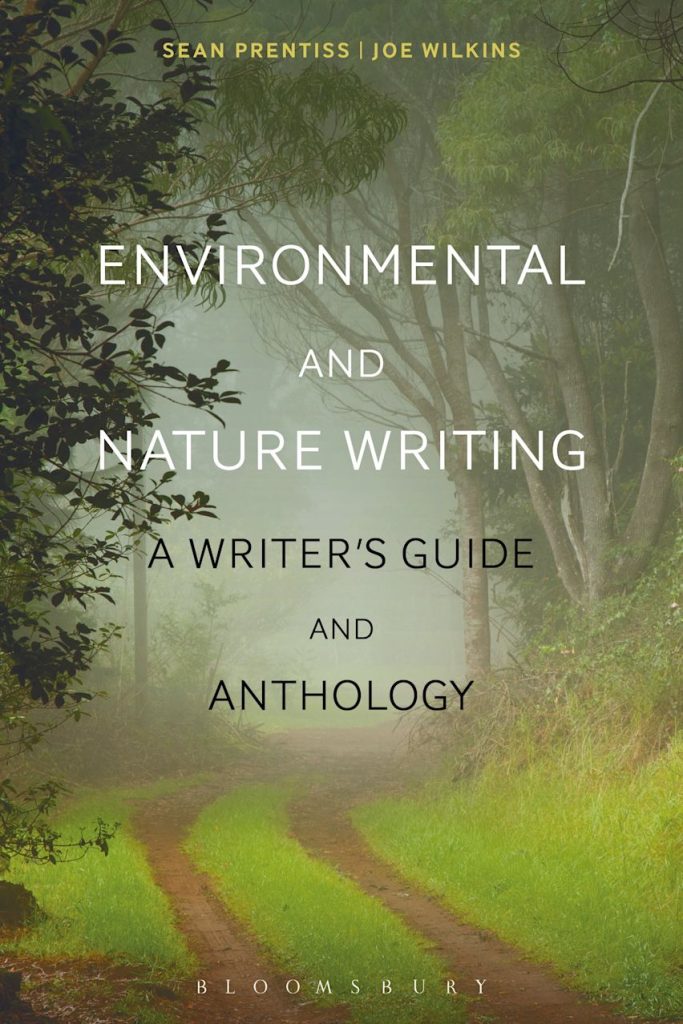
By engaging with these texts, audiences can gain insight and inspiration to advocate for a more sustainable future. Literature has the potential to cultivate a sense of urgency and responsibility, guiding readers toward personal and collective action. Given the complexities of the climate crisis, these narratives offer a vital platform for exploration, reflection, and ultimately, hope.
DIVE DEEPER: Click here to discover more
Exploring Themes of Environmental Consciousness in Literature
The realm of literature has become a fertile ground for exploring and addressing pressing environmental issues. Writers wield their pens as tools for advocacy, weaving powerful narratives that highlight the fragile balance between humankind and nature. Contemporary authors are tasked with the challenge of depicting the intricacies of environmental crises while inspiring thoughtful dialogue and action. Through their unique storytelling approaches, they reveal the layers of our environmental dilemmas, presenting readers with a deeper understanding and a sense of urgency.
One noteworthy theme that permeates many literary works is that of climate change. Authors have been using their platforms to convey the dire consequences of greenhouse gas emissions and the drastic changes to the planet’s climate patterns. In her acclaimed novel, “Flight Behavior,” Barbara Kingsolver delves into the implications of climate change on local ecosystems in rural Tennessee. Through richly drawn characters and settings, Kingsolver presents a narrative that evokes a sense of place while simultaneously educating her audience about the importance of both scientific understanding and traditional ecological knowledge. This blend of storytelling and environmental awareness is a powerful example of how literature can engage readers on both emotional and intellectual levels.
Biodiversity preservation is another critical theme in contemporary literature, with writers compelling readers to consider the broader implications of species extinction and habitat loss. The work of authors like Amitav Ghosh exemplifies this urgency. In “The Hungry Tide,” Ghosh tells the story of the Sundarbans, a unique ecosystem threatened by rising sea levels. Through his narrative, he not only portrays the beauty of this world but also illustrates the interdependence of its inhabitants—both human and non-human. Such narratives prompt readers to reflect on the importance of biodiversity and the responsibilities that come with being stewards of the planet.
Additionally, literary critiques of consumerism and its environmental repercussions increasingly populate modern literature. The rising awareness of our ecological footprint is echoed in works like “No Impact Man” by Colin Beavan, where the author chronicles his year-long effort to live a lifestyle that has no impact on the environment. His humorous and candid account illustrates the challenges and rewards of such a radical commitment, while also encouraging readers to rethink their own consumption habits and their effects on the Earth. This genre of literature serves not only as entertainment but as a moral commentary that prompts self-reflection and collective engagement.
Ultimately, literature plays a pivotal role in shaping public perception and understanding of environmental issues. By bringing attention to critical themes such as climate change, biodiversity, and consumerism, writers foster a greater awareness of the interconnectedness of all life on Earth. The importance of their narratives cannot be overstated, as they empower readers to confront the reality of ecological degradation and envision a sustainable future. As we immerse ourselves in these textual explorations, we are invited to join the conversation and take part in a broader movement towards environmental stewardship.
The interconnection between literature and sustainability has increasingly become a focal point for writers seeking to address pressing environmental issues. Through their narratives, authors have the capacity to evoke empathy, raise awareness, and inspire action regarding the degradation of our planet. Works such as “The Overstory” by Richard Powers exemplify how fiction can capture the emotional weight of ecological loss, weaving together multiple perspectives to illustrate the intricate web of life that exists within our forests. This novel doesn’t just entertain; it educates readers on the significance of conservation and the urgency of protecting biodiversity.
Moreover, poetry has proved to be an evocative medium for sparking dialogue on environmental topics. Poets like Mary Oliver and Gary Snyder articulate profound connections between human experience and the natural world. In doing so, they encourage audiences to reflect on their role within the ecosystem and to consider the implications of their actions on future generations.
Literature’s potential to influence policy cannot be underestimated either. By narrating stories that humanize environmental degradation, writers like Margaret Atwood and Amitav Ghosh bring critical issues to the forefront, potentially affecting legislative decisions and public opinion. Their works often serve as cautionary tales, urging readers to examine the consequences of climate change, pollution, and deforestation on both a local and global scale.
As we delve deeper into the realms of literature that tackle sustainability, it becomes evident that these narratives do more than recount tales; they serve as a call to arms, challenging us to reconsider our relationship with the environment and inspiring proactive measures to protect it.
| Literary Modalities | Impact on Sustainability |
|---|---|
| Fiction | Creates immersive worlds that humanize ecological issues. |
| Poetry | Evokes deep emotions and personal connections to nature. |
| Non-Fiction | Provides factual insights and raises awareness of environmental crises. |
Ultimately, literature remains a powerful conduit for reflecting on sustainability, with the ability to transform awareness into action and reshape our understanding of the world we inhabit. As writers continue to address environmental issues in innovative ways, their stories will undoubtedly foster a culture of responsibility and stewardship towards the Earth.
DISCOVER MORE: Click here to learn about the power of visual arts for mental well-being
Imagining Futures: Dystopian Narratives and Hopeful Visions
Another compelling avenue through which literature addresses environmental issues is the exploration of dystopian narratives. This genre offers a reflection on potential futures shaped by environmental neglect, serving as both a warning and a call to action. Novels such as “The Overstory” by Richard Powers intertwine human lives with the life cycles of trees, creating a rich tapestry of interrelated stories that suggest a future affected by ecological collapse. Powers’ work prompts readers to contemplate the paradox of human progress juxtaposed against the devastation of nature, underscoring a crucial question: what are we willing to sacrifice for our way of life?
Moreover, dystopian tales like “The Water Knife” by Paolo Bacigalupi present grim visions of water scarcity and environmental degradation in the American Southwest. Through gripping characters and scenarios rooted in real science, Bacigalupi illustrates the dire consequences of reckless consumption and climate change. By painting vivid pictures of future societies grappling with these issues, such writers compel readers to engage with the urgency of taking action today to avert these possible realities.
The Role of Indigenous Voices
In addition to these dystopian visions, literature is increasingly amplifying Indigenous voices, which play a crucial role in articulating sustainable practices and deep ecological knowledge. Authors like Robin Wall Kimmerer, in her work “Braiding Sweetgrass,” blend personal narrative with scientific understanding to forge a profound connection between culture and ecology. Kimmerer’s reflections highlight the necessity of recognizing Indigenous wisdom in addressing contemporary environmental challenges, encouraging readers to embrace a worldview that honors reciprocal relationships with the land.
These literary contributions underscore the importance of diversity in environmental discourse. By weaving together different cultural narratives and practices, authors invite readers to reconsider traditional Western perspectives on nature and reflect on the singularity of the human experience within the larger biosphere.
Creative Nonfiction and Advocacy
Alongside fiction, creative nonfiction offers a powerful medium for exploring environmental themes with a journalistic eye. Works such as “Field Notes from a Catastrophe” by Elizabeth Kolbert combine rigorous reporting with personal narrative, highlighting the realities of climate change across various landscapes in America. Kolbert’s immersive storytelling transports readers into affected communities, showcasing the real human costs of environmental inaction. This genre not only informs but also engages readers on an emotional level, fostering a sense of urgency and agency.
Similarly, writers like Bill McKibben advocate for sustainability in works such as “Eaarth: Making a Life on a Tough New Planet.” By presenting a stark analysis of our current ecological predicaments, McKibben provides both a cautionary tale and a rallying cry for collective action. His passionate prose encourages readers to envision a different relationship with their environment—one that emphasizes sustainability over exploitation.
Diverse Voices and Global Perspectives
In a world grappling with diverse environmental challenges, literature serves as a unifying force that captures the complexity of these issues through a multitude of perspectives. Writers from across the globe contribute to this discourse, creating a rich tapestry of voices that reflect the realities faced by different communities. For instance, in “The Dispossessed,” Ursula K. Le Guin imagines an eco-socialist utopia that navigates the interplay between human society and the natural world—challenging readers to consider alternative pathways toward sustainability.
This polyphony of authors, themes, and genres illuminates the nuanced relationships between people and the planet, making clear that literature is essential in our collective journey toward a more sustainable future. By engaging with these narratives, readers find themselves called to reflect upon their individual and collective roles in nurturing the Earth.
EXPLORE MORE: Click here to discover exciting culinary fusions
Conclusion: The Power of Words in Shaping Environmental Awareness
As we navigate an era marked by pressing environmental challenges, literature emerges as a vital resource in fostering a deeper understanding of sustainability. Through diverse genres—be it dystopian narratives that caution against future catastrophes, the profound wisdom of Indigenous voices that advocate for harmonious coexistence with nature, or insightful creative nonfiction that confronts the stark realities of climate change—writers play an essential role in captivating our attention and guiding our reflections on humanity’s relationship with the earth.
These literary works resonate on multiple levels, illustrating not only the dangers of inaction but also inspiring a sense of hope and agency within readers. By sharing stories that span the spectrum from despair to resilience, authors invite us to engage actively in the discourse surrounding sustainability. They challenge us to rethink our values, obligations, and responsibilities towards the environment and each other.
Moreover, with literature bringing to light the voices of those often marginalized in mainstream environmental discussions, we are encouraged to embrace a more inclusive narrative. A blend of cultures and experiences enriches our understanding of ecological stewardship, paving the way for collaborative solutions to complex global issues.
Ultimately, literature serves not only as a mirror reflecting the realities of our world but also as a compass guiding us towards a sustainable future. As we explore these captivating narratives, we are equipped with the knowledge, empathy, and inspiration necessary to initiate lasting change. By delving into the works of writers who prioritize environmental consciousness, we embark on a shared journey towards a healthier, more sustainable planet.