Flash Fiction Writing: The Art of Telling Stories in Few Words and Its Impact on Contemporary Literature
The Rise of Flash Fiction
In today’s rapidly changing literary landscape, where instant gratification often reigns supreme, flash fiction has emerged as a refreshing alternative to longer narrative forms. This unique storytelling format condenses entire worlds into narratives that can be as brief as a few sentences or up to 1,000 words. With its capacity to provoke emotions and ignite the imagination, flash fiction is resonating deeply with readers and writers in equal measure.
Key Characteristics of Flash Fiction
What distinguishes flash fiction from more traditional forms of storytelling? There are several defining features that give this genre its unique flavor:
- Conciseness: Every word serves a purpose, leading writers to craft their narratives with precision. This aspect forces authors to hone their skills, distilling complex ideas into bite-sized pieces.
- Emotion: Flash fiction packs a punch, as a carefully selected phrase or image can evoke strong emotional reactions. For instance, a single impactful line can convey existential dread or joy, proving that brevity does not diminish depth.
- Open-endedness: Many flash fiction pieces invite readers to fill in the gaps, encouraging multiple interpretations. This allows for varied discussions among readers, as they each bring their own perspectives and experiences to the text.
The Evolution of a Literary Form
The rise of digital platforms has significantly contributed to the popularity of flash fiction. In an era when attention spans are dwindling, and readers often prefer quick bursts of content, flash fiction fits seamlessly into modern life. Websites and social media have become breeding grounds for quick storytelling, with platforms like Twitter even inspiring writers to create microfiction within character-limited posts.
Furthermore, numerous national and regional literary contests now spotlight this art form, validating its significance in today’s literary scene. For example, prestigious publications such as The New Yorker and Tin House frequently feature flash fiction, elevating its status alongside traditional short stories and novels.
Where to Explore Flash Fiction
As readers delve into the world of flash fiction, they may find a treasure trove of exceptional works. Notable collections, such as “Flash Fiction Forward” and “The Best Small Fictions”, showcase the vibrant range of voices and styles that exist within this genre. These anthologies often highlight both emerging writers and established authors, providing an enriching reading experience.
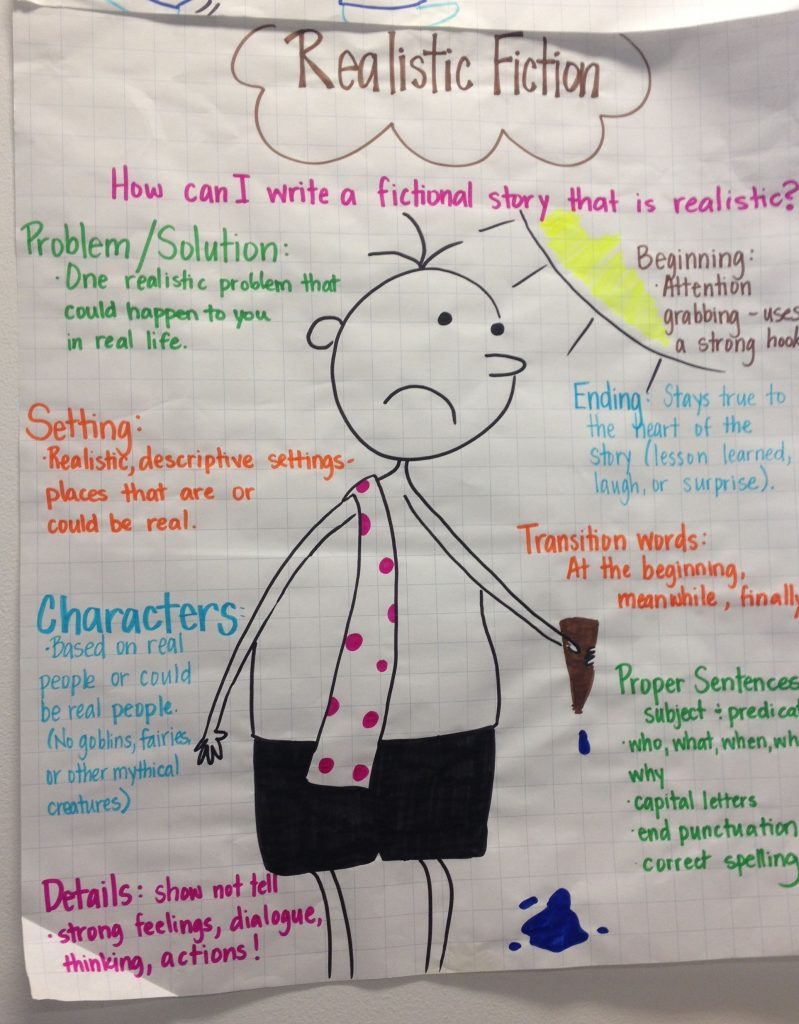
Engaging with flash fiction also opens the door to understanding contemporary literature’s evolving nature and its dynamic interactions with cultural currents. As such, this literary form not only entertains but also challenges readers to think critically about narrative, character, and theme.
Join us on this exploration of flash fiction, where the journey through concise storytelling reveals that sometimes, less truly can mean so much more.
DISCOVER MORE: Click here to dive into various artistic expressions
The Mechanics of Flash Fiction
To fully appreciate the art of flash fiction, it is imperative to understand its mechanics and the skills required for crafting impactful narratives. Unlike standard short stories, which often develop plot, character, and theme over several pages, flash fiction demands a unique approach. Writers must distill their storytelling to its essence, focusing on core themes while ensuring that every word resonates with the reader.
Crafting a Narrative Arc
Even within the confines of brevity, a well-constructed flash fiction piece maintains a clear narrative arc. This brief arc typically consists of three essential components: exposition, conflict, and resolution. Although limited in space, the narrative must establish a setting and situation quickly, introduce a conflict that prompts a response, and deliver a satisfying conclusion or revelation. Here are key elements to consider when developing a flash fiction narrative:
- Establishing a Strong Hook: The opening line is critical in flash fiction. Writers must grab the reader’s attention immediately, often using vivid imagery or provocative statements that compel them to continue.
- Focusing on a Single Moment: Flash fiction thrives on capturing a fleeting moment, allowing readers to engage deeply with a brief experience. This singular focus encourages a more immersive exploration of emotion and theme.
- Utilizing Subtext: The power of implication holds immense value in flash fiction. Writers often weave layered meanings beneath the surface, allowing readers to uncover a broader story that encourages contemplation and discussion.
The Role of Innovation in Flash Fiction
Another compelling aspect of flash fiction is its innovative nature, often characterized by experimental styles and formats. Writers play with structure, language, and perspective to create unique experiences. For instance, some authors employ non-linear narratives that challenge readers to piece together snippets of information. Others may utilize lists or fragmented dialogues to convey a sense of urgency or emotion. This willingness to push boundaries makes flash fiction a breeding ground for literary exploration.
Further contributing to its impact on contemporary literature, flash fiction creates a space for diverse voices and perspectives. Many emerging authors find flash fiction to be an accessible platform for showcasing their creativity, often combining cultural elements and personal experiences into their work. This has led to an enriched literary tapestry that reflects the multifaceted nature of society today.
Flash Fiction as a Tool for Education
In educational settings, flash fiction has also gained recognition as a valuable teaching tool. Its succinct format allows students to practice their writing skills, develop critical thinking, and learn the essentials of storytelling. Educators often incorporate flash fiction into workshops, encouraging students to experiment with brevity while still delivering powerful narratives. In doing so, they arm budding writers with the techniques necessary to thrive in a competitive literary landscape.
The unique traits and innovative potential of flash fiction are clear indicators of its rising significance in contemporary literature. As we dive deeper into this captivating genre, we uncover its profound ability to connect with readers on multiple levels, sparking both creativity and critical discourse.
| Advantages | Impact on Literature |
|---|---|
| Conciseness | Flash fiction hones the ability to express profound ideas within restricted word limits. |
| Accessibility | Its shorter length appeals to a contemporary audience, often leading to increased engagement and readership. |
Flash fiction is revolutionizing how we perceive storytelling, offering writers the challenge of distilling complex narratives into just a few sentences. With the growing popularity of social media, this art form allows authors to capture attention quickly. Within the constraints of flash fiction, every word must carry weight; this encourages creativity and precision, making it a valuable exercise for even seasoned authors exploring new avenues of expression.Authors like Lydia Davis and Etgar Keret exemplify how flash fiction can provoke strong emotional responses and deliver impactful commentary on contemporary issues, proving that brevity does not equate to superficiality. As readers find themselves drawn to this format, it expands their appreciation for literary styles and themes, leading to a dynamic and evolving literary landscape. The simplicity of flash fiction strips away excess, highlighting the beauty of language and allowing writers to explore themes in a uniquely potent way. Enthusiasts of literature today must embrace flash fiction, as it reshapes the way stories are told and encountered in our fast-paced world.
DIVE DEEPER: Click here to discover more trends
Emotional Resonance in Flash Fiction
One of the most compelling aspects of flash fiction is its ability to evoke deep emotional responses within a condensed narrative. Despite the brevity of the format, skilled writers can create an atmosphere that resonates with readers, igniting feelings ranging from joy to sorrow in mere paragraphs. This emotional resonance is vital, as it ensures that even the most succinct of stories can linger in the minds of readers long after they’ve finished reading.
The Importance of Emotional Triggers
Emotional triggers play a pivotal role in flash fiction. By tapping into universal experiences—be it love, loss, or triumph—writers can forge an immediate connection with their audience. A well-crafted flash piece often presents a moment of truth or vulnerability that readers can relate to on a personal level. For instance, works like “Sticks” by George Saunders encapsulate complex family dynamics and the poignancy of regret in just a few words, leaving a lasting impact. These triggers can often evoke nostalgia, provoking readers to reflect on their own lives and experiences.
The Intersection of Flash Fiction and Digital Culture
The digital age has transformed the consumption of literature, and flash fiction has skillfully adapted to this change. With the rise of social media platforms and blogs, bite-sized stories are becoming increasingly popular, as they fit the fast-paced, on-the-go lifestyle of many readers today. Websites like Wattpad and Medium provide a space for aspiring authors to share their flash fiction, reaching larger audiences and encouraging engagement through comments and discussions. This interaction fosters a community of readers and writers who appreciate the craft of storytelling, reinforcing the importance of short narratives in modern literature.
Flash Fiction Contests and Publications
The proliferation of flash fiction contests and literary magazines dedicated to this genre has further solidified its presence in contemporary literature. Publications such as The Boston Review and SmokeLong Quarterly frequently feature flash fiction, providing a platform for both emerging and established writers. Additionally, the competitive nature of these contests motivates writers to hone their skills, leading to innovative storytelling approaches. For instance, The Bath Flash Fiction Award and The Micro Fiction Contest offer recognition and validation to authors, strengthening the community and nurturing fresh voices.
Diverse Voices and Cultural Narratives
Flash fiction serves as a potent vehicle for marginalized voices, allowing authors from various backgrounds to share their unique stories quickly and effectively. The compact nature of the genre invites a plethora of perspectives, enriching the literary landscape. Many writers incorporate social, political, and cultural themes that reflect their experiences, prompting readers to confront essential issues within succinct narratives. For example, the collection “The Best Small Fictions” showcases diverse works that challenge traditional narratives, affirming the genre as an inclusive platform for storytelling. This increased representation transforms flash fiction into a mirror reflecting society’s complexities and differences.
As the world continues to evolve, the enduring nature of flash fiction demonstrates its ability to capture the essence of human experience in powerful, relatable ways. Through emotional resonance, innovative formats, and a space for diverse voices, flash fiction not only enriches contemporary literature but also shapes how stories are told and shared in an increasingly interconnected world.
DISCOVER MORE: Click here to elevate your culinary presentation
Conclusion
In an era defined by rapid communication and information overload, flash fiction emerges as a powerful literary form, expertly bridging the gap between brevity and depth. This genre not only captivates readers with its concise nature but also leverages the immense power of emotional triggers, creating impactful narratives within just a few lines. As audiences shift towards digital platforms, flash fiction’s adaptability ensures its relevance, making it an essential part of the contemporary literary landscape.
Moreover, the wide array of flash fiction contests and publications nurtures budding authors while elevating diverse voices that enrich our cultural narratives. By offering a stage for significant social, political, and personal themes, flash fiction not only amplifies varying perspectives but also resonates with readers, paving the way for greater understanding and empathy among diverse communities.
As flash fiction continues to evolve and gain traction in literary circles, it challenges the conventional boundaries of storytelling. Writers are prompted to hone their craft with precision, often delivering profound insights that invite reflection and dialogue. Thus, flash fiction stands not just as a testament to creativity but also as a mirror reflecting modern society’s complexities. The impact of this genre is profound, encouraging exploration into the art of storytelling and inspiring a new generation of readers and writers alike. For those ready to dive into this succinct form of expression, the world of flash fiction awaits, inviting them to discover the richness that can be found within just a few words.