
Literature and Activism: Written Voices that Transform Society

Literature as a Catalyst for Social Change
Throughout history, literature has served as a powerful tool for activism. From poignant poetry to impactful novels, the written word has the unique ability to inspire social change. By capturing the intricacies of human experience, authors have profoundly shaped public discourse and motivated action on various issues such as civil rights, gender equality, and environmental conservation. Below are several ways literature influences society:
- Raising Awareness: Authors shine a light on social injustices, urging readers to confront uncomfortable truths. Works like Harriet Beecher Stowe’s “Uncle Tom’s Cabin” played a pivotal role in shaping public opinion about slavery in the 19th century, stirring empathy among readers and galvanizing the abolitionist movement.
- Fostering Empathy: Narratives help cultivate understanding among diverse communities, bridging cultural divides. For instance, the powerful storytelling in Latina author Sandra Cisneros’ “The House on Mango Street” allows readers to experience the challenges and hopes of individuals from a marginalized community, making them more relatable to a broader audience.
- Challenging Norms: Literature often questions established beliefs, encouraging societies to rethink their values. James Baldwin’s essays, such as “Notes of a Native Son,” confront systemic racism, pushing readers to reconsider their viewpoints by weaving personal experiences with broader societal critiques.
Notable writers, including Harriet Beecher Stowe, James Baldwin, and Audre Lorde, have used their pens to advocate for equality and justice. Their works resonate not just in the literary world but also in the socio-political landscape. Through poignant narratives, they transformed societal perceptions and spurred movements towards progress, creating a lasting impact that still reverberates today.
In contemporary times, voices like Chimamanda Ngozi Adichie and Ta-Nehisi Coates follow in their footsteps, writing about the complexities of modern issues such as race, gender, and climate change. Their thought-provoking essays, novels, and speeches make literature an engaging platform for allyship and activism. Coates’ “Between the World and Me,” for example, not only addresses the realities of being Black in America but also personalizes systemic issues, making them accessible to a wider audience.
This article will delve into how various written voices continue to influence societal transformations in the United States, exploring the intersection of literature and activism as a catalyst for change. By examining these powerful narratives, we can better understand their role in shaping perspectives and inspiring collective action throughout history and into our present day.
DISCOVER MORE: Click here to learn about the power of creative writing
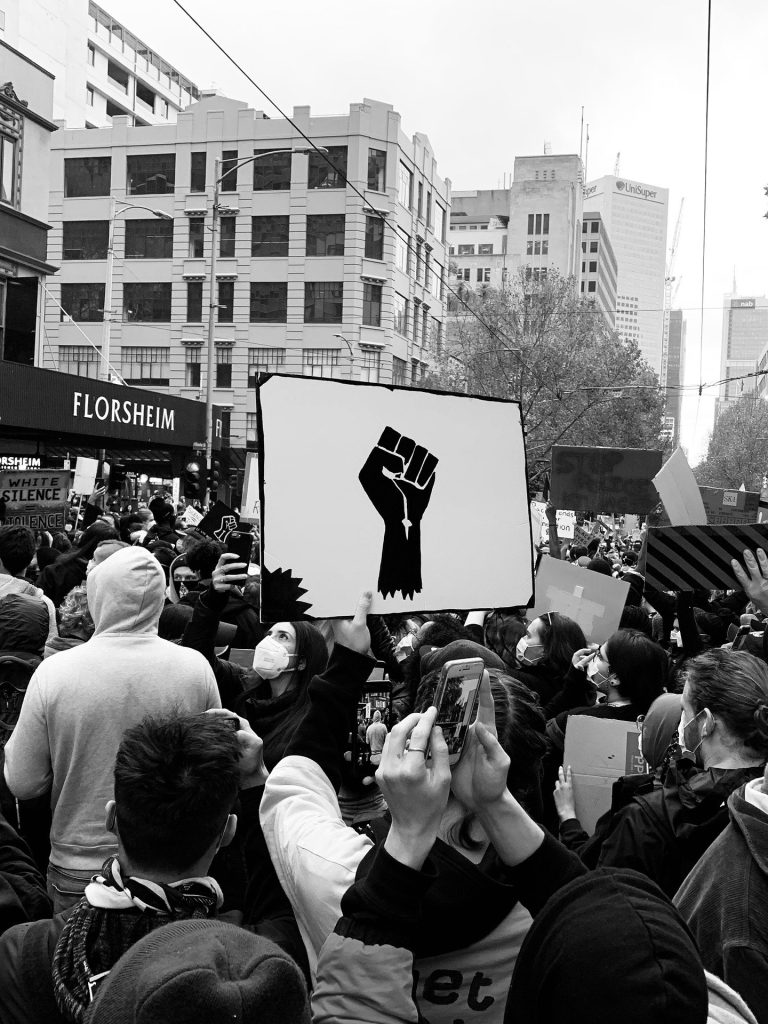
Empowering Voices in Literature
In an ever-evolving societal landscape, literature remains a steadfast ally in the fight for justice and equality. The influence of written voices is profound, offering insight into the lived experiences of individuals and communities, thus fostering a collective understanding that can lead to impactful change. By dissecting the narratives of underrepresented groups and examining key social issues, literature has the ability to mobilize readers from passive observers to active participants in social movements.
One of the key strengths of literature as a vehicle for activism is its capacity to spark dialogue. Through compelling storytelling and character development, literary works invite readers to engage with topics that may be unfamiliar or uncomfortable. For example, works like Linda Sue Park’s “A Single Shard” not only reflect the intricacies of life in Korea but also touch upon themes of perseverance, honor, and community. Such stories are not just tales; they stimulate conversations about cultural appreciation and global interconnectedness, prompting readers to examine their perspectives.
- Symbolism and Allegory: Many authors utilize symbolism to critique societal norms. George Orwell’s “Animal Farm,” for example, uses allegory to comment on the Russian Revolution and the dangers of totalitarian regimes. By presenting complex ideas through a familiar narrative structure, Orwell pushes readers to draw parallels with their own political landscape.
- Personal Testimonials: Memoir literature often brings personal narratives to the forefront. Works like “The Glass Castle” by Jeanette Walls provide an intimate look at childhood adversity, which helps break down barriers and evoke empathy. Such testimonials remind readers that often, the personal is political, encouraging them to reflect on their own experiences in connection with societal issues.
- Creating Movements: Literature has frequently acted as a catalyst for collective action. The “#MeToo” movement, for instance, gained significant traction through the sharing of personal accounts via social media and literature, unveiling the depth and pervasiveness of sexual harassment and assault. Books that document these experiences not only serve as platforms for those affected but also rally support from wider communities.
Moreover, as we navigate through contemporary issues, literature continues to reflect and shape the pulse of activism. Authors such as Yaa Gyasi in “Homegoing” and Colson Whitehead in “The Underground Railroad” vividly encapsulate the historical weight of racism and slavery while igniting discussions around reparations and systemic inequality. Their narratives not only educate readers but also inspire them to engage with ongoing social justice initiatives.
By amplifying marginalized voices through literature, we can see both the struggles and triumphs that define human experience. This intersection of literature and activism highlights the role of the written word in shaping societal attitudes. It emphasizes how storytelling is not merely for entertainment but serves a greater purpose—transforming society and fostering a culture of understanding and activism that transcends boundaries.
| Advantage | Description |
|---|---|
| Empowerment of Marginal Voices | Literature often serves as a platform for underrepresented communities to share their narratives and experiences, fostering deeper societal understanding. |
| Catalyst for Social Change | Books and articles can spark movements by challenging the status quo, encouraging readers to engage in activism and champion social justice. |
The theme of “Literature and Activism: Written Voices that Transform Society” highlights how literary works can become critical tools for change. Authors such as James Baldwin and Audre Lorde exemplify how personal stories can evoke empathy and drive advocacy. Furthermore, literature helps in articulating the struggles of marginalized groups, shedding light on issues that might otherwise be ignored by mainstream media.Engaging with literature opens up avenues for readers to critically analyze socio-political contexts, taking informed actions that contribute to societal transformation. Numerous grassroots movements today cite literature as a source of inspiration, demonstrating the enduring impact written voices have on activism and the power they hold in advocating for human rights and equality. The intersection of literature and social change invites individuals to not only reflect on the stories presented but also to take an active role in reshaping society through informed dialogue and sustained action. Continued exploration of works in this realm can lead to profound insights into how narratives shape perceptions and can mobilize communities towards tangible change.
DISCOVER MORE: Click here to dive into culinary fusions
The Role of Literature in Social Movements
Literature, encompassing a wide array of genres including fiction, poetry, and essays, serves as a foundational pillar of social movements both historically and in contemporary society. As an instrument of change, it has the power to document injustices, inspire solidarity, and contribute to the development of a common language among activists. From the abolitionist writings of Frederick Douglass to contemporary critiques of climate change, literature plays an essential role in informing and mobilizing public opinion.
One significant example can be derived from the cultural impact of the Black Arts Movement in the 1960s and 1970s. Authors like Audre Lorde and Amiri Baraka embedded their poetry and prose with political significance, articulating the struggles of the Black community and challenging systemic oppression. Their works not only amplified the voices of marginalized individuals but also laid the groundwork for further activism in the realm of civil rights and racial equality. Such literary efforts were not isolated; they were part of a broader tapestry of resistance that sought to revolutionize cultural narratives and advocate for social justice.
- Highlighting Injustice: Literature has historically been utilized to shed light on social injustices that may otherwise remain invisible. Writings pertaining to the experience of incarcerated individuals, such as Michelle Alexander’s title The New Jim Crow, outline the intersections between race, law enforcement, and mass incarceration. These texts serve as call-to-action narratives, igniting public discourse and prompting reforms in the criminal justice system.
- Empathy and Awareness: Novels such as “The Hate U Give” by Angie Thomas put a spotlight on police violence and its devastating impact on communities. Through the eyes of its protagonist, Starr Carter, readers experience the complex layers surrounding systemic racism and personal identity. This personal connection fosters empathy, encouraging readers to not only sympathize with characters but also recognize the wider societal implications of their stories.
- Facilitating Education: Literature has always played a crucial role in education, particularly in offering narratives that challenge dominant paradigms. Texts that tackle issues like climate change, such as “This Changes Everything” by Naomi Klein, stimulate critical thought among readers and drive engagement in environmental activism. These narratives frame ecological crises as a call to action, pushing readers to question their role in societal transformation.
The digital age has further revolutionized the role of literature in activism. Social media platforms have acted as a new arena for literary expression, allowing authors, poets, and everyday individuals to share their stories, essays, and poems with global audiences in real time. Hashtags and online literary journals have amplified marginalized voices, bringing attention to subjects such as mental health, gender identity, and economic disparity. Events like the National Poetry Month serve as reminder of the unifying capacity of art to challenge the status quo and inspire cultural reflection.
Moreover, literature uplifts and celebrates the contributions of diverse voices while informing readers about the richness of human experience. Works by authors such as Roxane Gay and Ijeoma Oluo elevate discourse on feminism and race, respectively, revealing the intersections of various identities and the complexities of societal grievances. By shining a light on these topics, literature not only educates but also galvanizes readers to enact change in their lives, communities, and beyond.
DIVE DEEPER: Click here to uncover more insights
Conclusion: The Indispensable Connection between Literature and Activism
The intricate relationship between literature and activism reveals the profound impact that the written word can have on societal transformation. Throughout history, literature has served as a powerful vehicle for documenting injustices, fostering empathy, and igniting conversations that challenge the status quo. As we have explored, the works of authors and activists alike confirm that literary expression not only captures the essence of human experiences but also plays an essential role in advocating for social change.
In understanding the histories and narratives that fuel movements for justice, we see an undeniable thread connecting figures like Frederick Douglass and contemporary voices raising awareness about systemic inequality. By consistently highlighting the struggles and triumphs of marginalized communities, literature advocates for diverse perspectives and builds a bridge towards understanding in an increasingly polarized society.
As we traverse this digital era, literature’s reach expands, enabling activists to share their messages across various platforms. The rapid dissemination of ideas through social media and online literary spaces fosters a sense of community among readers and advocates alike, encouraging activism to proliferate at unexpected rates. This accessibility strengthens the potential for change, making it crucial for readers to engage with these texts actively.
Ultimately, the written word is not just a tool for storytelling but also a rallying cry for justice. It inspires individuals to reflect on their convictions, stand in solidarity with others, and advocate for a more equitable world. Consider immersing yourself in literature that challenges your perspectives and stimulates thought, as these narratives encapsulate the profound relationship between literature and activism, reminding us that the power of expression has the ability to transform our society for the better.