The Influence of Culinary Cultures on Modern Gastronomic Innovation
The Culinary Influence of Globalization
Globalization has transformed the culinary landscape, weaving together various culinary traditions into a rich tapestry of innovation. As chefs and food enthusiasts continually seek inspiration, the intersection of diverse food cultures creates a dynamic environment for gastronomic innovation. This blending of culinary arts is a reflection of a world increasingly connected by travel, trade, and digital communication, allowing flavors from different corners of the globe to intermingle.
Fusion Cuisine
Fusion cuisine epitomizes the adventurous spirit of modern cooking. This genre takes traditional dishes and enhances them by integrating flavors and techniques from different cultures. A notable example is the rise of Korean tacos, which combine the savory aspects of Korean barbecue with the familiar format of the Mexican taco. Restaurants such as Kogi BBQ in Los Angeles have pioneered this approach, showcasing how unexpected combinations can lead to unforgettable taste experiences. Other examples include sushi burritos, where the concept of sushi is expanded to create a portable meal, appealing to a fast-paced lifestyle.
Ingredient Diversity
Access to global ingredients has drastically changed what is available in home kitchens and professional kitchens alike. The ability to source ingredients from around the world encourages chefs to be more creative and adaptable. For instance, the common usage of unique spices like za’atar or sumac, which hail from Middle Eastern cuisines, introduces new flavor profiles to familiar American dishes. Furthermore, the growing popularity of plant-based diets has led to increased interest in global staples such as lentils and chickpeas, enabling a culinary exploration that promotes both health and sustainability.
Culinary Techniques
Modern chefs are increasingly incorporating culinary techniques from various global cuisines into their repertoire. Techniques like sous vide, which originated in French cuisine, allow for precise temperature control, resulting in perfectly cooked meats and vegetables. Similarly, Thai cooking methods such as stir-frying and using curry pastes have influenced American home cooking practices, encouraging cooks to incorporate bold flavors and quick preparation methods. This cross-pollination not only enhances the quality of dishes but also challenges chefs to expand their skill sets continually.
This vibrant exchange not only promotes culinary creativity but also aims to satisfy an increasingly discerning consumer base. As food trends evolve, understanding the underlying influences on gastronomy becomes essential for chefs and food aficionados alike. Observing how traditional culinary techniques and innovations captured from diverse cultures interact offers insights into the preferences of modern diners, who crave unique and memorable dining experiences.
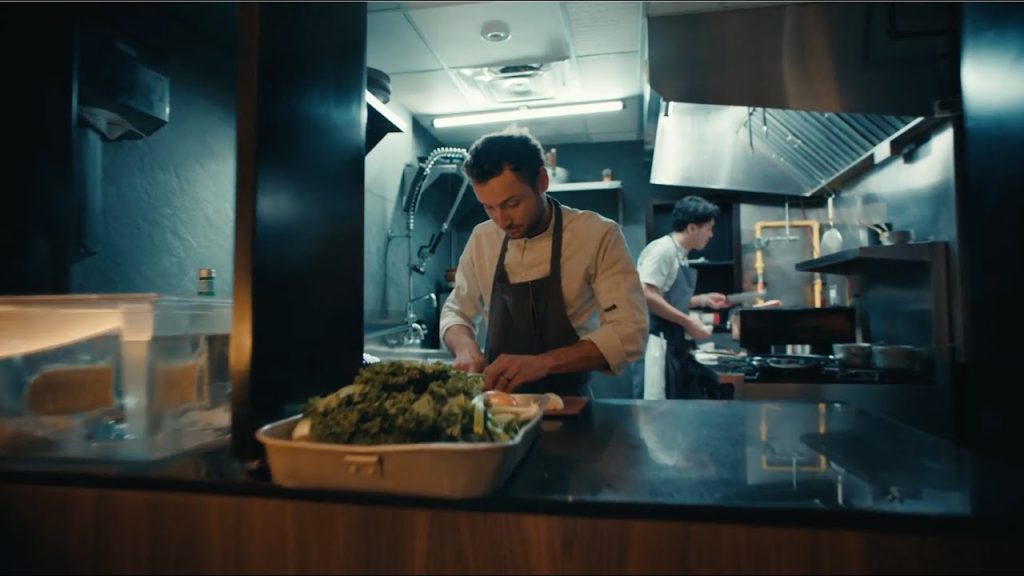
In this article, we will explore how cultural influences shape modern culinary practices, the implications of cross-cultural interactions, and what it means for the future of food innovation in the United States and beyond. As the culinary landscape continues to evolve, it becomes imperative to recognize the role of globalization in fostering a more interconnected and diverse food culture.
DISCOVER MORE: Click here for insights on crafting and mental health
Embracing Diversity in Culinary Practices
The essence of gastronomic innovation in today’s culinary world stems from an embrace of diversity, leading to exciting developments in how we eat, cook, and experience food. As international borders become increasingly porous, chefs are eager to draw inspiration from a multitude of culinary cultures. This has transformed traditional dining into a global feast, where tastes, ingredients, and techniques come together to redefine contemporary cuisine.
Influential Culinary Cultures
To understand the nuances of modern gastronomy, it’s essential to recognize which culinary cultures have left a significant imprint. Here are several that stand out:
- Asian Cuisines: Whether it’s the bold flavors of Thai curries or the nuanced umami of Japanese dishes, Asian culinary traditions have introduced a plethora of new spices and cooking methods to the American palate.
- Latin American Flavors: The vibrant elements of Mexican, Peruvian, and Brazilian cuisines have inspired innovative adaptations like quinoa salads infused with traditional spices, influenced by ancient cooking practices.
- Mediterranean Techniques: The health-conscious aspects of Mediterranean cooking, focused on fresh ingredients and balanced flavors, have led to a surge in popularity for dishes centered on olive oil, legumes, and vegetables.
- Middle Eastern Aromatics: The unique flavors from Middle Eastern spices and techniques, such as that of using harissa or the slow-cooking of tagines, showcase how these elements can enliven familiar Western dishes.
This blend of global flavors and cooking methodologies not only elevates culinary standards but also captivates food enthusiasts who are constantly seeking fresh and exciting dining experiences. Restaurant menus across the United States increasingly feature items that defy traditional geography. For instance, a New York eatery might offer a dish that fuses traditional Italian risotto with Thai basil and Thai chili, creating a palate experience that transcends borders.
Inspiration Through Culinary Exchange
The advancement of social media and food culture networks has played a significant role in this ongoing culinary conversation. Chefs and home cooks alike now share their creations and inspiration with a global audience, leading to an unprecedented exchange of ideas. Platforms like Instagram, TikTok, and food blogs have fostered a sense of community where culinary innovations spread like wildfire, encouraging people to experiment with new flavors and techniques in their own kitchens.
Additionally, culinary events such as food festivals, pop-up restaurants, and chef collaborations further fuel this exchange. These gatherings often serve as melting pots for culinary creativity, where chefs can showcase their unique interpretations of traditional dishes, all while engaging with a diverse audience. For instance, events featuring ‘top chefs’ highlighting their personal takes on childhood favorites from their native countries contribute to a wider appreciation of cultural diversity in food.
As a result, modern dining has evolved into a fluid art form, where the lines delineating different culinary traditions are increasingly blurred. This phenomenon embodies the spirit of innovation, inviting diners to partake in an evolving, participatory experience rather than merely consume meals. Embracing the richness and variety of global flavors signifies not only a change in taste preferences but also a cultural shift toward more inclusive and eclectic eating habits.
| Culinary Culture | Impact on Innovation |
|---|---|
| Fusion Cuisine | Combining diverse culinary traditions to create unique dishes that reflect globalization. |
| Ingredient Diversity | Access to a variety of ingredients leading chefs to experiment with flavors and textures. |
| Culinary Techniques | Adapting traditional cooking methods, such as fermentation and sous-vide, enhancing food preservation and flavor. |
| Celebration of Heritage | Promoting regional cuisines while incorporating modern tastes to foster cultural appreciation and innovation. |
The exploration of culinary cultures enriches the gastronomic landscape, paving the way for extraordinary innovations. As chefs delve deeper into the roots of food history, they uncover forgotten techniques and flavors that breathe new life into contemporary cuisine. The rise of fusion cuisine exemplifies this phenomenon, as it bridges culinary gaps and results in enticing dishes that might incorporate Japanese ingredients with Italian cooking styles, captivating diners worldwide.Furthermore, access to a wider range of ingredients has transformed the way chefs approach their menus. With the ability to source indigenous herbs and spices from various cultures, culinary professionals can now create audacious flavor profiles that challenge traditional culinary barriers. Notably, techniques such as fermentation and sous-vide offer chefs new methods to enhance texture and flavor while preserving nutritional value. Ultimately, the celebration of culinary heritage also empowers chefs to honor traditions while innovating ways of presenting wholesome, delectable dishes that resonate with modern diners. Through these influences, we witness the evolution of gastronomy, where every meal becomes a canvas of cultural identity and creativity.
EXPLORE MORE: Click here to discover the role of musical diversity in creativity</a
Culinary Innovation through Global Collaborations
The quest for culinary perfection today goes beyond individualistic approaches, fostering a spirit of collaboration among chefs and food producers worldwide. As restaurants emerge as laboratory-like environments for culinary experimentation, many chefs embark on global culinary journeys, not just for inspiration but to immerse themselves in the fine details of various cultures. This gives rise to innovative dishes that reflect a true fusion of global gastronomic practices.
Collaborative Efforts in Gastronomy
Pop-up dining experiences and collaborative “chef’s tables” have become popular avenues for culinary experimentation. For instance, renowned chef David Chang has successfully combined the traditional elements of Korean cooking with American barbecue, presenting dishes that showcase an unexpected yet harmonious blend of flavors. Such collaborations not only highlight individual creativity but also bring forth cultural narratives through the medium of food.
The inclusion of seasonal and locally sourced ingredients shortens the supply chain, allowing chefs to take cues from their immediate environments while retaining a global perspective. For example, dishes that portray traditional Italian cooking techniques can incorporate local Midwestern grains and farm-fresh produce, thus creating a unique gastronomic identity that honors both origins.
The Role of Culinary Education
Another factor contributing to modern gastronomic innovation is the evolving landscape of culinary education. Schools like the Culinary Institute of America and Le Cordon Bleu actively encourage students to explore a variety of cultural cuisines, blending classical training with contemporary culinary practices. With a curriculum focused on both technique and creativity, aspiring chefs learn to not only follow recipes but to experiment and innovate based on their growing understanding of global flavors.
Through international exchanges and workshops, young chefs gain firsthand experience with the culinary traditions of other cultures. Such experiences are invaluable, allowing them to understand subtle flavor profiles and traditional cooking methods that may not be evident solely through classroom instruction. This exposure equips them to incorporate diverse culinary elements into their eventual menus, resulting in a rich tapestry of innovation and creativity.
Food Trends Shaped by Cultural Influences
Moreover, food trends are increasingly influenced by the rich tapestry of world cultures. The rise of plant-based diets has, for instance, led to the adoption of globally celebrated vegetarian and vegan cuisines such as Ethiopian injera, Indian curries, and Middle Eastern falafel, pushing chefs to think outside the conventional meat-based narrative. This shift reflects not just dietary preferences but an evolving palate that favors diversity and sustainability in eating experiences.
Restaurants and chefs are taking note of consumer interests, creating menus that incorporate seasonal availability while also catering to ethnic flavors. The recent phenomenon of “cross-cuisine” items—like Korean tacos and sushi burritos—illustrates the depth of collaboration inherent in modern gastronomic innovation. These culinary hybrids exemplify the fusion of cultures, catering to a growing demand for novel flavors while driving chefs to further explore unexpected culinary pairings.
In essence, the continuous dialogue among culinary cultures fosters an environment ripe for innovation and discovery. As chefs integrate varying techniques, flavors, and traditions into their craft, they not only create new dining experiences but also weave a narrative that celebrates the richness of culinary heritage from around the globe.
DIVE DEEPER: Click here to discover more about the influence of music on creativity
Conclusion: Embracing a Global Culinary Landscape
In conclusion, the intersection of diverse culinary cultures and modern gastronomic innovation creates a dynamic landscape that continually reshapes the way we think about food. As chefs from various backgrounds embark on journeys that blend techniques, ingredients, and traditions, they pioneer a rich tapestry of flavors that transcends borders. This cultural synergy not only enhances the dining experience but also tells powerful stories rooted in heritage and community.
The rise of collaborative dining experiences, the embracing of local ingredients, and the evolution of culinary education all contribute significantly to this ongoing culinary revolution. Young chefs, equipped with an understanding of global flavors, are empowered to push boundaries, inventing dishes that reflect the essence of their multicultural experiences. As they integrate traditional and contemporary methods, they foster a spirit of experimentation that invites diners to broaden their palates.
Moreover, the growing demand for sustainability in food practices is compelling chefs to explore innovative cuisines, particularly plant-based options that draw from global influences. The popularity of fusion dishes, like Korean tacos and sushi burritos, exemplifies the creative potential unleashed when culinary traditions intermingle. These trends highlight not just the adaptability of chefs but also the evolving preferences of consumers who seek authenticity paired with novelty.
Moving forward, the culinary world will continue to be a melting pot of ideas and flavors that challenge conventions. As we celebrate the influence of global culinary cultures, we are reminded that food is not merely sustenance—it is a powerful medium for connection, exploration, and innovation. Embracing this multifaceted landscape invites everyone to engage with, appreciate, and savor the rich cultural narratives told through what we eat.