Molecular Cuisine: Exploring the Science Behind Creativity in the Kitchen
Exploring the Intersection of Science and Culinary Art
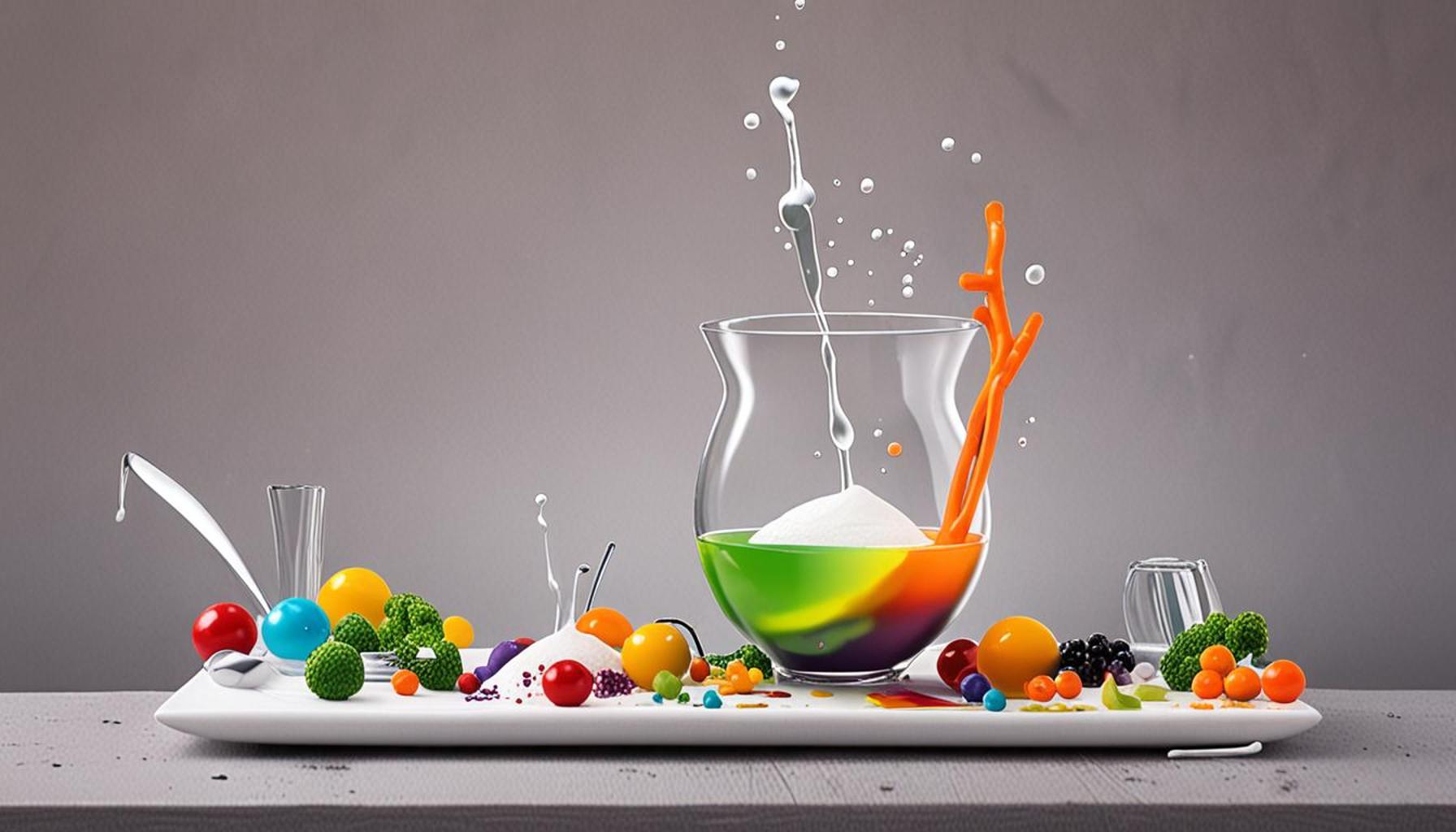
Imagine a dish that resembles a piece of art, meticulously crafted with vibrant colors and textures that elevate the dining experience. This is the promise of molecular cuisine, a captivating culinary approach that integrates scientific principles into the cooking process. By utilizing techniques that blend chemistry with creativity, chefs can create extraordinary flavor profiles and unparalleled textures that surprise and delight the palate. This evolution of cooking challenges our preconceived notions of food presentation and flavor.
Molecular cuisine is not merely about fanciful presentations; it is deeply rooted in scientific understanding. Key methods employed by chefs include:
- Sous-vide cooking: This technique involves vacuum-sealing food in a bag and cooking it in a water bath at a consistent, low temperature. This precision ensures that meats retain their juiciness while vegetables maintain a vibrant color and nutritional value. The result is consistently cooked dishes that are bursting with flavor.
- Foaming agents: By using ingredients like lecithin or soy protein, chefs can transform liquids into airy foams that captivate the senses. For instance, a classic dish like tomato soup can be elevated with a basil foam, adding a new dimension of flavor and texture that enhances the overall experience.
- Gelification: This method uses agents like gelatin or agar-agar to create stunning textures, allowing chefs to present food in innovative forms. A visual representation might include spheres of fruit juice that burst in your mouth, delivering concentrated flavors. Think of a passion fruit ‘caviar’—a playful take on traditional ingredients that excites diners.
In the United States, renowned chefs such as Grant Achatz from Alinea in Chicago and Wylie Dufresne from WD-50 in New York City have demonstrated the potential of molecular cuisine. Achatz’s famous dishes often involve intricate presentations and surprising elements, such as his deconstructed desserts that challenge the very concept of what dessert can be. Similarly, Dufresne has been known for pushing culinary boundaries with his inventive approach, using techniques that showcase scientific principles.
As we delve deeper into the realm of molecular cuisine, it becomes clear that this culinary art is more than a trend; it represents a profound exploration of flavor and form. Chefs are equipped with a toolkit of scientific knowledge that allows them to manipulate ingredients in ways that enhance not only the taste but also the visual experience of food. This fusion of science and artistry results in meals that prompt diners to engage with their food in entirely new ways. Join us on this journey as we uncover the fascinating world of molecular gastronomy, where the kitchen feels more like a laboratory and culinary creativity knows no bounds.
DIVE DEEPER: Click here to discover how musical diversity can enhance creativity
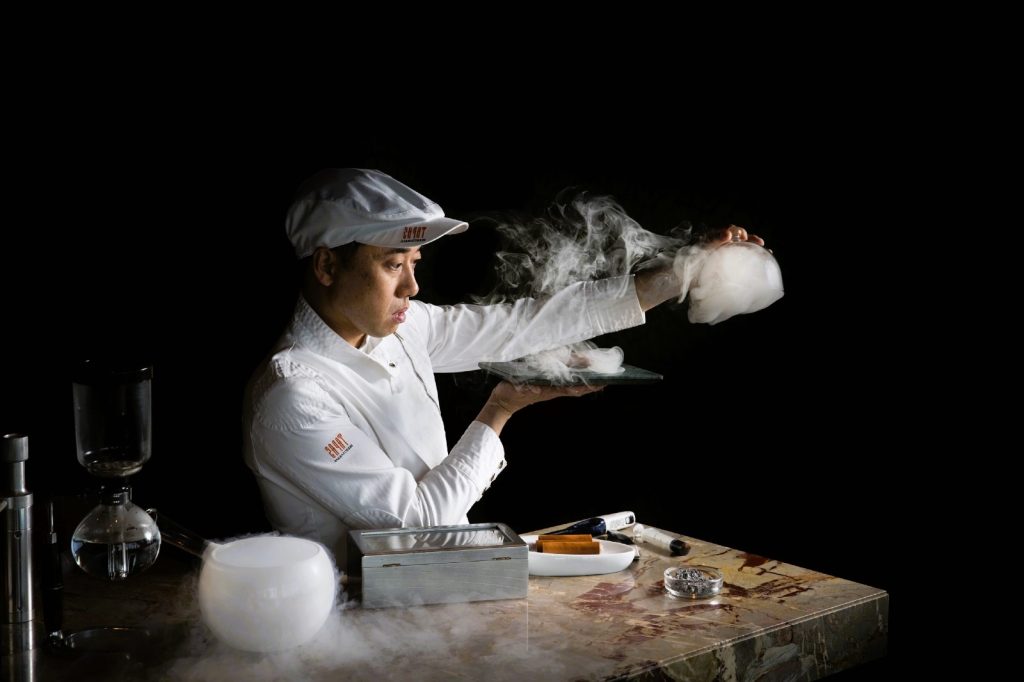
Unpacking the Techniques of Molecular Cuisine
Molecular cuisine, an innovative culinary movement, is marked by its unique ability to merge the scientific with the artistic, creating an unforgettable experience for diners. At the heart of this approach lies a set of transformative techniques that not only expand the boundaries of traditional cooking but also redefine how we perceive flavor and texture. Chefs who embrace these methods are essentially alchemists in the kitchen, blending ingredients in unexpected ways while leveraging the laws of physics and chemistry. Here, we take a closer look at some of the key techniques that make molecular cuisine such a tantalizing adventure.
Key Techniques in Molecular Cuisine
- Reverse Spherification: A captivating technique that allows chefs to create “caviar” from various liquids, such as fruit juices or flavored sauces. By dripping these liquids into a calcium bath, the outer layer creates a thin gel membrane, encapsulating the liquid inside. When bitten, these spheres burst, releasing an explosion of flavor. This method is not just about taste; it’s about engaging the diners’ enthusiasm for a multi-sensory encounter.
- Liquid Nitrogen: Used for flash freezing ingredients, liquid nitrogen can transform a warm, creamy mixture into a beautiful, icy dessert within seconds. This technique not only affects the texture but also locks in flavors more intensely than traditional freezing methods. Imagine taking a scoop of mint chocolate chip ice cream, crafted from freshly churned cream and aromatic mint leaves, instantly frozen to perfection before your eyes.
- Emulsification: A fundamental chemical process that creates stable mixtures of oil and water, resulting in rich and creamy textures. In molecular cuisine, this technique is frequently used to craft sauces and dressings that provide a layer of complexity to dishes. Think of a salad served with a light, airy vinaigrette that doesn’t separate, bringing each element of the dish to life.
The thrill of molecular cuisine lies in its unpredictability and creativity. Chefs are no longer limited to traditional methods; instead, they are empowered by scientific knowledge to experiment and innovate. For example, experiments with temperature manipulation can create “hot” ice cream; that is, frozen desserts that melt on the palate yet retain an essence of warmth when consumed.
This culinary trend has garnered attention not only for its astonishing visual appeal but also for its capacity to evoke curiosity and excitement among guests. As diners encounter dishes that challenge their expectations, they become part of a dialogue that explores the intersection of flavor, texture, and presentation. This dynamic engagement elevates the dining experience from a mere meal to an interactive exploration of culinary science.
Through these innovative techniques, molecular cuisine invites diners to embark on a gastronomical journey filled with surprises and delights. With each bite, guests are reminded that food is not only nourishment but also an art form that can be experienced in an entirely new light. The innovations of molecular cuisine continue to inspire chefs and food enthusiasts alike, making it a worthy subject of exploration in the culinary landscape.
| Technique | Advantages |
|---|---|
| Sous-vide cooking | Maintains moisture and flavor while ensuring perfect doneness. |
| Spherification | Creates unique textures that surprise and delight diners with liquid-filled spheres. |
| Gelification | Allows chefs to mold flavors into new forms, enhancing presentation and taste perception. |
| Emulsification | Improves flavor delivery and creates creamy textures with oil and water mixtures. |
Molecular cuisine marries culinary art with scientific exploration, leading to innovative dishes that tantalize the senses. The techniques mentioned above are just a glimpse into this exciting realm where cooking transforms into an adventure. Chefs use science to challenge traditional perceptions of taste and presentation. Sous-vide cooking ensures meals are perfectly done, retaining all the flavors that might otherwise evaporate in conventional cooking methods. Spherification injects a playful element into dining, captivating guests with unexpected bursts of flavor. Likewise, gelification grants chefs the ability to reinvent familiar tastes in creative new forms. Each technique is not just about the end result; it’s a story of experimentation, where chefs explore the boundaries of creativity in the kitchen and aim to create unforgettable dining experiences. Through molecular cuisine, the potential for culinary innovation is infinite.
DISCOVER MORE: Click here to learn about the healing power of art
Innovative Ingredients: Redefining Flavor in Molecular Cuisine
In addition to various techniques, one of the defining features of molecular cuisine is its use of unconventional ingredients that elevate cooking to a scientific level. From encapsulating flavors to creating unexpected textures, these components push the boundaries of traditional culinary practices. Chefs in this realm are continually experimenting with new substances that serve as vehicles for creativity, enhancing the dining experience in novel ways. Some of these innovative ingredients have become staples in molecular gastronomy, providing endless opportunities for culinary exploration.
Key Ingredients Transforming Dishes
- Agar-Agar: A gelatinous substance derived from red algae, agar-agar is used as a vegetarian alternative to gelatin. In molecular cuisine, it can be employed to create jellies, foams, and even firm pops. Its ability to gel at room temperature means chefs can design stunning plated desserts that remain stable throughout the meal, inviting diners to experiment with flavor pairings.
- Xanthan Gum: This versatile thickening agent, produced by fermenting sugar, is a game-changer in molecular cuisine. Its unique properties allow chefs to create sauces and dressings with an unexpected viscosity. An example includes craft cocktails where xanthan gum is used to achieve a creamy texture without adding heavy dairy products, creating light yet flavorful mixtures that enchant the palate.
- Sodium Alginate: Derived from brown seaweed, sodium alginate is essential for the spherification process. It can bind liquids into gel-like beads, adding another layer of complexity to sauces and purees. Chefs can create innovative cocktails that contain bursts of flavor illustrating how science can transform the common drinking experience.
The choice of these ingredients provides chefs with the ability to play with flavor and texture while ensuring that dishes remain visually stunning. Beyond culinary delight, they also offer a scientific exploration of food. For instance, the pairing of sodium alginate with calcium hydroxide not only results in flavorful spheres but also serves as a gateway for diners to engage with the chemistry beneath the culinary artistry. Each dish becomes a conversation starter, as the distinct ingredients prompt guests to ponder their origins and applications.
Moreover, molecular cuisine often intertwines with other culinary movements, such as foraging or farm-to-table practices. Chefs may incorporate locally sourced and seasonal ingredients into their dishes while utilizing molecular techniques to enhance the natural flavors. This integration emphasizes sustainability and environmental consciousness, aligning with diners’ increasing desire for holistic culinary experiences.
Furthermore, as molecular cuisine embraces modern technology, innovative equipment becomes part of the narrative. Tools like sous-vide immersion circulators and smoking guns enable chefs to execute precise techniques while enhancing flavors in ways that challenge culinary norms. This fusion of traditional cooking methods with novel technological advancements generates an experimental platform where chefs can continuously redefine their creative boundaries.
In the end, molecular cuisine serves as a bridge between science, creativity, and gastronomy. By focusing on innovative ingredients and techniques, chefs unearth hidden layers of flavor and texture that can take any dining experience to extraordinary heights. As this culinary movement continues to evolve, it captures the imaginations of food enthusiasts eager to discover the scientific prowess behind cooking.
DIVE DEEPER: Click here to discover the power of musical diversity</p
Conclusion: The Future of Culinary Artistry
In summary, molecular cuisine transcends the boundaries of traditional cooking by merging the principles of science with culinary artistry. As chefs harness innovative ingredients and techniques—such as agar-agar, xanthan gum, and sodium alginate—they open the door to a realm of culinary possibilities that redefine flavor and texture. Each dish becomes not only a meal but an exploration of the food science at play, inviting diners to engage their senses and intellect.
Moreover, the integration of sustainability and local sourcing within the framework of molecular gastronomy reflects a growing consciousness among chefs and food enthusiasts alike. This approach emphasizes a connection to the environment while enhancing flavors, aligning with the evolving palate of today’s consumers who seek both taste and ethical considerations in their dining choices.
As technology continues to advance, the world of molecular cuisine will likely see further innovations that shape how we experience food. Equipment like sous-vide machines and smoking guns will further inspire creativity in the culinary arts, enabling chefs to challenge norms and predict the future of gastronomy. For those eager to explore this unique intersection of science and food, there is a world of flavors and textures waiting to be discovered.
In conclusion, molecular cuisine is not just about the food on our plates; it is a journey into the heart of culinary science. As we witness the evolution of this captivating style, it encourages us to rethink our understanding of dining, prompting curiosity that drives us to dive deeper into the incredible world of flavors that science can offer.