Fusion Cuisine: The Creativity in Blending Flavors and Cultural Traditions
Understanding the Dynamics of Fusion Cuisine
In our increasingly interconnected world, fusion cuisine has emerged as an exhilarating blend of flavors and traditions that captivates food enthusiasts everywhere. This culinary approach not only redefines classic dishes but also pushes the boundaries of what food can be. By combining ingredients and techniques from various culinary backgrounds, fusion cuisine creates unique culinary experiences that tantalize the palate.
So, what truly sets fusion cuisine apart from traditional dishes? It transcends simple mixing of components; instead, it celebrates the sophisticated interplay of different influences. Here are some key aspects that highlight the essence of fusion cuisine:
- Ingredient Innovation: At the forefront of fusion cuisine are imaginative combinations that transform familiar ingredients. Consider sushi burritos, which wrap the fresh flavors of sushi in a portable form, or kimchi tacos, where spicy fermented cabbage meets soft tortillas, melding Korean and Mexican treats seamlessly.
- Technique Variety: Fusion chefs skillfully merge diverse cooking techniques from different cultures. For instance, the art of stir-frying, typically associated with Asian cooking, can be paired with French techniques such as sous-vide, enabling chefs to achieve novel textures and flavors.
- Diverse Inspirations: The creativity involved in fusion dishes often draws from regional classics. Imagine a paella that incorporates hearty Italian herbs or a curry that features traditional Greek olive oil. Such dishes are a testament to how varied culinary elements can enhance one another.
As the American dining scene evolves, cities like Los Angeles, New York, and Chicago are leading the charge by showcasing innovative cross-cultural menus. In these metropolitan areas, food lovers can indulge in a plethora of choices that challenge their traditional palates. Restaurants like Kogi BBQ in Los Angeles, which integrates Korean flavors into classic Mexican street food, are noteworthy examples of this trend. Similarly, New York City’s BaoHaus offers Taiwanese-inspired bao sandwiches that have taken the food scene by storm.
Ultimately, fusion cuisine embodies the spirit of creativity and discovery. It invites diners to step outside their gastronomic comfort zones, encouraging them to embrace the rich tapestry of cultural traditions that inform each dish. Through fusion, the global pantry is opened, allowing chefs to explore a wider range of flavors and techniques. As you dive into this culinary adventure, you will undoubtedly find that the interplay of cultures on your plate offers not just a meal but also a narrative of history, innovation, and cultural exchange. Each bite is a journey into the myriad influences that shape our modern culinary landscape, encouraging curiosity and appreciation for the diversity of global cuisine.
DISCOVER MORE: Click here to uncover delightful recipes
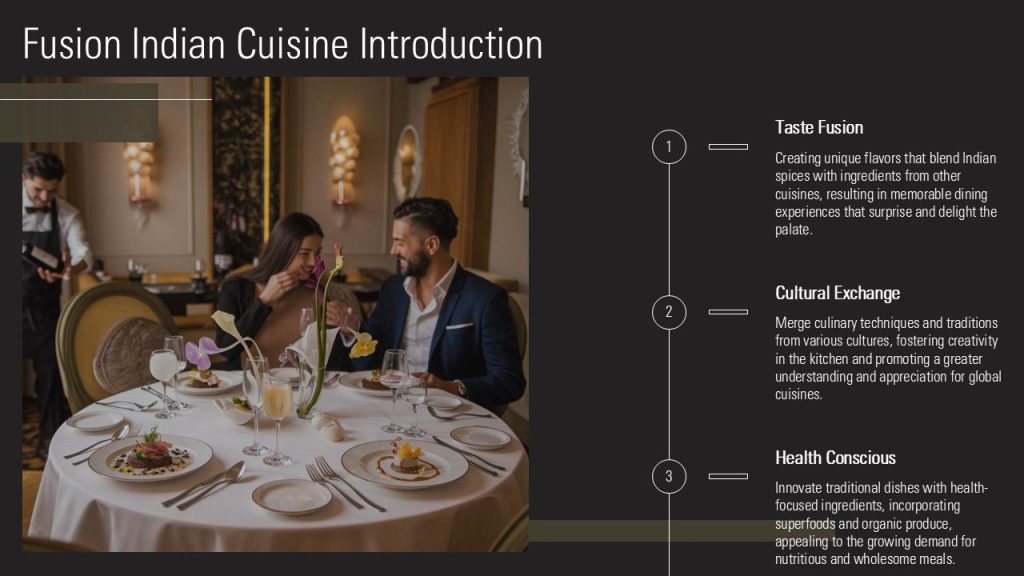
The Artistry Behind Flavor Combinations
Fusion cuisine invites diners on a captivating adventure where culinary boundaries evaporate, allowing for a vibrant interplay of global flavors. At its core, fusion cuisine thrives on the principle of creativity. Chefs across the United States are moored in a rich tapestry of ingredients and traditions, sparking inspiration to craft dishes that challenge the status quo of conventional cuisine. The fusion movement is often a reflection of the melting pot that is contemporary American society, where cultural interplay is not only welcomed but celebrated.
One notable aspect of fusion cuisine is its emphasis on creativity in flavor pairing. A dish like miso ramen topped with chili oil and a soft-boiled egg—a staple in many Asian households—may seamlessly coexist with elements of Southern cooking, such as crispy fried chicken. The result? A mouthwatering creation that pays homage to both culinary traditions while appealing to the modern palate. The possibilities are endless, prompting chefs to continually explore innovative combinations that intrigue and delight.
As diners embrace offerings that reflect diverse backgrounds, several notable trends have emerged within fusion cuisine, each showcasing unique characteristics:
- Cross-Cultural Tacos: Restaurants are reimagining traditional taco fillings, combining inspirations like Korean bulgogi with zesty avocado crema, enhancing the classic tortilla experience.
- East Meets West Sweets: Desserts are not exempt from fusion creativity. One can find favorites like green tea cheesecake, merging Japanese matcha with a beloved American dessert with surprising results.
- Sophisticated Street Food: Chefs are elevating street food classics, merging elements such as Indian samosas filled with classic Italian fillings like ricotta and spinach, thus bridging culinary techniques and traditions.
This invigorating movement is particularly palpable in urban areas, where a rich diversity of cultures coexists. As food enthusiasts flock to hotspots, restaurants that embody fusion cuisine present exciting menus ranging from Asian-inspired brunches to gourmet taco shops. In the bustling food districts of cities like San Francisco or Miami, the emergence of food trucks has further democratized access to fusion dishes, allowing creative minds to experiment with minimal risk.
Moreover, the rise of food blogs and social media has given chefs the platform to showcase their innovative creations creatively. Diners share their experiences with a click of a button, igniting curiosity among their peers. This digital age prompts culinary artists to push the boundaries even further, constantly experimenting with flavor combinations and presentation styles that will catch the eye of Instagram enthusiasts.
As this culinary fusion landscape continues to make waves, it’s vital for diners to recognize the complexity behind each dish. Each bites not only a reflection of individual creativity but also reveals a broader narrative of cultural exchange. This exploration of flavors serves to deepen our understanding of different traditions and the contemporary landscape shaping our dining experiences today. Whether you are indulging in a sushi roll with a kick of spicy aioli or savoring a savory donut filled with curry, fusion cuisine indeed broadens the horizon of gastronomy.
| Culinary Innovation | Cultural Exchange |
|---|---|
| Fusing Ingredients | Broadened Palates |
| Experimentation | Global Influence |
The theme of Fusion Cuisine celebrates culinary innovation through the rhythmic blending of diverse ingredients. Chefs worldwide are taking liberty to experiment with traditional recipes, combining unexpected flavors that tantalize the taste buds. This dynamic culinary landscape promotes creativity, allowing chefs to showcase their unique backgrounds and skills. Moreover, fusion cuisine is a powerful medium for cultural exchange. It not only introduces diners to new flavors but also spills stories from distant lands onto their plates. For example, a Mexican taco adorned with Korean kimchi engages diners in a dialogue about the origins and significance of both cultures. This flavorful mixing significantly broadened palates and open minds to the diverse tapestry of the world’s cuisines. By weaving together culinary traditions, fusion cuisine fosters understanding and appreciation of global diversity. Each dish is an opportunity to discover and savor global influences, enhancing the dining experience and provoking thought about the origins of food.
DIVE DEEPER: Click here to discover the beauty of poetry
The Intersection of Culinary Influence and Tradition
At the heart of fusion cuisine lies a fascinating interplay between tradition and innovation. Many chefs regard their culinary pursuits as a tribute to their heritage, integrating family recipes with contemporary techniques and diverse influences. This blending phenomenon not only results in enticing dishes but also serves as a homage to the global melting pot that defines America today. By marrying traditional recipes with modern insights, fusion cuisine transforms familiar flavors into exciting new experiences.
A striking example of this trend can be seen in the rise of Asian-Latin fusion. Combining the complex spices of Asian cooking with the bold flavors of Latin cuisine has birthed dishes such as Peruvian ceviche with a zesty soy sauce marinade or Thai red curry burritos that capture the essence of both cultures. These offerings tell stories of migration and cultural exchange, reflecting how food continually evolves while honoring its roots.
Additionally, the craft cocktail movement is echoing this sentiment by marrying diverse beverages into signature drinks. Imagine a spicy margarita that incorporates muddled jalapeños and basil or a whiskey sour blended with tamarind and lime. The resulting cocktails challenge patrons to rethink their pairing options, encouraging them to explore combinations that transcend traditional limits.
The exploration of local and seasonal ingredients is another vital aspect of fusion cuisine. Restaurants increasingly focus on sourcing produce from local farmers, infusing their unique flavors with international techniques. This commitment not only bolsters local economies but also encourages creative experimentation with dishes grounded in local traditions, like a seasonal vegetable curry made with freshly harvested vegetables from nearby farms. Such practices not only enhance flavor but also elevate the overall dining experience, drawing attention to the importance of sustainability in today’s food landscape.
Moreover, as diners navigate the fusion landscape, they are becoming more engaged and curious about the stories behind their meals. Chefs now often share the inspirations and cultural narratives linked to each dish, emphasizing authenticity and transparency. This shift cultivates a greater appreciation for the artistry involved in the culinary process. One chef’s journey through their familial history, leading to a dish that combines Vietnamese pho with American brisket, not only tantalizes the taste buds but sparks meaningful conversations among diners.
- Global Chef Collaborations: As chefs collaborate globally, the impact of shared culinary knowledge is monumental. Events like restaurant pop-ups bring together chefs from varying backgrounds, resulting in one-time menu offerings that showcase cross-cultural creativity.
- Food Festivals: The rise of food festivals emphasizing various culinary traditions encourages chefs to showcase their fusion creations. It provides a platform for experimentation while allowing diners to taste the nuances of cultural blending.
- Home Cooking and Recipe Sharing: The surge in home cooking during the pandemic has inspired more individuals to experiment with fusion recipes, blending their culinary influences while sharing results on social media, further promoting the fusion cuisine movement.
Culinary innovators continue to redefine dining experiences by presenting a refreshing take on tradition, making the fusion cuisine landscape immensely rich and exciting. As flavor profiles become more diverse and dynamic, the spotlight remains on these culinary artists who invite us to embark on unforgettable gastronomic journeys that celebrate culture and creativity.
DIVE DEEPER: Click here to discover how music fuels creativity</p
Celebrating Diversity Through Fusion Cuisine
In conclusion, fusion cuisine stands as a vibrant testament to the beauty of culinary creativity and the interconnectedness of cultures. As chefs push the boundaries of traditional cooking, they invite us to experience a world where flavors and traditions collide, resulting in remarkable dishes that tell unique stories. The growing trend of collaboration among chefs, coupled with the movement towards *local sourcing and seasonal ingredients*, enriches this experience and enhances the appeal of fusion dining. Restaurants that embrace these principles not only provide *elevated dining experiences* but also contribute to a more sustainable food ecosystem.
As patrons become more curious and engaged, learning the histories behind their meals, the dialogue around fusion cuisine evolves, fostering deeper connections to the dishes served. Whether at a food festival, a pop-up event, or a small family kitchen experimenting with diverse recipes, this culinary movement encourages a spirit of exploration and appreciation for what lies within each bite. It reminds us that food not only nourishes the body but also serves as a bridge connecting diverse backgrounds and experiences.
As we continue to navigate the exciting landscape of fusion cuisine, we are prompted to ask ourselves: What new flavors or cultural influences might we embrace next? With every forkful, we have the opportunity to discover and celebrate the rich tapestry that food weaves among worlds, making fusion cuisine an endlessly fascinating celebration of diversity in our culinary landscape.