The Influence of Spices on Culinary Innovation: Exploring New Horizons of Flavor
The Transformative Influence of Spices in Culinary Arts
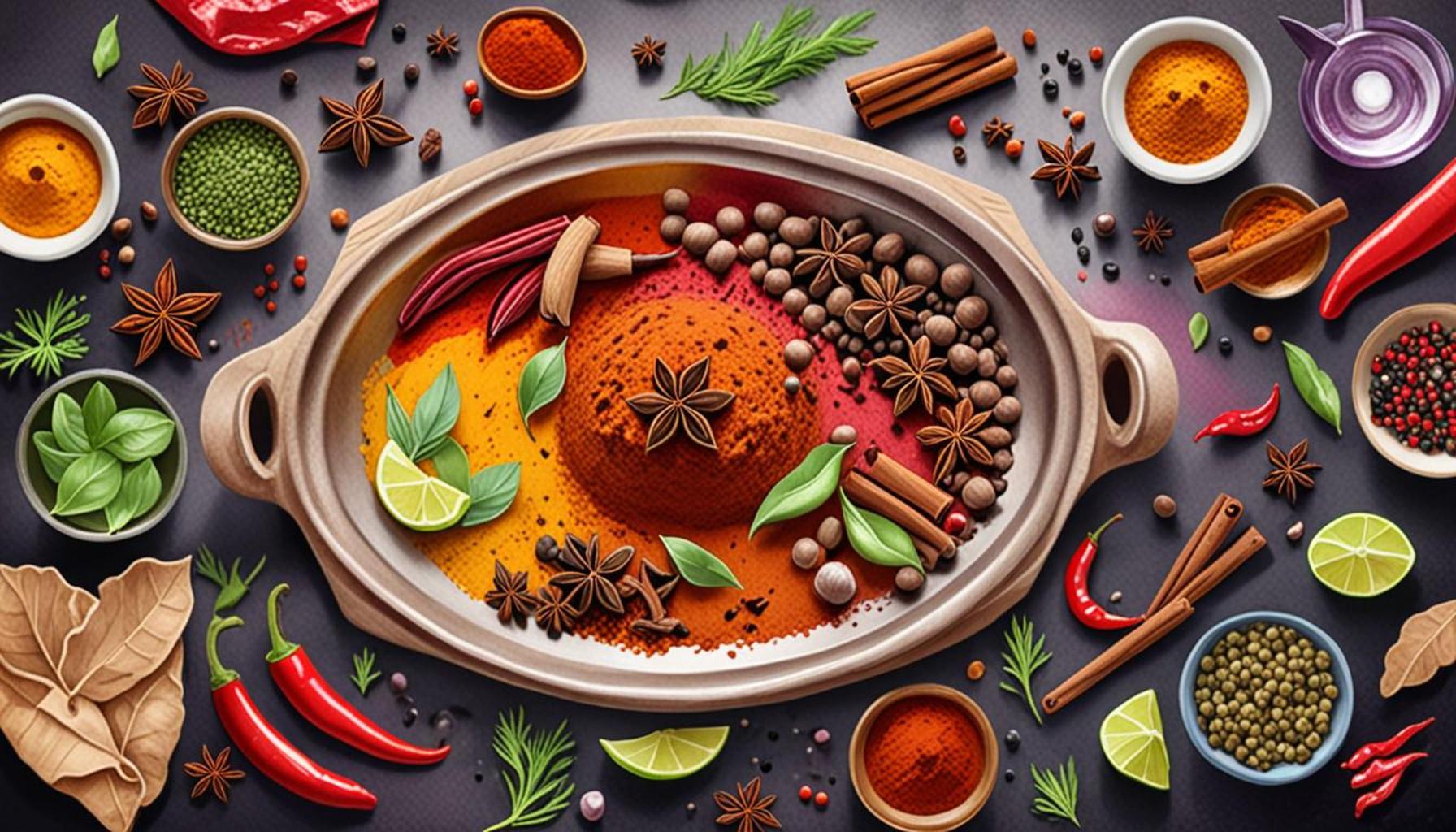
Throughout history, spices have woven themselves into the fabric of culinary practices across continents, becoming essential not only for flavoring but also for preserving food, enhancing nutrition, and even affecting trade routes. In American cuisine, for example, the use of spices varies from the earthy cumin found in southwestern dishes to the pungent garlic prominent in Italian cooking, showcasing the diverse impact spices have on our everyday meals.
Why Spices Matter
Spices are not merely an afterthought in cooking; they serve as a culinary backbone that transforms mundane food into dishes that tantalize the taste buds. Consider the following aspects that highlight their significance:
- Flavor Complexity: Spices bring layers of flavor that can enhance the simplest of ingredients. For instance, a dash of cinnamon can elevate the blandness of oatmeal into a gourmet breakfast, while a pinch of cardamom can transform a basic cookie into a showstopper.
- Cultural Significance: Spices often represent the history and traditions of a culture. Take turmeric, for example, which has roots in Indian cuisine where it is not only valued for its flavor but is also revered for its historical use in Ayurvedic medicine, illustrating a deep connection between food and culture.
- Health Benefits: Beyond flavor, many spices are known for their health benefits. For instance, ginger is celebrated for its anti-inflammatory properties and ability to soothe digestive issues, while cayenne pepper has metabolism-boosting qualities that are appealing to health-conscious consumers.
This increasing awareness of spices’ capabilities has led adventurous chefs to experiment with nontraditional pairings and flavor fusions. Imagine the surprising combination of bold Sichuan peppercorns enhancing traditional American barbecue, adding a distinct numbing heat that tantalizes the palate. Similarly, the use of enchanting saffron in pasta dishes has become a trend, where a small pinch transforms the dish both visually and flavor-wise, signifying luxury and culinary finesse.
Exploring New Horizons
As we journey into the world of spices, it becomes clear how they are not just sprinklings of flavor but are catalysts for culinary innovation. Chefs are increasingly encouraged to innovate boldly, bridging the gap between traditional and modern cuisine. From popular food trucks in urban settings to fine dining establishments, the exploration of spices is encouraging a new generation of chefs to think beyond the conventional.
Join us as we explore this flavorful landscape, uncovering the vital role spices play in shaping modern cuisine, their historical importance, and how they continue to inspire both heritage dishes and avant-garde culinary creations. Discovering new spice combinations may ultimately lead to a revitalization of familiar recipes or the creation of entirely original dishes, offering a satisfying culinary adventure for anyone willing to embark on it.
DIVE DEEPER: Click here to discover culinary fusions
Spices as Catalysts for Culinary Creativity
In the ever-evolving landscape of culinary arts, spices are emerging as powerful tools that inspire innovation and creativity among chefs. The transformation of flavor profiles through the use of spices has encouraged culinary professionals to experiment fearlessly, discovering new combinations that redefine traditional cuisines. Culinary innovation is not a singular path but rather a kaleidoscope of possibilities, all sparked by the aromatic allure of spices.
The Role of Globalization
The globalization of cuisine has unlocked a treasure trove of spices from around the world, making them more accessible than ever. Chefs can now easily source exotic spices like za’atar, berbere, or sumac, allowing for an exploration of global flavors that was previously limited by geographical and economic boundaries. This influx of spices has led to unique culinary fusions, where traditional dishes adopt elements from other cultures.
For instance, consider the growing popularity of Mexican-Asian fusion cuisine, like tacos filled with Korean BBQ and kimchi. The use of spices such as gochujang and sesame oil has created a dialogue between flavors that is both innovative and exciting. This trend exemplifies how spices can create opportunities for chefs to amalgamate various culinary traditions, broadening the culinary landscape.
Popular Spice Innovations
As chefs delve into their spice cabinets, some have landed on truly inventive ideas that surprise and delight diners. Among these innovations, several notable trends have emerged:
- Layered Flavors: Chefs are employing techniques like brining meats with rosemary and black pepper or infusing oils with chili flakes to create depth and complexity in flavors.
- Spice Pairings: Unique pairings such as cinnamon and chili or clove and citrus are making waves, presenting flavors in a way that captivates a wide range of palates.
- Spice-Dominated Dishes: Dishes like turmeric rice or paprika-spiced meats not only showcase the beauty of spices but also make them the centerpiece of a meal, inviting diners to explore their cultural origins.
These trends are indicative of a broader movement in which spices are no longer considered supplementary but as fundamental components of culinary expression. Notably, chefs are increasingly looking to spices not only for their flavor but also for their potential to elicit emotional responses from those who consume their creations.
The Future of Flavor Innovation
Looking ahead, the role of spices in culinary innovation shows no sign of waning. As chefs continue to push the boundaries of flavor, we can expect to see even more creative uses of spices that challenge traditional culinary norms. Whether through new culinary techniques, unexpected pairings, or an emphasis on sustainability by sourcing local spices, the future of flavor is vibrant and bursting with possibilities. As the exploration of spices unfolds, it invites both food enthusiasts and professional chefs alike to partake in a never-ending journey towards a richer, more diverse culinary experience.
Spices are not merely seasoning agents but have historically played a transformative role in culinary innovation and exploration. As cooks experiment with diverse spice combinations, they unlock new dimensions of flavor that can redefine traditional dishes. One of the most captivating trends in the culinary world is the incorporation of exotic spices from around the globe, which allows chefs to create unique flavor profiles that surprise and intrigue diners.In particular, spices such as saffron, sumac, and garam masala have gained popularity beyond their regional roots, as they inspire creative adaptations in various cuisines. Saffron, known for its vivid color and subtle earthy flavor, has emerged in modern culinary creations ranging from inventive desserts to gourmet risottos, showcasing its versatility. Similarly, sumac, with its tangy and citrus-like taste, is being embraced in salads, meats, and even cocktails, adding an unexpected twist that elevates familiar recipes.Furthermore, the fusion of traditional cooking methods with innovative spice use is encouraging chefs to experiment and share their findings, sparking a cultural dialogue around flavor and technique. Social media platforms and culinary shows further amplify this influence, where home cooks and professionals alike showcase their spice-infused creations, igniting a new wave of enthusiasm for botany and its role in cuisine. By harnessing the potential of spices, culinary artists are pushing boundaries and inviting food lovers to embark on a tantalizing journey through taste and aroma.In addition to elevating dishes, the growing awareness surrounding health benefits associated with various spices—such as the anti-inflammatory properties of turmeric or the antioxidant effects of cinnamon—adds another layer of interest. This burgeoning narrative is transforming perceptions of spices, presenting them not just as flavor enhancers but also as vital components of a health-conscious diet. Through the exploration of spices, the culinary landscape continues to innovate, surprising palettes, and shaping the future of gastronomy with every creative dish.
DISCOVER MORE: Click here to dive into modern craft trends
Spicing Up Local Cuisines
The impact of spices on culinary innovation goes beyond global influence; it fundamentally reshapes local cultures and regional cuisines. Chefs and home cooks alike are taking a fresh look at traditional recipes and infusing local flavors with bold spices, breathing new life into familiar dishes. This movement of reinventing local cuisines is not merely about taste but also about storytelling, history, and identity.
Reviving Regional Ingredients
Across the United States, numerous chefs are working to reclaim native spices and herbs that evoke local histories. For instance, spices like juniper berries found in the Pacific Northwest or cayenne pepper from the South are gaining recognition as chefs weave them into contemporary culinary narratives. An inspiring example includes the growing use of sassafras in modern Southern cooking, where chefs are exploring its earthy notes to create dishes that are both innovative and steeped in tradition.
Additionally, the trend of using spices sourced from local farms promotes sustainability and supports community agriculture. Restaurants committed to farm-to-table practices now often use blends that incorporate local spices, such as a handcrafted blend of smoked paprika, fennel seeds, and oregano for a classic Mediterranean dish, modified to reflect the local terroir.
The Experimentation with Spice Blends
The resurgence of interest in spice blends is another noteworthy facet of culinary exploration. Chefs are not only using individual spices but also experimenting with custom mixes that combine guidelines from traditional blends while infusing their unique signatures. For example, chefs may craft bespoke curry powders that incorporate indigenous spices combined with traditional Indian spices, creating a synergy that enhances flavor complexity.
Moreover, the modern trend of cooking classes and culinary workshops across the country features spice-blending sessions where participants learn the art of creating their unique combinations. This hands-on experience empowers home cooks to dive deeper into the world of spice creativity, encouraging them to reinterpret their favorite dishes through the lens of custom spice mixes.
Spices as Health Enhancers
Alongside their flavor profiles, spices are increasingly recognized for their health benefits. Ingredients like turmeric, ginger, and cumin are lauded not just for their culinary application but also for their medicinal properties. As the trend towards health-conscious eating grows, chefs are leveraging the health-enhancing aspects of spices to create dishes that are nutritious and flavorful.
Restaurants are now curating menus that showcase spices known for their potential health benefits. For instance, turmeric lattes and jalapeño-infused vegan dishes are not merely trendy; they cater to a growing demographic eager to enjoy health benefits without compromising flavor. In this way, spices act as an innovative bridge connecting health enthusiasts to the culinary arts.
Overall, as the culinary realm embraces the influence of spices, it invites a dialogue not just around flavor, but around cultural identity, sustainability, and wellness. This multifaceted approach to spices fosters an atmosphere of creative exploration, ensuring that the world of culinary innovation remains rich and diverse.
DIVE DEEPER: Click here to discover the mental health benefits of crafting
Conclusion: A Flavorful Future
The exploration of spices in culinary innovation has unlocked a world of flavors that continues to evolve and surprise both chefs and food enthusiasts. By harmoniously blending traditional techniques with modern interpretations, we witness how spices serve as catalysts for cultural storytelling and culinary creativity. From reviving regional ingredients that reflect local history to pioneering spice blends that fuse diverse culinary heritages, the current landscape is alive with possibility.
Moreover, the recognition of spices as vital health enhancers resonates with today’s health-conscious consumers, encouraging chefs to craft menus that are as nourishing as they are inventive. This trend not only champions wellness but also promotes a greater connection between food and community through sustainable sourcing practices. As home cooks experiment with spices in their kitchens, enriched by the rise of cooking classes and workshops, a collective enthusiasm for flavor expansion emerges, inviting everyone to play a role in this delicious evolution.
Ultimately, the influence of spices in the culinary world transcends mere taste; it paints a vivid picture of tradition, identity, and exploration. As we embrace this rich tapestry of flavors, we are reminded that the journey of culinary innovation is ongoing—one where every sprinkle and dash contributes to a broader narrative filled with creativity and discovery. As we move forward, the continued fusion of spices with local cuisine holds the promise of an exciting future, encouraging all to explore new horizons of flavor.