
The influence of martial arts on the discipline and creative expression of practitioners
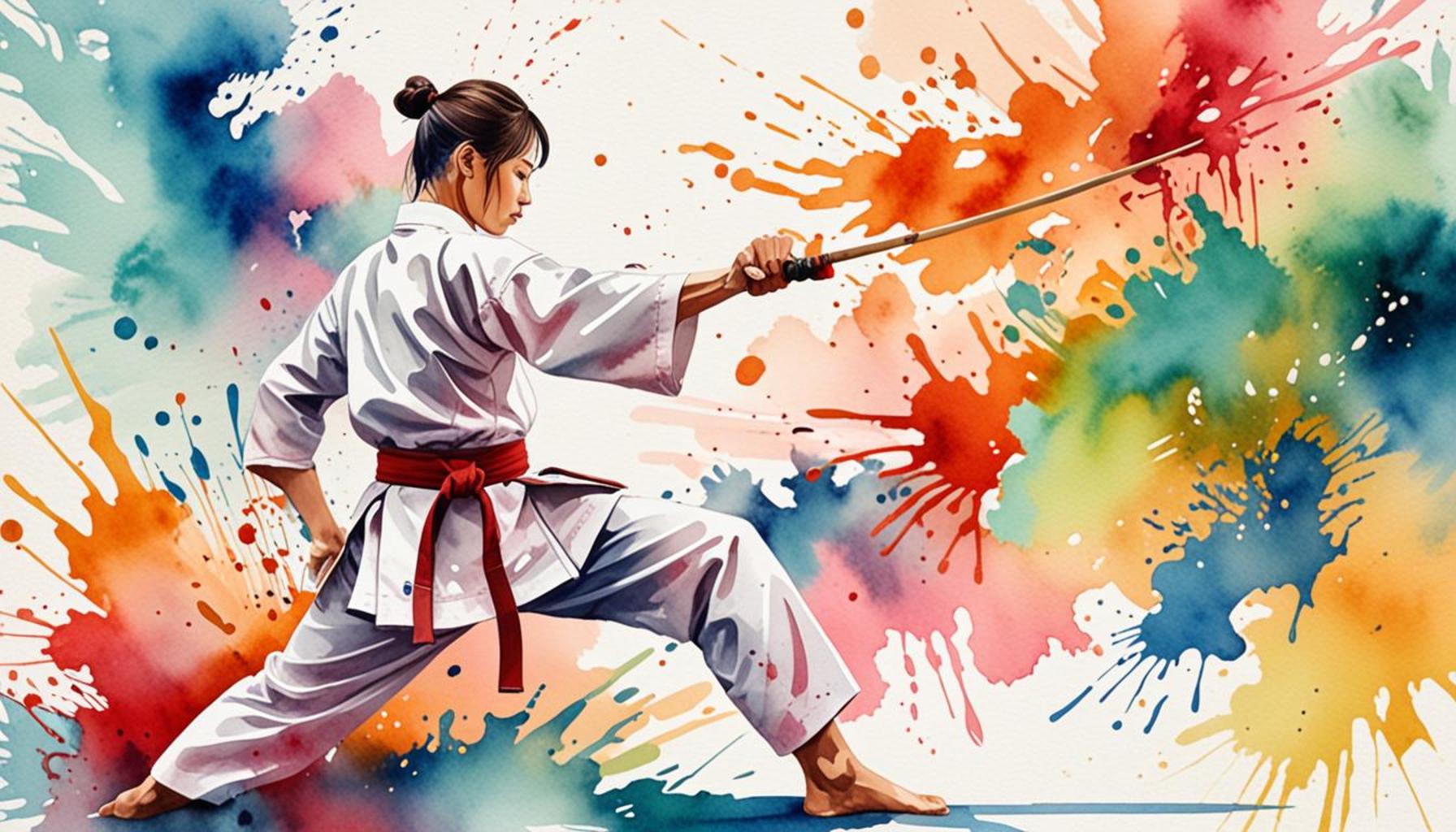
Understanding the Impact of Martial Arts on Personal Growth
Martial arts have captivated millions globally, not just as a method of self-defense but also as a transformative journey for personal development. Practitioners often discover that the physical and mental training involved extends beyond combat techniques. The profound influence of martial arts nurtures both discipline and creative expression, guiding individuals in various aspects of life. Through rigorous practice, individuals not only learn how to defend themselves but also develop resilience, confidence, and a sense of community.
Understanding how martial arts cultivates discipline requires examining key components. One of the most important aspects is the presence of structured training regimens. Many martial arts schools, such as Taekwondo and Brazilian Jiu-Jitsu, emphasize consistency by requiring students to attend classes regularly and practice techniques extensively. This repeated engagement helps to cultivate a strong work ethic that can translate into other areas of life, such as academics or career pursuits.
- Respect for traditions and mentors: Martial arts teach students to honor the traditions of their chosen discipline. This respect extends to instructors who guide them through their learning processes. For instance, the bond between a black belt and their students often fosters a mentor-mentee relationship that emphasizes accountability and growth.
- Focus on self-improvement and goal-setting: Many practitioners set personal benchmarks, like achieving a specific rank or completing a challenging skill. This inherent goal-setting and reflection encourages individuals to strive for continuous improvement, directly boosting their motivation in areas beyond martial arts.
In parallel, martial arts empower practitioners to unlock their creative expression through the artful nature of movement and versatility inherent in many styles. This creative side can manifest in various ways, especially through:
- Choreographed forms (katas): Many martial arts, including Karate and Kung Fu, include katas — pre-arranged sequences of movements. These forms allow practitioners to express their unique style while mastering techniques, blending tradition with personal flair.
- Freestyle sparring: Unlike rigid routines, freestyle sparring invites improvisation and adaptability as students face unpredictable opponents. This dynamic format challenges practitioners to think on their feet, fostering problem-solving abilities that are crucial in daily life.
- Artistic manifestations: The creative influence of martial arts extends into popular culture, with martial arts films often showcasing breathtaking choreography and unique storytelling. Artists like Bruce Lee and Jackie Chan not only popularized martial arts on screen but also inspired countless individuals to explore martial arts as a form of self-expression.
In the United States, the growing popularity of mixed martial arts (MMA) showcases the blend of traditional techniques with modern adaptations. MMA fighters draw from diverse backgrounds, incorporating techniques from disciplines such as Muay Thai, wrestling, and boxing. This evolution reflects a broader societal shift towards embracing diverse forms of expression, illustrating that martial arts can be a canvas for creativity. Through the lens of martial arts, both discipline and creativity intertwine, offering profound insights into the human experience. Practicing martial arts opens doors to lifelong learning, personal refinement, and the ability to channel one’s energy creatively, profoundly impacting practitioners’ lives beyond the dojo.
DISCOVER MORE: Click here to learn how crafts can boost your well-being
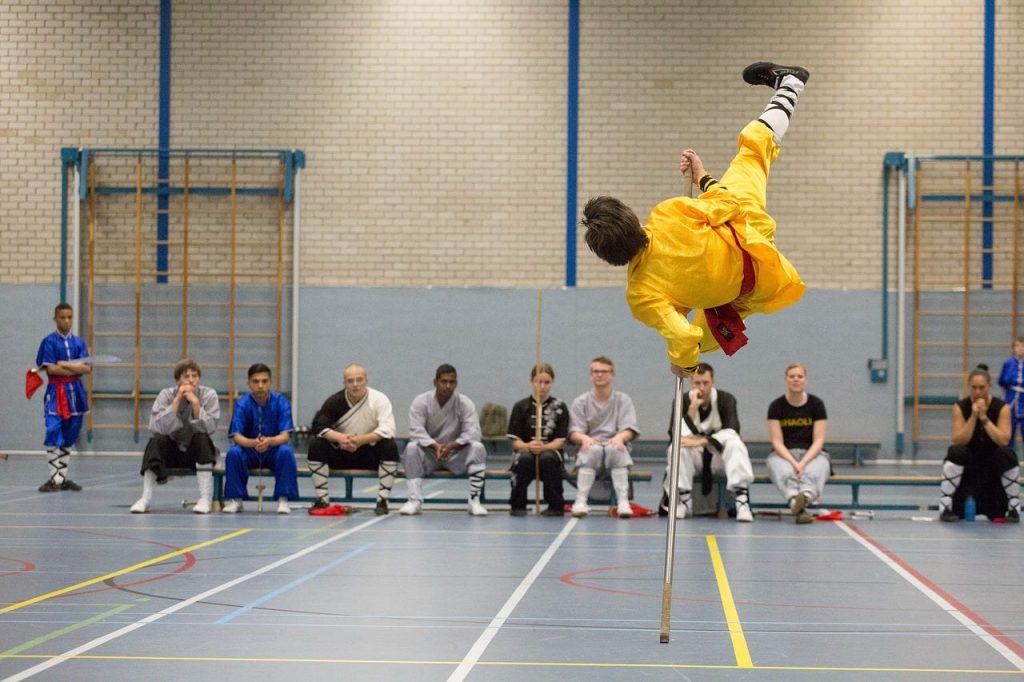
The Dual Role of Discipline in Martial Arts Practice
Discipline is the backbone of martial arts, intricately woven into the fabric of both training and practice. For many practitioners, the early stages of learning highlight an essential truth: mastery requires patience and relentless perseverance. The journey to becoming proficient in martial arts is often likened to climbing a mountain, where each new technique presents an opportunity for growth, reinforcing the need for a disciplined approach. This regimen not only enhances physical abilities but cultivates a focused mindset, essential for success in any endeavor.
One of the most pronounced features of martial arts training is the detailed attention to technique and form. In disciplines like Karate and Tai Chi, students spend hours perfecting their stances, strikes, and movements. This methodical training fosters a sense of responsibility and self-awareness, qualities that naturally extend beyond the dojo. Practitioners learn to respect their own limits, understand the importance of progress, and embrace the journey of continuous improvement. Such lessons are invaluable, laying the groundwork for strong work ethics in academic and professional environments.
- Accountability through structured routines: Many martial arts classes involve students adhering to rigid schedules, whether it’s attending training three times a week or committing to specific drills. This structured environment promotes an ethos of accountability, instilling a sense of obligation not only to instructors but also to fellow students.
- Emphasis on mental resilience: The challenges faced during martial arts training – whether physical fatigue or technical difficulties – push practitioners to develop mental toughness. Overcoming these challenges provides a sense of accomplishment that reinforces discipline, ultimately equipping individuals with coping strategies for life’s inevitable hurdles.
- Connection to a broader community: The camaraderie fostered in martial arts schools creates an enriching environment where members hold each other accountable. This bonding encourages a sense of loyalty and responsibility, further embedding discipline into practitioners’ lives. As students become part of a community, they realize that their progress also contributes to the overall well-being of others, enhancing their commitment.
Creative Expression Through Artistry and Technique
While discipline is a cornerstone of martial arts, the artistry embedded within its physicality is equally significant, allowing practitioners to channel their creativity. The vibrant expressions of martial arts manifest through various forms and techniques that celebrate individuality and personal style. Rather than conforming strictly to methodical routines, many practitioners engage with martial arts as an art form, fortifying their distinctive identity.
For example, in traditional forms like Capoeira and Kung Fu, fluid motion and intricate choreography showcase how creativity flourishes within structured practices. As practitioners engage in katas or pre-arranged forms, they explore their own interpretations and infuse personal elements. This process not only serves to master techniques but also to express one’s unique character through movement.
Additionally, the concept of freestyle sparring emerges as an avenue for creative expression. Unlike the rigidity of rehearsed movements, sparring introduces unpredictability and spontaneity, urging students to respond instinctively. Thus, martial artists develop a problem-solving mindset that enhances their capacity to adapt creatively to unforeseen challenges, both on and off the mat.
Clearly, martial arts is a multifaceted practice that enhances both discipline and creative expression, inspiring practitioners to embark on a journey of self-discovery. As individuals connect with these dual aspects, they not only learn the intricacies of self-defense but also cultivate valuable life skills, ultimately enriching their personal and communal lives. As the tradition of martial arts evolves, it continues to affirm its relevance in contemporary society — truly a testament to the enduring power of discipline and creativity.
| Advantage | Description |
|---|---|
| Enhanced Focus | Martial arts training demands high levels of concentration, leading to improved mental focus in various life aspects. |
| Creative Expression | Practitioners often find unique ways to express themselves through fluid movements and choreographed routines. |
| Discipline | Regular practice instills a sense of discipline, encouraging commitment and persistence. |
| Stress Relief | Engaging in martial arts can alleviate stress, providing both physical and mental relaxation. |
Martial arts cultivate a unique blend of focus and creativity, empowering practitioners to channel their emotions and thoughts into their physical expressions. This discipline nurtures an environment where both mental clarity and creative fluidity coexist, offering a canvas for artistic moves that reflect the individual’s personality. Greater discipline results from structured training regimens, translating to enhanced productivity and goal-oriented behaviors both inside and outside the dojo.The mental fortitude developed in martial arts practices not only combats stress but also fosters an enriching atmosphere that nurtures personal growth. This ongoing journey of self-improvement, enriched by artistic endeavors, invites practitioners to delve deeper into their potential, illuminating the path to mastery in both martial forms and life’s challenges.
DISCOVER MORE: Click here to dive deeper
Transformative Impact on Personal Growth and Interpersonal Skills
Beyond technical prowess and artistic expression, martial arts significantly shapes the personal growth of practitioners, directly influencing their interpersonal skills and relationships. A prominent feature of martial arts training is the cultivation of respect and humility, which are essential virtues in both combat and collaboration. These values extend beyond the dojo, facilitating healthier interactions within families, workplaces, and communities.
One of the initial lessons taught in martial arts is to respect one’s instructors, peers, and even opponents. This ingrained respect fosters a culture of humility, encouraging students to acknowledge their weaknesses while appreciating the strengths of others. Consequently, practitioners develop a heightened emotional intelligence, mastering the ability to empathize with others. This skill becomes particularly important as they navigate the complexities of human interactions outside training environments. Studies have shown that individuals with high emotional intelligence tend to foster stronger relationships and build effective teamwork, qualities that are increasingly valued in today’s fast-paced work environments.
- Conflict resolution skills: Throughout their training, martial artists learn to face challenges in a controlled environment. This experience translates into improved conflict resolution skills. Rather than resorting to aggression, practitioners are trained to approach situations with composure and critical thinking, making them effective mediators in personal and professional disputes.
- Enhanced communication: In martial arts, clear communication is essential for conveying techniques and safety protocols. Through partner drills and team exercises, practitioners learn to articulate their thoughts and needs. This enhanced communication ability not only benefits their martial arts practice but also enriches their personal and professional relationships.
- Leadership and teaching opportunities: As students advance in their martial arts journey, opportunities to mentor younger practitioners arise. Taking on a leadership role cultivates confidence and responsibility, as they must effectively convey their knowledge while inspiring others. This dynamic allows practitioners to grow as individuals while positively impacting the community around them.
Martial Arts as a Means of Self-Discovery
The journey within martial arts presents a profound opportunity for self-discovery and personal evolution. Many practitioners find that as they delve deeper into their training, they uncover facets of their character and creativity previously hidden from view. This quest for self-awareness is fueled by the blend of discipline and creative expression that martial arts promotes, allowing individuals to explore who they are at their core.
Practitioners often experiment with various styles, finding those that resonate most with their personalities. For instance, a person with a strong analytical mind may gravitate towards Brazilian Jiu-Jitsu, which emphasizes technique and strategy, while someone with a dynamic spirit may favor the striking arts of Muay Thai or Taekwondo. Such personal exploration fosters a sense of identity, encouraging participants to embrace their unique talents while acknowledging areas for growth.
Additionally, participating in competitions can spark a profound transformation. The rigors of training paired with the adrenaline of competition lead to self-reflection and a re-evaluation of personal goals. Success and failure in this context teach valuable lessons about resilience and self-discipline. Ultimately, this self-discovery journey empowers practitioners to make informed choices that enhance their lives outside martial arts, echoing throughout their broader existence.
In essence, the comprehensive influence of martial arts extends far beyond physical techniques, cultivating discipline, creative expression, and personal growth. As individuals journey deeper into their practice, they glean insights and skills that serve not only their martial arts pursuits but also enrich their everyday lives, further establishing the profound relevance of martial arts in shaping well-rounded individuals in modern society.
DIVE DEEPER: Click here to discover creative projects
Conclusion: The Multifaceted Influence of Martial Arts
In summary, the profound influence of martial arts on the discipline and creative expression of practitioners is undeniable. As we have explored, martial arts serve not only as a physical endeavor but also as a transformative journey that cultivates essential life skills. The disciplinary framework established through rigorous training instills a sense of focus and perseverance, essential traits that extend into all aspects of modern life, including education and career pursuits.
Moreover, the creative expressions found within various styles encourage an exploration of self and authenticity. Practitioners often find unique ways to blend technique with individual expression, discovering new facets of their personality along the way. This fusion opens pathways for creativity that may have remained dormant in other contexts. The multidimensionality of martial arts training empowers individuals to engage with their world more fully, equipping them with the tools necessary for navigating personal challenges and fostering deeper connections with others.
As martial artists engage in a community built on respect and collaboration, they develop important interpersonal skills that enhance their relationships both inside and outside the dojo. The lessons learned—about humility, empathy, and effective communication—are foundational to creating a more harmonious society. As more individuals turn to martial arts for personal growth, the ripple effect can generate meaningful change within communities throughout the United States and beyond.
Ultimately, martial arts transcend mere physicality, revealing a rich tapestry of personal development and creative expression that resonates in everyday life. For anyone seeking a balanced approach to self-improvement, the journey through martial arts offers a unique gateway to discovering one’s fullest potential.