The intersection between art and technology: how digital tools are transforming artistic practices

The Impact of Digital Tools on Artistic Expression
In an era characterized by rapid technological advances, the world of art is undergoing an extraordinary transformation. With tools and platforms that enable novel creative processes, artists are not only redefining their craft but also how audiences engage with their work. The integration of digital tools into artistic practices has given rise to diverse and innovative expressions, merging the realms of traditional art forms with modern technology.
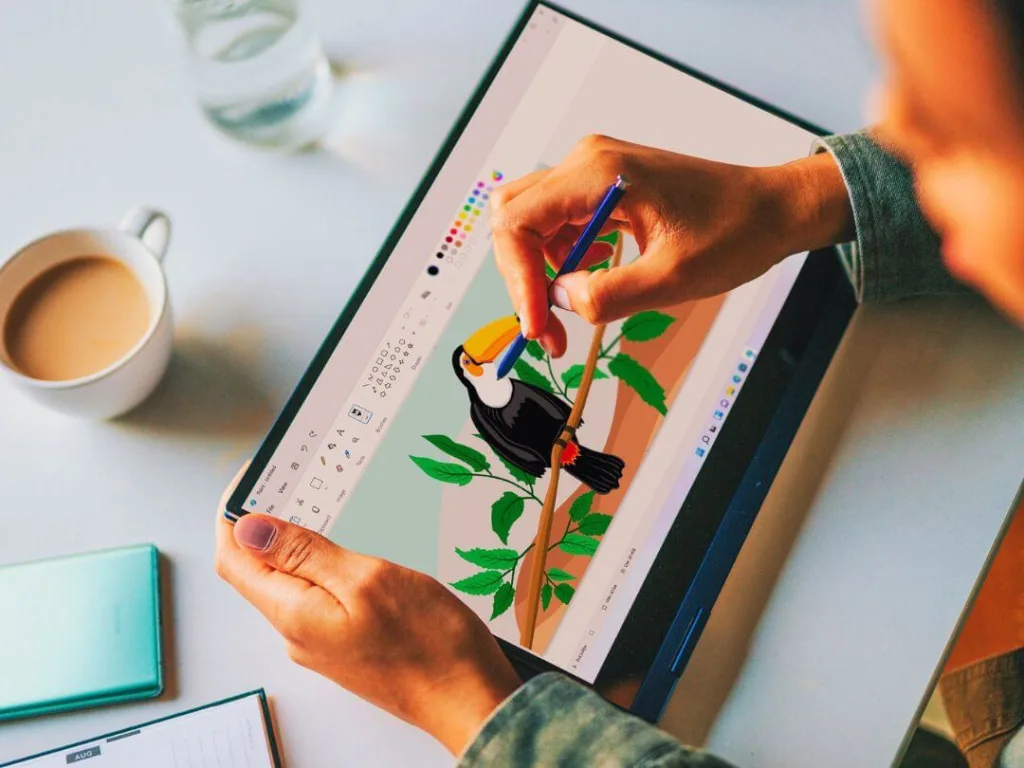
Consider the exciting realm of digital painting. Artists are leveraging sophisticated software such as Adobe Photoshop and Procreate to craft visually striking images that can rival traditional painted works. Digital artists like Beeple have gained notoriety for their intricate and detailed works that utilize layers and digital brushes, showcasing how pixels can create emotive and profound pieces of art. The ability to experiment freely—undoing errors and reworking compositions—fosters an environment ripe for creativity, allowing for greater exploration than ever before.
On the other hand, the advent of 3D printing has radically altered the landscape for sculptors. Artists can now design complex forms digitally, which can be rendered into three-dimensional objects through 3D printers. This technology not only enhances the capabilities of traditional sculptors but also enables artists like Joshua Harker to push boundaries, creating intricate pieces that may have been impossible to produce by hand. The process expands the creative potential, allowing for intricate customization and rapid prototyping.
The field of virtual reality (VR) illustrates yet another exciting dimension of this transformation. VR environments enable viewers to engage with art in immersive ways, encouraging interaction that traditional gallery settings cannot offer. Projects like “Tilt Brush,” developed by Google, allow users to paint in a three-dimensional space, crafting environments that can be explored interactively. Such experiences invite audiences to become part of the narrative, blurring the lines between creator and observer.
As we explore the intersection of technology and artistic practices, it becomes evident that the benefits extend beyond merely enhancing creativity. These digital tools democratize access to art-making, welcoming budding artists who may not have access to traditional materials or training. Moreover, the collaborative spirit fostered by digital platforms propels multidisciplinary teams to merge technology with creative endeavors, resulting in works that resonate with broader cultural conversations.
This transformation is just the tip of the iceberg. As technology continues to evolve—whether through augmented reality, artificial intelligence, or new software innovations—the possibilities for artistic expression grow exponentially. From innovative exhibitions that incorporate audience participation to unique platforms for sharing and selling art, the future promises a vibrant, inclusive, and continuously evolving artistic landscape. Join us as we embark on an exploration of these exciting developments, revealing how they challenge our perceptions of art and invite a wider audience to engage in the artistic dialogue.
DISCOVER MORE: Click here to dive deeper into the self-care benefits of music
Redefining Creative Boundaries through Digital Innovation
As the artistic landscape continues to evolve, the infusion of digital tools offers unprecedented avenues for expression and innovation. Artists are no longer confined to traditional mediums; instead, they are embracing an array of technologies that equip them with enhanced capabilities to convey their visions. This phenomenon is particularly noticeable in the fields of graphic design, interactive art, and multimedia installations, each benefiting immensely from advancements in software and hardware.
One striking example is the realm of graphic design, where programs like Adobe Illustrator and Sketch enable designers to manipulate shapes, colors, and typography with a level of precision that is hard to achieve with physical materials. This has led to the creation of works that are not only visually stunning but also highly adaptable. Digital platforms allow for easy incorporation of feedback and multiple revisions, which is a significant advantage over traditional practices. Consequently, graphic designers are not only artists, but also strategists, as they navigate the complexities of branding and visual communication in the digital age.
Moreover, interactive art represents a paradigm shift in how audiences experience and engage with art. Through the integration of sensors, projections, and motion capture technology, artists like Rafael Lozano-Hemmer create immersive installations that respond to the presence and actions of viewers. This interactivity not only enhances the aesthetic experience but also transforms the viewer into an active participant in the artistic narrative. It invites a dialogue that transcends the passive consumption of art, inviting the audience to become integral to the work itself.
The flexibility that these digital tools provide allows artists to explore various modalities of expression, leading to the emergence of new artistic forms. For instance, the use of multimedia installations that combine video, sound, and traditional artwork is becoming increasingly popular. By layering diverse media, artists can create rich, multi-sensory experiences that engage viewers on multiple levels. This integration also opens the door to collaborations across disciplines, culminating in unique pieces that reflect a blend of visual art, performance, and technology.
Here are some key aspects of how digital tools are shifting artistic practices:
- Accessibility: Digital tools lower barriers to entry, providing artists of all backgrounds with resources to create.
- Collaboration: Artists can work together across distances, utilizing platforms like Discord and collaborative software to merge ideas and techniques.
- Public Engagement: Digital art can reach wider audiences through online exhibitions and social media, fostering greater interaction.
- Innovation: New technologies such as artificial intelligence are allowing for unique art creation processes, prompting discussions around authorship and creativity.
As we delve deeper into this exciting intersection, we begin to understand how the fusion of art and technology is catalyzing a new renaissance of creativity. This transformation has implications not just for artists but also for audiences, society, and the future of artistic expression itself. It challenges us to reconsider our preconceptions of what art is and can be in an increasingly interconnected world.
The Intersection Between Art and Technology
As we delve deeper into the transformation of artistic practices through digital tools, it’s essential to recognize how technology has not only enhanced the *creative process* but has also redefined the accessibility of art. The integration of technology in artistic expression opens up new avenues for artists to reach diverse audiences while also inviting greater participation in the art-making process.One of the most profound changes is the emergence of digital art, which encompasses a spectrum of practices ranging from graphic design to 3D modeling. Artists now employ software to create intricate designs that were once unimaginable, enabling them to push the boundaries of traditional art forms. Furthermore, tools such as virtual reality (VR) are offering immersive experiences that allow viewers to step into and interact with the artwork in unprecedented ways. This fusion of art and technology expands the *horizons of creativity* and evokes emotional responses that traditional media might not achieve.Moreover, the rise of social media and online platforms has transformed how art is shared and consumed. Artists can showcase their work on a global scale, gaining instant feedback and a sense of community. This democratization of art fosters inclusivity, as it encourages *collaboration* across geographical barriers. Emerging technologies like augmented reality (AR) also enable audiences to engage with art in interactive environments, further bridging the gap between the creator and the viewer.In addition, the implementation of artificial intelligence (AI) in art creation raises significant questions about authorship and originality. AI algorithms can analyze vast amounts of data, generating works that reflect various artistic styles and genres. This trend prompts us to reconsider the very essence of creativity—can machines genuinely create art, or are they merely tools that assist human artists in their pursuits?As we navigate this evolving landscape, it becomes clear that the intersection of art and technology is not just a trend; it is a profound transformation that challenges traditional paradigms. Artists and technologists are collaborating in ways that redefine artistic practices, ultimately enriching the cultural fabric of society.
| Category | Details |
|---|---|
| Digital Art | Utilizes software for creating innovative designs, expanding creative boundaries. |
| Accessibility | Online platforms democratize art, enabling global sharing and participation. |
| Artificial Intelligence | Challenges authorship, leading to discussions on creativity and originality. |
The rapid evolution of digital tools continues to shape what artistry means in the modern world, not only enhancing the creative process but also challenging our perceptions in unprecedented ways. The conversations surrounding these transformations are just beginning, inviting further exploration into how art and technology will converge in the future.
DIVE DEEPER: Click here to discover the art of fusion cuisine
The Rise of Virtual and Augmented Reality in Art
In recent years, virtual reality (VR) and augmented reality (AR) have emerged as groundbreaking technologies that are reshaping the artistic experience. This digital renaissance allows artists to not only create but also to transport their audiences into entirely new environments, blurring the lines between the real and imagined. By crafting immersive experiences, artists can evoke emotional responses and intellectual engagements that traditional art forms may struggle to reach.
For instance, artists like strong<Olafur Eliassonstrong< have embraced VR to create environments that challenge perceptions of reality. Eliasson’s “Rays of Light” installation takes viewers into a virtual landscape filled with shifting light beams, prompting introspection about nature and perception. Such experiences provide audiences a way to experience art beyond the confines of a gallery, transforming them into participants in a living artwork. The technology used here not only enhances the scope of creativity but also redefines the relationship between the artwork and the viewer.
While VR fully immerses users in computer-generated environments, AR overlays digital information onto the real world. Artists utilizing AR can create pieces that interact with their physical surroundings, a fascinating example being the work of artist strong<Mario Klingemannstrong<. His AR project, "Neural Glitch," merges real-world settings with dynamic, computer-generated components that react and evolve based on the environment and participant interaction. This intertwining of digital and physical spaces fosters a sense of discovery and engagement as users navigate the art in their everyday lives.
The impact of technology extends beyond just immersion. Artists are also harnessing the power of data visualization to express complex ideas in visually compelling ways. As society grapples with data overload, artists are stepping in to interpret this information, translating statistics and trends into engaging visual narratives. This genre, often referred to as data art, speaks to the thematic relevance of art in reflecting societal changes brought about by technology. Artists like strongKatherine O’Neillstrong< utilize intricate algorithms to turn raw data into stunning visuals, showcasing not just the numbers but also the stories behind them.
Digital tools have also expanded the means of artistic creation through digital sculptures and 3D printing. Artists are now able to design elaborate three-dimensional structures using software, which can then be realized through 3D printers, pushing the boundaries of traditional sculpture. This technological convergence enables the production of complex designs that would be impractical or impossible to create by hand. Pioneers like strong<Joshua Hellerstrong< have utilized 3D printing to construct delicate, intricate forms that challenge conventional ideas of permanence and artistry.
In addition to the artistic transformations brought on by these tools, the marketing and distribution of digital art is another crucial aspect of this evolution. Artists can leverage online platforms such as social media and dedicated art marketplaces, broadening their reach to collectors and enthusiasts worldwide. This democratization of art allows for new business models, including NFTs (non-fungible tokens), which have garnered significant attention for the unique way they authenticate and trade digital art. The implications of this are profound, opening up discussions about ownership, copyright, and the future valuation of art in a digital-first world.
As we continue to witness fascinating developments at the intersection of art and technology, it is evident that digital tools are not merely enhancing artistic practices but are fundamentally reshaping the cultural landscape, inviting artists and audiences alike to explore new realms of creativity and expression.
EXPLORE MORE: Click here to dive into the world of musical diversity</
Final Thoughts: The New Frontier of Artistic Expression
As we navigate the evolving landscape of creativity, it becomes increasingly clear that the intersection between art and technology is not just a passing trend but a transformative movement that is redefining how artistic practices are conceived and experienced. With the rise of virtual reality and augmented reality, artists are crafting immersive worlds that engage viewers in unprecedented ways, merging the boundaries of reality and imagination. This level of interaction not only enhances the viewer’s experience but also compels artists to rethink their role in a society increasingly influenced by digital technology.
Moreover, data visualization and 3D printing have introduced new dimensions to artistry, allowing for the creation of complex forms and narratives that reflect our data-driven world. Artists are stepping into the role of communicators and interpreters, illustrating the complex stories hidden within statistics and data. As we move forward, the availability of digital platforms empowers artists to reach global audiences, creating a more democratic art landscape that is both accessible and diverse.
In conclusion, the impact of technological advancements on art is profound, challenging our perceptions and expectations of what art is or can be. As we continue to explore these digital tools, we open ourselves to boundless opportunities for innovation and expression. For both creators and audiences, this is a call to embrace the convergence of art and technology—an invitation to engage with the future of creativity, one that promises to be as dynamic and multifaceted as the world we live in.