Exploring Different Forms of Artistic Expression: From Drawing to Sculpture

The Rich Tapestry of Artistic Mediums
Throughout history, art has served as a powerful vehicle for human expression, allowing individuals to communicate complex emotions, ideas, and stories without uttering a single word. The diverse range of artistic forms provides endless opportunities for exploration and personal interpretation. Engaging with these various mediums enhances our understanding and appreciation of art and the talented individuals behind the works.
Among the most popular forms of artistic expression are:
- Drawing: Recognized as perhaps the most fundamental of the visual arts, drawing is often the first step for many artists. It enables them to sketch ideas or compose detailed scenes with remarkable precision. Techniques such as shading or cross-hatching can create depth and texture, allowing for dynamic representations of subjects. From the iconic doodles in a classroom to masterful sketches by Leonardo da Vinci, drawing is both a practice and a powerful means of visual storytelling.
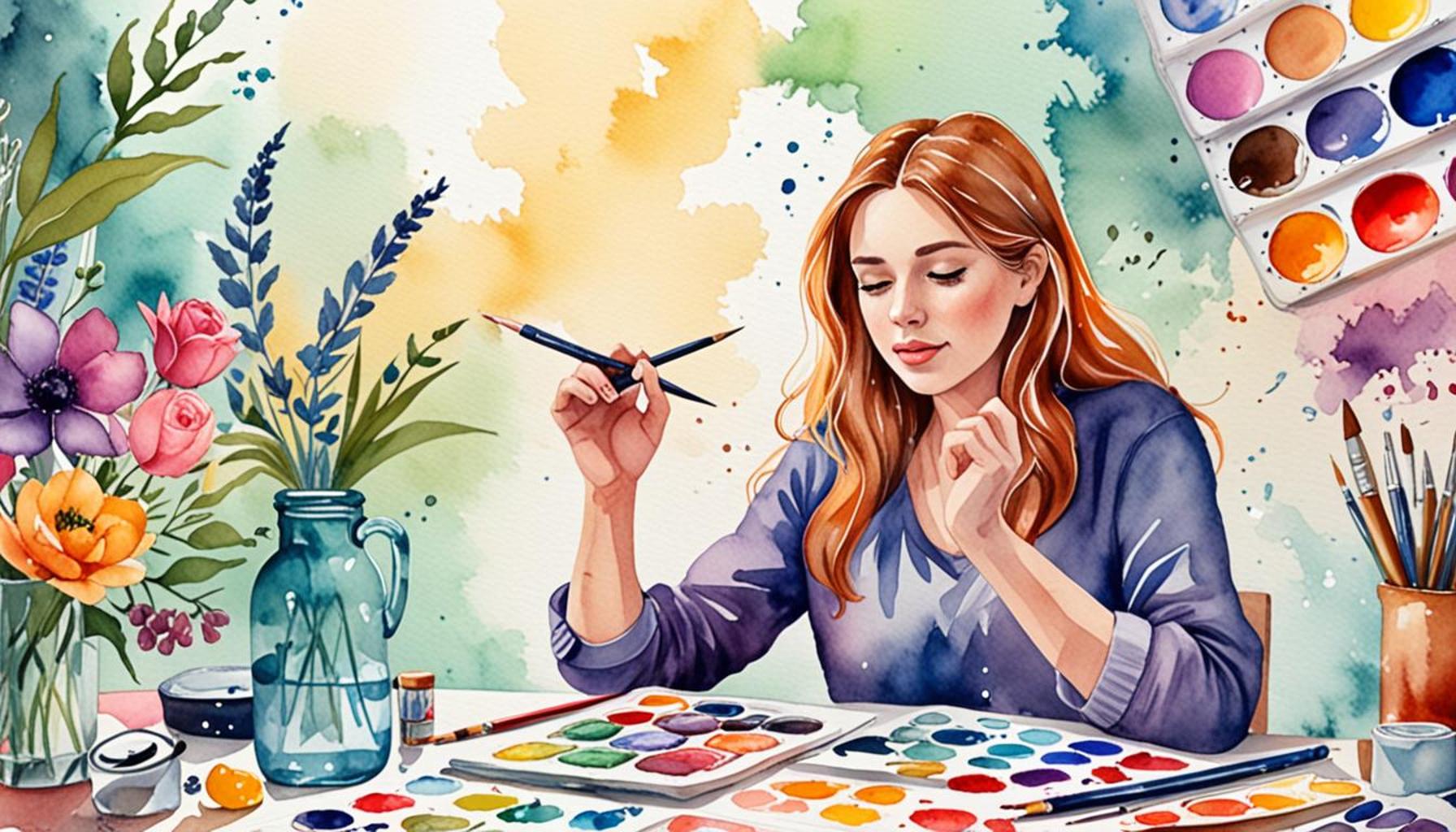
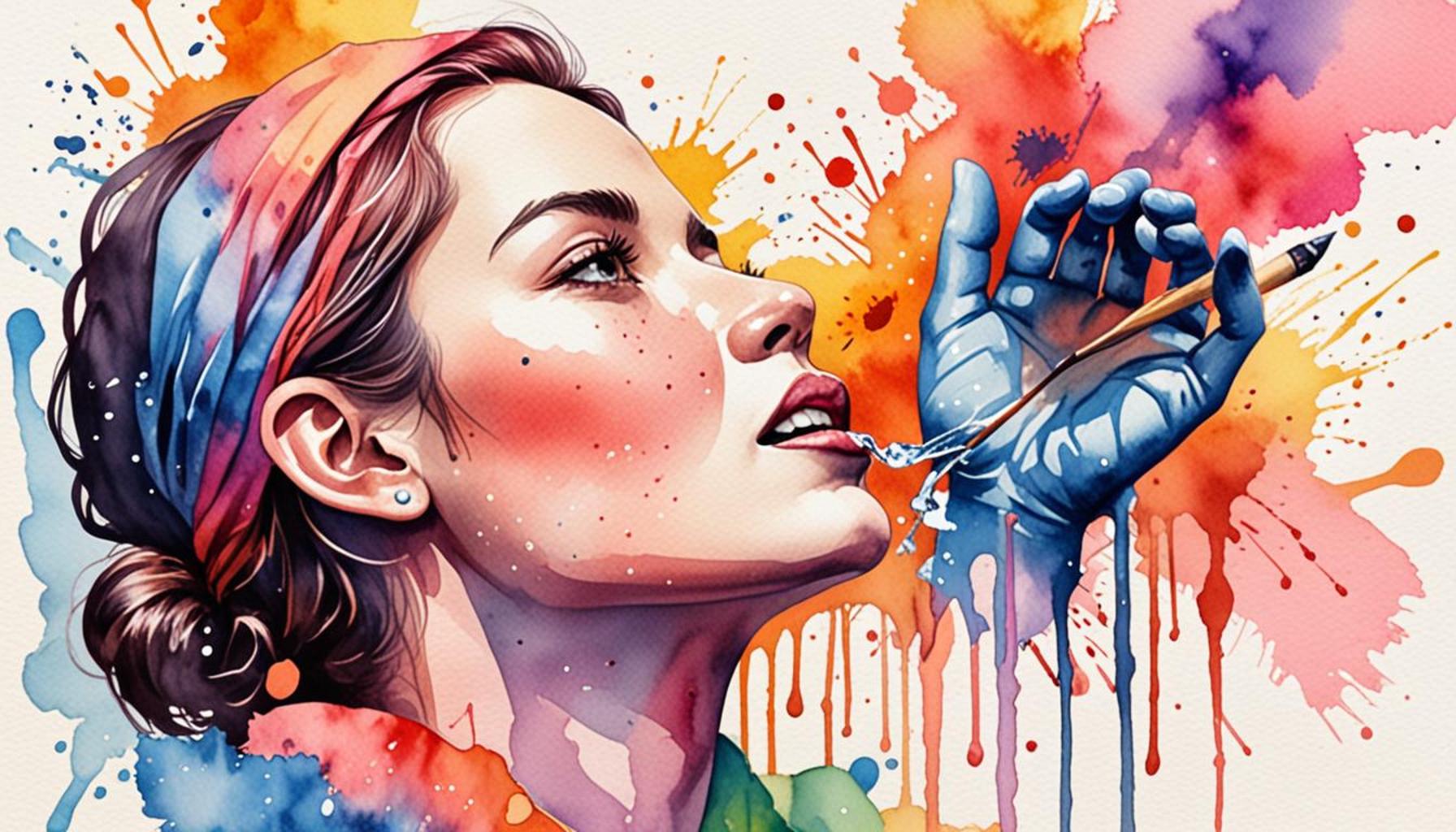
- Painting: This category encompasses a range of methods, from traditional oil paintings that offer rich, vivid hues to the fluidity of watercolors that can evoke a sense of tranquility. Painting allows artists to express their innermost desires and emotions. Renowned examples include Van Gogh’s swirling landscapes and Georgia O’Keeffe’s stunning flowers, each revealing personal narratives unique to the artist. The use of colors can portray everything from joy and serenity to chaos and angst.
- Sculpture: With a tactile quality that invites touch, sculpture transcends the two-dimensional confines of drawing and painting. Artists like Michelangelo and modern sculptors such as Anish Kapoor utilize materials like marble, metal, and clay to create pieces that can evoke profound emotional responses. These three-dimensional forms encourage viewers to engage with the work from multiple angles, provoking thought and challenging their perception.
- Photography: In a world saturated with visual imagery, photography stands out by capturing fleeting moments and freezing them in time. This medium merges technical proficiency with an artistic eye, with photographers like Ansel Adams highlighting nature’s grandeur and street photographers such as Henri Cartier-Bresson documenting the human experience. Through photography, artists communicate stories that can resonate with viewers across cultural and geographic boundaries.
- Digital Art: As technology advances, digital art emerges as a forefront medium, reimagining conventional artistic processes. Utilizing software and digital tools, artists can create intricate landscapes or character designs, often blurring the lines between reality and fantasy. This form provides broad access to budding creators who can share their work on global platforms. Emerging artists like Beeple, known for his NFT art, exemplify how digital platforms can challenge traditional conventions and open new avenues for artistic expression.
At its core, each type of artistic expression strives to communicate and stir emotions within its audience. By delving further into these mediums, one can discover fascinating histories, various techniques, and their societal influence over time. Whether it is through the vibrant strokes of a paintbrush or the click of a camera shutter, the journey through art reveals cultural and emotional narratives that profoundly shape our understanding of the world.
DISCOVER MORE: Click here to learn about the power of musical improvisation
Unraveling the Art of Drawing
As the gateway to creativity, drawing holds a special place in the world of artistic expression. It is a medium that transcends age and skill level, allowing individuals to communicate visually through simple lines and shapes. While drawing may seem straightforward, the depth and versatility it offers are boundless. From the classic pencil on paper to digital illustrations, drawing techniques are diverse, enabling artists to convey emotion and ideation in numerous ways.
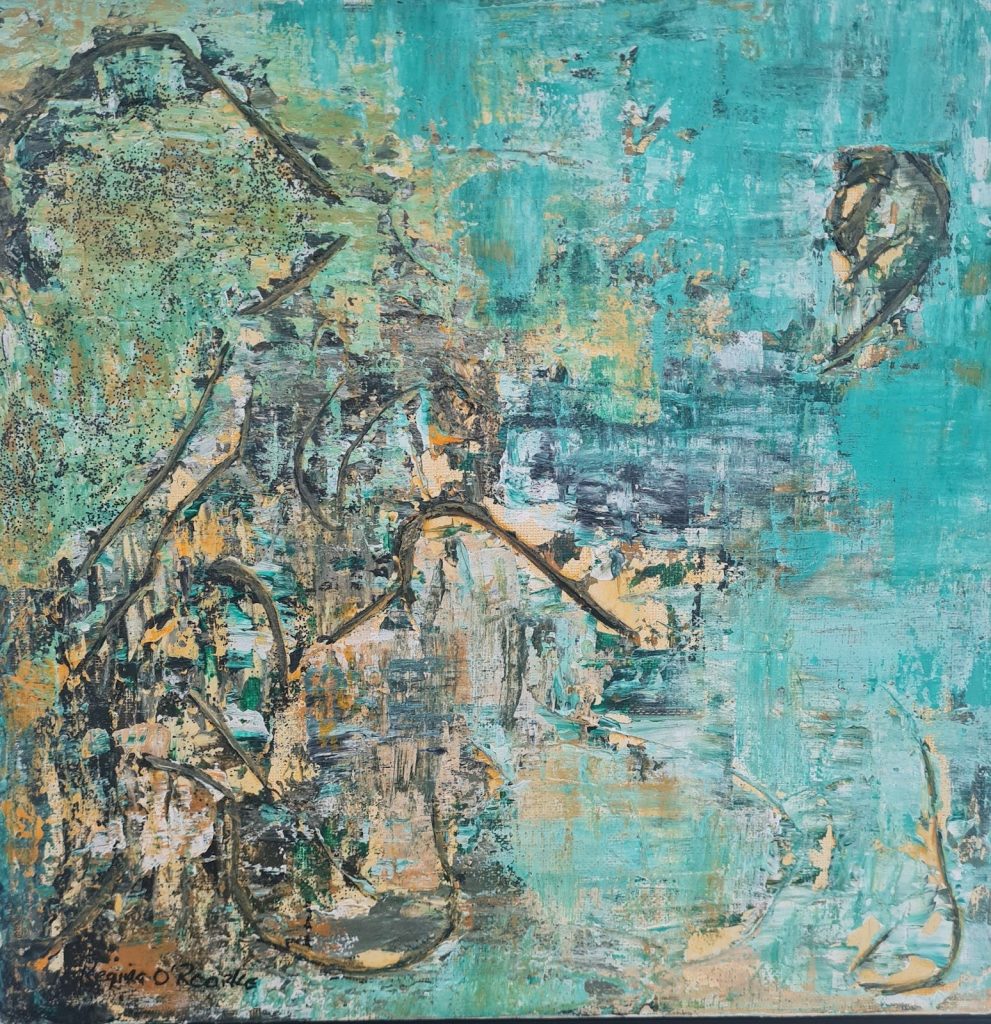
In its various forms—sketching, illustration, and technical drawing—artists can explore the intricacies of their subjects. Master draftsmen like Albrecht Dürer have elevated drawing to an art form that combines precision and creativity through techniques such as chiaroscuro, which plays with light and shadow to give depth to images. Other celebrated artists, such as Pablo Picasso, utilized drawing as a means to deconstruct forms and create cubist interpretations, merging abstraction with reality.
The Evolution of Painting
Painting is another vital artistic medium that allows for profound emotional expression. Whether through the gentle strokes of watercolor or the bold, thick application of oil paint, each texture and color blends to create a canvas rich with narrative. This form dates back to prehistoric cave paintings, showcasing humanity’s innate desire to convey stories on surfaces. The evolution of painting styles—from Impressionism to Abstract Expressionism—illustrates how artists engage with the world around them.
Renowned painters like Frida Kahlo and Jackson Pollock used this medium not only to express personal experiences but also to comment on societal issues. Kahlo’s self-portraits vividly reveal her struggles with identity and pain, while Pollock’s drip paintings signify a break from tradition, allowing emotion to take the forefront through spontaneous action. Each brushstroke and blend of color tells a story, inviting viewers to interpret the underlying message.
The Multifaceted World of Sculpture
Sculpture, with its three-dimensionality, adds yet another layer to artistic expression. Unlike drawing and painting, sculpture invites viewers to engage with the work physically and spatially. Artists like Henry Moore and Louise Bourgeois transform materials like stone, metal, and wood into expressive forms that often challenge perceptions and emotions. The tactile nature of sculpture encourages interaction, provoking contemplation and dialogue about space, form, and presence.
The realm of sculpture is vast, with techniques ranging from traditional carving to modern installations. Contemporary artists often incorporate found objects and mixed media, emphasizing the transformative power of artistic expression. The evolution from classical sculptures celebrating human form and mythological subjects to modern abstract works prompts deeper exploration into societal values and personal narratives, making sculpture an ever-evolving channel of creativity.
As each medium unfolds, the captivating interplay between artist, technique, and audience emphasizes the profound impact of artistic expression within society. Through drawing, painting, and sculpture, artists not only communicate their inner worlds but also reflect and shape the cultural landscape that surrounds us. Engaging with these forms leads to a richer understanding of both the artworks and ourselves.
Exploring Different Forms of Artistic Expression: From Drawing to Sculpture
Artistic expression manifests in numerous forms, each with its distinct techniques and emotional resonance. One of the oldest forms, drawing, serves as the foundation for many artists. It allows for a raw and immediate portrayal of thoughts, feelings, and observations, often using simple tools like pencils and charcoal. The beauty of drawing lies in its accessibility; anyone can pick up a pencil and translate their imagination onto paper. It’s an intimate practice that invites both technique and spontaneity, fostering creativity in artists of all skill levels.
On the other hand, sculpture introduces a sense of three-dimensionality that drawing cannot replicate. It engages the viewer’s spatial awareness and encourages interaction from various angles. Sculptors manipulate materials such as clay, metal, or stone, transforming them into tangible expressions of creativity. This form of art requires a keen understanding of physical properties and often incorporates the artist’s physicality into the work itself. The tactile nature of sculpture invites a different level of contemplation, challenging perceptions through volume and form.
| Category | Description |
|---|---|
| Drawing | A versatile medium for intuitive expression, using various tools to create interpretations on paper. |
| Sculpture | Three-dimensional representations that engage the viewer’s interaction through shape, space, and material. |
Both drawing and sculpture deepen our understanding of artistry, allowing individuals to communicate complex ideas non-verbally. Engaging in these art forms not only cultivates personal expression but also enriches cultural dialogue, permitting diverse narratives to surface. Exploring these avenues can spark curiosity and inspire a spectrum of artistic pursuits, from the amateur hobbyist to the seasoned creator.
DISCOVER MORE: Click here to dive into the world of fusion cuisine
Immersing in the World of Printmaking
Printmaking is an often-overlooked artistic expression that combines technical skill with creative ingenuity. This medium allows artists to produce multiple copies of a single artwork, making it accessible to a broader audience. Techniques like lithography, etching, and screen printing offer diverse avenues for creativity, each with its unique characteristics and potential for artistic exploration.
Historically, printmaking has been instrumental in disseminating ideas and narratives. Artists such as Gustave Doré utilized woodcuts to produce detailed illustrations that transformed literary works into visual art, thereby enhancing storytelling through imagery. In contemporary practice, printmaking remains relevant, with innovative artists experimenting with traditional techniques to explore themes of identity, culture, and modern life. For example, artist Yayoi Kusama employs printmaking to delve into her obsession with polka dots and infinity, creating works that challenge perceptions of reality.
The Dynamic Realm of Digital Art
With the advent of technology, digital art has emerged as a distinctive form of artistic expression, merging traditional techniques with modern tools. Software programs like Adobe Photoshop and Procreate have democratized the artistic process, allowing anyone with a computer or tablet to create engaging visual works. Digital artists can manipulate images in ways that were unimaginable in earlier times, enabling exploratory practices that include animation, digital painting, and even virtual reality.
Notable digital artists, such as Beeple, have gained significant recognition, particularly for their contributions to the world of non-fungible tokens (NFTs). By transforming digital images into collectible commodities, artists are redefining ownership and value within the art market. The intersection of technology and art continues to evolve, prompting discussions about originality, copyright, and the future of creativity in an increasingly digital landscape.
Exploring Installation Art
Installation art takes artistic expression off the canvas and into three-dimensional spaces, creating immersive experiences for viewers. This form emphasizes the relationship between the artwork and the environment it inhabits, inviting interaction and contemplation. Artists like Christo and Jeanne-Claude designed large-scale installations that transformed landscapes and urban spaces into extraordinary visual experiences, highlighting the temporary nature of art.
In the realm of contemporary experience, artists are increasingly exploring how installation can evoke specific emotions and thoughts. For instance, Ann Hamilton utilizes multisensory environments that combine sound, text, and fabric, encouraging participants to engage deeply with the themes of her work. Each installation becomes a unique dialogue, with viewers navigating not just the art, but also the space around them, thereby enriching the overall encounter.
Across these different mediums—drawing, painting, sculpture, printmaking, digital art, and installation—art continues to resonate with both personal and societal narratives. Each artistic expression acts as a mirror reflecting the complexities of human experiences, societal challenges, and the myriad ways in which we perceive the world. By exploring these forms of artistic expression, one can gain insight into not just the art itself, but also the emotional and cultural landscapes they inhabit.
DIVE DEEPER: Click here to enhance your plating skills
Conclusion: The Canvas of Creativity
In our journey through various artistic expressions, we have uncovered the intricate layers that define human creativity. From the simplicity of drawing to the fluid dynamism of sculpture, and the innovative realms of printmaking, digital art, and installation art, each medium serves as a powerful vehicle for storytelling and emotional exploration. These forms not only enable artists to convey their perspectives but also encourage audiences to reflect on their own experiences and societal narratives.
The rise of digital platforms has revolutionized art creation, democratizing it for aspiring artists across the United States and beyond. As technology continues to evolve, we witness a fascinating blend of traditional methods and contemporary tools allowing for limitless exploration. Artists who embrace this dynamic landscape are redefining the very notion of art itself, challenging conventional boundaries and prompting us to reconsider our understanding of value and ownership.
Moreover, as installation art invites us into immersive environments, we identify the interplay between space and perception, further enhancing our connection to storytelling through visual means. These artistic expressions are not mere decorations; they reflect the multifaceted nature of human experience, capturing cultural dialogues that transcend generations.
As we continue to explore different forms of artistic expression, one cannot help but be inspired to partake in this ever-evolving conversation. Whether through creating, viewing, or engaging with art in any capacity, we are reminded of the profound ability of art to foster connection, invoke thought, and provoke change. Thus, the exploration of these artistic forms is not merely an academic curiosity but a vital journey toward understanding and appreciating the diverse tapestry of life itself.