
How to integrate craft activities in educational environments to promote active learning
Promoting Engagement Through Craft Activities
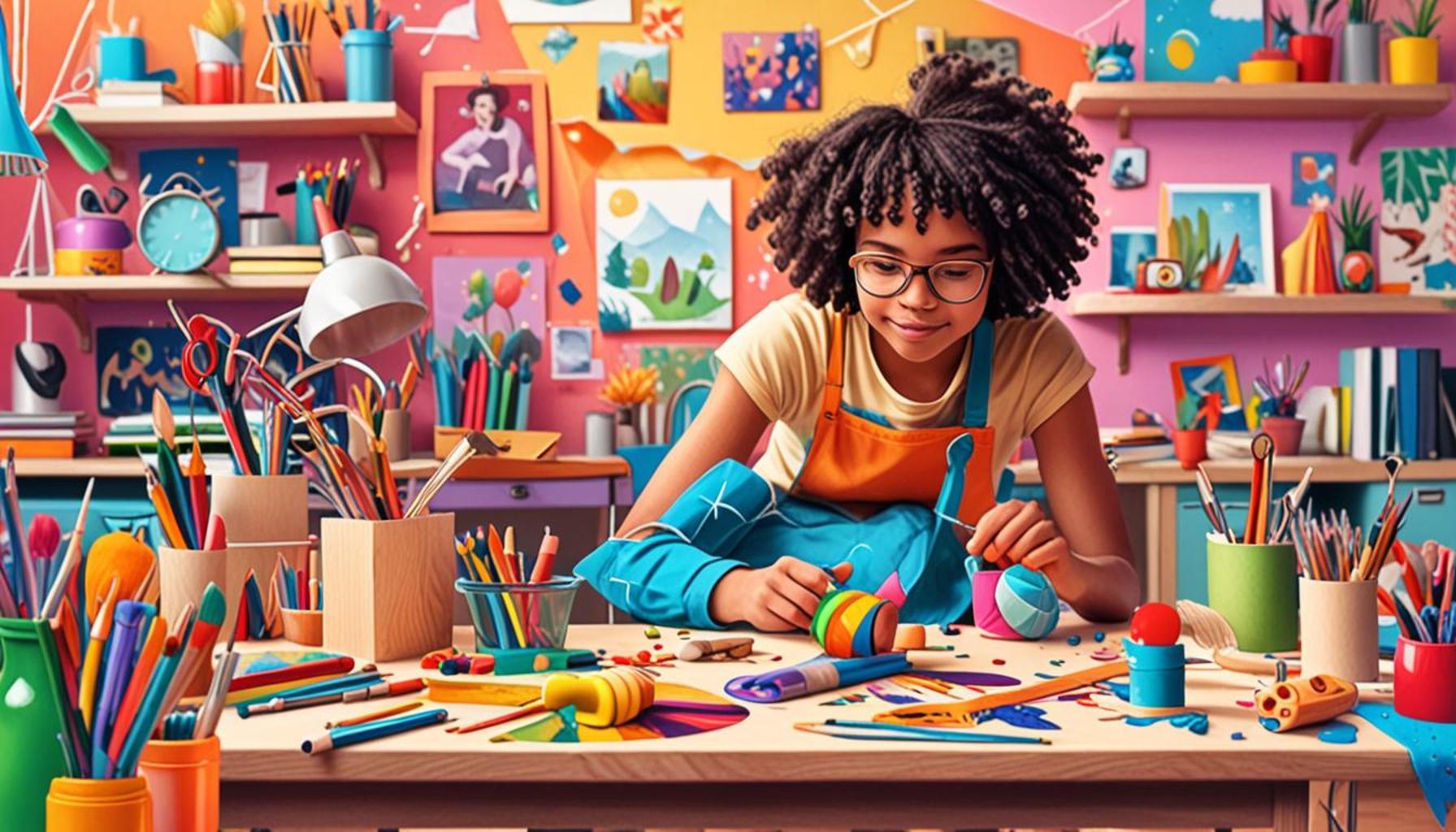
Craft activities offer a vibrant way to transform educational environments into spaces that encourage active learning. By integrating hands-on projects, educators can captivate students’ attention and stimulate their creativity. These practical experiences lead to a deeper understanding of concepts that traditional methods may overlook. For example, instead of solely reading about ecosystems in biology class, students might create dioramas representing different habitats, thus engaging multiple senses and enhancing retention of information.
Moreover, craft activities can address various learning styles and interests. Each student has unique preferences regarding how they absorb and process information, and craft projects can cater to these diverse needs. Key benefits include:
- Enhanced critical thinking: Crafting often involves problem-solving and decision-making, requiring students to think creatively. For instance, when building a simple machine in a physics lesson, students must apply their understanding of forces and movements, prompting inquiries about functionality and design.
- Improved motor skills: Physical engagement hones fine motor abilities, with activities like painting or sculpting requiring precision and coordination. These skills are essential not just in art but in everyday tasks and future career paths.
- Collaboration: Group projects foster teamwork and communication. Students learn to share resources, delegate tasks, and synthesize ideas—skills that are invaluable in both academic and social settings.
- Emotional expression: Art allows students to convey their feelings and ideas. This is particularly beneficial in a school setting, where students may struggle to articulate emotions verbally. Through art, they find a powerful outlet for self-expression and personal reflection.
Research indicates that students who engage in craft activities outperform their peers in standard assessments. A study from the Arts Education Partnership reveals that students involved in arts-rich environments exhibit greater academic performance and increased engagement in school activities. This approach can transform dull lessons into memorable experiences, ultimately igniting a passion for learning that can last a lifetime.
As educators look for innovative ways to encourage participation, integrating crafts into the curriculum presents a promising avenue. Exploring various craft techniques and their applications in subjects like science, math, and history not only enhances knowledge retention but also cultivates a lifelong love of learning. For example, students can construct geometric shapes in math through origami, bridging the gap between abstract concepts and tangible understanding.
Incorporating craft activities provides not just an outlet for creativity, but also equips students with essential skills that serve them throughout their educational journey and beyond. By nurturing these competencies in the classroom, educators set the foundation for a richer, more engaging learning experience that resonates well beyond school walls.

DIVE DEEPER: Click here to discover the beauty of poetry
Implementing Craft Activities: Strategies for Educators
To effectively integrate craft activities in educational environments, educators must consider several strategies that align with curriculum objectives while promoting active learning. Successful integration doesn’t just happen by adding a craft project to the lesson plan; it requires thoughtful planning, alignment with educational goals, and an inclusive approach that recognizes diverse student needs. Here are several key strategies that can pave the way for a seamless incorporation of craft activities into the classroom:
- Connect Crafts to Core Subjects: One of the most impactful methods for integrating crafts is to connect them explicitly to the subjects being taught. For example, when introducing historical events, students can create timelines using craft materials that represent each period’s significance visually. This hands-on approach can make history more relatable and easier to understand, helping students grasp the chronological relationships between events.
- Facilitate Cross-Disciplinary Learning: Craft activities can serve as a bridge between different subjects. For instance, students can explore environmental science by creating recycled art projects. Not only do these crafts encourage creativity, but they also raise awareness of ecological issues, prompting discussions about sustainability and responsibility.
- Encourage Individual Expressions: Ensure that craft activities allow students to personalize their projects. By having options in color, shape, and design, learners can express themselves uniquely. This fosters not only creativity but also enhances their investment in the learning process as they see their own ideas come to life.
- Utilize Technology: The integration of technology can further enrich craft activities. Digital tools, such as design software or even simple apps for crafting ideas, can help students plan projects before execution. Additionally, by incorporating online platforms, students can share their creations with peers and even collaborate on projects, fostering a sense of community.
- Create a Safe Space for Experimentation: Establishing a classroom environment that promotes trial and error is essential. Emphasize that mistakes are part of the learning process. When students feel comfortable trying new techniques or expressing unconventional ideas, they are more likely to engage deeply with their crafts and the underlying concepts being taught.
Teachers can also draw inspiration from successful case studies that showcase innovative craft integration. Schools across the United States have reported improved engagement and retention rates by implementing craft-based learning initiatives. For example, a program in New York City invited students to explore geometry through fabric art, where they created quilts while learning about angles and symmetry. The tactile nature of quilting made abstract mathematical concepts more tangible, resulting in remarkable student outcomes.
Integrating craft activities doesn’t just enhance students’ understanding of academic subjects; it cultivates a richer educational environment that values creativity and innovation. With each project, students develop skills that extend far beyond the classroom, preparing them for future challenges in both their personal and professional lives. As we explore more strategies and theoretical foundations, it becomes clear that crafting offers a multifaceted approach to active learning, where imagination and knowledge converge.
Integrating Craft Activities for Enhanced Engagement
Craft activities serve as an essential tool in enhancing active learning within educational environments. They provide a multi-faceted approach that not only promotes creativity but also encourages collaboration among students. Here, we explore how crafts can truly transform traditional learning.Crafting requires students to engage with materials in hands-on ways, thereby accommodating various learning styles. Visual learners benefit from seeing vibrant colors and textures, whereas kinesthetic learners thrive by manipulating objects. This tactile experience helps solidify abstract concepts into tangible understanding. For instance, creating models of historical landmarks can deepen comprehension of architectural history while sparking discussions on cultural significance.Additionally, incorporating crafts in lesson plans fosters teamwork and social skills. Students often work in groups to complete projects, allowing them to develop communication skills and learn to appreciate diverse perspectives. A group sewing project, for example, can lead to discussions about the history and culture of textiles, thereby enriching their overall educational experience.Moreover, these activities stimulate critical thinking and problem-solving skills. As students encounter challenges while executing their crafts, they are compelled to think creatively and adapt their strategies on the spot. Research indicates that engaging in such hands-on activities can enhance cognitive development and inspire innovation—key competencies in today’s world.By weaving craft activities into the educational tapestry, educators can create a rich, immersive learning experience that transcends traditional boundaries. Students are not just passive recipients of knowledge; they become active participants who explore, create, and collaborate. Emphasizing the importance of integrating craft activities could revolutionize educational methodologies, ultimately leading to more engaged and capable learners ready to tackle real-world challenges.
| Benefits of Craft Integration | Impact on Learning |
|---|---|
| Enhanced Creativity | Encourages innovative thinking by allowing students to express their ideas visually. |
| Improved Collaboration | Promotes teamwork through group activities, enabling students to learn from each other. |
As educators and stakeholders consider the role of crafts in curriculum development, the benefits outlined above serve as compelling reasons to embrace this enriching pedagogical strategy.
DISCOVER MORE: Click here to dive deeper
Fostering Collaboration and Community through Craft Activities
Beyond individual creativity, integrating craft activities in educational environments provides an excellent opportunity for fostering collaboration and community among students. As classrooms increasingly move toward a culture of cooperation and teamwork, craft projects can serve as a catalyst for building connections. Here are several strategies to encourage collaboration through craft activities:
- Group Projects: Structure craft projects that require teamwork, where students must collaborate to bring a shared vision to life. For instance, students can create a large mural that reflects themes from literature studied in class. Such projects not only nurture cooperation but also promote discussions about themes and ideas, allowing students to learn from each other’s interpretations.
- Peer-Led Workshops: Empower students to take the lead by organizing peer-led workshops where they can teach their peers specific crafting skills. This approach fosters a sense of community, as students learn from one another and build confidence in their abilities. By showcasing their unique talents, students also feel valued and understood within the educational setting.
- Community Involvement: Bringing in local artists or craftspeople can strengthen community ties while exposing students to real-world applications of their crafts. Workshops led by these individuals can provide students with fresh perspectives and expertise, enhancing their crafting knowledge. Such connections can also inspire students to consider the variety of career paths related to art and craft.
- Showcase Events: Organize craft fairs or showcases where students can present their work to the school community. Such events not only celebrate student achievements but also create a platform for dialogue and feedback. Peers, teachers, and family members can engage with the students’ projects, fostering a supportive and inclusive atmosphere.
- Feedback and Reflection: Encourage students to share their thoughts on group projects through structured discussions or reflection journals. This practice helps them articulate what they learned from their peers and consider how collaborative efforts can enhance creativity. It’s also a powerful way to reinforce the value of teamwork and collective brainstorming in the creative process.
Teachers can draw from a rich resource pool for ideas on how to successfully implement collaborative craft activities. For example, a study conducted by the University of Georgia found that when students engaged in group art projects, their problem-solving skills and interpersonal relationships improved significantly. These findings underscore how crafting collaboratively sharpens students’ ability to communicate effectively, an essential skill in both academic and future professional environments.
Additionally, the National Art Education Association emphasizes the role of art in social and emotional learning. By integrating craft activities that require teamwork and collaboration, educators are not only enhancing students’ artistic abilities but also supporting their emotional development. Students learn valuable life lessons such as empathy, respect for different perspectives, and the importance of listening, all of which contribute to a well-rounded education.
As educators explore more ways to enhance craft integration, the potential benefits—ranging from improved active learning to enhanced social skills—become increasingly clear. Harnessing the power of crafting not only equips students with creative skills but also prepares them to thrive in diverse and collaborative environments beyond school.
DISCOVER MORE: Click here to learn about the therapeutic benefits of art
Conclusion
Incorporating craft activities into educational environments is not merely a creative venture; it represents a transformational approach to active learning that can significantly enhance student engagement and achievement. By emphasizing collaborative projects, educators can cultivate an environment where teamwork thrives and critical thinking flourishes. Craft activities provide students with tangible experiences that reinforce core academic concepts, while simultaneously fostering essential life skills such as problem-solving, communication, and empathy.
The advantages of integrating crafts extend beyond the classroom walls. As students interact with local artists and partake in community showcases, they not only gain insights into potential career paths but also build invaluable connections within their communities. This holistic approach to learning encourages students to see the bigger picture, where education does not exist in isolation but intertwines with personal and societal growth.
Moreover, as research indicates, the benefits of craft integration in education can lead to improved social skills and emotional intelligence, key attributes for success in any future endeavor. As stakeholders in education continue to champion innovative practices, it is crucial to recognize the potential of craft activities as a bridge to a deeper, more meaningful learning experience. Ultimately, by embracing creativity and collaboration through crafting, educators can positively impact both individual students and the broader educational landscape, preparing the next generation for a world that values both creativity and critical thinking.