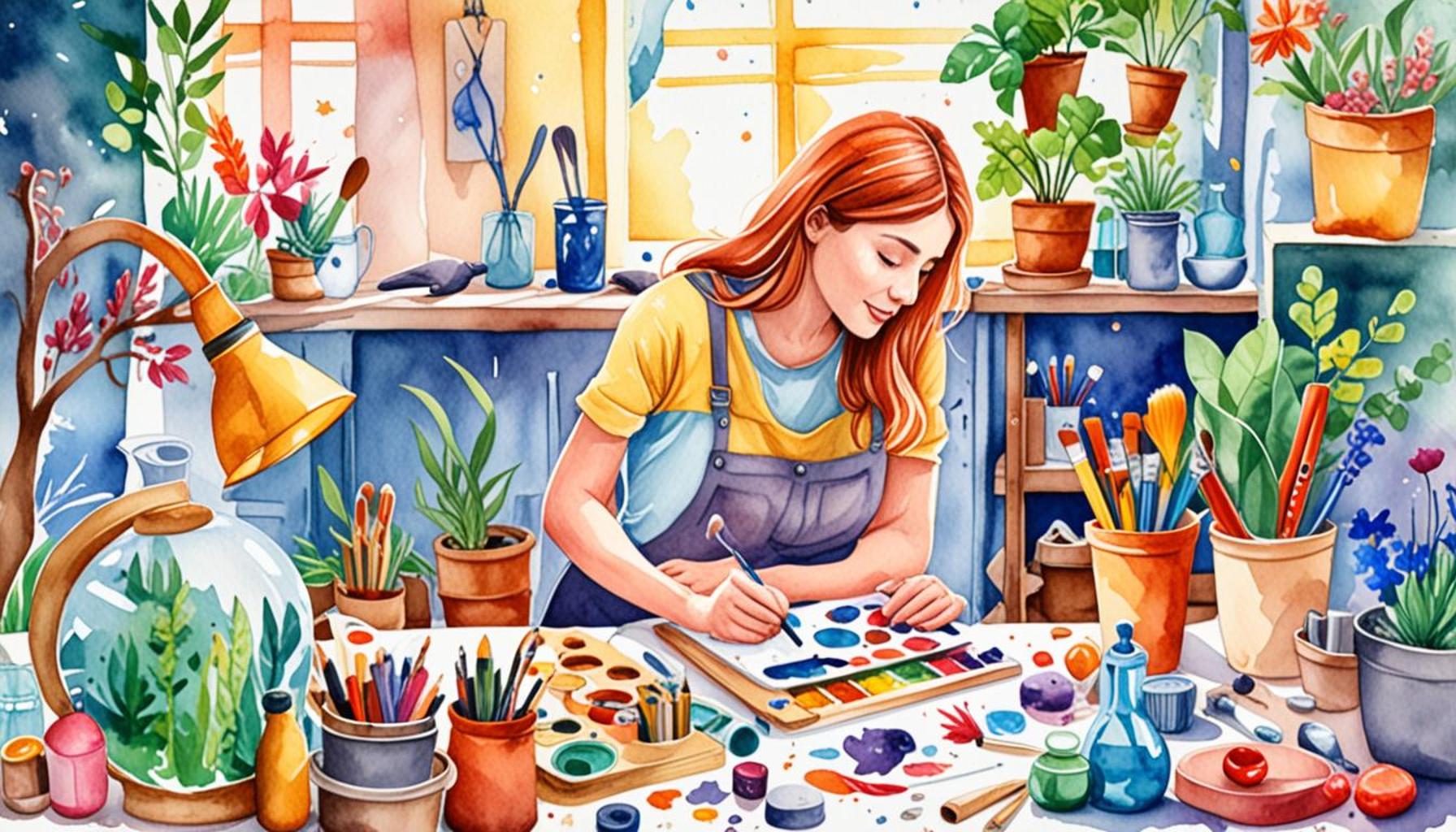
The influence of artisanal traditions on contemporary fashion
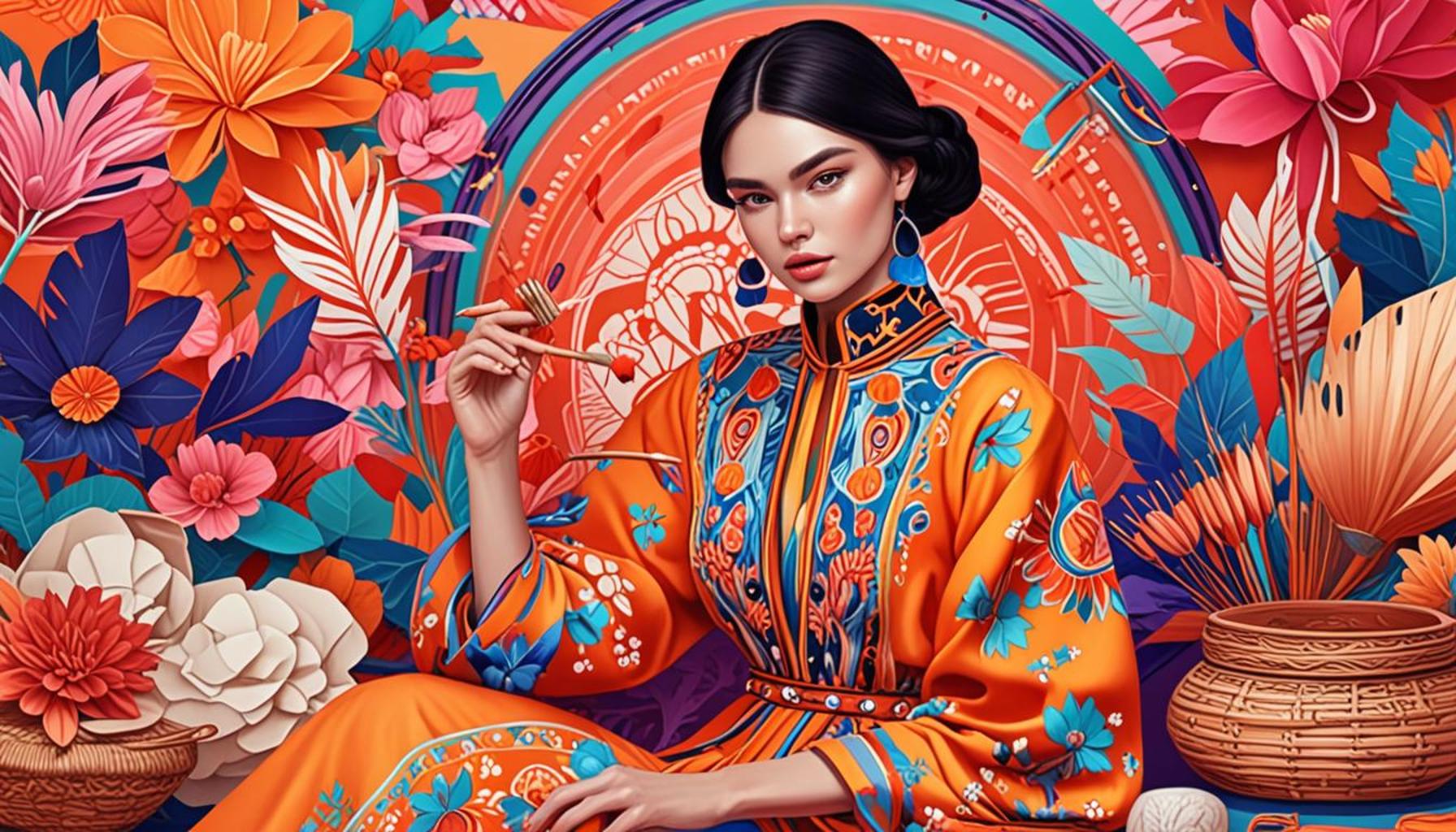
Revival of Craftsmanship
In a world where fast fashion has transformed clothing into disposable goods, the resurgence of artisanal traditions presents a refreshing alternative, anchoring contemporary fashion in rich history and personal craftsmanship. This movement not only elevates the aesthetic value of garments but also fosters a more meaningful relationship between consumers and their purchases. The stories behind each handcrafted piece invite wearers to appreciate the culture and skill that bring their attire to life.
Artisanal Characteristics
Artisanal fashion thrives on several intrinsic characteristics:
- Handcrafted Techniques: Every stitch, dye, and pattern often springs from the expertise of skilled artisans. For instance, brands like Rag & Bone have experimented with traditional British tailoring techniques, breathing new life into classic silhouettes and materials.
- Sustainability: A key principle of artisanal fashion is the commitment to eco-friendly practices. Many artisans use natural, organic materials and engage in ethical production methods that minimize environmental impact. Notable companies like Patagonia stand as beacons of sustainability, advocating for responsible sourcing and waste reduction.
- Heritage: The origins of designs often reflect local narratives and traditions, integrating regional craftsmanship into modern fashion. For instance, Native American artisans create clothing that highlights their heritage, using historic beading techniques and patterns native to their cultures.
Emerging Trends in the United States
The artisanal movement is finding fertile ground in the United States, where various initiatives and events elevate this distinctive style. Local cooperatives have sprung up, providing platforms for artisans to showcase their crafts while fostering community engagement. Initiatives such as Craft Boston allow consumers to connect directly with creators and understand their stories.
Fashion weeks across the country are not just spotlighting mainstream designers; they increasingly celebrate the rich diversity of handcrafted fashion. Events like New York Fashion Week have begun incorporating artisanal showcases, blending high-fashion spectacles with the intimate charm of handcrafted collections.
Moreover, crossover collaborations are pushing the boundaries of artistry and design. Partnerships between established high-fashion brands and local artisans have brought unique, limited-edition collections to the forefront. For instance, collaborations between brands like Isabel Marant and indigenous artisans have merged contemporary style with traditional craftsmanship, offering consumers a unique narrative.
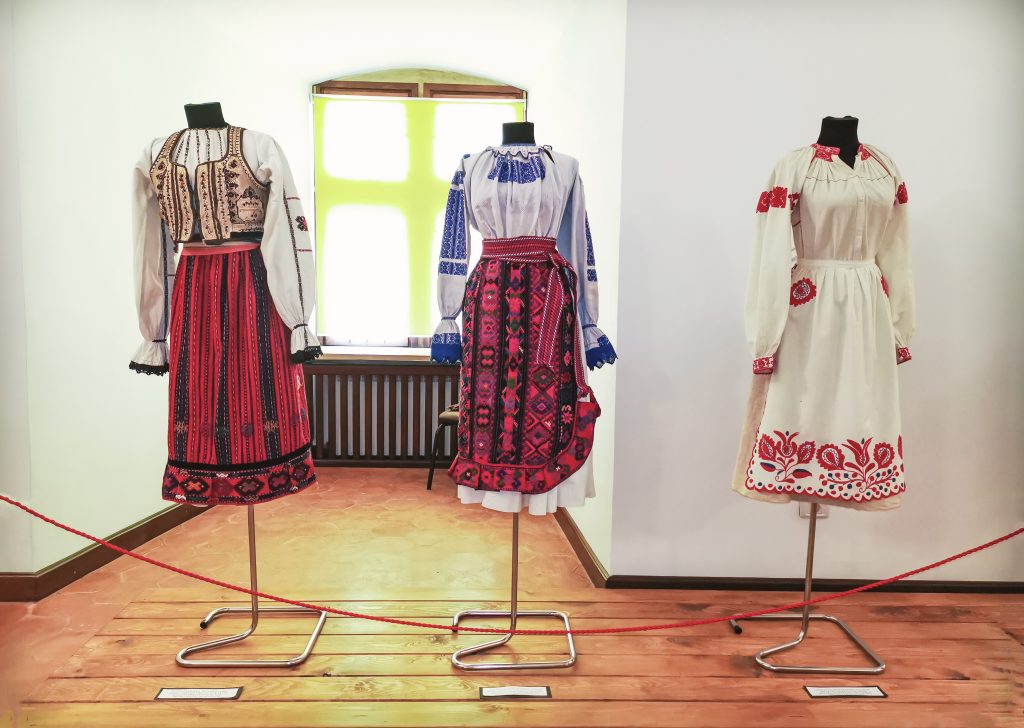
Consumer Awareness and Impact
As more consumers become conscious of their purchasing choices, the appeal of artisanal fashion grows stronger. Many individuals now seek clothing that aligns with their values, looking for quality and sustainability over quantity. This shift in mindset is influencing the fashion industry’s trajectory, prompting a deeper exploration of fashion’s roots and its role in fostering cultural understanding.
The rise of artisanal traditions in fashion is not merely a trend but a vital movement that invites consumers to engage with style in a hands-on and thoughtful way. These practices remind us that fashion is not solely about surface appeal; it embodies narratives of history, culture, and community. As this evolution unfolds, the artisanal influence is set to continue thriving, reshaping the landscape of contemporary fashion for years to come.
DIVE DEEPER: Click here to discover the latest trends
Bridging Generations Through Craft
Artisanal traditions have long been intertwined with the fabric of various cultures, crafting narratives that are passed down through generations. In contemporary fashion, these traditions are experiencing a revitalization, serving as a bridge that connects the history of craftsmanship with modern aesthetic sensibilities. This revival is evidenced in several forms, from the meticulous hand-woven textiles created in rural communities to the intricate embroidery that adorns many modern garments today.
Techniques that Tell a Story
At the heart of artisanal fashion are the time-honored techniques that artisans employ to create their pieces. From natural dyeing processes to traditional weaving methods, these practices not only ensure the authenticity of each item but also imbue them with a sense of place and individuality. Here are some noteworthy techniques shaping contemporary fashion:
- Block Printing: This ancient printing technique sees artisans hand-carving designs into wooden blocks, which are then pressed onto fabric. Brands like Matta have embraced this technique, producing unique patterns that are both contemporary and deeply rooted in tradition.
- Knitwear Artistry: Hand-knitted garments, especially those made from sustainable materials, have gained traction. Companies like Everlane have showcased the timeless appeal of hand-knitting, merging comfort with ethical fashion principles.
- Natural Dyeing: The use of plants and minerals to dye fabrics connects fashion with nature, offering consumers a more sustainable option. Brands such as Shibori have popularized this practice, creating beautiful shades and patterns through this eco-friendly approach.
Such techniques not only enhance the tactile quality of clothing but also invite consumers into a larger narrative about ethical consumption and cultural heritage. Each creation is essentially a conversation starter, reflecting the skills of the artisan and the stories from their community.
Influence on Design Aesthetics
The influence of artisanal traditions has drastically expanded the vocabulary of modern design in the fashion industry. Contemporary designers are turning to the past for inspiration, reinterpreting traditional garments into trending pieces. For example, the incorporation of peasant blouses and vintage kimono styles can be seen on runways and in high-street collections alike. This blending of old with new not only captivates consumers but also encourages them to explore the origins of these garments.
Moreover, designers are increasingly prioritizing authenticity in their collections, focusing on collections that reflect true craftsmanship rather than mass production. By highlighting artisanal techniques, they not only differentiate themselves in a saturated market but also offer consumers an alternative narrative that values heritage over haste.
As the lines between fashion and artistry blur, it becomes clear that the artisanal influence is not merely a byproduct of nostalgia; it is a forward-thinking movement that encourages sustainability and cultural appreciation in an increasingly digital world. In navigating contemporary fashion, the artisanal path shows us the importance of where we have come from while guiding us toward a more thoughtful future.
The Impact of Artisanal Traditions on Modern Fashion
Artisanal traditions carry rich histories and cultural significance that can dramatically influence contemporary fashion. In recent years, there has been a resurgence of interest in handcrafted techniques that echo the deeply rooted practices of artisans around the world. This influence manifests in various ways, from the revival of traditional weaving methods to the incorporation of indigenous motifs.One evident aspect is the growing demand for sustainable fashion. As consumers become more environmentally conscious, artisanal practices, often centered on local resources and traditional methods, present an ethical alternative to mass-produced garments. The use of natural dyes and locally sourced materials not only supports local economies but also showcases unique craftsmanship that transcends generic clothing. Moreover, contemporary designers are increasingly embracing these artisanal techniques to bring authenticity and a personal touch to their collections. This trend goes beyond mere aesthetics; it fosters a connection between the maker and consumer, emphasizing stories behind the products. Such narratives enrich the shopping experience, making each piece a testament to its origin. Furthermore, collaborations between high-fashion houses and local artisans are bridging the gap between luxury and tradition. For instance, major brands are seeking partnerships with craftspeople to create limited-edition pieces that honor traditional skills while appealing to modern consumer tastes. This synergy results in a distinctive fusion, celebrating cultural heritage while pushing the boundaries of contemporary style.As young designers gain recognition for integrating artisanal elements into their work, the fashion industry is witnessing a paradigm shift. The revival of traditional craftsmanship not only elevates the quality of fashion items but also nurtures a profound respect for cultural diversity. By incorporating these time-honored techniques, contemporary fashion redefines elegance, providing a rich tapestry that tells stories of identity, history, and art. Through exploring the intersection of artisanal traditions and modern fashion, we uncover a movement that embraces sustainability, craftsmanship, and cultural appreciation — elements that are becoming increasingly crucial in today’s fast-paced fashion landscape.
| Advantages of Artisanal Techniques | Impact on Fashion |
|---|---|
| Sustainability | Artisanal methods often utilize eco-friendly materials and techniques, minimizing environmental impact. |
| Cultural Heritage | Supports and preserves traditional skills that may otherwise be at risk of disappearing in a globalized market. |
EXPLORE MORE: Click here to dive into the world of musical diversity</
Reviving Local Economies Through Artisan Collaborations
As the world leans more into sustainability, many contemporary fashion brands are recognizing the importance of collaborating with artisans to create unique, ethically-made products. Such partnerships not only elevate artisanal skills but also aid in the revitalization of local economies. For instance, brands like Patagonia and Warby Parker have not only invested in artisanal craftsmanship but also actively engage with community artisans, providing them access to broader markets.
This direct support fosters a sense of empowerment among artisans, allowing them to preserve their traditional skills while ensuring fair wages and facilitating their participation in the global fashion industry. By sourcing materials locally and utilizing traditional techniques, these brands bring authenticity to their collections. Collaborations can range from the simple incorporation of handcrafted accessories to entire lines that celebrate specific cultural heritages, as seen with the use of hand-embellished designs sourced from Fair Trade cooperatives.
Innovative Sustainability Practices
By integrating traditional artisanal practices with modern sustainability efforts, designers are crafting a new narrative in the fashion industry. Brands are now pioneering methods that not only prioritize eco-friendly materials but also ensure that the artisans involved in the production process are respected and valued. For example, the Global Organic Textile Standard (GOTS) certifies sustainable and ethically-produced textile options, which have encouraged more designers to partner with local artisans.
Additionally, companies that employ innovative techniques, such as zero-waste pattern making, are emerging as leaders in sustainable fashion. This methodology draws from traditional tailoring practices that emphasize resourcefulness while leading to unique, one-of-a-kind garments. The fusion of these techniques with contemporary designs showcases the timeless relevance of artisanal skills in creating not just fashion but a conscientious approach to consumption.
Consumer Consciousness and the Rise of Slow Fashion
The modern consumer is increasingly aware of the impact of their purchases, shifting their preferences towards quality over quantity. The slow fashion movement underlines this demand for authenticity, craftsmanship, and sustainability, which aligns closely with artisanal traditions. As a result, many brands are curating capsule collections that feature small quantities, showcasing the intricate work of skilled artisans.
This shift in buying behavior is also evident in the growing interest in sustainable fashion marketplaces, like Ethique Boutique or Made Trade, which exclusively feature artisanal products that emphasize slow, deliberate production processes. These platforms connect consumers with artisans, creating an opportunity for storytelling behind each piece while celebrating the artistry involved in its creation.
Moreover, digital storytelling and social media have enabled artisans to showcase their craft to a global audience. Platforms such as Instagram present them with an opportunity to narrate their journey, share techniques, and communicate the significance of their work. This direct connection influences consumer choices, leading to a deeper appreciation for the time, effort, and heritage that each garment embodies.
In essence, the contemporary fashion landscape is increasingly being shaped by artisanal traditions that challenge conventional mass production. By reviving these traditions, fashion is not only returning to its roots but also paving the way for a more sustainable and conscientious future. The interplay of culture, craftsmanship, and modern design continues to inspire a new era of ethical fashion, driven by the collective desire for authenticity and social impact.
DIVE DEEPER: Click here to discover the significance of creative writing
Conclusion: The Fabric of Fashion’s Future
The intersection of artisanal traditions and contemporary fashion marks a pivotal moment in the industry, responding to a growing demand for authenticity and sustainability. As consumers increasingly prioritize ethical practices, the fashion landscape is witnessing a renaissance where traditional craftsmanship is not just celebrated but is integral to design. By partnering with artisans, brands are weaving stories into their garments that honor cultural heritage while also promoting fair labor practices.
This shift towards valuing artisanal skills serves a dual purpose: reviving local economies and fostering a meaningful connection between creators and consumers. Artisanal craftsmanship, long overshadowed by fast fashion, is reclaiming its rightful place, inviting consumers to appreciate the intricate processes behind each piece. The slow fashion movement underscores this narrative by encouraging mindful purchasing choices, leading to a reduced environmental footprint.
Moreover, innovative sustainability practices are emerging from this convergence, highlighting the potential of eco-friendly materials and zero-waste methodologies that pay homage to traditional techniques. As brands navigate this complex terrain, they discover that integrating artisanal practices elevates not just their collections but also consumer consciousness. Together, they pave the way for a fashion future that is both aesthetically rich and socially responsible.
In conclusion, the ongoing dialogue between artisanal traditions and contemporary fashion is not just a trend; it is a movement that redefines the industry. To fully appreciate this evolution, consumers are encouraged to engage with the stories behind their garments, transforming their shopping habits into a celebration of craftsmanship and cultural narratives. The future of fashion beckons—a tapestry woven with care, heritage, and a profound respect for both the makers and the materials that shape it.