
Exploring the Role of Craft Workshops in the Revitalization of Urban Communities
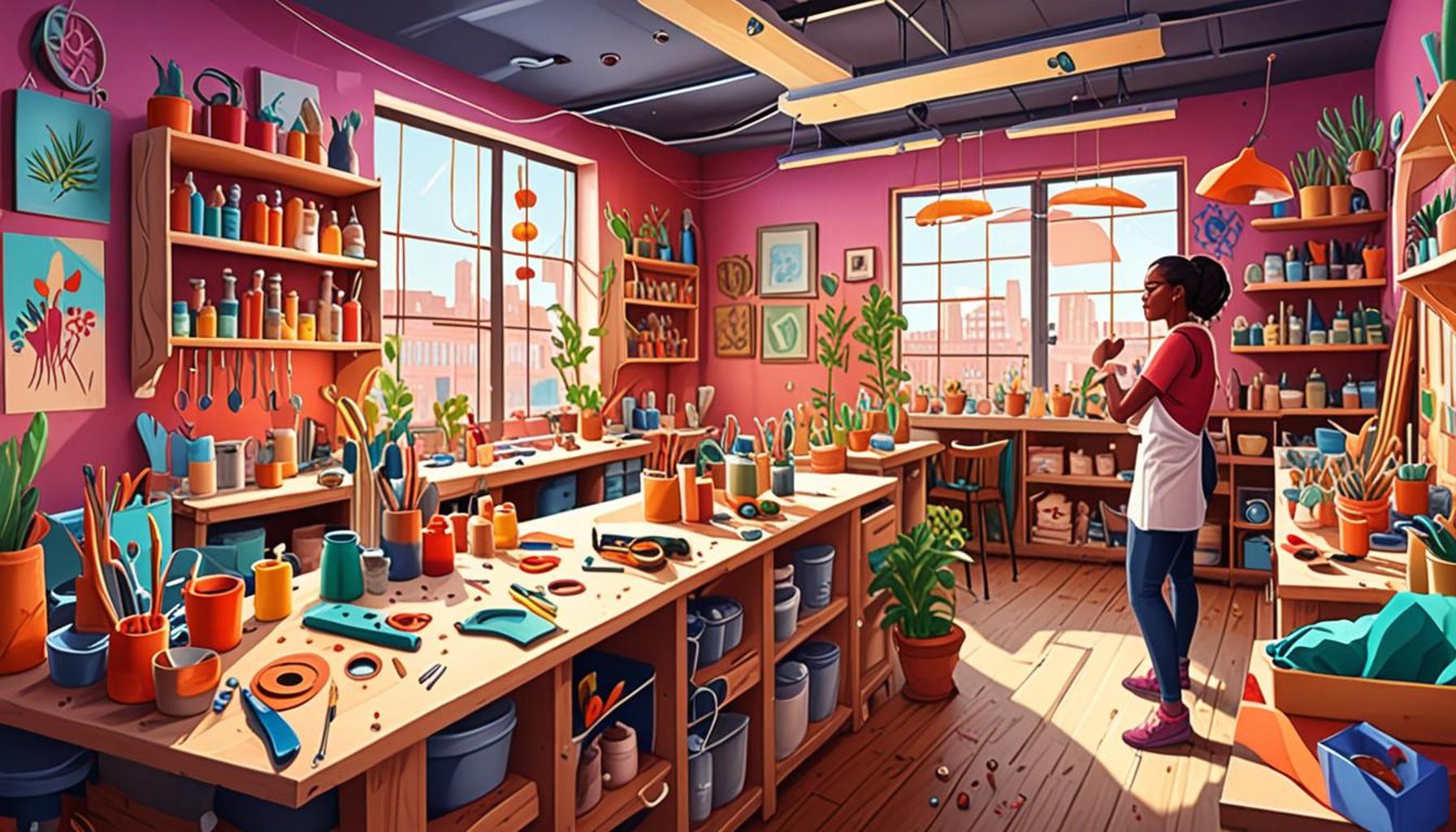
Transforming Urban Landscapes Through Craft
Across the United States, craft workshops have emerged as instrumental hubs for fostering creativity and community connection. These vibrant spaces not only provide an opportunity for artistic expression but also serve to revitalize urban areas. By engaging local residents, they play a significant role in turning neglected neighborhoods into thriving cultural landscapes.
Why are these workshops crucial to urban revitalization? Here are some key points:
- Economic Growth: Craft workshops stimulate local economies through small business creation and job opportunities. For instance, in cities like Brooklyn, New York, craft workshops have spurred a burgeoning artisan economy, allowing local makers to transform their skills into viable businesses, thus creating jobs and generating tax revenue for the community.
- Community Engagement: They bring individuals together, encouraging collaboration and building social networks. This blend of communities cultivates friendships and partnerships that extend beyond the workshop space, fostering deeper connections among diverse populations who may otherwise remain isolated.
- Cultural Preservation: Workshops often emphasize traditional crafts, helping to maintain important cultural practices. In regions such as the Southwest, workshops focusing on Native American crafts not only preserve techniques but also educate participants about the rich history behind them, fostering respect and appreciation across cultures.
From cities like Detroit to Philadelphia, these initiatives can turn abandoned spaces into dynamic community centers, promoting inclusivity and innovation. For example, the Detroit Craft Party has transformed an old school building into a creative space where residents can learn everything from pottery to screen printing. This not only revives the property but also nurtures a sense of pride and ownership among residents.
Moreover, craft workshops contribute to the social fabric of urban areas by acting as venues for events, markets, and exhibitions. In San Francisco, community members frequently gather in local craft spaces not just to learn, but also to showcase their work, providing them a platform to engage with the broader public. This visibility can lead to further opportunities and collaborations that might not arise in more traditional settings.
The exploration of this phenomenon reveals insightful lessons about resilience, creativity, and collective identity. As more urban areas embrace the concept of craft workshops, the potential to reshape not only physical spaces but also the very fabric of communities becomes apparent. Craft workshops promote sustainable development and empower local artists while offering a unique antidote to urban decay. Through shared artistic experiences, they help cultivate a sense of belonging and collective purpose, paving the way for a brighter, more interconnected future.

EXLORE MORE: Click here to learn how poetry can boost your emotional well-being
Unveiling the Dynamics of Craft Workshops
As urban landscapes continue to evolve, craft workshops offer a creative solution to some of the pressing challenges faced by cities today. These workshops are more than just spaces where artisans create; they act as essential catalysts for personal and community growth. The role they play in revitalizing urban communities cannot be overstated, and their effects reach far beyond the tangible art produced within their walls.
To understand the impact of craft workshops, it is crucial to delve into the various elements that contribute to their significance:
- Skill Development and Empowerment: Craft workshops provide individuals with invaluable skills that are not only creative but also practical. Participating in these workshops empowers individuals, fostering a sense of accomplishment that can lead to further personal and professional development. Many participants find new career paths through the skills they acquire, often opening their own businesses or pursuing careers in design, art, and craftsmanship.
- Creating Safe Spaces: These workshops often serve as safe havens for marginalized community members, providing an inclusive environment where everyone, regardless of their background, can express themselves freely. This inclusivity is crucial in fostering a diverse community spirit where every voice is valued.
- Environmental Sustainability: Many craft workshops emphasize the use of sustainable materials and practices, encouraging participants to be mindful about their consumption and environmental impact. This not only promotes eco-friendly habits but also inspires a movement towards sustainability in the broader community.
The ripple effect of these workshops is evident in local economic and community engagement. For instance, initiatives like the Philadelphia’s Craft Front have helped turn once-neglected spaces into thriving marketplaces. These venues provide artists and makers with access to resources and buyers who appreciate handmade products—fostering a culture of support for local artisans. Markets hosted in such workshops often become focal points for community gatherings, where residents from diverse backgrounds come together, mingling and sharing ideas.
The role of craft workshops in community revitalization also extends to educational outreach. Many workshops collaborate with local schools, introducing students to hands-on learning experiences that enhance their education while nurturing creativity. Programs that focus on art education not only enrich students’ lives but also help to strengthen intergenerational ties as families often join in with their children for weekend workshops.
Moreover, as urban neighborhoods increasingly look for ways to forge stronger identities, the infusion of craft workshops into daily life helps to instill a sense of pride. These spaces offer a narrative of resilience and determination against the backdrop of gentrification and urban decay. In cities like Chicago and Los Angeles, community art events frequently hosted at craft workshops have led to the revitalization of entire blocks, transforming them into lively cultural districts.
As we further explore the impact of craft workshops in urban settings, it becomes clear that they are more than just artistic endeavors. They are fundamental to the evolution of city life, promoting not just art, but also vital social connections, economic enrichment, and an enduring sense of community.
Craft workshops play a pivotal role in the revitalization of urban communities, providing an avenue for personal expression and community bonding while also contributing to local economies. These workshops, often anchored in local traditions and cultures, foster a sense of belonging among participants. As urban areas face challenges such as displacement and economic decline, craft workshops emerge as sanctuaries where creativity and collaboration flourish.One of the notable advantages of these workshops is their ability to create jobs and boost local artisans. By providing a platform for skilled craftspeople, workshops not only encourage the retention of cultural heritage but also stimulate the economy. The engagement in craft-based activities has been shown to improve mental health, offering therapeutic benefits that extend beyond the individual to uplift whole communities.Additionally, craft workshops serve as a gathering space for individuals from diverse backgrounds, promoting inclusivity and social cohesion. Participants often share their stories and skills, fostering intergenerational connections that transcend cultural barriers. This communal atmosphere can enhance local identity and pride, ultimately leading to a greater commitment to community development and stewardship.Moreover, integrating craft workshops into urban planning initiatives can revitalize vacant spaces and turn dilapidated areas into vibrant hubs of activity. These creative spaces attract visitors and tourists, further boosting local businesses and fostering sustainable economic growth. As communities invest in such initiatives, they pave the way for a resilient urban environment that values artistry, inclusion, and collaboration.Recognizing the myriad benefits of craft workshops, local governments and organizations are increasingly supporting these initiatives. This investment not only enriches the community fabric but also lays the groundwork for sustainable urban regeneration that honors historical contexts while looking toward the future.To highlight the advantages of craft workshops further, the table below encapsulates key features and benefits shaping urban revitalization efforts:
| Category | Description |
|---|---|
| Economic Growth | Craft workshops stimulate local economies by creating jobs and attracting tourism. |
| Community Cohesion | These workshops foster a sense of belonging, promoting inclusivity and social connections among participants. |
In summary, the role of craft workshops extends far beyond mere hobbyist circles; they are essential frameworks for developing healthy, vibrant urban communities. Their impact resonates within the fabric of society, reinforcing cultural heritage while igniting the engines of economic progress.
DISCOVER MORE: Click here to learn how music fuels creativity
Craft Workshops as Cultural Hubs
Beyond their intrinsic artistic value, craft workshops serve as vibrant cultural hubs within urban communities. They create opportunities for cultural exchange, fostering collaborations among artisans from diverse backgrounds. This cross-pollination of ideas not only enriches the creative landscape but also promotes cultural appreciation and understanding, transforming city living into a richer, more textured experience.
One notable example is the Brooklyn Craft Workshop in New York City, which has become a melting pot for artists of different disciplines. Here, not only do participants learn traditional crafts such as pottery and weaving, but they also engage in workshops that combine technology with traditional artistry, such as digital fabric printing. Such collaborative environments encourage innovation by allowing artisans to share techniques and imbue their work with influences from other cultures, creating unique pieces that tell a story representative of their creators’ journeys.
This fusion not only adds variety to the local artisan market but also draws attention from tourists and art enthusiasts, thereby boosting local economies. In cities like New Orleans, craft workshops have been instrumental in establishing an artisan district that attracts visitors, all while preserving the city’s rich heritage of craftsmanship, from handmade Mardi Gras masks to intricate ironwork. This influx of visitors stimulates local businesses, creating a cycle of economic growth tied to the craft movement.
Building Resilient Communities through Collaboration
Furthermore, the collaborative spirit fostered by craft workshops aids in building resilient communities. Through initiatives like community art projects, these workshops engage local residents in creating public art installations that reflect their shared experiences and aspirations. In Detroit, community-driven spaces like the Detroit Art & Craft Studio partner with local organizations to engage residents in revitalizing blighted neighborhoods through art. The results—a colorful mosaic or a series of murals—serve not only as beautification projects but also instill a sense of ownership and pride among community members.
Moreover, craft workshops contribute to urban wellness by promoting mental health. Participating in artistic endeavors has been shown to reduce stress and foster mindfulness. Workshops often offer therapeutic benefits as they provide a space for individuals to escape daily pressures, engage in meaningful creative expression, and connect with others. The communal aspect of crafting can help combat feelings of isolation often experienced in dense urban environments, creating bonds that form lasting friendships and support networks.
Additionally, local governments are beginning to recognize the invaluable role of craft workshops in urban planning. For instance, cities like San Francisco have integrated spaces for craft workshops into their developmental projects, with the intent of enhancing the urban fabric and creating interactive public spaces that encourage social engagement and creativity. By prioritizing such initiatives, municipalities are not only preserving traditional crafts but also enriching community identities and attracting a diverse array of residents and visitors alike.
As urban communities face challenges ranging from economic disparity to social fragmentation, craft workshops emerge as a powerful tool in facilitating transformation. They weave a fabric of inclusion, adaptability, and resilience—key qualities for any community aiming to flourish amid change.
DISCOVER MORE: Click here to learn about the transformative effects of musical improvisations
Conclusion: The Transformative Impact of Craft Workshops
In the bustling landscape of urban environments, craft workshops symbolize a beacon of hope and revitalization. They not only serve as creative spaces that nurture local artisans but also function as vital connectors within diverse communities. By promoting cultural exchange, encouraging collaboration, and engaging residents in experiential learning, these workshops play an essential role in reshaping urban narratives. The examples of successful initiatives in cities like Brooklyn and New Orleans demonstrate how creativity can intertwine with economic development, attracting tourism and fostering a sense of pride among residents.
Moreover, as municipalities like San Francisco integrate craft workshops into urban planning, the acknowledgment of art’s potential to enhance public spaces is becoming increasingly clear. The emphasis on community-driven projects, such as those in Detroit, highlights the power of craft as a medium for healing and resilience, creating not just beauty but also a tangible sense of belonging. In a world that often feels fragmented, these workshops emerge as critical vessels for connection, mental wellness, and community stewardship.
Ultimately, the exploration of craft workshops in urban revitalization reveals their remarkable capacity to foster inclusivity, adaptability, and structural integrity within communities. As cities continue to evolve, prioritizing craft workshops will undoubtedly contribute to not only the aesthetic enrichment of urban settings but also the social cohesion and wellness of their inhabitants. As we delve deeper into the implications of this movement, one question remains: how can we further harness the potential of craft to cultivate resilient, vibrant urban spaces for generations to come?