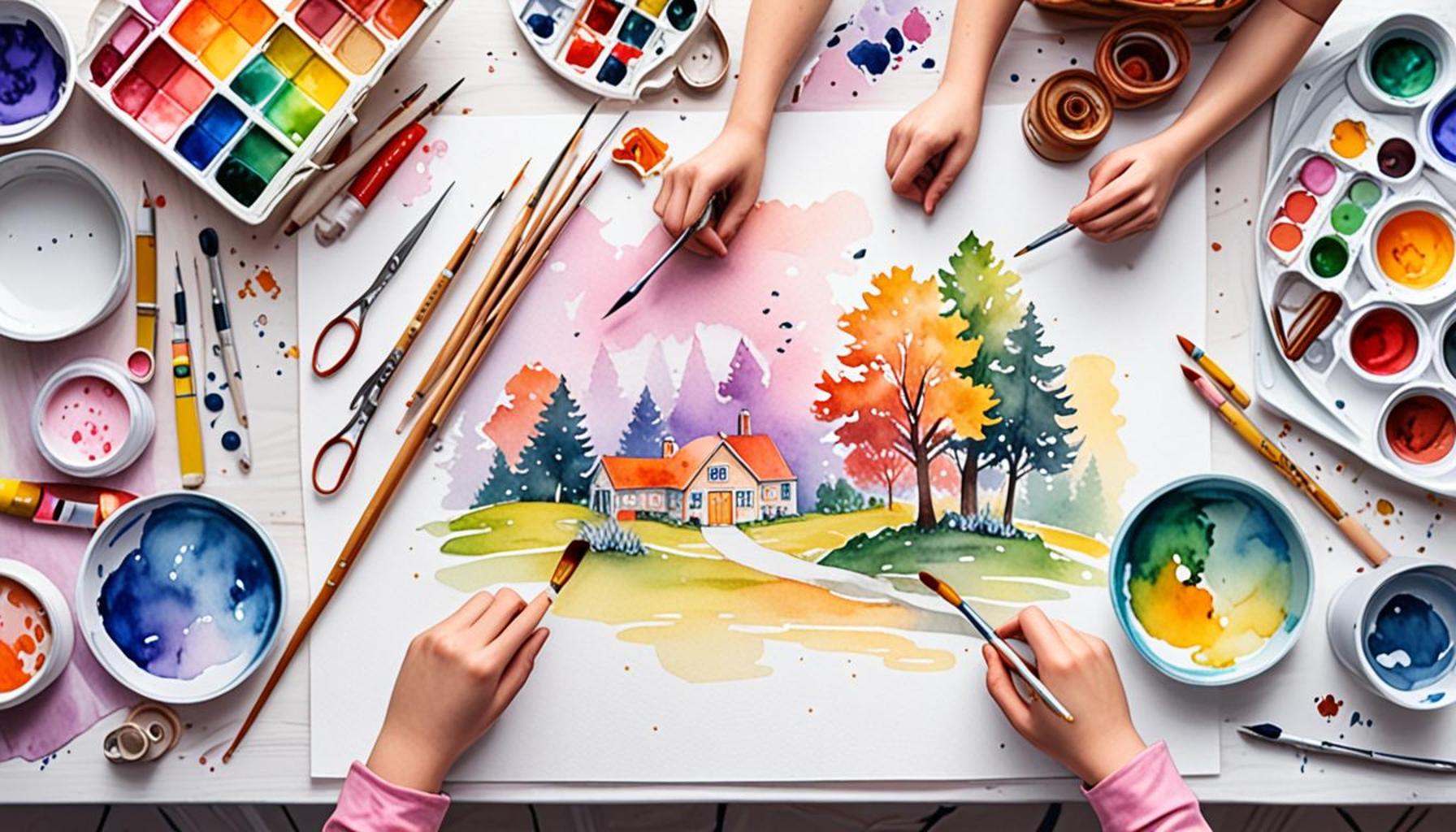
Craft activities as a tool for inclusion and cultural expression in diverse communities

The Value of Craft Activities in Strengthening Communities
In recent years, craft activities have blossomed into a vibrant form of social engagement and cultural expression, particularly within diverse communities across the United States. These hands-on pursuits transcend mere recreation, serving as vital avenues for connection and self-expression. By participating in crafting, individuals are not just engaging in creative endeavors; they are building bridges across a landscape marked by cultural differences and social barriers.
- Building Connections: Crafting encourages collaboration, creating spaces where individuals can come together regardless of their backgrounds. For instance, community quilt projects unite participants from various ethnicities, allowing them to stitch together their stories literally and metaphorically. As they work side by side, they share their thoughts, anecdotes, and dreams, fostering deeper understanding and camaraderie.
- Sharing Traditions: Craft activities provide a platform for individuals to showcase their heritage and cultural practices. In many neighborhoods, organizations hold workshops where traditional crafts—such as Navajo weaving or African drumming—are taught. These workshops not only highlight unique cultural traditions but also invite others to appreciate and participate, fostering a spirit of mutual respect.
- Empowering Voices: Through crafts, artisans can articulate their experiences and history, contributing to a richer narrative tapestry. For example, mural painting workshops in urban settings invite participants to express their personal stories related to their communities, often leading to impactful public art that resonates with many and inspires others to share their narratives.
Across the United States, community centers, schools, and local organizations are increasingly embracing craft activities as essential tools for fostering dialogue around diversity and inclusion. These initiatives do not simply engage participants; they actively work to strengthen communal ties and nurture understanding. As people come together to create, they intertwine their identities, ultimately crafting a more inclusive society.
Activities such as quilting have demonstrated profound effects in urban environments. In these settings, quilting circles often become hubs of social interaction, where diverse participants learn not only stitching techniques but also the histories and traditions associated with different patterns. Similarly, pottery classes attract a melting pot of individuals who exchange techniques and stories, cultivating friendships that transcend cultural divides. Through these experiences, the fabric of the community is enriched, creating a vibrant tapestry filled with shared experiences and collective growth.
Ultimately, craft activities have the potential to transform communities, fostering an environment where creativity flourishes, and cultural expression thrives. Exploring these opportunities is not just an invitation to engage in art but a call to embrace diversity, understand one another, and celebrate the unique stories that each individual brings to the communal table.
DIVE DEEPER: Click here to discover more artistic expressions
Crafting as a Medium of Cultural Exchange
Craft activities serve as a rich tapestry of cultural exchange, wherein individuals can explore their identities while embracing the diverse heritage of others. Engaging in these creative practices not only promotes artistic expression but also transforms the act of crafting into a communal experience that fosters inclusivity. Across the United States, various initiatives harness the power of crafts, making them accessible to individuals from different backgrounds, and emphasizing the importance of shared experiences.
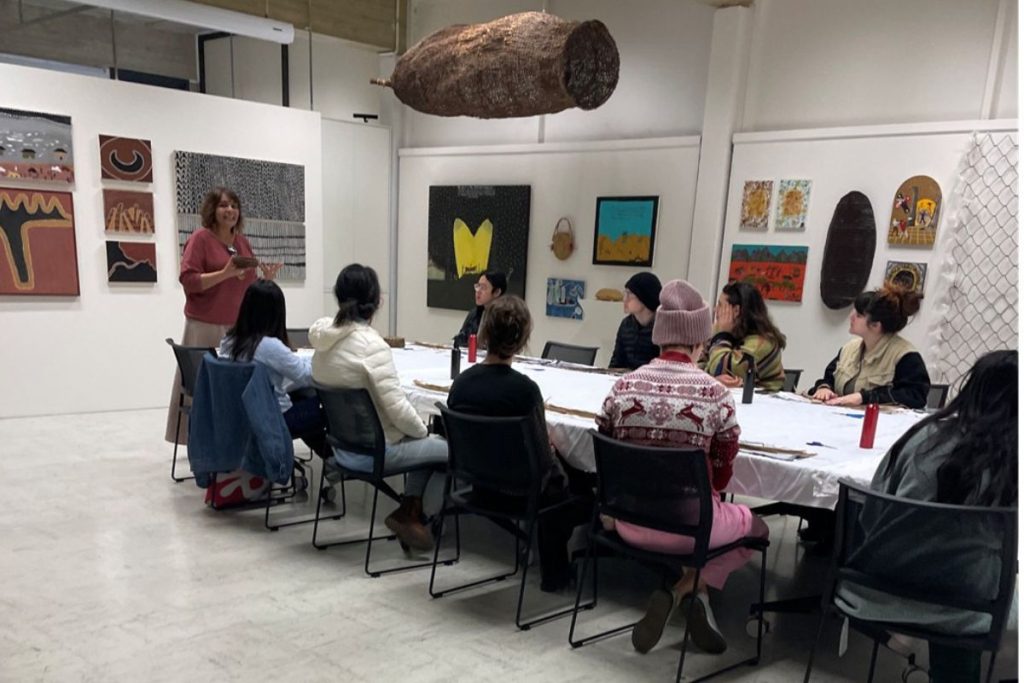
One of the most compelling aspects of crafting is its ability to break down language and cultural barriers. For instance, workshops aimed at teaching traditional crafts—such as basket weaving from Indigenous communities or ceramics influenced by Latin American artisans—encourage participants to learn techniques while sharing narratives related to their own cultures. These experiences allow individuals to connect over common threads, literally and figuratively, and spark conversations that might not have occurred within a more conventional social setting.
- Collaborative Projects: Crafting often involves group activities where participants collectively work towards a common goal. Initiatives like community murals and collaborative sculpture installations have become instrumental in cities across the U.S., inviting local artists and residents to contribute to larger artistic expressions. Each participant adds a piece of themselves to a project that reflects the community’s history and aspirations.
- Workshops and Classes: Community centers frequently organize workshops in various crafting disciplines, from knitting circles to woodworking classes. These settings create an inviting atmosphere where individuals can learn new skills alongside others. For example, a woodworking class may welcome participants from all walks of life, further integrating diverse skills and backgrounds into one creative endeavor.
- Intergenerational Learning: Craft activities bridge the gap between generations, allowing elders to impart traditional crafting skills to younger individuals. This exchange promotes respect for cultural heritage while encouraging younger generations to incorporate these practices into contemporary art forms. Programs that involve mentoring in crafts help preserve traditions and instill a sense of belonging.
Moreover, craft activities play an essential role in emotional expression and healing, particularly in communities facing social challenges. In environments marked by division or trauma, initiatives that focus on crafts enable participants to express their experiences safely and authentically. For example, some organizations utilize art therapy sessions involving crafts to aid individuals in communicating complex emotions or traumatic experiences, fostering a healing narrative through creativity.
Ultimately, the integration of craft activities into community development is essential for fostering inclusion and celebrating cultural diversity. As these projects unfold, they reveal the underlying stories shared by individuals and encourage mutual appreciation. Crafting is thus not merely an artistic outlet; it becomes a powerful means of cultural expression that binds diverse communities together, laying the groundwork for a more harmonious society.
Craft Activities: A Catalyst for Social Inclusion
Craft activities serve as more than just a pastime; they are vital instruments for social inclusion within diverse communities. By engaging in crafting, individuals from varying backgrounds can come together, share their unique stories, and foster connections that break down cultural barriers. This interaction cultivates a sense of belonging and promotes understanding among participants, which is essential for a harmonious community.
One powerful aspect of craft activities is their ability to involve individuals of all ages and skill levels, making them universally accessible. For instance, programs that utilize crafting as a platform for inclusion often lead to enhanced communication skills and increased self-esteem among participants. Moreover, these activities allow individuals to express their cultural heritage through traditional arts and crafts, serving as a means of cultural expression that enriches the community as a whole.
Furthermore, craft initiatives can empower marginalized groups, providing them with the resources and opportunities to share their narratives. Workshops focused on traditional crafts from different cultures can also educate the broader community, promoting intercultural appreciation and respect. This intermingling of creativity and cultural education encourages participants to embrace diversity and celebrate the unique perspectives that each individual brings to the table.
| Benefits | Key Features |
|---|---|
| Enhanced Communication | Crafting encourages dialogue and interaction among participants. |
| Cultural Appreciation | Sharing traditional crafts fosters understanding and respect for diverse cultures. |
Ultimately, community-based craft activities create not only beautiful items but also meaningful connections. They provide a shared experience that can transcend language and cultural divides, setting the stage for a more inclusive society. The potential for growth and understanding through craft initiatives is boundless, capturing the hearts and minds of everyone involved.
DIVE DEEPER: Click here to discover the latest trends in craft activities
Empowerment Through Crafting and Skill Development
Beyond serving as a vehicle for cultural exchange, craft activities empower individuals through skill development and self-advocacy. In many marginalized communities, where economic and social opportunities may be limited, engaging in crafts has shown remarkable potential in fostering personal growth and promoting entrepreneurship. By learning the intricacies of various crafting techniques, individuals not only enhance their artistic abilities but also acquire valuable skills that can lead to greater economic stability.
Programs focused on crafting for entrepreneurship have emerged across the United States, helping individuals to transform hobbies into sustainable businesses. Initiatives such as the Social Enterprise Alliance highlight examples of how crafting can yield income-generating opportunities, supporting artisans in showcasing their work in local markets and online platforms. For instance, initiatives in areas like Detroit, where art and industry intersect, create avenues for local craftsmen and women to display their products while establishing community-centric brands that celebrate local culture.
- Micro-Enterprise Development: Crafting can lead to micro-enterprises that serve as a lifeline for many families. Organizations like Marketplace Africa empower artisans from various cultural backgrounds to sell handmade goods that tell their unique stories. This not only generates income but builds self-esteem and economic resilience within the community.
- Skill Sharing Networks: Through various crafting groups, individuals share their skills and knowledge with each other, strengthening community ties. These networks empower participants to take pride in their heritage and learn from one another, whether through sewing circles or knitting bees, fostering a sense of unity and support.
- Education and Certifications: Educational institutions increasingly recognize the significance of crafting in skill development. Craft-related curricula now offer certifications and training programs, helping individuals gain credibility and formal recognition. This educational aspect narrows the skills gap and opens up new possibilities in various sectors such as fashion, interior design, and fine arts.
The therapeutic benefits of craft activities also contribute to individual empowerment and community healing. Especially in neighborhoods grappling with the aftermath of violence or disaster, crafting initiatives provide participants with a safe space to explore emotions and memories. Programs like Art from the Heart, which promotes healing through creative expression, emphasize the impact of crafting on mental health by encouraging reflections on personal stories of resilience and strength.
Furthermore, crafting workshops that focus on mental wellness have gained traction. These workshops often incorporate mindfulness practices, allowing participants to find peace and rejuvenation through the creative process. This cultivates not only personal growth but also strengthens community bonds as individuals come together for a common purpose.
In cities like New York and San Francisco, collaborative crafting events resonate with their diverse populations, where both locals and immigrants can share their stories through textile arts, repurpose old materials, and create new works that reflect their multifaceted identities. Here, crafting transcends artistic practice; it becomes a medium for empowerment, lifting voices, and promoting social change.
Through these practices, craft activities emerge as an essential tool for fostering inclusion and cultural expression in diverse communities, highlighting their potential to change lives, nurture talent, and forge connections that transcend social and cultural divides.
DISCOVER MORE: Click here to see the latest trends
Conclusion
In a world that often emphasizes division, craft activities stand as a powerful vehicle for inclusion and cultural expression, demonstrating their capacity to bridge gaps within diverse communities. By engaging individuals from varying backgrounds in collaborative arts and crafts, we witness not only the celebration of cultural identities but also the emergence of empathy and understanding. Crafting serves as a canvas for personal narratives, fostering connections that enable community members to learn from one another and share their unique stories.
Moreover, the socio-economic benefits associated with crafting initiatives cannot be overlooked. As individuals hone their skills and create micro-enterprises, they contribute to local economies and gain a sense of independence and empowerment. The ripple effect of craft activities strengthens communities by encouraging self-sufficiency while preserving traditional art forms. This economic lens adds a layer of significance to crafting—transforming what was once a hobby into a means of survival and resilience.
As we further explore the profound impacts of crafting within diverse communities, it is essential to think about the future. Promoting crafting programs in educational institutions and community centers can foster an inclusive environment that nurtures creativity and belonging. Additionally, by utilizing platforms to highlight these artisanal voices, we can support a broader cultural dialogue that advocates for social change. Ultimately, as we unravel the tapestry of crafts, we unveil the stories woven within, inviting everyone to partake in this transformative journey of inclusion and cultural expression.