Exploring the Use of Non-Traditional Instruments in Expanding Musical Creativity

The Transformative Power of Non-Traditional Instruments
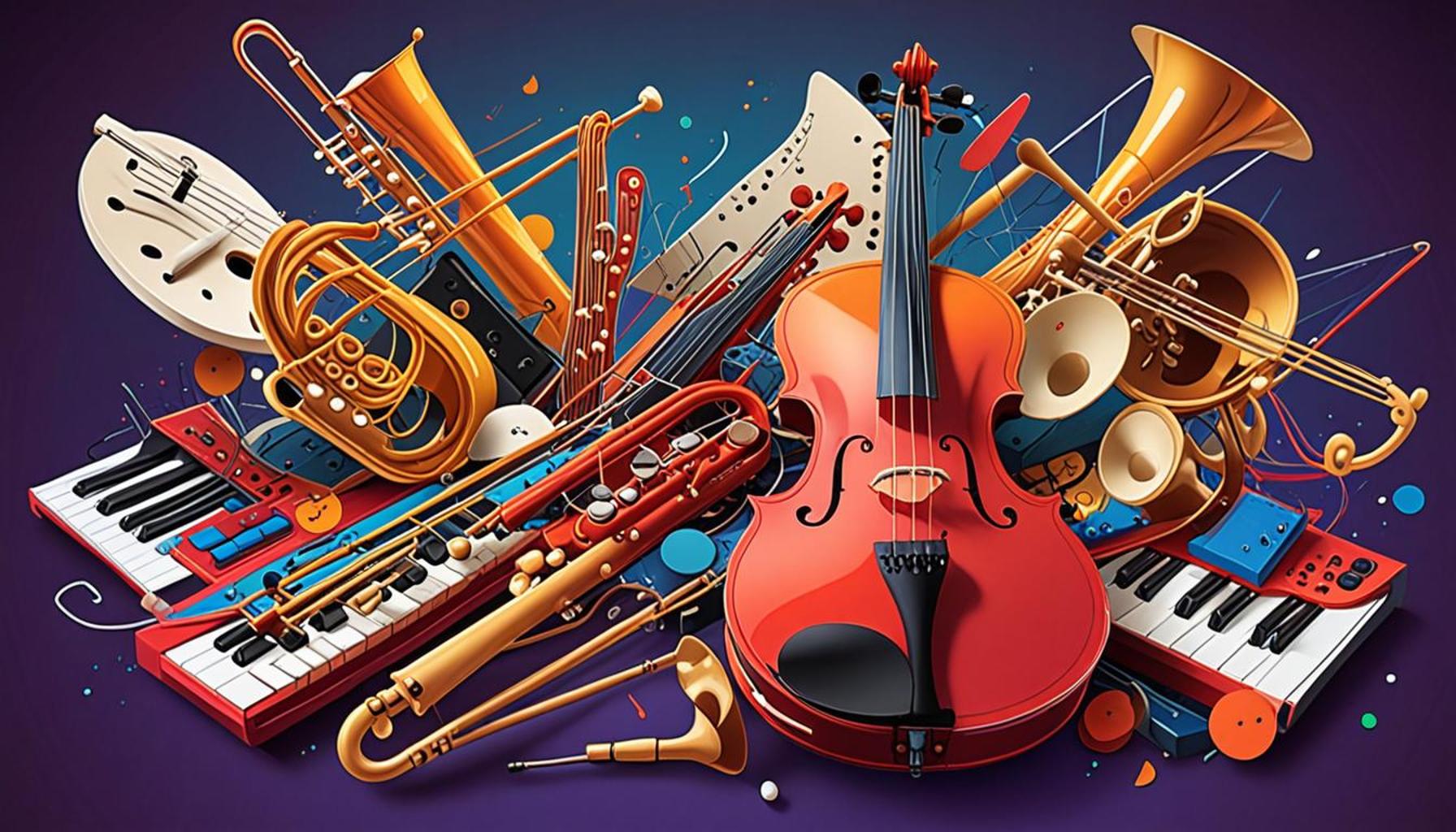
In contemporary music, the explosion of non-traditional instruments is nothing short of revolutionary. As artists begin to shy away from conventional instruments such as pianos and guitars, they are instead inviting the world around them into their compositions. This shift not only reshapes how music is created but also challenges the listener’s expectations of what music can be.
The beauty of non-traditional instruments lies in their diversity, offering a plethora of soundscapes that stir emotions and provoke thought. For example, using found objects as musical tools has become increasingly popular. Artists have been known to harness everyday items like glass bottles filled with varying levels of water, pots serving as drums, or stones being struck together to create rhythmic patterns. This type of innovation encourages musicians to think outside the box and explore the familiar in extraordinary ways.
Meanwhile, the rise of electronic devices has further transformed the landscape of sound. Synthesizers, for example, are capable of producing a vast range of sounds, from imitating classic instruments to creating entirely new timbres that have never been heard before. Loop stations allow artists to layer sounds in real-time, giving them the ability to create complex musical pieces solo. These technologies empower composers to transcend geographical boundaries, blending traditional sounds from around the world into their works.
Instruments from different cultures, known as world instruments, also play a key role in expanding the sonic palette available to artists. The Australian didgeridoo creates deep, resonant vibrations, while the African kalimba introduces a gentle, melodic quality to compositions. These instruments not only enrich the music but also connect artists with the cultural narratives and histories behind them, allowing for a more profound storytelling experience.
The integration of these devices and instruments into musical practice yields remarkable results, embracing creativity’s many avenues. Artists can break away from traditional sound palettes, discovering fresh and experimental ways to express their artistry. Additionally, they can create interdisciplinary collaborations, merging music with dance, visual arts, and even technology, resulting in multifaceted performances that enthrall audiences. Moreover, by inviting the audience to experience music in more immersive ways, artists redefine how listeners interact with sound, creating an experience that engages not just the ears but the entire sensory experience.
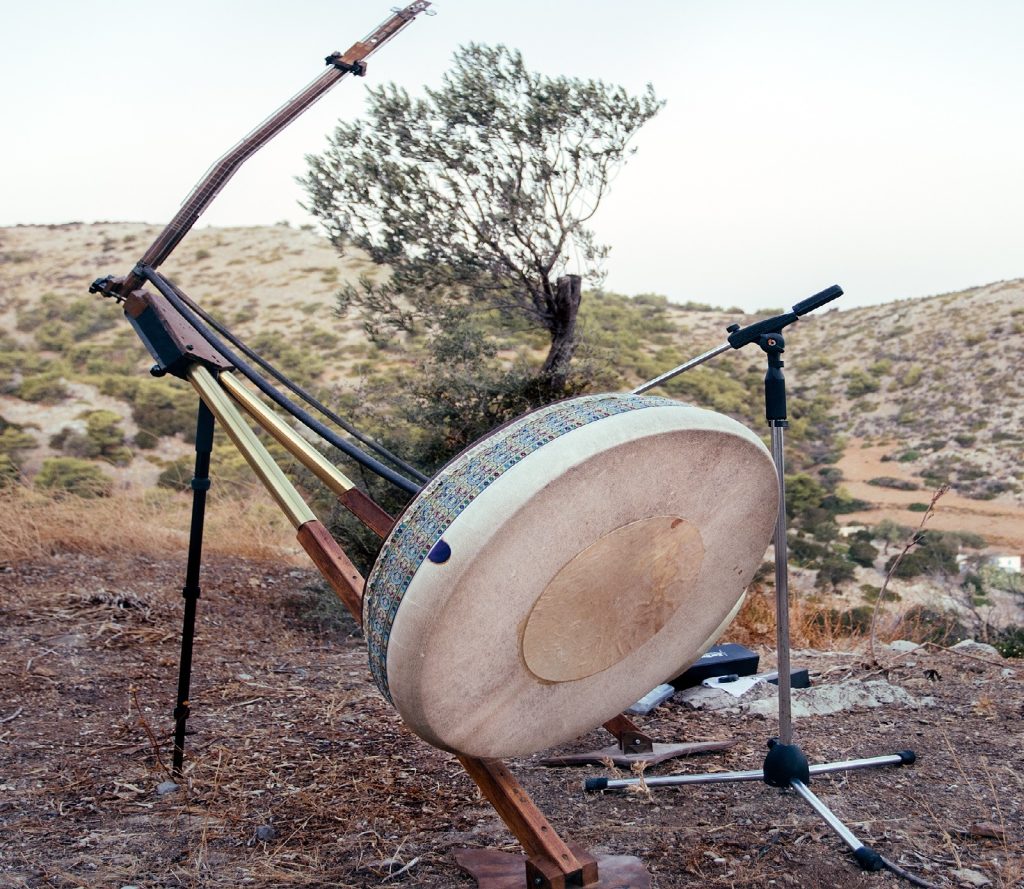
Musicians throughout the United States and globally are continuing to push these creative boundaries. As they explore non-traditional instruments, they carve out exciting new territories in artistic expression. In doing so, they contribute to a rich tapestry of sound that invites both creators and audiences alike to reconsider the very essence of music. This artistic journey of exploration showcases the remarkable potential that lies in thinking beyond established norms, leading to innovative sounds that resonate deeply with the human experience.
DISCOVER MORE: Click here to dive into the world of culinary fusions
Unconventional Soundscapes: A Deep Dive into Non-Traditional Instruments
The exploration of non-traditional instruments has ushered in an era of limitless creativity in music. Unlike their classical counterparts, these instruments often possess unique qualities that challenge the norms of musical composition, allowing artists to venture into uncharted auditory territories. Musicians are increasingly discovering that everyday objects can evoke unexpected emotions and inspire avant-garde compositions.
Consider the impact of found sounds—sounds created from everyday objects that are not typically classified as musical instruments. From a child’s toy xylophone to tin cans being creatively struck, artists are utilizing materials that may otherwise be discarded. This approach not only fosters a sense of resourcefulness but also emphasizes the philosophy that music can be woven from the fabric of our daily lives. Sound artist Jace Clayton, for instance, transforms mundane urban noises into intricate soundscapes, demonstrating how our environment can serve as a rich source of musical inspiration.
The beauty of non-traditional instruments lies in their capacity to evoke emotions through unfamiliar timbres and textures. By incorporating unconventional sounds, musicians can effectively alter the atmosphere of their compositions, drawing listeners into experiences that resonate with the complexities of life. This paradigm shift paves the way for genres that blend, merge, and fuse multiple influences, encouraging both creators and listeners to redefine their understanding of musical boundaries.
Another fascinating aspect is the rise of DIY instruments that individuals construct using minimal resources. Makerspaces and community workshops have sprouted across the United States, allowing aspiring musicians to connect and create while embracing a culture of innovation. These instruments can range from simple stringed creations fashioned from wood and wire to elaborate electronic devices equipped with sensors that respond to motion. The experimentation that stems from creating instruments allows musicians to cultivate a unique sound that stands apart from mainstream music.
- Found Objects: Items like water bottles, kitchen utensils, and even fruit can all contribute to the creation of music.
- DIY Instruments: Crafting personalized instruments allows individuals to explore tones and textures not found in traditional music.
- Electronic Innovations: Loop pedals and software-driven synthesizers enable expansive sound manipulation.
- Cross-Cultural Sound: Utilizing global instruments affords artists the opportunity to fuse diverse musical traditions.
Moreover, the integration of non-traditional instruments encourages collaboration among artists spanning various disciplines. Musicians often team up with visual artists, dancers, and performance artists to create multidisciplinary art forms that challenge the expectations of conventional concerts. This cross-pollination of ideas not only enhances audience engagement but also deepens the emotional impact of the artistic experience, further highlighting the importance of non-traditional sounds.
As artists continue to embrace non-traditional instruments, they unveil the transformative power these instruments hold. Whether through the creation of entirely new genres, the exploration of artistic collaborations, or simply the engagement with sound as a tangible part of the human experience, the implications are profound. The journey of discovery encourages both musicians and listeners to question what defines music and celebrates the endless possibilities of sound.
Innovative Techniques and Their Impact on Music Composition
In the realm of modern music composition, the adoption of non-traditional instruments has opened up a plethora of creative avenues. Musicians are increasingly turning to unconventional sound sources, which not only include common atypical instruments like ukuleles or handpan drums but also extend to everyday objects, like kitchen utensils or recycled materials. These instruments offer unique timbres and textures, enriching the overall sound palette.Experimentation is key when utilizing these instruments. For instance, when a musician incorporates a Japanese shakuhachi flute into a jazz ensemble, the unexpected harmonic conversation can breathe new life into established genres. The incorporation of everyday items—like using a water bottle as a percussive tool—can produce striking sounds that challenge traditional musical forms.Another significant advantage of non-traditional instruments is their ability to foster collaboration across diverse musical cultures. As artists unite under the modern push for inclusivity, blending instruments from various traditions inspires a more holistic approach to music-making. This cross-cultural incorporation leads to innovative projects that often surprise and inspire audiences worldwide.In a world driven by digital production, the rise of DIY music scenes emphasizing non-traditional instruments reminds us that creativity can often thrive in simplicity. Imagine the beauty of a composition born from a simple household item; the potential for a global movement centered around these instruments illuminates a thrilling future for musical exploration. As listeners, the call to embrace these sounds ensures that the landscape of music continues to evolve in captivating ways. Furthermore, the accessibility of non-traditional instruments encourages budding musicians to find their unique voice without the intimidation that often accompanies classical training. With minimal investment and a creative spirit, the potential for musical expression is virtually limitless, embodying the essence of the DIY ethos that has defined numerous music movements through history. As we continue to dissect the role of these instruments, the conversation about their legitimacy and value in the music world becomes ever more crucial. By acknowledging the profound impact of these unique sounds, we can foster a richer musical dialogue that embraces a broader array of influences and inspirations.
DIVE DEEPER: Click here to discover the power of poetry
Beyond Traditional Music: The Emergence of Hybrid Instruments
As artists and innovators continue to push the boundaries of sound, the creation of hybrid instruments is rapidly gaining traction among musicians seeking to expand their sonic palettes. These instruments often fuse acoustic elements with electronic components, resulting in new, unexpected sounds that challenge conventional musical norms. Additionally, hybrid instruments allow performers to navigate distinct genres while crafting a fresh auditory experience that resonates with diverse audiences.
One of the most compelling examples of hybrid instruments is the electric kalimba—a modern take on the traditional African thumb piano. By integrating pickups and effects pedals, musicians can manipulate the kalimba’s sounds, creating ethereal tunes that blend seamlessly with electronic music. This combination enables artists like Auyon Mukharji to redefine their music by introducing layers of texture that would otherwise be impossible with standard kalimbas alone. Such innovations stem from a desire to bridge cultures through sound and invite listeners to experience music in unanticipated ways.
The rise of looping technologies has also transformed the landscape for non-traditional instruments. Artists can use instruments such as electric guitars, flutes, or even percussive household items in conjunction with loop pedals to create complex soundscapes that layer multiple musical motifs in real-time. By allowing musicians to build upon their sounds instantly, looping fosters a sense of spontaneity and creativity that can elevate live performances. Many groups, including the band Snarky Puppy, have embraced these techniques to produce intricate compositions that captivate audiences and highlight their versatility.
Moreover, the digital era has spurred a renaissance of software-based instruments that further stretch the imagination of what constitutes music. Platforms like Max/MSP and Ableton Live have opened up new avenues for sound exploration by enabling artists to manipulate their instruments digitally. This leads to the emergence of sounds that blend hip-hop, jazz, and avant-garde music, showcasing a medley of artistic influences. The incorporation of software instruments has allowed musicians to simulate traditional sounds while incorporating modern technologies, resulting in a fusion that rarely adheres to genre conventions.
- Hybrid Instruments: The combination of acoustic and electronic elements results in innovative sound creation.
- Looping Technologies: Real-time layering of sounds enhances live performances and encourages spontaneity.
- Software-Based Instruments: Tools that empower artists to manipulate sounds digitally, creating unique musical experiences.
- Collaborative Innovation: Artists from diverse backgrounds share techniques and inspirations for building new instruments.
Furthermore, with the growing accessibility of technology and information, musicians are increasingly collaborating to create instruments that reflect their shared experiences and cultural backgrounds. Collaborative innovation not only broadens musical possibilities but also establishes a sense of community among artists. World-renowned musician Yo-Yo Ma has actively engaged in cross-genre collaborations to create an orchestra of sounds, bridging classical techniques with the rich vernacular of global traditions, showcasing the beauty that lies in diversity.
The quest for new non-traditional instruments and the innovative techniques surrounding them are reshaping the musical landscape. As the barriers dissolve between different genres and cultures, artists engage in a conversation where sound is the primary language, fostering a spirit of exploration and creativity in music that is more inclusive than ever before.
EXPLORE MORE: Click here to dive deeper
Reimagining Musical Boundaries: The Future of Non-Traditional Instruments
In conclusion, the exploration of non-traditional instruments serves as a powerful reminder of the limitless potential of human creativity within the musical domain. As artists embrace hybrid instruments, incorporate looping technologies, and harness the versatility of software-based tools, they are not only redefining their own creative processes but also reshaping the very essence of music itself. The fusion of diverse genres and cultural influences through innovative sound experimentation opens doors to new auditory experiences, allowing musicians to connect with audiences on a deeper level.
The emphasis on collaborative innovation has further enriched this landscape, inspiring musicians from various backgrounds to come together and create unique instruments that reflect shared narratives. This movement celebrates inclusivity and cultural exchange while breaking down barriers that have historically confined musical expression. As noted by Ikonika, a modern music producer, “The future of sound is found in the blend of the old with the new, where tradition meets innovation.”
The ongoing evolution of non-traditional instruments invites listeners to embrace the unexpected and venture into uncharted musical territories. By continuing to challenge the status quo, artists spark discourse within the broader community, encouraging a collective exploration of sound as a universal language. As we move forward, it will be exciting to watch how the fusion of technology and tradition generates transformative musical experiences that resonate across generations, ultimately expanding the horizon of musical creativity.